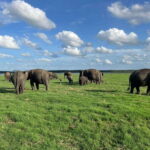
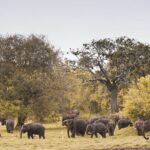
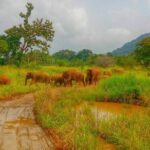
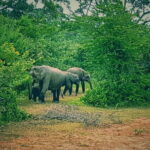
Elephants on the move can change everything. This jeep safari puts you in the right part of Sri Lanka for elephant gathering moments, with comfortable seats and a guide-driven style of spotting. It runs out of the Anuradhapura area and focuses on a straightforward, no-fuss wildlife outing that fits a half day well.
Two things I like a lot: you get expert-led elephant viewing (guides such as Kalum, Thoshan, and Jeewan are praised for reading elephant movements and aiming for prime parking spots), and the safari stays comfortable and low-stress with adjustable front-view seats with seat belts plus a small group size (up to 8). The ride is built for long looking time, not bouncing around.
One thing to consider: this is wildlife viewing, so sightings depend on the day. The experience also requires good weather, and the route plan is shaped by where animals are at that time, not a guaranteed checklist.
In This Review
- Key things to know before you go
- Hurulu Eco Park near Anuradhapura: what this safari is really about
- Pickup, seats, and the small-group vibe (where the comfort shows)
- The 2-hour Hurulu Eco Park stop: how the elephant window works
- Why the guide’s name matters: Kalum, Thoshan, and Jeewan
- More than elephants: how you’ll experience the park atmosphere
- Price and value: is $100 a fair deal?
- Timing and weather: when an afternoon safari works best
- Where you’ll be dropped off, and how the day finishes
- Should you book Sri Lanka Wild Life Uniqe Safari 26?
- FAQ
- Where does the safari take place?
- How long is Sri Lanka Wild Life Uniqe Safari 26?
- What’s included with the ticket?
- Is this experience a mobile-ticket activity?
- What are the operating hours?
- How many people are in the group?
- Do I get dropped off back at my place?
- What happens if the weather is poor?
Key things to know before you go
- Hurulu Eco Park admission included for the main wildlife stop
- Small group of up to 8 for a calmer safari feel
- Comfort-focused jeep setup with adjustable, belted seating and front view
- Water and refreshments provided during the safari
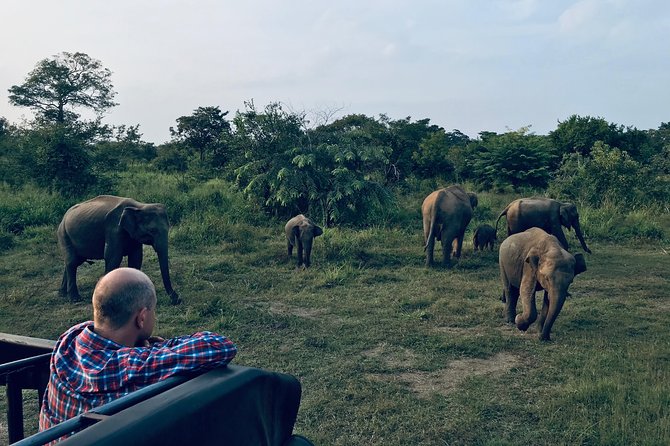
- Guides help you choose prime viewing spots to watch elephants from a safe, respectful distance
Hurulu Eco Park near Anuradhapura: what this safari is really about
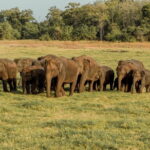
This safari is built around one main wildlife stop: Hurulu Eco Park, based out of the Anuradhapura region. The idea is simple—get you into elephant country at the right time window and let a local jeep driver work the terrain to find where elephants are gathering.
If you’ve been to Sri Lanka before, you’ll notice how elephant sightings can shift from day to day. The same park can feel quiet one afternoon and alive the next. That’s why the guide’s job matters so much here. In the reviews, drivers are praised for anticipating movements and moving away from the crowd to better locations. That’s not magic. It’s experience: reading tracks, watching how groups are moving, and positioning early enough to watch without pushing.
Also, the structure is beginner-friendly. You’re not sent off on a long hike or asked to manage a complicated schedule. You get a clear start, a clear main stop, and then you’re back at the same meeting point at the end.
You can also read our reviews of more tours and experiences in Anuradhapura.


Pickup, seats, and the small-group vibe (where the comfort shows)
The listing says the experience starts in the afternoon, with opening hours running 1:00 PM to 6:00 PM, Monday through Sunday. For your day planning, that’s useful because you can still do a morning activity around Anuradhapura/Habarana and keep the safari as your afternoon anchor.
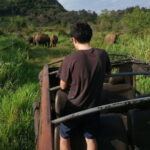
Where this tour feels practical is in the vehicle setup. The safari vehicle has adjustable seats with seat belts, and the overview mentions a front-view layout. That matters more than it sounds. On safari days, you’ll spend a lot of time scanning. If your seat is uncomfortable or hard to position, you end up watching through body strain instead of wildlife.
Group size is another quiet win. This activity lists a maximum of 8 travelers, which usually means you’re not stuck in a giant convoy where everyone is fighting for the same view. In your case, that small scale also makes it easier for the driver to reposition quickly when elephant movement changes.
Finally, there’s hydration built in. You’ll have bottled water and refreshments during the safari supplied as part of the experience. When you’re looking at animals in warm weather, small comfort details add up fast.
The 2-hour Hurulu Eco Park stop: how the elephant window works
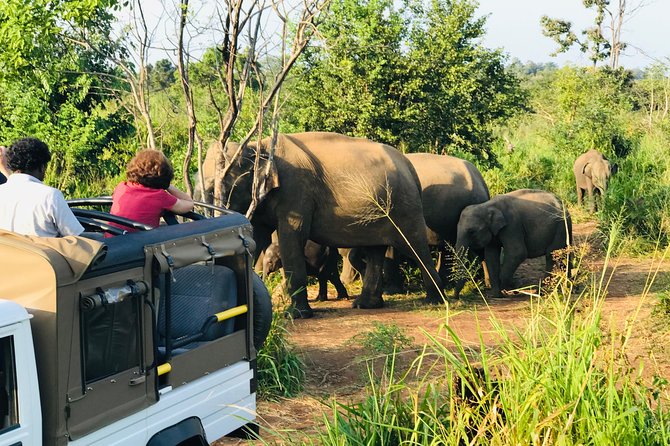
Your main block is 2 hours at Hurulu Eco Park, with an admission ticket included. That time length is a sweet spot for first-timers. It’s long enough to settle in, spot elephants, and watch them shift locations. It’s not so long that the day drags if the action is slow.
What you should expect during that time is a cycle: you arrive, the jeep settles into a viewing position, and then the driver works the area based on what’s happening in the bush. Elephant sightings are rarely static. Even when you think you’ve found them, they’ll start moving again—sometimes slowly, sometimes like the whole group suddenly decides on a new direction.
A couple of review themes connect directly to what that 2-hour window needs:
- Drivers who can anticipate elephant movement get you better viewing positions sooner.
- Operators who search across the broader area (instead of fixing on one spot) can increase your odds of seeing multiple elephant groups.
You may also see other wildlife along the way, but elephant watching stays the main event. The best way to make this 2-hour stop work for you is simple: keep your camera ready, stay patient through repositioning, and resist the urge to rush the moment you see the first group. Elephants often give you repeat chances as they move.
Why the guide’s name matters: Kalum, Thoshan, and Jeewan
In this part of Sri Lanka, the difference between a good safari and a great one is usually not the jeep. It’s the human behind the wheel.
The reviews highlight guides such as Kalum, Thoshan, and Jeewan, and the consistent praise is about practical wildlife skills:
- Spotting elephants early
- Knowing where to park for a clean view
- Understanding how elephants behave so you’re not just reacting
One review detail stands out: drivers were described as professionals at anticipating movements and getting parked in prime locations. That’s the kind of skill that changes your safari from a blurry memory to a series of clear moments—elephants feeding, walking, interacting, and regrouping.
There’s also an important behavioral point tied to these names. The safari experience aims for viewing at a safe, respectful distance. When you get that right, you can watch without turning the animals’ day into a stress test. It’s better for them and better for your photos, because the animals keep acting naturally instead of reacting.
If your goal is to leave knowing how to spot elephants in the field, this kind of guide-led safari is the right match. You’ll learn what to look for and when to scan, not just where to look.
More than elephants: how you’ll experience the park atmosphere
Elephants are the headline, but Hurulu Eco Park days often include smaller wildlife moments that reward slow watching. The reviews mention sightings of things like birds, monkeys, and other animals such as jackal, along with reptiles like camouflaged creatures that are hard to see without help.
You don’t need to become a wildlife expert to enjoy this part. You just need a method:
- Look for movement first, then size
- Scan the tree line and edges of open spaces
- Watch for changes in where the elephant group is directing attention
This is where the guide’s spotting talent helps again. When someone is good at tracking animal behavior, they can point out activity you’d otherwise miss—especially the tiny stuff. Even if the spotlight stays on elephants, those extra moments can make your afternoon feel fuller.
Also, because the ride includes water and refreshments, you’re more likely to stay calm and attentive instead of running low on energy. You’ll get more from the day when you’re not thinking about thirst.



Price and value: is $100 a fair deal?
At $100 for an approx 3 to 5 hour experience, you’re paying for a guided jeep excursion with a set structure and included basics. The big value points are:
- Admission ticket included for the main stop
- Bottled water and refreshments provided during the safari
- A small group size (max 8), which usually makes the experience more comfortable and flexible than big tours
What isn’t included matters too: the listing says all fees and taxes are not included. That means your final total could be a little higher than the sticker price, so it’s worth checking what you’ll be charged at booking.
That said, compared with typical Sri Lanka wildlife day tours, the value here comes from the combination of a focused route (one main eco-park stop), practical comforts, and guides with real elephant-spotting skills. If your priority is elephant viewing and you’d rather spend money on a good driver than on extra frills, this fits your needs.
Timing and weather: when an afternoon safari works best
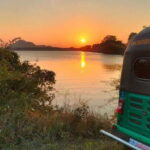
This safari runs afternoons, with 1:00 PM to 6:00 PM as the operating window. Afternoon can be great for elephant viewing because animals may shift around to feed or move toward water sources. It also means your guide is likely working with the day’s heat and animal rhythms, not just a single time-of-day snapshot.
The booking notes say the experience requires good weather. That matters because if conditions are rough, visibility and driving safety change, and the park experience may not run as planned. If the tour is canceled due to poor weather, you’ll be offered a different date or a full refund.
A practical way to handle this: if your itinerary is flexible, give yourself room in the schedule to rebook if needed. If your schedule is tight, choose a day when you expect decent conditions so you don’t waste a key afternoon.
Where you’ll be dropped off, and how the day finishes
The itinerary states you’ll be dropped off to your hotel or the Habarana City Center. At the end, it returns back to the meeting point. That means you’re not dealing with complicated transfers across multiple neighborhoods.
This is especially handy if you’re basing yourself in Habarana or doing a circuit that includes Anuradhapura area sights. You can treat the safari like a clean plug-in to the middle or end of your day.
Also, this is listed as near public transportation, and the experience notes that service animals are allowed. If you’re traveling with a service animal, that’s a key reassurance, and you won’t have to scramble for an alternate plan.
Should you book Sri Lanka Wild Life Uniqe Safari 26?
Book it if you want a focused Hurulu Eco Park jeep safari that’s built for comfortable viewing—adjustable, belted seating, included water and refreshments, and a small group size that doesn’t turn wildlife viewing into a spectator scramble. It’s also a strong pick if you care about guides who can spot elephants well and position the jeep for prime viewing moments.
Skip it or consider another option if your schedule can’t handle a weather-dependent day. Wildlife viewing is never fully guaranteed, and the tour is explicitly tied to good weather. If you’re the type who needs certainty, you might prefer a different kind of activity with fixed sights.
If you’re flexible and you want an afternoon that leans into real animal time—especially elephants—this one is an easy yes.
FAQ
Where does the safari take place?
The safari is in the Anuradhapura area, with the main stop at Hurulu Eco Park.
How long is Sri Lanka Wild Life Uniqe Safari 26?
It’s listed as approximately 3 to 5 hours, with 2 hours at Hurulu Eco Park included in the schedule.
What’s included with the ticket?
You get admission ticket included for the Hurulu Eco Park stop, plus bottled water and refreshments during the safari.
Is this experience a mobile-ticket activity?
Yes, the tour uses a mobile ticket.
What are the operating hours?
It runs Monday to Sunday, 1:00 PM to 6:00 PM.
How many people are in the group?
The tour/activity has a maximum of 8 travelers.
Do I get dropped off back at my place?
You’ll be dropped off to your hotel or Habarana City Center, and the activity ends back at the meeting point.
What happens if the weather is poor?
If it’s canceled due to poor weather, you’ll be offered a different date or a full refund.