Ruins and elephants in one long day. I like how this Polonnaruwa day tour strings together ancient sights, craft work, and animal-spotting, without leaving you stranded on your own. I also love that you get a safari component in the same day, either at Minneriya National Park or Hurulu Eco Park depending on the season.
You’re guided in English, and the route is built for first-timers who want the big highlights fast. Just be ready for one trade-off: the transfer from Kandy is a very long drive, so this isn’t the best pick if you hate long hours in a car.
In This Review
- Key things I’d circle before you go
- A 1-day Kandy-to-Polonnaruwa plan that makes sense
- The long drive from Kandy: the part that decides if this feels worth it
- Matale Hindu Temple: a quiet start before the stone giants
- Spice Garden time: learning cinnamon, cardamom, and cloves hands-on
- Wood carving and batik factories: watching craft, not just shopping
- Polonnaruwa’s UNESCO highlights: Gal Vihara and Parakrama Samudra
- Safari in Minneriya National Park or Hurulu Eco Park: the animal-spotting payoff
- Price and value at $72: what you’re really paying for
- Who this private tour is best for (and who should skip it)
- Quick packing and etiquette tips that make this day smoother
- Should you book the Polonnaruwa Day Tour from Kandy (Private)?
- FAQ
- What’s the duration of the Polonnaruwa day tour from Kandy?
- Where does pickup happen, and where do you return?
- Is this tour private?
- What language is the live guide?
- What’s included in the price?
- Are entrance tickets included?
- Is the safari included?
- Which safari location do you visit: Minneriya or Hurulu?
- How much does the tour cost?
- Is there a cancellation option?
Key things I’d circle before you go
- Polonnaruwa UNESCO highlights with a guided look at major ruins, including Gal Vihara.
- Minneriya or Hurulu wildlife time (choice depends on seasonal animal movements).
- Matale Hindu Temple for a calm start in a working spiritual space.
- Spice Garden visit focused on how cinnamon, cardamom, and cloves are grown and used.
- Wood carving and batik factories where you can watch traditional craft skills in action.
- Private-group comfort on an English-led day.
A 1-day Kandy-to-Polonnaruwa plan that makes sense
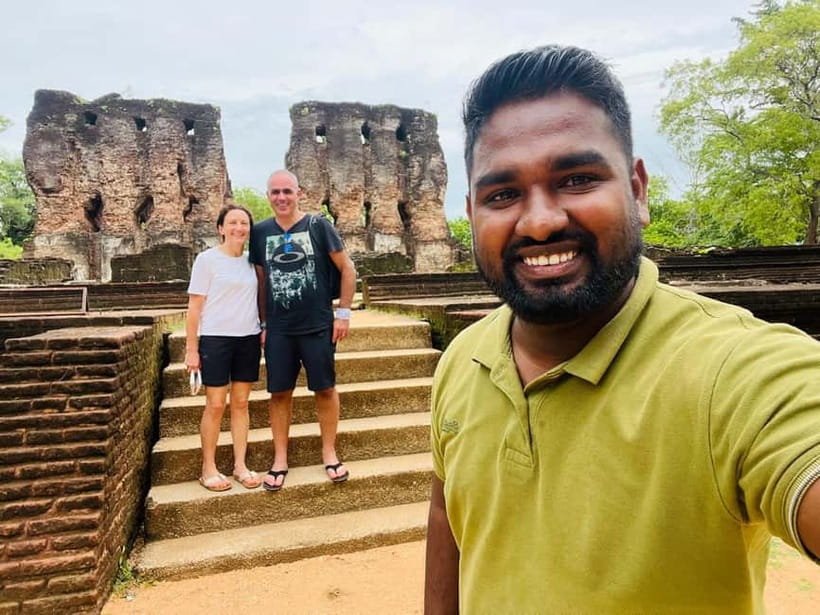
If you only have a short window in Sri Lanka, this is one of those day trips that tries to hit two goals at once: cultural stops plus wildlife. Polonnaruwa is the main reason you go, but the route smartly adds side visits that explain how Sri Lanka lives today—religion, spices, and crafts—before you jump back in time.
What I like is the pacing. You don’t just show up at ruins and rush out. You start earlier, fit in Matale and the spice gardens, then move into Polonnaruwa for the big medieval monuments. After that, you shift to nature for the safari portion. It turns a long travel day into a full story arc, not a single long parking-lot visit.
You can also read our reviews of more tours and experiences in Anuradhapura.


The long drive from Kandy: the part that decides if this feels worth it
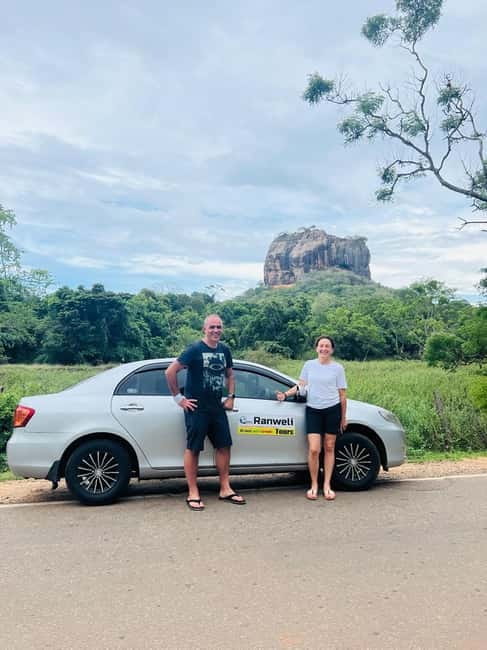
Let’s be honest: you’re spending serious time in transit. The route is designed as a one-day sweep, so the car ride is a major chunk of the day, and that can be tiring.
My practical advice is to plan for comfort and stamina:
- Wear clothes that work for both car time and warm-site walking.
- Bring sunscreen and a hat, because you’ll likely be outside at multiple stops.
- If you’re sensitive to motion, think about what usually helps you on long rides.
The upside of the long drive is that you’re not trading it for convenience. You’re trading it for a day that combines Polonnaruwa with wildlife. If you’re the type who gets cranky with long transfers, you may feel the pressure more than someone who’s happy to settle in with snacks, music, and the occasional roadside view.
Matale Hindu Temple: a quiet start before the stone giants
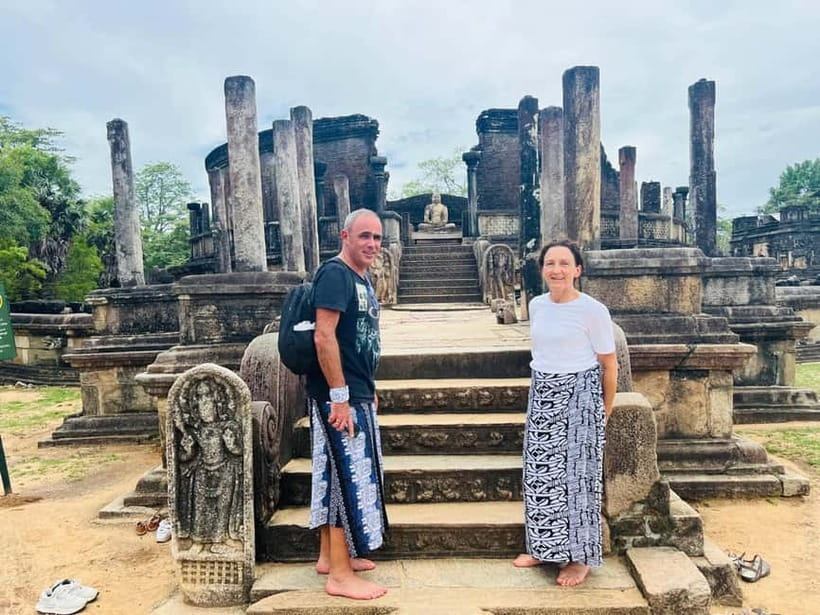
You’ll begin with a visit to Matale Hindu Temple, a spiritual stop placed early so the day doesn’t start with heat and ruins. The temple grounds are meant for a slower pace—time to observe, take in the setting, and participate in the prayer atmosphere if you want to.
Why this stop matters: Polonnaruwa’s monuments can feel purely architectural unless you understand that Sri Lankan culture is still deeply tied to faith and rituals. A temple visit gives you context for the way sacred spaces are still active, not just historical.
Practical note: dress modestly and be respectful inside worship areas. Even if you’re not sure what’s expected, err on the side of covering shoulders and knees and keep your movements calm.
Spice Garden time: learning cinnamon, cardamom, and cloves hands-on
Next comes the Spice Garden, where the air is strongly scented with spices like cinnamon, cardamom, and cloves. The value here is that you’re not just buying postcards or dried packages—you’re learning cultivation and use through a guided visit in the gardens.
This part of the day works especially well if you’ve ever wondered why Sri Lanka is so closely associated with spices. Here, you get a simple, practical explanation of how these crops are grown and how they show up in everyday uses. It’s also a great break from the stone-and-sun rhythm of historical sites.
A small consideration: spice gardens can be warm and a bit slow-paced. If you’re not into plants and smells, you might treat it as a chance to cool down, ask questions, and then continue. If you like learning how things grow, this stop is one of the most satisfying parts of the day.
Wood carving and batik factories: watching craft, not just shopping
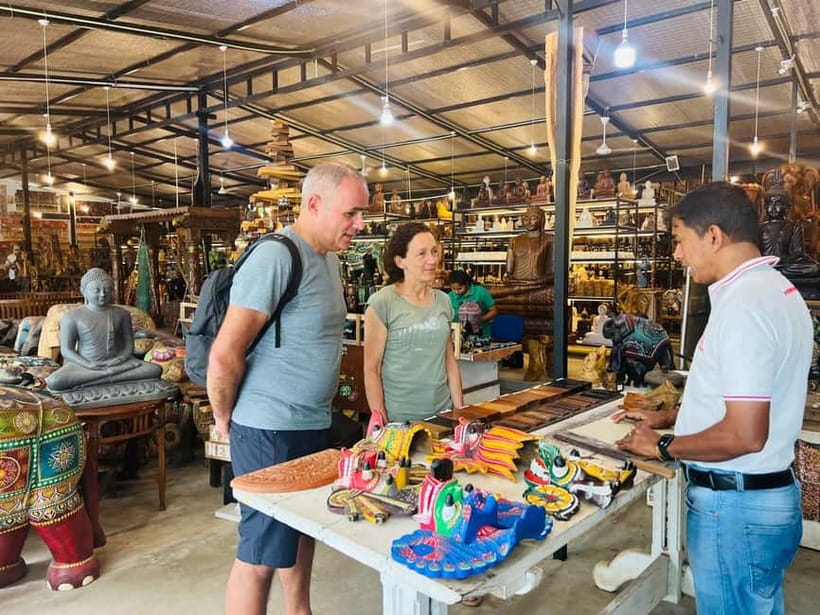
After the garden, the tour includes two traditional craftsmanship stops: a Wood Carving Factory and a Batik Factory. This is where you can see skills practiced rather than just finished products displayed.
I like these stops because they add “today’s hands” to the “ancient stones” theme. When you watch artisans work, you start to understand why certain designs and patterns keep showing up across Sri Lankan art—from woodwork to fabric.
One thing to remember: factory visits usually come with opportunities to purchase. If you’re not planning to buy, you can still enjoy the watching and the explanations. Keep your expectations focused on observation and learning, not on finding the perfect souvenir.


Polonnaruwa’s UNESCO highlights: Gal Vihara and Parakrama Samudra
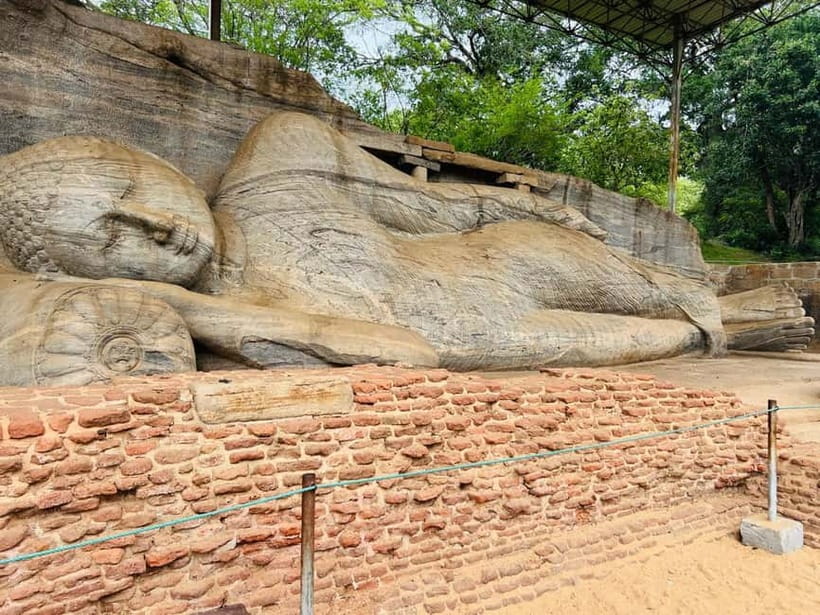
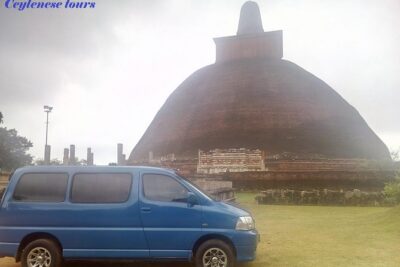
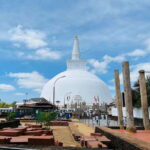
Now you reach the main event: Polonnaruwa, a UNESCO World Heritage Site. The tour is guided, so you’ll get help connecting monuments to purpose instead of just looking at ruins and guessing what you’re seeing.
Two sights deserve special attention here.
Gal Vihara
This is the big one: four colossal Buddha statues carved into granite rock. It’s not subtle. The scale is part of the impact, and the carved rock setting gives you a real sense of what medieval builders were capable of.
Parakrama Samudra
Then there’s Parakrama Samudra, the ancient reservoir that once served as the lifeblood of the city. This is a different kind of marvel. It’s not sculpture; it’s engineering. And that’s the point: Polonnaruwa wasn’t only about temples and statues. It was about sustaining a city through water.
The best way to enjoy this portion is to let the guide do the connecting. When you understand why certain buildings were placed where they were, and what water systems were intended to do, the ruins feel less like random stone and more like a functioning world.
Safari in Minneriya National Park or Hurulu Eco Park: the animal-spotting payoff
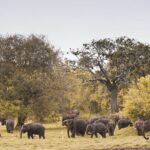
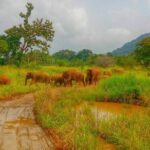
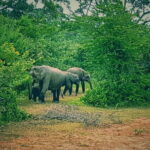
After Polonnaruwa, you head into safari time, either at Minneriya National Park or Hurulu Eco Park. The choice is based on the season and wildlife movements, which is exactly what you want for a day tour—matching your timing to where animals are more likely to show up.
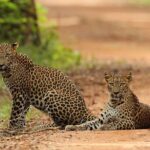
What you can look for includes elephants, elusive leopards, and lots of bird life. Even if you don’t see a leopard, the park experience is still usually about the chance of elephants plus the overall wildlife atmosphere.
Important detail for your planning: the safari experience itself isn’t listed as included. That means you should expect additional safari-related costs (and possibly ticket arrangements) before you go. It’s still a great add-on idea, but treat it like a separate purchase rather than something fully covered.
Price and value at $72: what you’re really paying for
At $72 per person for a private day out of Kandy, the value depends on two things: how much you want guided coverage, and how much you expect to spend on extras.
Here’s what’s included:
- Transportation from Kandy to Polonnaruwa and back
- A guided tour of Polonnaruwa’s ancient city
- Visits to Matale Hindu Temple and a Spice Garden
- Bottled water during the tour
Here’s what’s not included:
- Entrance tickets
- The safari experience
- Personal spending and anything not mentioned
So you’re paying for a structured, guided day with transport plus key cultural stops. You’re not paying for every admission and you’re not paying for the safari itself. In practice, that often makes sense: you can choose how you handle entrances and safari details rather than getting one fixed approach that might not fit your preferences.
If you compare this to doing Polonnaruwa on your own, the big value is the guided interpretation and the fact that your route is handled. If you already plan to hire guides and arrange safari separately, this private structure can save time and reduce stress.
Who this private tour is best for (and who should skip it)
This fits well if you:
- Want a single-day hit list: temple, spices, crafts, Polonnaruwa ruins, and safari.
- Prefer an English live guide rather than piecing things together on your own.
- Like the idea of a private group, meaning you’re not squeezed into someone else’s pace.
It’s less ideal if you:
- Hate long car rides. The drive is a known big factor.
- Don’t want to pay extra for entrances and the safari portion.
On the people side, it also matters. On past departures, the day has been helped along by friendly drivers like Sachintha and Shanuka, which you’ll appreciate on a long route. A good driver turns the transit portion from a chore into “just part of the day.”
Quick packing and etiquette tips that make this day smoother
You’ll be switching between car time, temples, garden paths, workshops, and stone ruins, plus safari viewing. That means a few basics matter:
- Comfortable walking shoes for uneven surfaces at historical sites.
- Light layers for sun and air-conditioned car time.
- Modest clothing for the Hindu temple.
- A hat and sunscreen for outdoor stops.
- Bring any personal snacks you rely on during long transit, since only bottled water is listed.
Should you book the Polonnaruwa Day Tour from Kandy (Private)?
I’d book it if you want a well-structured day that covers the main Polonnaruwa highlights and adds cultural context with Matale, spices, and craft workshops—then tops it off with a safari in Minneriya or Hurulu. It’s a good value framework because transport and guiding are handled, and Polonnaruwa gets the focused attention it needs.
I’d hesitate if you’re worried about the long drive from Kandy or if you’d rather avoid extra costs for entrance tickets and the safari portion. In that case, you might prefer a slower plan, or a separate safari arrangement you control more tightly.
FAQ
What’s the duration of the Polonnaruwa day tour from Kandy?
It’s listed as a 1-day tour.
Where does pickup happen, and where do you return?
Pickup is from Kandy, and the tour returns you to Kandy.
Is this tour private?
Yes, it’s a private group.
What language is the live guide?
The live tour guide is in English.
What’s included in the price?
Included are transportation between Kandy and Polonnaruwa and back, a guided tour of Polonnaruwa’s ancient city, visits to Matale Hindu Temple and Spice Garden, and bottled water.
Are entrance tickets included?
No, entrance tickets are not included.
Is the safari included?
No, the safari experience in Minneriya National Park or Hurulu Eco Park is not included.
Which safari location do you visit: Minneriya or Hurulu?
It depends on the season and wildlife movements; you’ll go to Minneriya National Park or Hurulu Eco Park accordingly.
How much does the tour cost?
The price is $72 per person.
Is there a cancellation option?
Yes. You can cancel up to 24 hours in advance for a full refund.