One walk can make Anuradhapura click. This Vogel Tours private outing puts Ajee Vogel in front of the main monuments so you see how Buddhism, architecture, and everyday temple life connect, not just a list of stops. I especially like the snacks and coffee or tea part to keep you fresh between sites, and I like how the route hits the big names like Jaya Sri Maha Bodhi and Ruwanwelisaya. One thing to consider: you’ll likely need the $30 UNESCO-area entrance ticket per person, and some stops are not included for entry.
If you want your time in Anuradhapura to feel focused (not random walking), this works well. It’s built for small groups, offers pickup, and runs about 1 to 5 hours depending on how you pace it. The main drawback is that the route includes a lot of sacred spaces where you should expect shoe-removal rules in certain areas.
In This Review
- Key things I’d plan for
- First impressions: Why this Anuradhapura tour feels practical
- Price and what you’ll really pay in the end
- The route in plain English: what each stop is for
- 1) Jaya Sri Maha Bodhi: the sacred fig you should slow down for
- 2) Lovamahapaya (Brazen Palace / Lohaprasadaya): the “where the roof matters” stop
- 3) Ruwanwelisaya: the big stupa that gives you scale
- 4) Kuttam Pokuna (Twin Baths): architecture’s everyday job
- 5) Samadhi Statue (Mahamevnāwa Park): a posture you can read
- 6) Abhayagiri Dagaba: the big monastery story behind the walls
- 7) Main Refectory of Abayagiri Monastery: where alms met daily life
- 8) Moonstone / Sandakada pahana: the stair-carving detail that makes photos better
- 9) Eth Pokuna (Elephant Pond): a big pond with a big footprint
- 10) Rathna Prasadaya & Guardstone (Pohāȳa Géya and Muragol): small stones with big authority
- 11) Jethawanaramaya: another monastery complex that shifts your scale sense
- 12) Jethawanaramaya Museum: when you want proof, artifacts, and a clearer timeline
- Snacks, coffee, pickup, and the small comforts that matter
- Etiquette notes: shoe rules and how to avoid awkward moments
- Who this tour is best for (and who might want something else)
- The big praise here: what makes the experience feel worth it
- Should you book Vogel Tours for Anuradhapura?
- FAQ
- FAQ
- How long is the Vogel Tours Anuradhapura experience?
- What’s included in the price?
- Do I need to pay entrance fees?
- Is there pickup?
- Do I need to remove my shoes?
- What happens if weather is bad or I cancel?
Key things I’d plan for
- Ajee Vogel’s Buddhism explanations help you understand what you’re looking at, especially around major stupas and temple complexes
- Snacks plus coffee or tea keep energy up during a temple-heavy route
- Both famous and supporting sites show how the ancient city functioned, not just its top attractions
- UNESCO-area entry costs extra at $30 per person, so budget that up front
- Shoes off for some areas means wear easy slip-on options and plan your foot care
- Flexible timing (1–5 hours) lets you match your day, heat, and stamina
First impressions: Why this Anuradhapura tour feels practical
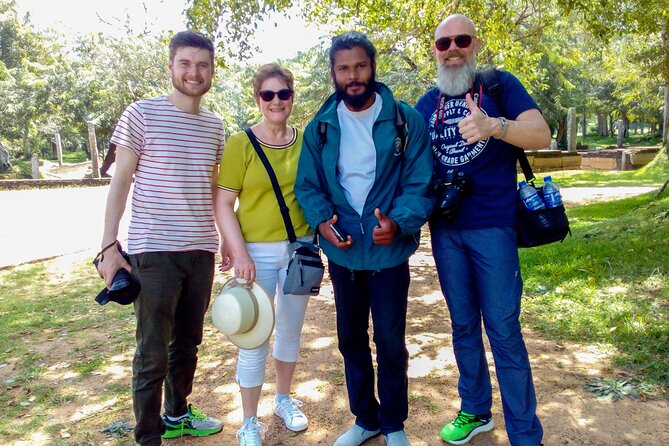
Anuradhapura can be overwhelming fast. There are temples everywhere, and without context it’s easy to lose the thread. This tour solves that problem with a guide-led loop that connects the dots between major religious landmarks and the smaller architectural details you’d otherwise miss.
I like the small-group setup because it supports real conversation, not just a lecture. Ajee Vogel’s style is built around answering questions about Buddhism and Sri Lankan culture, and that matters because temple sites aren’t just scenery. They’re systems—belief, art, and daily practice all stacked on the same ground.
The other practical win is pacing. You’re not stuck grinding for a full day. The duration is approximate from 1 to 5 hours, which means you can fit it into a morning plan or a slower afternoon when the sun isn’t as intense.
You can also read our reviews of more tours and experiences in Anuradhapura.


Price and what you’ll really pay in the end
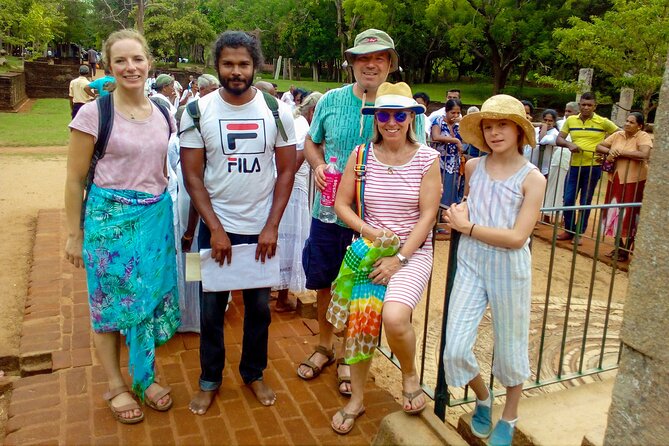
The tour price is $40 per group (up to 3 people). That’s a strong value if you’re traveling with someone, since you’re paying as a group rather than per person for the guidance and transport coordination.
But the main budget line is the entrance fee for the UNESCO area: $30 per person. The tour itself also notes that entrances may vary by stop, and some site entries aren’t included. So for cost planning, I suggest you assume the UNESCO ticket will apply to the sites you’re visiting and budget accordingly.
A simple way to think about value:
- If you have 2–3 people, the $40 group price spreads out nicely.
- Your biggest variable cost is the UNESCO-area entrance ticket at $30 per person.
- What you’re paying for isn’t just walking between monuments—it’s interpretation, timing, and help with the places that feel confusing on your own.
The route in plain English: what each stop is for
This itinerary is designed like a guided circuit through Anuradhapura’s major religious center. Some stops are quick photo stops; others are where the meaning clicks. Here’s what to expect, and what’s worth your attention at each one.
1) Jaya Sri Maha Bodhi: the sacred fig you should slow down for
You start at Jaya Sri Maha Bodhi, a historic sacred bo tree (Ficus religiosa) in the Mahamewuna Garden. The “tree stop” can sound simple, but it’s one of the most important points in the entire city.
Plan for about 30 minutes here. Even if you’re not a plant person, this is the kind of place where the setting matters: the shrine atmosphere, the respectful silence, and the fact that it’s tied to Buddhist symbolism. If you ask questions, this is a great stop to do it, since the bodhi theme connects to how Buddhism marks sacred objects over time.
A practical note: it’s a sacred space, so expect rules and keep your attention on how the place is being used, not just how it looks.
2) Lovamahapaya (Brazen Palace / Lohaprasadaya): the “where the roof matters” stop
Next is the Lovamahapaya site, commonly associated with the Brazen Palace or Lohaprasadaya. The listed description focuses on the building and its roof, which hints at why this place mattered—architecture as status, learning, and religious life in the ancient city.
This is a shorter stop, about 15 minutes. For best results, don’t rush through it like a postcard. Instead, use this time to get your bearings: how this area relates to the nearby major religious sites and what kind of complex it would have been in its day.




3) Ruwanwelisaya: the big stupa that gives you scale
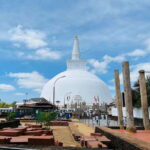
Then you move to Ruwanwelisaya (Ruwanweli Maha Seya). This is one of the most iconic stupas in Anuradhapura, a hemispherical stupa structure described as containing relics.
Expect around 30 minutes. This is where you can really feel the “city of religion” idea because the scale of a stupa changes your sense of time. If you pay attention to shapes and proportions, your photos will look better later—and more importantly, the stupa will make sense as an object of devotion, not just a monument.
If you get winded, this is still doable. Bring water and take short pauses. The guide’s job here is to help you focus on what to notice so you don’t have to figure it all out alone.
4) Kuttam Pokuna (Twin Baths): architecture’s everyday job
After the stupa, you’ll shift to Twin Baths (Kuttam Pokuna), well-preserved old bathing tanks or ponds. It’s a good contrast stop: less sacred symbolism, more practical design.
This is about 15 minutes. I like this part because it reminds you Anuradhapura wasn’t only about ceremonies. It had systems—water management, daily upkeep, and spaces designed for human use within a religious environment.
5) Samadhi Statue (Mahamevnāwa Park): a posture you can read
Next comes the Samadhi Buddha statue in Mahamevnāwa park, described as about 7 feet 3 inches and carved with a meditation posture connected to his first enlightenment.
You’ll have around 15 minutes. This is a quick but memorable moment if you slow down and actually look at posture. A guide is helpful here because they can connect the statue’s meaning to why meditation is central in Buddhist practice.
6) Abhayagiri Dagaba: the big monastery story behind the walls
Now the route turns into monastery-land with Abhayagiri Dagaba. The description frames it as a major monastery site tied to Theravada, Mahayana, and Vajrayana traditions in Anuradhapura.
This is a short stop (around 15 minutes), which can feel fast for something this significant. That’s where a good guide helps. You’ll get the “why it mattered” story without needing hours of independent research.
If you’re the type who likes structure, ask questions here about how different Buddhist traditions could exist in the same region historically.
7) Main Refectory of Abayagiri Monastery: where alms met daily life
Right nearby is the Main Refectory of Abayagiri Monastery, described as an alms-giving place close to Uttara Mula. The square building dimensions are noted, and the listing points to multiple stages of construction.
Expect about 10 minutes. For many people, refectories and alms halls sound less exciting than stupas. But I actually like this stop because it brings the city down to real people doing real work—food distribution and community life tied to religious practice.
8) Moonstone / Sandakada pahana: the stair-carving detail that makes photos better
Next is Sandakada pahana, also known as the Moonstone. This is an elaborately carved semi-circular stone slab placed at the bottom of staircases.
You’ll spend about 15 minutes. This is one of those “look down” moments that makes your visit richer. Once you know what you’re looking at, you’ll spot how the design supports the walk upward as a ritual approach.
9) Eth Pokuna (Elephant Pond): a big pond with a big footprint
Then you’ll visit Eth Pokuna, the Elephant Pond. It’s described as a gigantic man-made rectangular pond with specific dimensions listed.
This one is about 10 minutes. It’s easy to treat as a background site, but don’t. Water features like this show how the city supported monastic life with engineered resources, not just prayer and architecture.
10) Rathna Prasadaya & Guardstone (Pohāȳa Géya and Muragol): small stones with big authority
You’ll also see Rathna Prasadaya & Guardstone, described as one of the finest ancient guard stones in Sri Lanka. The listing mixes names in Sinhala and English, but the core idea is clear: these guard stones are not random decoration.
Time here is about 10 minutes. I recommend using a quick guide explanation to understand why guard stones are placed where they are—because once you get that, the stone becomes part of the building’s meaning.
11) Jethawanaramaya: another monastery complex that shifts your scale sense
Next is Jethawanaramaya, described as another monastery complex built by King Mahasen at a referenced scale (the details are in the listing summary).
This stop takes about 30 minutes. This is a good time to step back and compare what you’ve seen so far: how the city’s major worship forms, and how monastery complexes connect to the surrounding temple world.
12) Jethawanaramaya Museum: when you want proof, artifacts, and a clearer timeline
Finally, you visit Jethawanaramaya Museum. The listing notes a 1937 British colonial building that houses treasures found at Jetavanarama.
This is around 30 minutes, and it’s a strong ending. After walking around ancient structures, a museum helps you separate what you’re seeing in front of you from what the objects can tell you about construction, belief, and the city’s historical arc.
If you’re the kind of person who likes to verify details instead of trusting vibes, this stop is worth making time for.
Snacks, coffee, pickup, and the small comforts that matter
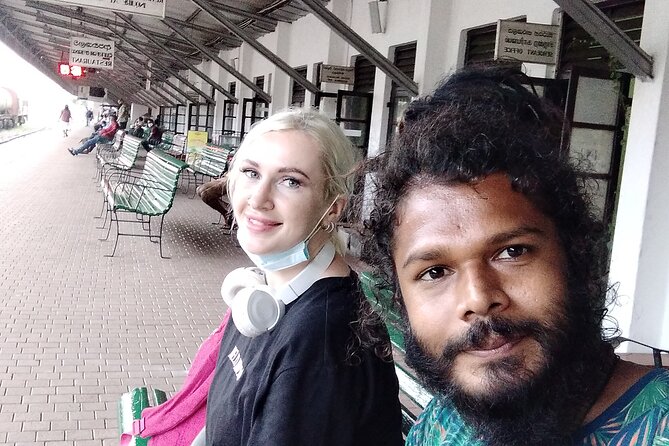
One of the simplest comforts is that the tour includes snacks and coffee and/or tea. On a temple-heavy day, that’s not a luxury—it’s logistics. It helps you keep moving without feeling cranky halfway through the route.
Pickup is offered, and the tour is near public transportation, so you’ll have options depending on how you’re traveling that day. There’s also an option for private transportation for up to 3 persons if you request it, which can save you time and steps.
You’ll also get a mobile ticket, which is useful if you prefer to keep things organized on your phone instead of juggling papers.
Etiquette notes: shoe rules and how to avoid awkward moments
Temple visits go more smoothly when you arrive prepared. The tour info includes a clear point: you need to remove your shoes when you enter certain “secret places” (the listing wording is a bit rough, but the intention is about restricted sacred areas).
I suggest you wear footwear that’s easy to remove and put back on quickly, and keep an extra pair of socks if you’re sensitive to warm stone or cool tile.
Also remember: sites are sacred. Keep your voice down, move respectfully, and let your guide tell you when a stop is more about looking and listening than walking around.
Who this tour is best for (and who might want something else)
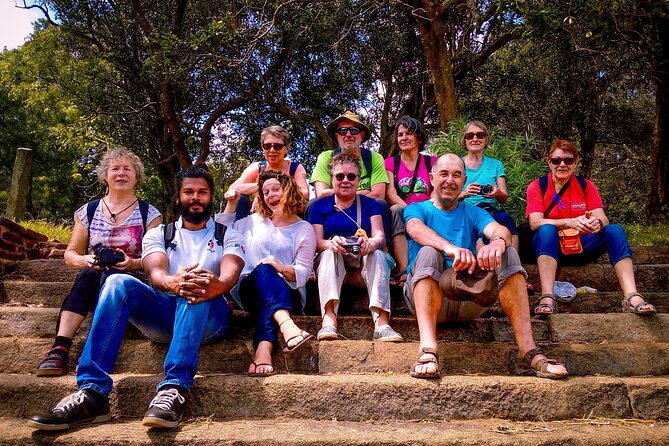
This experience fits best if you want:
- A guided walkthrough of major Anuradhapura landmarks in a few hours
- Explanations about Buddhism and Sri Lankan culture
- A route that includes both the showstoppers (like Ruwanwelisaya) and the useful “context stops” (like Kuttam Pokuna and the Moonstone)
It’s also a good choice if you’re traveling in a small group and want real flexibility. Even though the pricing is listed per group (up to 3), the guide can accommodate a group of up to 10, so it’s built for private-style touring.
If you prefer totally unguided wandering and you already know the history well, you might not need a structured loop. But if you’re trying to get value out of every stop, guidance is the whole point here.
The big praise here: what makes the experience feel worth it
The highest-rated part of this tour is the guide’s teaching style. The pattern is consistent: Ajee Vogel is easy to listen to, explains the Buddhist meaning behind what you see, and keeps the visit friendly. His English is described as good, and the overall feeling is that the city becomes easier to understand once the guide puts it into context.
I also like the practical way the route covers the main attractions plus supporting structures. That’s what turns a “see it” day into a “make sense of it” day.
And don’t ignore the time-saver angle. You’re spending your limited hours in the ancient city with a plan that hits the right places in a logical order.
Should you book Vogel Tours for Anuradhapura?
I’d book this if you want a guided explanation-led Anuradhapura visit rather than a self-guided puzzle. It’s especially good for first-time visitors who want Buddhism and architecture connected, and for small groups that can split the $40 group price.
Book with a bit of budget planning for the $30 UNESCO-area entrance ticket per person, and come ready for shoe-removal rules in certain areas. If you do that, you’ll get a focused route, a clear storyline, and a smoother visit to sites like Jaya Sri Maha Bodhi, Ruwanwelisaya, and the Abhayagiri complex areas.
FAQ
FAQ
How long is the Vogel Tours Anuradhapura experience?
It runs approximately 1 to 5 hours, depending on how you pace the visit.
What’s included in the price?
The experience includes snacks, coffee and/or tea, and private transportation can be supplied if you request it (up to 3 persons). You’ll also receive a mobile ticket.
Do I need to pay entrance fees?
Yes. Entrance fees are not included, and the tour information states that every traveler who enters the UNESCO area should buy an entrance ticket for $30 per person.
Is there pickup?
Pickup is offered, and the tour is also near public transportation.
Do I need to remove my shoes?
The tour info says you have to remove your shoes when you enter certain secret places.
What happens if weather is bad or I cancel?
The experience requires good weather. If it’s canceled due to poor weather, you’ll be offered a different date or a full refund. Cancellation is free up to 24 hours in advance for a full refund.