Polonnaruwa reads like a history book made of stone. This private day tour stitches together the museum, the Sacred Quadrangle, and star stop Gal Vihara, with a guide shaping the pace to what you care about. I really like the dedicated private guide who explains what you’re looking at in plain language, and I also like that the route mixes headline monuments with smaller sites such as Pabalu Vehera and Alahana Pirivena.
The main consideration is that the schedule packs a lot into 6 to 7 hours, so the later stops can feel tiring in the heat. One more practical note: the walking connections inside Polonnaruwa can be less obvious than you’d think, so you’ll want to stick close to your guide rather than assuming you can stroll between every spot.
In This Review
- Key highlights worth planning around
- Polonnaruwa Ancient City, one private circuit at a smart pace
- Where the tour starts: Archaeological Museum as your orientation hub
- Royal Palace of King Parakramabahu I: see the power center, not just ruins
- Vatadage and the Sacred Quadrangle: circular relic houses explained
- Shiva Devalaya No. 2 and temple stops: why the Hindu layer matters
- Pabalu Vehera and Rankoth Vehera: two stupas, two feelings
- Alahana Pirivena: the monastery-and-learning side of Polonnaruwa
- Gal Vihara: the moment you slow down
- Thivanka Image House: art you can actually look at
- Statue of Parakramabahu I and Deepa Uyana: bring the king back to the map
- Sunset at Parakrama Samudraya: a calmer ending
- The lunch stop and food reality check (rice and curry time)
- Price and value check: $30 tour, plus site fees you must plan for
- Guide quality: why Tharindu and Tarry keep coming up
- Timing, heat, and footwear: the day’s unglamorous essentials
- Who this Polonnaruwa private day tour suits best
- Should you book this tour?
- FAQ
- How long is the Polonnaruwa Ancient City private day tour?
- What does the tour include?
- Are the site entry and admission fees included?
- Where does the tour start and end?
- Is this a private tour?
- What ticket type do I get?
- What is the cancellation policy?
Key highlights worth planning around
- Private guide storytelling that turns ruins into a connected picture, not a pile of rocks
- Sacred Quadrangle route hits the Royal Palace, Vatadage, and key relic houses efficiently
- Gal Vihara focus with time to actually take in the rock-cut Buddhas
- Less-visited monuments like Pabalu Vehera and Alahana Pirivena that add texture to the day
- Sunset at Parakrama Samudraya View Point for a calmer ending to the circuit
- Bottled water included to help you handle the midday pace
Polonnaruwa Ancient City, one private circuit at a smart pace
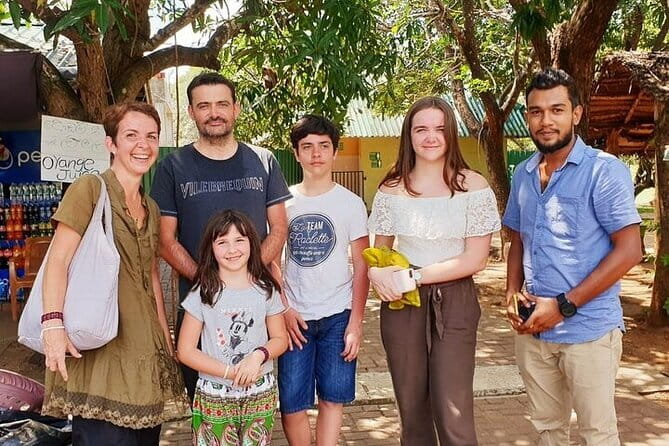
Polonnaruwa is one of Sri Lanka’s big ancient capitals, and it can feel overwhelming if you’re trying to figure it out on your own. This tour works because it stays in one logical loop and gives you enough time at each stop to understand what you’re seeing. You’re not racing. You’re moving, yes, but with a rhythm that makes sense.
I also like that the day isn’t only about the loudest names. You get the Royal Palace area and the Sacred Quadrangle, then the route quietly adds Hindu and Buddhist elements, plus monastic and sculptural sites that many people skim. That mix helps you see Polonnaruwa as a real lived-in place, where different traditions shared space and time.
Because it’s private, you don’t have the pressure of keeping up with strangers. If you want to linger at a statue wall, you can usually do that. If you’re fading, you can ask the guide to adjust.
You can also read our reviews of more tours and experiences in Batticaloa.
Where the tour starts: Archaeological Museum as your orientation hub
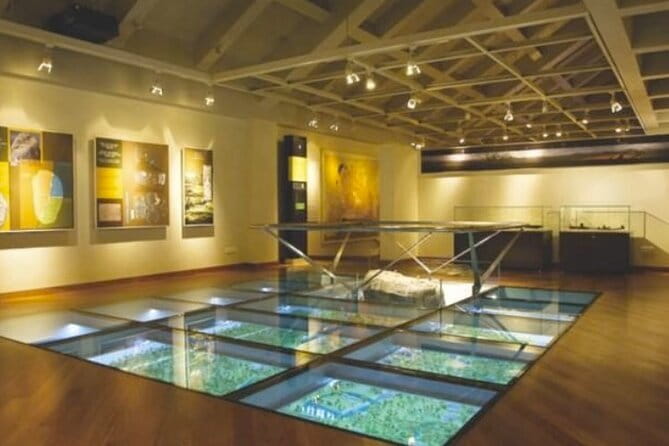
The meeting point is at the Archaeological Museum near the main entrance to the Polonnaruwa Heritage Site. Starting here is smart, because you begin with context before you start walking among the monuments.
The museum stop is about 30 minutes, and it’s designed to get you oriented with artifacts and city history. Since entry fees for the museum aren’t included, you’ll want to budget for site tickets on top of the tour price. Even with only half an hour, the museum helps you recognize details later when you’re staring at carved stone.
Practical tip: wear sunscreen and bring a hat. Even if you start with shade near the museum area, Polonnaruwa can heat up quickly.
Royal Palace of King Parakramabahu I: see the power center, not just ruins
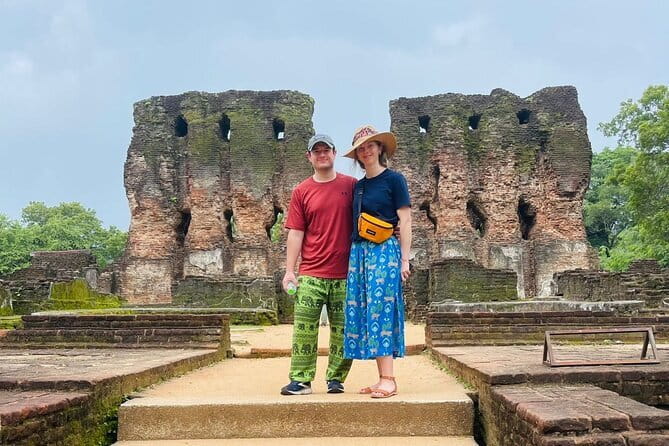
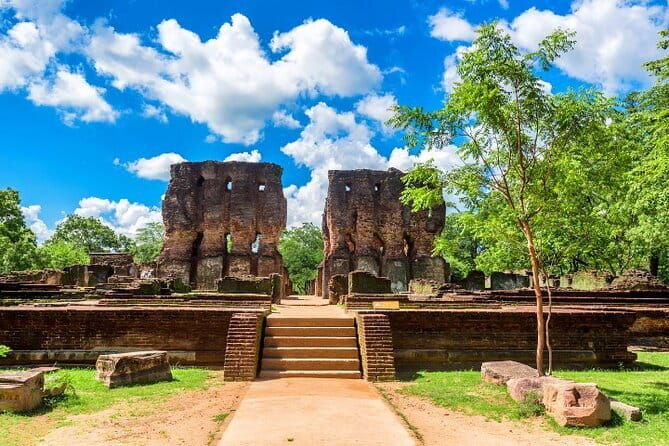
Next you go to the Palace of King Parakramabahu, which was once a royal residence tied to the king’s medieval grandeur. You get around 30 minutes here, which is enough time to take in the scale and understand what parts were meant for authority, ceremony, and daily royal life.
The value of this stop is how it anchors the rest of the day. Once you’ve seen the palace remnants, the Sacred Quadrangle makes more sense. You start noticing how each relic house and structure was positioned to support worship and state identity.
As with all ancient sites, the downside is that some of what you’re seeing will be partial walls and foundations. A strong guide matters here, because they can translate what’s missing into what the space likely functioned like.
Vatadage and the Sacred Quadrangle: circular relic houses explained
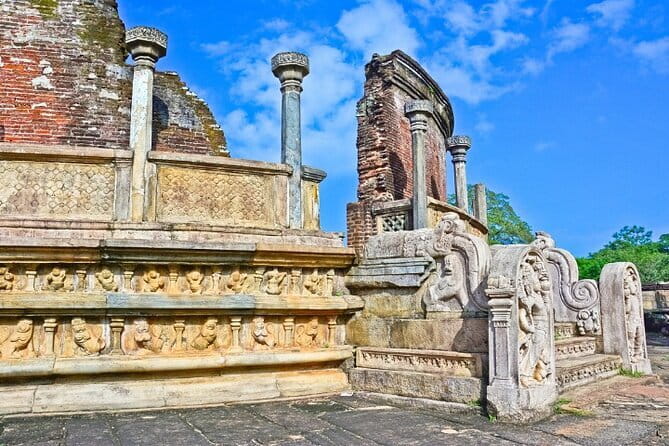
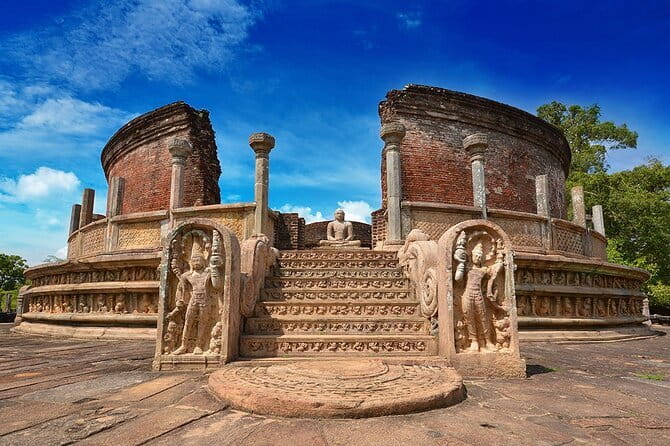
The Polonnaruwa Vatadage is one of the Sacred Quadrangle highlights. You spend about 45 minutes, long enough to walk the area slowly and pick out the kind of craftsmanship that went into protecting and displaying sacred objects.
The Vatadage is a circular relic house built to shelter a sacred stupa, and it’s decorated with carvings. Even when you don’t memorize every name, the structure itself tells you it was designed for worship. The guide’s job is to connect those design choices to the religious purpose.
This stop has admission not included, so again: plan on site fees. The payoff is that you’re not just photographing; you’re learning how these buildings were meant to shape behavior—where people stood, how they moved, and what they were encouraged to focus on.
Shiva Devalaya No. 2 and temple stops: why the Hindu layer matters
After the main Buddhist focus, the tour includes a Hindu temple stop: Shiva Devalaya No. 2. This is about 15 minutes, and it highlights Polonnaruwa’s multicultural heritage. The site is dedicated to Lord Shiva and shows Dravidian influence from South India.
Short stop, strong purpose. This is where the day stops feeling like only one tradition’s story. You start seeing Polonnaruwa as a place that held multiple cultural threads at once.
One standout moment described during a temple visit was a Hindu blessing during the tour. That kind of live moment can be the difference between reading about religion and actually witnessing how it plays out in a sacred space. Even if you don’t catch a ceremony, the temple architecture and orientation still make the point.
Pabalu Vehera and Rankoth Vehera: two stupas, two feelings
Then the route jumps to Pabalu Vehera and Rankoth Vehera, both listed as notable but with different weight.
- Pabalu Vehera is a smaller but striking stupa tied to King Parakramabahu I. You get around 15 minutes. The benefit here is learning how not every “important” monument was meant to be the biggest one. Sometimes the meaning is in the design choices and the story behind the builders.
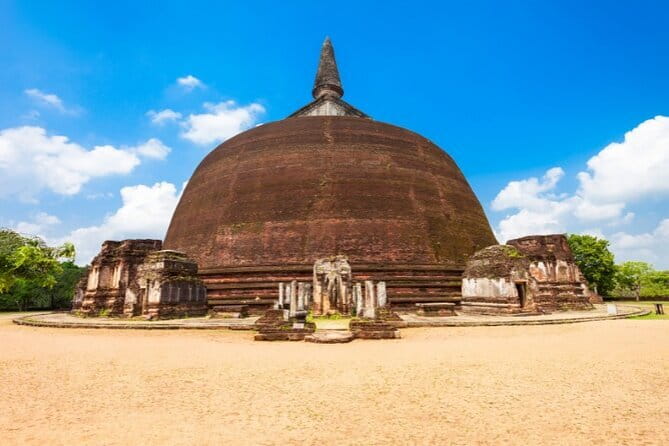
- Rankoth Vehera is the largest stupa in Polonnaruwa, connected to King Nissanka Malla in the 12th century. You get about 15 minutes too.
For me, the value of doing both back-to-back is contrast. You can feel the difference in scale and how that would have affected what worship felt like—big public devotion versus a more specific, contained sense of sacredness.
As always, admission fees apply at these monuments (not included), so budget for the site entrance costs.
Alahana Pirivena: the monastery-and-learning side of Polonnaruwa

Next comes Alahana Pirivena, about 30 minutes. This monastic complex is important because it points to the educational side of medieval Sri Lanka, not only religious worship.
A lot of ruin tours focus on statues and big temples. This one adds the “how the community worked” angle by including a monastic space where learning and training would have happened. Even if you can’t fully picture daily routines, the layout and surviving structures help you see the city as a system, not a set of isolated landmarks.
This stop tends to be a nice break from the busiest architectural zones. In a long 6 to 7 hours day, that matters.
Gal Vihara: the moment you slow down

Gal Vihara is the star stop in most Polonnaruwa itineraries, and this tour gives it about 30 minutes. It’s famous for rock-cut Buddha statues dating to the 12th century, and it’s one of the most breathtaking sights you’ll find here.
The practical win: the tour doesn’t throw you in and out. Thirty minutes is enough time to take in the carvings, understand why the monastic complex was created, and notice how the statues relate to the space around them.
Don’t rush this one. If you do, you miss why it’s so memorable. If you’re sensitive to heat, you’ll still likely feel calmer here than in fully open sun areas—just bring water and take breaks when you need them. Bottled water is included, which is a small detail that helps you stay comfortable.
Thivanka Image House: art you can actually look at
After Gal Vihara, the Thivanka Image House gets about 15 minutes. This Buddhist structure is known for impressive size and detailed artwork, also tied to King Parakramabahu I in the 12th century.
This is a quick stop, so your best strategy is to prioritize one thing: either artwork detail or the scale of the structure. With a guide, you can pick up what matters most and avoid getting lost in visual noise.
The benefit is that it adds a “craft and design” layer to the day. You’re not only seeing relic buildings and stupas; you’re seeing how art was used to shape devotion.
Statue of Parakramabahu I and Deepa Uyana: bring the king back to the map
The tour includes a Statue of Parakramabahu I, about 30 minutes. It’s a 12-foot-tall depiction in regal attire, and it’s positioned to represent the power and legacy of Parakramabahu I.
After that, you head to Deepa Uyana, also known as King Nissankamalla’s Pleasure Garden. You get around 30 minutes. This is a landscaped retreat area, historically significant as a place for relaxation and respite.
These stops are easy to undervalue if you only think of ruins as religious structures. But they matter because they broaden your mental map of Polonnaruwa. It wasn’t only monks and worship. It was also royal life and designed spaces for leisure.
Sunset at Parakrama Samudraya: a calmer ending
The final highlight is a viewpoint stop for Parakrama Samudraya sunset, about 30 minutes. Parakrama Samudraya is the reservoir often described as the Sea of Parakrama.
This part feels like a reset button after a full day of carved stone. The reservoir setting gives you a different texture: water, sky, and a sense of scale tied to how ancient kings managed survival and agriculture.
Best move: treat this as your slow-down moment. Take photos if you want, but also just sit for a bit. Your feet will thank you.
The lunch stop and food reality check (rice and curry time)
The itinerary includes a stop for Sri Lankan traditional rice and curry at Priyamali Gedara Road, with a long block of about 1 hour 30 minutes. The tour materials describe it as the typical setup: steamed white rice with a range of curries.
Here’s the balanced part: the tour details state that lunch isn’t included overall. So while the route includes a meal stop, you should expect to pay at the restaurant unless your operator confirms the meal is covered. The same goes for snacks, which aren’t listed as included either.
What you can do right now to make it easier: plan on keeping it simple. Eat something filling and not too spicy if you’re heat-stressed. Then rehydrate and take your time before the final monuments and sunset.
Price and value check: $30 tour, plus site fees you must plan for
The tour price is listed at $30 per person, and bottled water is included. But the key cost reality is that the site entry and admission fees are not included, and they’re shown as USD 30 per person.
So your “true” day budget is closer to $60 per person before anything extra like private transport, meals, or tips. Even so, it can still be good value because this is a private route with a dedicated guide and a full run through the major zones of Polonnaruwa in about 6 to 7 hours.
What you’re paying for is time with someone who explains what you’re looking at and helps you move between sites without wasting hours figuring out what’s connected. If you’re the type who likes meaning over memorizing, that value usually lands well.
One more cost note: private transportation and air-conditioned vehicle are listed as not included. In practice, guides sometimes arrange comfort when possible, but you should confirm what’s covered for your booking so you can manage expectations for heat.
Guide quality: why Tharindu and Tarry keep coming up
The reviews have a clear theme: the guide can make or break a ruins day. In multiple accounts, guides named Tharindu and Tarry were praised for clear, patient explanations, answering questions, and handling the pace well even when the day ran long due to interest.
Accent can be a small issue for some people, depending on how you process spoken English. If that sounds like you, bring patience. You can also ask for repetition or slower explanations when needed.
Another small but important detail: the tour may run longer than the planned time when someone is enthusiastic and the conversation stays interesting. That can be a positive if you want the extra stories, and a minor drawback if you have a hard schedule later.
Timing, heat, and footwear: the day’s unglamorous essentials
A Polonnaruwa day is mostly outdoors. So think practical: light long sleeves if you burn fast, a hat, sunglasses, and shoes with grip. Even when routes are short between monuments, you’re still walking on uneven ground.
If you’re booking for the warmest part of the day, plan to slow down at the museum and Vatadage zones. Those are where you’ll absorb the most context. Then let the Gal Vihara and Thivanka Image House stops be your visual reward.
Also: carry water and use it regularly. Bottled water is included, which helps, but it won’t be enough if you ignore thirst.
Who this Polonnaruwa private day tour suits best
This tour fits best if you want:
- a focused Polonnaruwa UNESCO experience without planning every stop
- a guide-led day where stories help you understand the meaning of structures
- a blend of major monuments and quieter relic sites
It may be less ideal if you want full independence and don’t care about explanations. Also, if you get tired late in long days, you’ll want to pace yourself and ask for brief breaks when needed.
If you’re traveling with a history interest, even a casual one, the structure of the day helps you connect royal buildings, sacred spaces, and artistic works into one coherent picture.
Should you book this tour?
If you’re choosing between DIY Polonnaruwa and a guided private route, this is the better bet for most people who want understanding, not just photos. The guide component is repeatedly valued, and the route covers the key areas in a way that feels ordered rather than chaotic.
I’d book it if:
- you want a personal pace and time to ask questions
- you like the idea of including both Buddhist and Hindu sites
- you want sunset at Parakrama Samudraya without hunting for the best viewpoint yourself
I’d hesitate if:
- your budget can’t stretch to site admissions in addition to the tour fee
- you have a very tight schedule after 6 to 7 hours
- you strongly prefer transport and meals to be fully included, not just arranged via a stop
FAQ
How long is the Polonnaruwa Ancient City private day tour?
It lasts about 6 to 7 hours.
What does the tour include?
Bottled water is included.
Are the site entry and admission fees included?
No. Entry/admission fees for the sites are not included (listed as USD 30 per person).
Where does the tour start and end?
It starts at WXRX+PHC Archaeological Museum, Polonnaruwa, Sri Lanka and ends back at the same meeting point.
Is this a private tour?
Yes. It’s a private tour/activity, and only your group will participate.
What ticket type do I get?
You receive a mobile ticket.
What is the cancellation policy?
You can cancel for a full refund up to 24 hours in advance of the experience’s start time. If you cancel less than 24 hours before, the amount paid is not refunded.