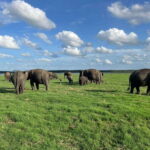
Elephants in the wild, without the full-day slog. This Minneriya half-day jeep safari packs a high chance at elephant herds into about 3–4 hours, with hotel pickup and guides who know where to look. I love the way guides (like Kumara and Vijith, based on past trips) focus on positioning you well so you can watch elephants closely while still keeping distance. I also like the added wildlife value beyond elephants, with sightings that can include crocodiles, deer, monkeys, and birds of prey. The main thing to consider is that national-park entry fees are not included, and the famous elephant gathering can bring a lot of jeeps.
You’ll start with pickup from either Habarana or Minneriya, depending on where your route begins. The trip is built for people who want big-animal action but don’t want a full day of driving and waiting. And if you’re choosing a time slot, the morning or afternoon safari can matter a lot for what you see.
One more practical note: jeeps are always a little “convoy-ish” during peak elephant moments. The best experiences come from guides who stay calm, avoid chasing, and find quieter pockets—so your driver’s style really matters.
In This Review
- Key highlights worth planning around
- Half-day timing: what you really get in 3–4 hours
- Minneriya vs Kaudulla: knowing the elephant game
- The jeep safari rhythm: how good viewing happens
- Entering Minneriya: the elephant gathering and what to watch for
- Beyond elephants: crocodiles, birds, and smaller surprises
- Pickup from Habarana or Minneriya: convenience that actually matters
- Morning vs afternoon safari: picking the right window
- Price and park fees: where the real value shows up
- Comfort and vehicle reality: what to watch before you go
- How to get the most elephants (and the best photos)
- Final call: should you book Minneriya half-day?
- FAQ
- How long is the Minneriya half-day jeep safari?
- Where do you get pickup from?
- Can I choose a morning or afternoon safari?
- Are the national-park admission fees included in the price?
- What animals might I see in Minneriya?
- Is bottled water included?
- What about breakfast—does it come with the tour?
- How large is the group?
- Do I need good weather for the safari?
- What is the cancellation window?
Key highlights worth planning around
- Elephant odds at Minneriya’s dry-season gathering: that reservoir area is famous for large herds.
- Morning or afternoon jeep safari: you can pick the time window that fits your schedule.
- Small-group cap (max 12): fewer people can mean more control over where your jeep stops.
- Wildlife beyond elephants: plan for crocodiles, monkeys, and birds of prey, not just mammals.
- Guides matter: trips with drivers like Kumara/Vijith often include calmer, smarter elephant viewing.
- Entrance fees are separate: budget for park admission by group size, since the base price doesn’t cover it.
Half-day timing: what you really get in 3–4 hours
This safari is designed like a focused hit of wildlife time. From pickup to drop-off, you’re typically looking at roughly 3 to 4 hours in the park area and in the jeep. That short window is great if you’re also doing temples or exploring the Cultural Triangle—and you don’t want to burn a whole day.
But half-day also means you should manage expectations. You’re not guaranteed a certain number of animals or a specific “perfect” scene. What you’re buying is time in the right habitat with local eyes, plus a good chance at the season’s big attraction: elephants gathering around water.
Also, your jeep time is the product. Some people get hung up on whether this feels like a “full safari experience.” It’s more practical than that: you’re there to spot animals from roads and open areas where jeeps can reach, not to trek on foot for hours.
You can also read our reviews of more tours and experiences in Anuradhapura.

Minneriya vs Kaudulla: knowing the elephant game
Minneriya is the star here. It’s a wildlife sanctuary best known for its Asian elephant population and the big gatherings during the dry season. If you’re traveling in a time when elephants are concentrating around the reservoir, your odds jump.
That said, elephant country is seasonal and flexible. Some itineraries in this region may route you to nearby parks when animals shift with water. One helpful detail from real-world experience: sometimes you may need to pay a small extra amount if the elephants are in a different reserve (for example, an extra fee around USD 10 was mentioned for Kaudulla in one case). The key is to plan your budget so you’re not stuck making last-minute decisions.
Bottom line: if you want the simplest plan, choose Minneriya. If you’re flexible and want the best chance at elephant sightings no matter where the herd goes, ask your driver how their route is likely to work on the day.
The jeep safari rhythm: how good viewing happens
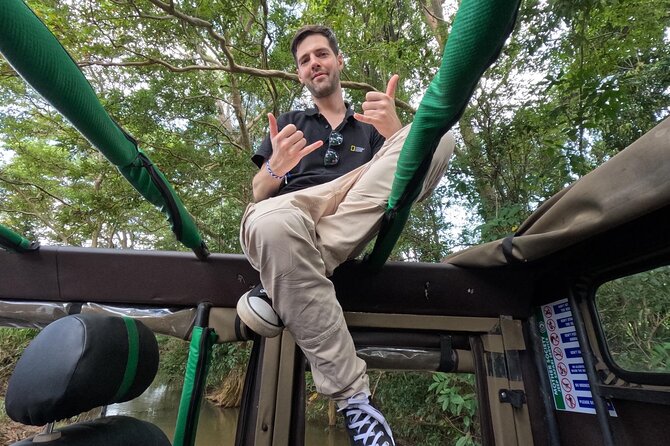
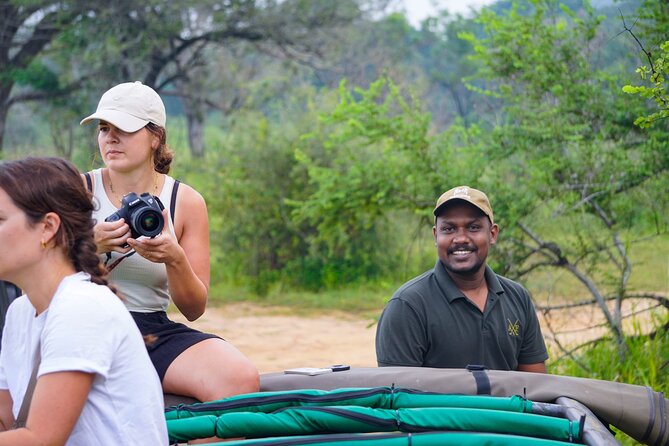
This is a 4×4 jeep safari, and the best part is often the in-the-moment “we’re here—now watch” feeling. In many successful trips, the difference is not just where you go, but how the guide drives: smooth positioning, respectful stops, and timing.
One strong theme from high-scoring experiences is “quiet spots.” Guides like Vijith were described as taking people to more secluded viewing areas, where you might not be surrounded by dozens of jeeps. Another repeated point: the elephants react to pressure. When too many jeeps rush in, the action can shut down quickly. When your driver stays patient and avoids chasing herds, you’re more likely to get calm, close viewing.
A small practical tip: watch how often you’re moving. If your jeep is constantly zooming off, you may miss real behavior. If your guide is willing to wait 5–10 minutes for the next move, that’s often when animals step into better angles.
Entering Minneriya: the elephant gathering and what to watch for
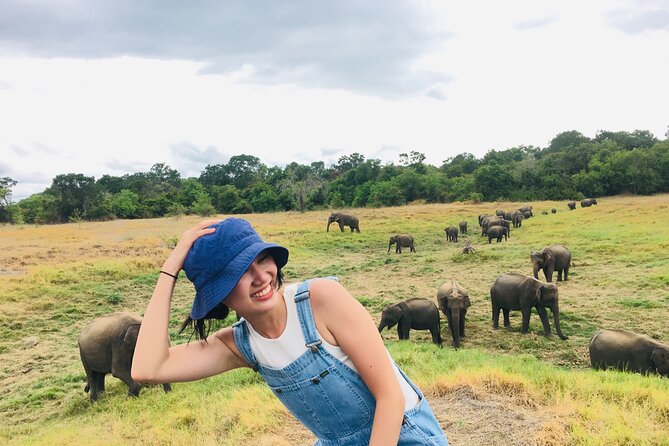
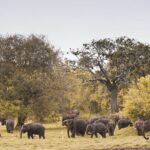
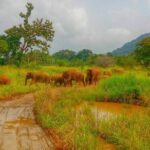
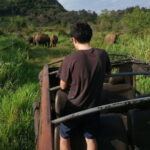
The reason Minneriya is so famous is the elephant gathering around the central water area during the dry season. In real terms, that means more elephants in a smaller radius—and a more dramatic “herds at the water” scene.
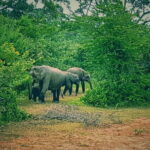
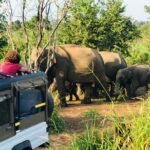
When it works, you’ll see everything from adults to babies, and you’ll also notice how elephants use space. They don’t just stand there; they shift between drinking, walking, and crossing paths. If you’re lucky, you’ll catch moment-to-moment behavior, not just a quick glance.
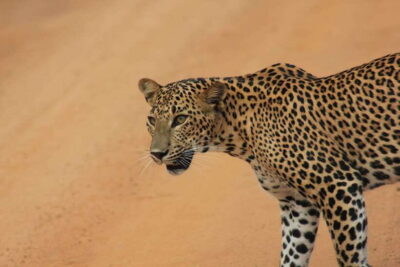
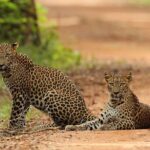
What I like about the Minneriya setup is the “range” of wildlife you might spot in the same general session. Besides elephants, the park can include leopard, deer, buffalo, monkeys, and many bird species. Even if you only end up with elephants and a couple of other sightings, it’s still a high-value use of your time.
One thing to keep in mind: the famous elephant moments are also the moments with the most jeeps. If your goal is the calmest experience, ask the driver how they manage crowd intensity during peak windows.
Beyond elephants: crocodiles, birds, and smaller surprises
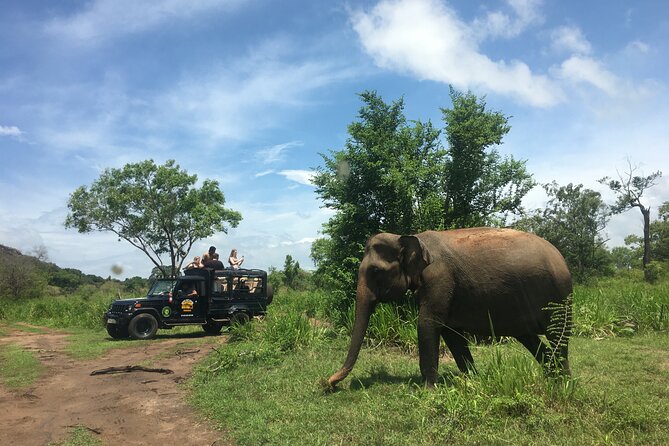
Elephants are the headline, but the good guides treat the safari like more than an elephant search. Past highlights included crocodiles and birds of prey, and people also noted peacocks, lizards, and plenty of other small wildlife while driving between elephant zones.
This is where a guide’s eye helps you. You might stop at a spot and not immediately see anything. Then the driver points out motion in bushes or scans for birds overhead. With luck, you’ll catch a crocodile near water areas and also see raptors moving across open space.
One practical photo tip: don’t only aim at the biggest animal. Birds and reptiles often give better close-up framing because they’re easier to track once you know where to look. Also, if you’re shooting elephants, try to capture “elephant in a setting” shots—because that reservoir/water context is part of what makes Minneriya special.
Pickup from Habarana or Minneriya: convenience that actually matters
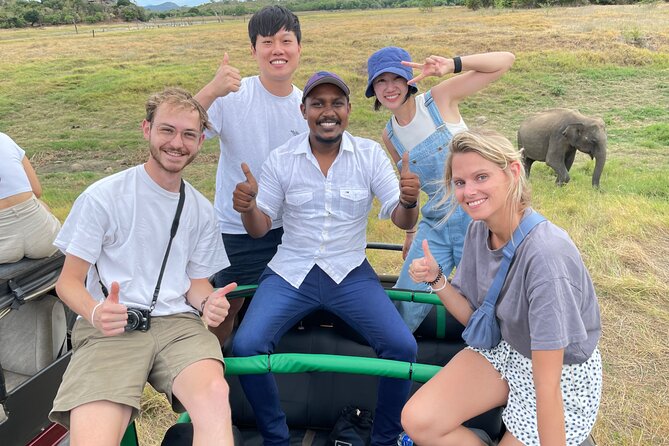
The tour includes complimentary hotel transfers from either Habarana or Minneriya. For many people, that’s the real win. You’re not trying to coordinate local transport in a time crunch, and you’re not guessing parking, timing, or how to get to jeep access points.
If you’re basing yourself in Habarana, this also keeps your day simpler. You can plan your mornings and evenings around pickup/drop-off, and spend your energy where it counts: being in the park at the right time.
Your group size is also capped at 12 travelers, which tends to help. It doesn’t guarantee a private experience, but it reduces the odds of feeling like you’re trapped in a huge crowd of strangers at every stop.
Morning vs afternoon safari: picking the right window
You can choose either a morning or afternoon jeep safari. This choice can influence your elephant luck and comfort level.
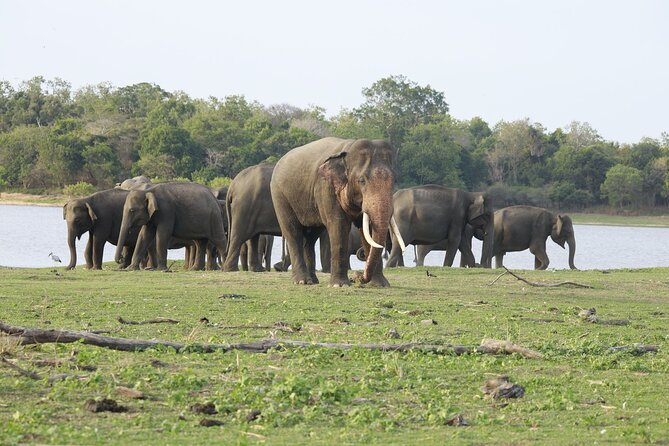
One experience that stands out: an afternoon safari ran right into the “large gathering” timing near the river/reservoir, with sightings of over 100 elephants reported. That kind of timing matters because elephants don’t act like a schedule—they move with heat, water access, and group dynamics.
Afternoon also often works well if you’re tired of early starts. Morning can be better for cooler temperatures and a more energetic wildlife pace, but afternoon can be just as rewarding when the herd is in active drinking and walking mode.
So pick based on your body clock. Just know that the “elephant gathering” reputation is strongest during the dry season, which increases the chances that whichever time you choose lines up with the herd’s movement.
Price and park fees: where the real value shows up
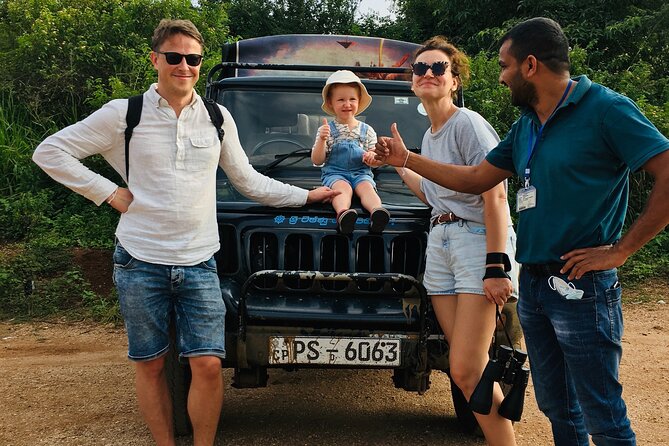
The safari price listed is USD 75.00 per group (up to 1), lasting around 3 to 4 hours. Transfers and the jeep experience are the core value. But the key budget line is the national-park admission, because that is not included.
Park entry (including tax) is priced by person/group size, for example:
- USD 45 per person
- USD 100 for 2
- USD 120 for 3
- USD 140 for 4
- USD 150 for 5
- USD 165 for 6
That means your total cost depends heavily on how many people are sharing the jeep/booking. If you’re traveling solo, park fees can make the overall spend feel steeper. If you’re traveling with 2–3 people, the per-person park value can improve.
One practical, money-saving tip from real safari advice: don’t automatically pay park entrance money to the driver. One suggestion was to wait until you get to the park so you can handle the official entry properly. That’s not just about saving—it’s about clarity and avoiding confusing arrangements on the road.
Also, check whether your timing fits how the park fees and routes are handled that day. A smooth entry can save you stress during the exact time you want to be focused on spotting animals.
Comfort and vehicle reality: what to watch before you go
Most accounts describe a comfortable jeep and a strong driver. Some of the best experiences mention safe driving, good knowledge of where to find animals, and a respectful approach—staying at a distance and not turning elephant viewing into harassment.
Still, a few lower-scoring experiences raised concerns about vehicle cleanliness or overall condition. That doesn’t mean every jeep will be rough, but it does mean you should show up with practical expectations: this is safari transportation. Bring a small sense of humor, and treat it as part of the adventure.
If you’re sensitive to comfort (or you’re traveling with mobility needs), use the booking message or pre-trip notes to ask what the vehicle will be like. Service animals are allowed based on the info provided, so that’s another detail to confirm early if it applies to you.
How to get the most elephants (and the best photos)
If you care about sightings more than checklist animals, here are the moves that tend to work:
- Pick a time slot that suits your day, then trust the guide to find the herd.
- Ask your driver to avoid crowd chasing and to stick to calmer viewing spots.
- Be patient when elephants are nearby. Sometimes they move slowly, and the best moment is when the herd changes direction.
- Bring your camera settings ready. In jeep viewing, you often shoot through distance and light glare, so quick adjustments help.
- If the elephant action is crowded at the gathering, look for the “second layer”: smaller herds moving along edges, babies closer to shaded areas, and behaviors that happen between the big drinking moments.
The biggest difference maker is how your driver behaves around elephants. Reports praised drivers for maintaining distance and not pushing animals away, which leads to better viewing and better photos.
Final call: should you book Minneriya half-day?
I’d book this if you want a compact, high-probability wildlife experience that fits into a busy itinerary. It’s especially worth it when you’re in the area already (Habarana/Anuradhapura region) and you want elephants without committing to a full day.
You should think twice if you’re on a tight budget for one person, because the park entry fees add up quickly. Also, if you’re the type who hates any hint of jeep crowding, confirm your driver’s style and be flexible: elephants can pull jeeps together fast during peak gatherings.
If you want my “best-fit” summary: this is a strong choice for couples, small groups, and anyone who values a respectful, guide-led safari over a long-distance expedition. With the right driver approach, you can come away with that classic Minneriya feeling—elephants close enough to feel real, and calm enough to watch their behavior instead of racing for a glance.
FAQ
How long is the Minneriya half-day jeep safari?
It’s approximately 3 to 4 hours.
Where do you get pickup from?
Pickup is available with complimentary hotel transfers from Habarana or Minneriya.
Can I choose a morning or afternoon safari?
Yes. You can select either a morning or afternoon jeep safari.
Are the national-park admission fees included in the price?
No. Admission Fee & tax for the national park is not included and must be paid separately (with prices listed by person/group size).
What animals might I see in Minneriya?
Minneriya is known for Asian elephants, and you may also spot crocodiles, deer, buffalo, monkeys, leopard (possible), and various bird species including birds of prey.
Is bottled water included?
Yes. Bottled water is included.
What about breakfast—does it come with the tour?
The tour package description states you get breakfast with coffee or tea as part of the package, along with bottled water.
How large is the group?
The experience has a maximum of 12 travelers.
Do I need good weather for the safari?
Yes. This experience requires good weather. If it’s canceled due to poor weather, you’ll be offered a different date or a full refund.
What is the cancellation window?
You can cancel for a full refund up to 24 hours before the experience start time.