Anuradhapura can feel huge, so having the right guide matters. This private 5-hour outing takes you through Sri Lanka’s ancient capital with Navin Lanka Tours, using a comfortable tuk tuk setup plus a friendly, story-driven English guide. You’ll move between major sacred sites and monastery areas without the usual guessing game.
What I like most is the pacing. You get time to look, take photos, and ask questions, not a frantic sprint from one gate to the next. I also love the tuk tuk lesson element, because it turns simple transport into a fun first step for exploring on your own later.
One thing to plan for: entrance tickets aren’t included. Depending on what ticket system is running at the ancient-city area that day, the add-on can be a noticeable chunk of your total cost.
In This Review
- Key things to know before you go
- A 5-hour Anuradhapura loop that actually makes sense
- How the day flows: pickup, tuk tuk ride, and a guided route
- Sri Maha Bodhi: a living focal point for questions
- Ruwanwelisaya Stupa: why big monuments deserve a story
- Jethawanaramaya: moving from worship today to archaeology
- The monastery stops: Kuttam pokuna, Abhayagiri, and more
- Ending with Thuparama Seya and a return to your hotel
- Tuk tuk lesson: small training, big payoff
- Pacing that keeps you from feeling rushed
- Navin as the engine: humor, Buddhism context, and local tips
- Price and real value: $30 plus tickets and the rest of your day
- What to bring and what to watch for
- Who should book this private Anuradhapura tour
- Should you book the Anuradhapura Private Ancient City Day Tour?
- FAQ
- How long is the Anuradhapura Private Ancient City Day Tour?
- Does the tour include hotel pickup and drop-off?
- Is the tour price all-inclusive?
- What languages are available for the guide and audio guide?
- Is this tour private?
- Are hats allowed?
Key things to know before you go
- Navin’s English plus easy orientation: explanations stay clear, and you’ll know what to focus on at each stop
- Private pace, not a conveyor belt: breaks for photos and questions keep the whole afternoon feeling human
- Tuk tuk lesson included: you’ll get guidance on how it works, and some guests even get to try driving
- A mix of active worship and archaeological areas: you see both what locals still use and what’s left behind
- Time for small comforts: water is included, and there are toilet/refreshment chances built into the flow
- Flexible routing on the ground: the guide can adjust when certain sites cost more or when crowds shift
A 5-hour Anuradhapura loop that actually makes sense
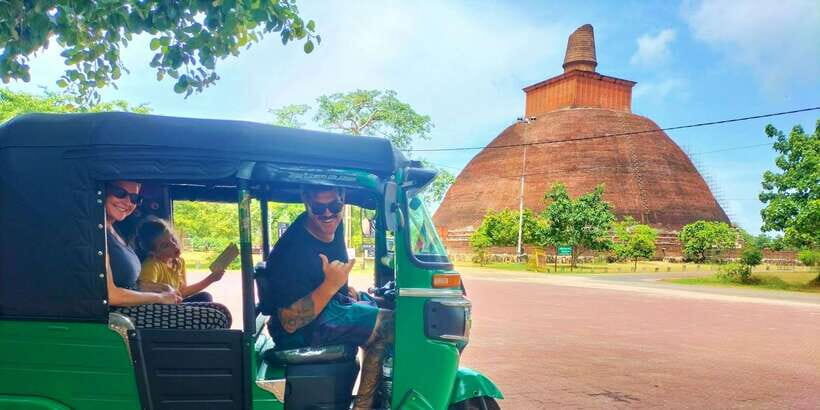
Anuradhapura was Sri Lanka’s first capital, and it’s a UNESCO World Heritage Site—so you’re stepping into a place that’s meant to be understood, not just photographed. The big win with this tour is that you’re not trying to connect the dots alone. A private guide turns the names of stupas and monasteries into stories you can remember later.
This is also a practical length. Five hours is enough time to hit the key sights, but it’s short enough that you don’t feel wrecked by heat and walking after lunch. The tuk tuk transport helps keep your energy for the moments that matter: listening, looking up at structures, and absorbing the spiritual layout of the sites.
And yes, you’ll be in sunlight. Sunscreen is a smart move, and hats aren’t allowed, so plan your sun protection accordingly.
You can also read our reviews of more tours and experiences in Anuradhapura.


How the day flows: pickup, tuk tuk ride, and a guided route

Your tour starts with pickup and then a tuk tuk day plan that keeps transfers short. You’ll wait in the hotel lobby about ten minutes before the scheduled pickup time, which keeps things running on time without you wandering around the wrong street.
Once you’re rolling, the rhythm is set up for attention spans that don’t want to sit in a vehicle for long stretches. You’ll do the guided sightseeing at each stop, typically around 25 minutes per major location, with enough transition time to stay comfortable. For me, that structure is the difference between “I saw things” and “I understood what I saw.”
Also, you’re not left without tools. You’ll have a live English guide and an English audio guide. That combination helps if you miss one detail at a quieter moment—you can still catch the context later while you’re standing there.
Sri Maha Bodhi: a living focal point for questions
Sri Maha Bodhi is one of the first places you’ll visit, and it sets the tone for the rest of the day. The benefit of starting here is simple: you get the spiritual context early, so the other sites stop feeling like random ruins.
At this stop, your guide’s job is to connect the sacred site to the broader ideas of Buddhism and Sri Lankan culture you’ll keep hearing about throughout the tour. You’ll get time to look around calmly and ask questions, which is important because sacred places can be confusing when you don’t know what you’re looking for.
The practical upside: you can get your “beginner orientation” done early—names, roles, and why these structures matter—before you move into larger stupas and monastery grounds.
Ruwanwelisaya Stupa: why big monuments deserve a story
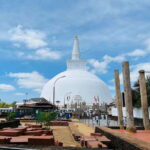
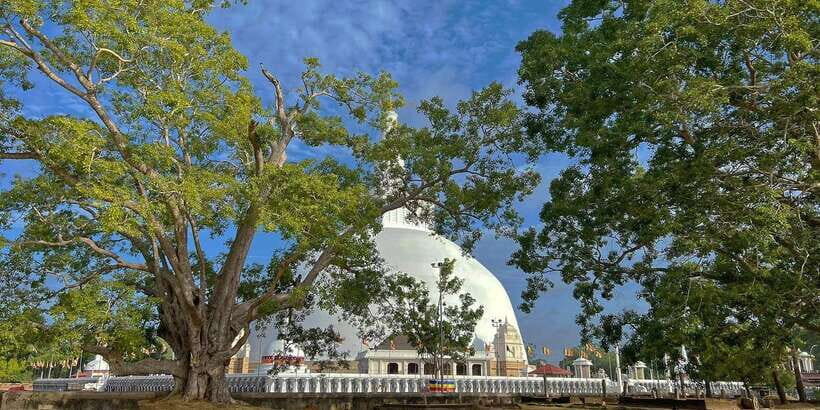
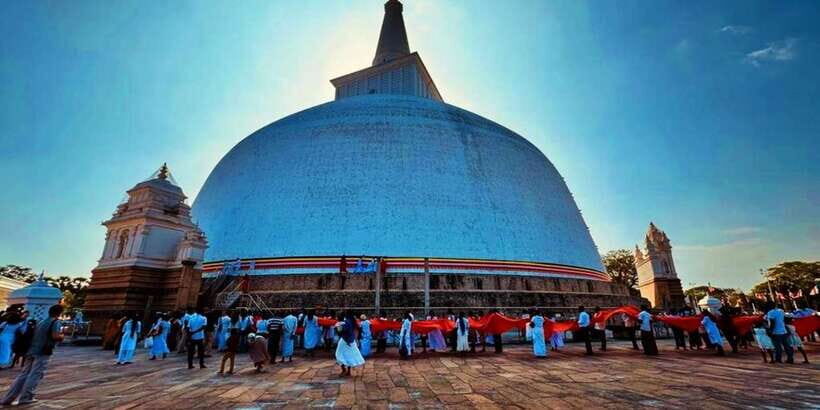
Next up is Ruwanweli Maha Seya. Big stupa sites can look similar at first glance if you’re rushing, but a guided visit helps you notice what makes each one feel distinct in how people use and respect it.
The tour keeps the stop short enough to stay manageable, but long enough to do two things well: observe the main structure and understand the meaning behind it. This is one of the places where the guide’s storytelling really earns its keep—especially if you’re curious about Buddhism beyond the basics.
If you love symbolism or want to understand why architecture and religion are tightly connected here, this is a key stop.
Jethawanaramaya: moving from worship today to archaeology
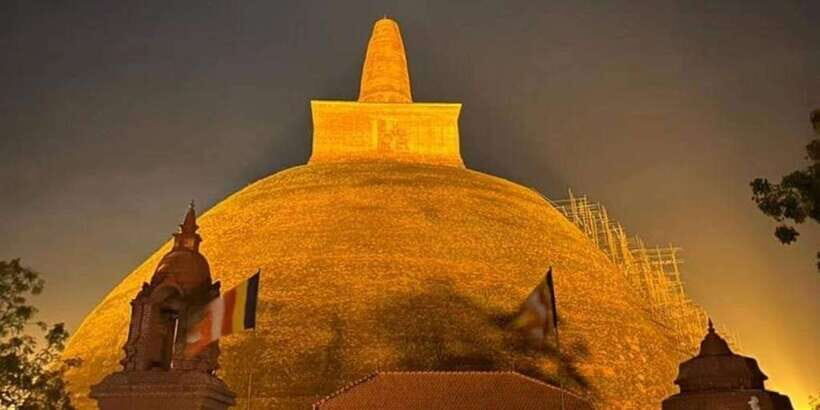
After Ruwanwelisaya, you’ll head to Jethawanaramaya. This is a moment where the tour’s mix of active worship sites and older archaeological areas starts to click.
The value isn’t only seeing ruins. It’s learning how to interpret them: what you’re looking at, how it connects to the monastic world, and how the spiritual landscape of Anuradhapura shaped daily life. Your guide is good at answering questions on the spot, including how Buddhist ideas show up in modern Sri Lanka.
Also, the pace here matters. At larger historical sites, it’s easy to feel like you’re staring at stones. With guidance, you can shift from “Where is this?” to “What was the purpose?”





The monastery stops: Kuttam pokuna, Abhayagiri, and more
The mid-to-late part of the tour is where monastery areas and smaller features keep the day from turning into one giant stupa photo session.
You’ll visit places like:
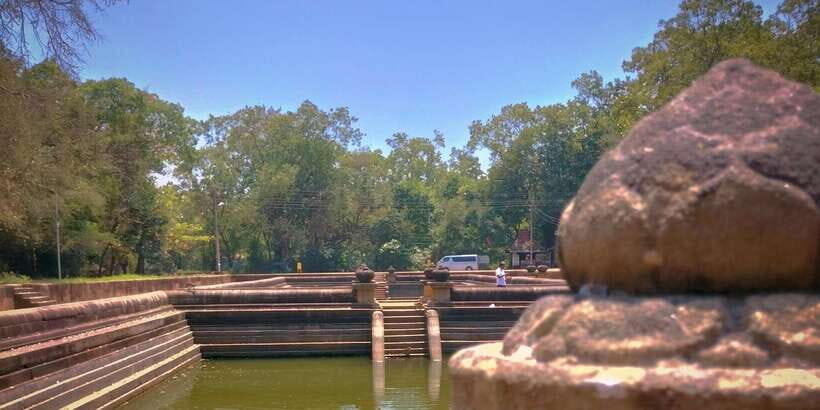
- Kuttam pokuna (a guided stop with time for photos and explanations)
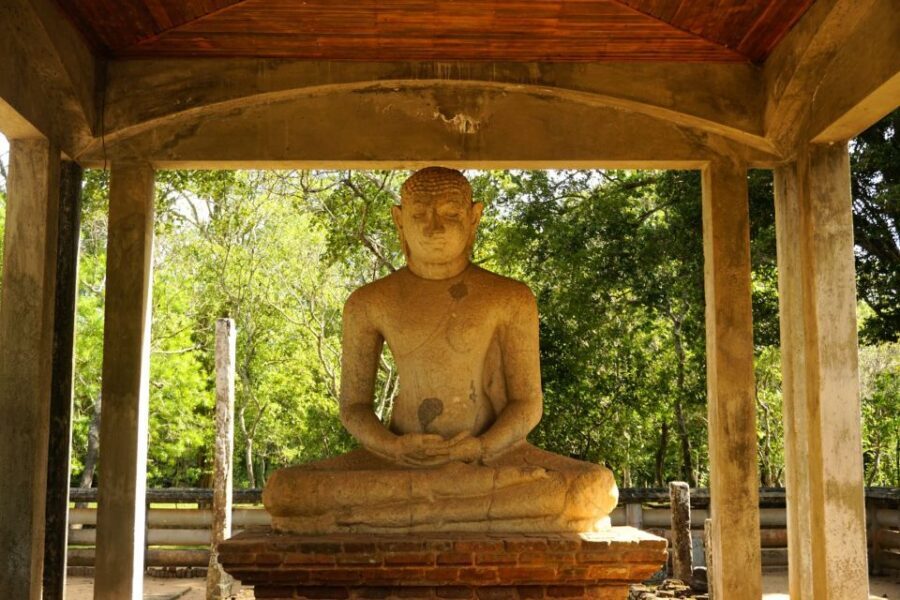
- Samadhi Buddha Statue (another focused, short guided viewing)
- Abhayagiri Vihara and then the Main Refectory of Abayagiri Monastery
- Elephant Pond
- Anuradhapura Moonstone
- Muragala (Guard Stone)
- Thuparama Seya
Here’s why this section is so valuable: it gives you the “everyday monastery world,” not just the headline monuments. Even when each stop is only around 25 minutes, the guide’s role is to help you recognize patterns—how these sites support worship, study, and community life.
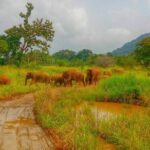
One more useful detail from the experience: the guide can point out wildlife too, like birds for you to spot while you move between areas. That’s not guaranteed everywhere, but it’s a nice reminder that these ruins aren’t isolated in time; they sit inside a living environment.
Ending with Thuparama Seya and a return to your hotel
By the time you reach Thuparama Seya, the day has built a clear mental map. You’re seeing not only what’s famous, but how each site fits into a larger religious and historical layout.
Then the tour wraps with the return to Anuradhapura, and the plan includes getting you back to where you started from. With five hours total, you should still have energy left to eat, cool down, and explore independently if you want.
Tuk tuk lesson: small training, big payoff
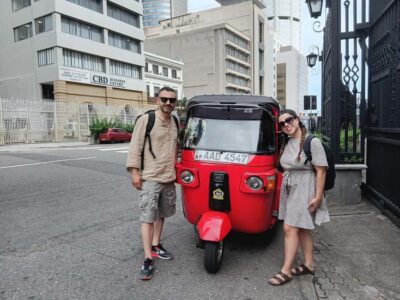
The tuk tuk lesson is included, and it matters more than it sounds. When you’re new to tuk tuks, getting comfortable with how to ride, where to sit, and what to watch for can make your next couple of days in Sri Lanka easier.
In practice, this tour uses the tuk tuk as a moving classroom. Some guests also mention being able to try driving, which is a fun break from standing and listening. Either way, you’ll leave with a better sense of how transport works here—so you’re not stuck negotiating from scratch later.
It’s also a comfort factor. Short hops between sites mean less fatigue, and your legs get more time for viewing rather than constant walking.
Pacing that keeps you from feeling rushed
The strongest praise for this tour comes from how the day is paced. The route is structured—key stops, guided viewing, transport between them—but it’s not a speed-run.
That matters because Anuradhapura isn’t one of those places where you can absorb everything in a single glance. You’ll want a little extra time for photos, and you’ll want the guide to answer questions when curiosity hits. This tour is set up for that rhythm.
There’s also a small human touch to how the guide runs the day. In some cases, the guide can make adjustments for conditions on the ground, including crowd surges on poya days. Guests also mention coffee breaks and the presence of light snacks and drinks, plus toilet opportunities during the outing.
So even though it’s a short day, it feels less like a checklist.
Navin as the engine: humor, Buddhism context, and local tips
This is a private tour, and that changes everything. Your guide isn’t just translating names—he’s shaping what you take away.
Navin Lanka Tours gets repeated praise for English that’s clear and easy to follow, plus explanations that connect Buddhist philosophy with what you see in the sacred sites. If you’re interested in how Buddhism influences Sri Lankan culture today, you’ll likely appreciate how the stories are framed.
The humor helps too. One guest specifically mentioned a playful rendition of the theme song from Game of Thrones during the day, which sounds like a small detail until you realize it keeps the mood light while you’re handling emotionally serious spiritual sites.
After the tour, Navin also shares local travel tips via WhatsApp, which can save you time when you’re trying to decide what to do next in the region.
Price and real value: $30 plus tickets and the rest of your day
The listed price is $30 per person for the private guided tour with transport by tuk tuk, plus a guide, water bottles, and an English audio guide. For a five-hour private outing in a UNESCO zone, that’s usually a solid value—especially because you’re paying for interpretation, not just transportation.
But you do need to understand the ticket situation. Entrance tickets are not included in the tour price. One review notes that the foreigner entrance fee for the ancient city was currently around US$30 per person, which means your total could be closer to the neighborhood of US$60 per person if you’re paying that same fee.
That doesn’t automatically make the tour “expensive.” It just means you should budget for it as a two-part cost:
- tour price (guide + transport + water)
- site entrance tickets (separate)
If you like learning from someone who can answer questions and help you read the meaning behind what you’re seeing, the guide cost can feel like it pays off fast. If you only want photos and don’t care about explanations, you might question the value.
What to bring and what to watch for
Bring:
- Passport
- Comfortable shoes
Don’t wear hats. Sun protection is important because the tour happens in daylight. Sunscreen is explicitly encouraged, and it’s practical advice for any Anuradhapura itinerary.
Also note the age suitability. It’s not suitable for people over 95 years, which is worth taking seriously if you’re traveling with older family members.
Who should book this private Anuradhapura tour
This tour is a great fit if:
- you want a private guide and don’t want to manage route planning yourself
- you care about Buddhism context and how it shows up in the sites
- you’re visiting for a limited time and want a smart “key sights” day
- you’d like an easier way to move between monuments using tuk tuk transport
You might skip it if:
- you only want to wander independently and don’t want to pay for interpretation
- you’re not interested in religious and historical explanations and prefer silent visits
Should you book the Anuradhapura Private Ancient City Day Tour?
If you’re heading to Anuradhapura and you want your time to feel organized, understandable, and friendly, I’d book this. The biggest advantage is the private guide experience with strong English, plus the tuk tuk lesson and a pace that gives you time to absorb what you’re seeing.
Just budget for entrance tickets since they’re separate. If you do that math, this tour is a straightforward way to get real context in a single afternoon rather than trying to stitch the story together alone.
FAQ
How long is the Anuradhapura Private Ancient City Day Tour?
It lasts 5 hours.
Does the tour include hotel pickup and drop-off?
Yes. Pickup is included, and you wait in the hotel lobby about 10 minutes before the scheduled time.
Is the tour price all-inclusive?
No. Tourist entrance tickets are not included.
What languages are available for the guide and audio guide?
The live tour guide is English, and the audio guide is also in English.
Is this tour private?
Yes. It’s a private group tour.
Are hats allowed?
No, hats are not allowed on this tour.