Wilpattu can feel like a wildlife scavenger hunt. You get a naturalist-guide and a private safari jeep approach, plus the park’s famous sand-rimmed lakes, called Willus, which often shape where animals show up.
I like that the guide doesn’t just drive. You also get help reading the habitat—flora, water, and tracks—so the safari feels more like learning the park than just waiting for something to happen.
One thing to keep your expectations grounded: leopards aren’t guaranteed. Even with a top leopard reputation, sightings depend on timing and chance, and at least one experience ended with only a fleeting look.
In This Review
- Key highlights worth your attention
- Wilpattu National Park and the Willus lakes that steer the whole safari
- The start at the park gate: pickup radius, private group, and how the timing works
- Naturalist-guided spotting: what the guide does beyond the windshield
- Inside the jeep loop: Willus lakes, animal variety, and how the park reads
- Leopards in Wilpattu: great odds, not a guarantee
- Price and value: what $51 covers (and what it doesn’t)
- Practical tips for getting the best experience on the day
- Who should book this Wilpattu safari with a naturalist?
- Should you book this Wilpattu 4-hour safari?
- FAQ
- How long is the Wilpattu safari?
- Is pickup and drop-off included?
- What’s included in the tour price?
- Are entrance fees included?
- Is the tour private?
- What wildlife might I see?
- What happens if the weather is bad?
- What is the cancellation policy?
- Is there mobile ticketing and confirmation?
Key highlights worth your attention
- Willus lakes: sand-rimmed natural water basins that define the park’s wildlife pattern
- English-speaking naturalist-guide: added context for animals and plant life, not just spotting
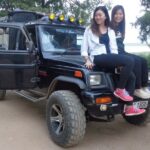
- Private safari jeep: your group goes through the loop with driver control and photo stops
- Free pickup/drop-off within 5 km of the park gate: easier start if you’re close
- Leopard focus with realistic odds: a strong target species, handled thoughtfully by the guide
Wilpattu National Park and the Willus lakes that steer the whole safari
Wilpattu National Park sits in Sri Lanka’s northwest lowland dry zone, about 30 km west of Anuradhapura and around 26 km north of Puttalam (roughly 180 km north of Colombo). It’s huge for Sri Lanka—1,317 square kilometers—and covers elevations from 0 to 152 meters, which helps explain why animal behavior can look different from one part of the park to another.
What makes Wilpattu special is the presence of Willus, natural lakes formed in sand-rimmed depressions that fill with rainwater. There are nearly 106 of these lakes and tanks spread across the park, and that matters because animals tend to cluster where water exists, especially in a dry-zone setting. For your safari, it means you’re not just searching randomly—you’re traveling through a landscape where water points can act like magnets.
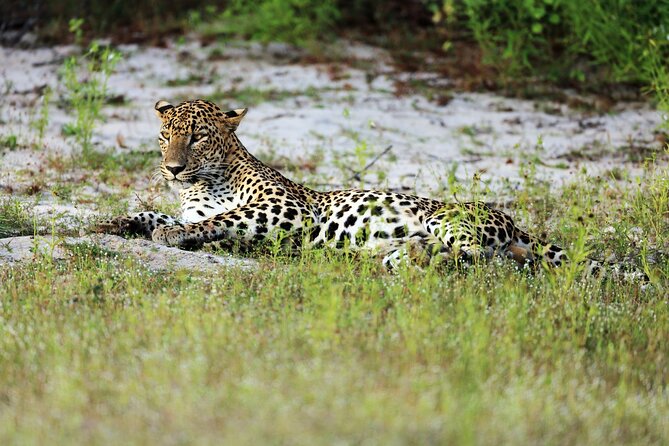
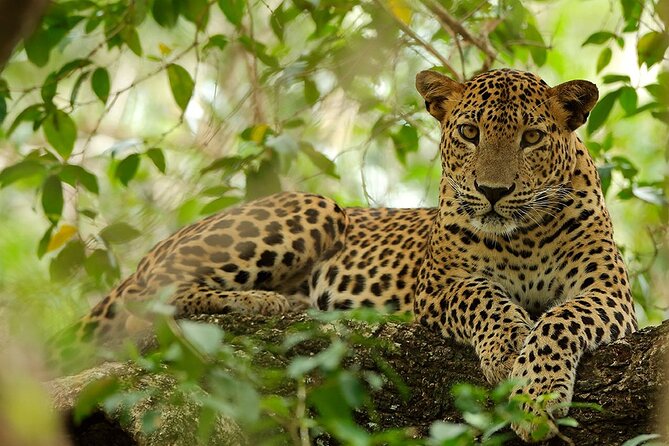
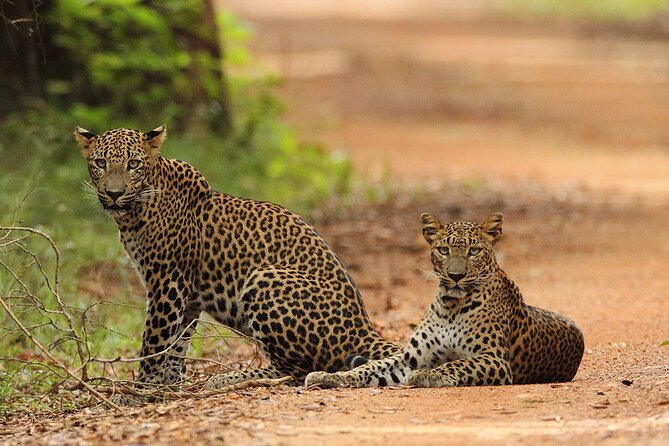
Wilpattu is also well known for leopards (specifically Panthera pardus kotiya). It’s one of Sri Lanka’s oldest and largest parks, and camera-survey data from 2015 reported 49 individual leopards in the surveyed area, with core density described as between Yala’s Block I and Horton Plains. That doesn’t promise sightings, but it does explain why leopards remain the headline target.
You can also read our reviews of more tours and experiences in Anuradhapura.

The start at the park gate: pickup radius, private group, and how the timing works
This safari is built around your group heading to the park entrance area and then going out on a jeep loop. If you’re within a 5 km radius of the park gate, you get free pickup and drop-off, which is a big deal in practice. It reduces hassle and helps you lose less time to local driving logistics.
The tour is described as a private activity—only your group participates. That matters because it typically means fewer interruptions and less time waiting on other people. One review also highlighted that the company arranged a private transfer when requested, which signals they try to keep your start smooth even when plans are flexible.
Duration is listed as about 3 hours. In the real world, you’ll likely feel this as “safari time” rather than a long all-day outing. Since Wilpattu is about patience and animal movement, a shorter session can be a plus (less fatigue) or a frustration (less time to wait). Your guide helps manage expectations so you know what you can and can’t control.
Naturalist-guided spotting: what the guide does beyond the windshield
The core value here is the naturalist-guide—an English-speaking guide who helps you spot creatures and also notice flora (plants) as you go. On safari, that’s the difference between seeing a random animal versus understanding why it’s there and what else might show up nearby.
A smart thing to know: the guide actively sets expectations, including the simple truth that leopard sightings aren’t always possible. That honesty changes the vibe. Instead of treating every pause as a failure, you can treat the drive as an ongoing search for evidence—calls, movements, water use, and signs in the habitat.
The safari also includes an experienced driver, and reviews show the driver can adapt to make the loop efficient. In one case, the group was about 20 minutes late due to a taxi mix-up, and the driver—named Pasindu in the feedback—worked to complete the 4-hour loop in about 3 hours and still show the animals the group wanted to see. That kind of problem-solving is not guaranteed anywhere; it’s a strong sign of competence.
Photo time is part of the routine. One review specifically praised the way the team stopped for picture-taking, and that’s key because good safari photos often require patience and a stable stop, not just a quick drive-by.
Inside the jeep loop: Willus lakes, animal variety, and how the park reads
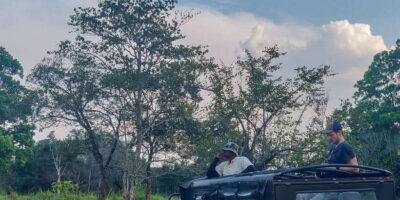
What you experience is a jeep ride around Wilpattu designed for wildlife viewing. The tour highlights natural lakes and a safari loop, so you should picture your time as a sequence of driving, scanning, and short pauses—especially around water.
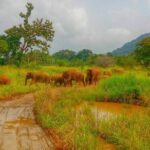
Willus lakes are the story drivers here. In a dry-zone park, water often concentrates animal activity, which means your guide has a strong reason to look in the direction of these natural lake basins. Even when the big cat doesn’t show, the park can still deliver strong sightings because the same water points support many species.
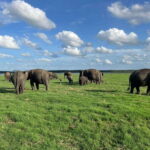
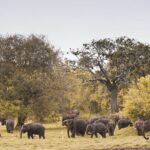
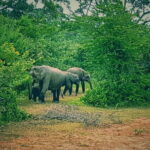
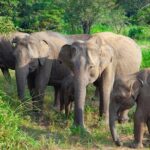
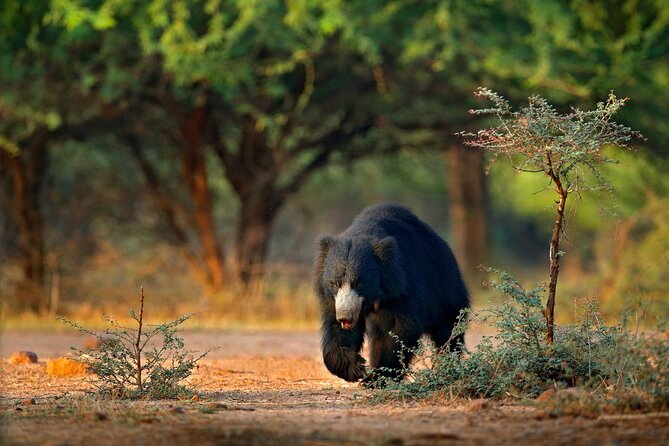
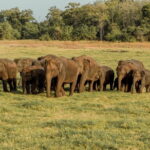
From the feedback provided, the range of animals you might spot includes crocodiles, elephants, bear, varans, and a lot of birdlife. One person also described seeing multiple animal types in the same general session, which is exactly the kind of “not just one species” payoff you want on a shorter safari.
One practical note: the leopard target can be more hit-and-miss than people expect, even with a top park. In one experience, the group saw a leopard for only about 5 seconds. It’s frustrating, but it also illustrates why a naturalist guide helps you stay engaged—because there’s still plenty of wildlife and habitat detail to observe while you’re waiting.
Leopards in Wilpattu: great odds, not a guarantee
Wilpattu’s reputation for leopards isn’t marketing fluff. The park is known for a protected leopard population, and the 2015 remote camera survey recorded 49 individual leopards in the surveyed area, plus core density compared to other famous parks in Sri Lanka. That gives you context: you’re visiting a place where leopards exist in enough numbers that a guide can reasonably plan for them.
But the key is how the guide handles the uncertainty. Reviews note that the guide explains you might not see a leopard even if everything goes right. That is valuable because it prevents disappointment from turning into stress. Safari success isn’t always measured by whether you get a clear view of the big cat; sometimes it’s measured by the calm ability to keep scanning, listen, and appreciate other wildlife signals.
So when you come, aim for a leopard. Just don’t structure your whole day around it. If you treat the leopard as the main goal and the rest of the park as the backup plan, you’ll enjoy the drive more.

Price and value: what $51 covers (and what it doesn’t)
The price is $51 per person, and it’s commonly booked about 32 days in advance. That timing matters because wildlife-focused safaris can fill up when the weather is good, so planning ahead usually helps.
You do get a lot for this rate: transport by a private safari jeep, a water bottle per person, and an English-speaking naturalist-guide plus an experienced driver. You also get free pickup/drop-off within the 5 km radius of the park gate, which can meaningfully reduce extra transport costs.
Two cost items to understand clearly:
- Entrance fees for jeep-only bookings are not included and need to be paid in cash.
- Food and beverages aren’t included, and there’s no mention of meals being part of the safari package.
That’s why the value question becomes: are you ready for a short, guided wildlife outing with an extra cash pocket for entrance fees and your own food plan? If yes, the price looks fair for the private jeep + guide combo. If you expect the price to cover every single park cost automatically and you want a full meal included, then you’ll feel squeezed.
The listing also mentions mobile tickets and group discounts. You won’t see those benefits unless you’re in the right booking situation, but the structure suggests they’re set up for smooth access and occasional cost savings for groups.
Practical tips for getting the best experience on the day
This safari rewards people who stay flexible. Wildlife timing controls a lot, and a leopard might show up—or not. Your guide’s job is to help you make the most of every pause, and the feedback you provided shows the team does stop for pictures and actively works to cover what the group wants to see.
Here’s how to prepare based on what’s actually included and what isn’t:
- Bring enough cash for entrance fees since they’re paid in cash.
- Don’t assume you’ll get food on board—food and beverages aren’t included.
- Plan to coordinate pickup if you’re inside the 5 km radius; outside that radius, hotel pickup/drop-off isn’t included.
- If you need help adjusting plans, one review mentioned WhatsApp communication felt relaxed. Having that channel ready can reduce stress if taxis are late or schedules shift.
One more mindset tip: if you only get a brief view of a big animal, don’t treat it like a lost cause. On a park like Wilpattu, quick sightings can still be exciting, and the naturalist-guide angle helps you interpret what you’re seeing in the moment.
Who should book this Wilpattu safari with a naturalist?
This is a good fit if you want more than a drive through the trees. You’ll likely enjoy it most if you value an English-speaking guide who can explain what you’re seeing—especially Willus lakes, plant life, and animal behavior patterns tied to water.
It’s also a strong choice for people who like the private-group feel. The tour is private (only your group), so you aren’t stuck waiting behind a mix of strangers and competing interests. If you’re traveling in a small group and want a more focused safari session, this setup makes sense.
On the flip side, if your main goal is a guaranteed leopard sighting, this isn’t the right match. The park’s leopard presence is real, but sightings depend on timing. The best approach is to book with the leopard as your top hope, not your only metric of success.
Should you book this Wilpattu 4-hour safari?
I’d book it if you’re excited by the idea of Wilpattu’s Willus lakes and you want expert help spotting animals rather than guessing on your own. The combination of private jeep transport, an English-speaking naturalist-guide, and a driver who can adapt to timing issues gives you a solid shot at a memorable safari within a short time window.
I’d hesitate only if you need fully included costs (entrance fees and food) with zero planning on your part, or if you’ll feel crushed by the possibility that the leopard view might be brief or missed. If you can handle that reality—and you’re open to the full range of wildlife—this tour looks like good value.
FAQ
How long is the Wilpattu safari?
The duration is listed as about 3 hours (approx.). The experience name may suggest a longer window, but the included safari time is roughly in that 3-hour range.
Is pickup and drop-off included?
Free pickup and drop-off are included only within a 5 km radius of the park gate. Hotel pickup/drop-off isn’t included if you’re outside that radius.
What’s included in the tour price?
You get transport by a private safari jeep, an English-speaking naturalist-guide, an experienced driver, and a water bottle per person.
Are entrance fees included?
Entrance fees for jeep-only bookings are not included and are paid in cash.
Is the tour private?
Yes. It’s described as private, meaning only your group will participate.
What wildlife might I see?
The information and feedback point to leopard as a key target. Reviews also mention sightings such as crocodiles, bear, birds, varans, and elephants.
What happens if the weather is bad?
This experience requires good weather. If it’s canceled due to poor weather, you’ll be offered a different date or a full refund.
What is the cancellation policy?
Free cancellation is available. You can cancel up to 24 hours in advance for a full refund, but cancellations within 24 hours are not refunded. Cut-off times use local time.
Is there mobile ticketing and confirmation?
You’ll receive confirmation at booking, and the tour includes mobile ticketing. It’s also noted to be near public transportation.