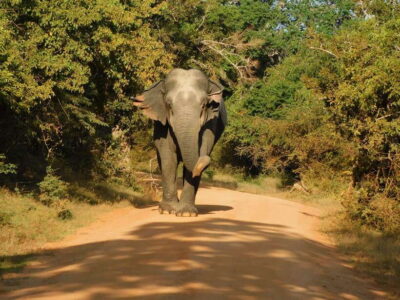
A few hours can feel like real wildlife time. This Kaudulla National Park elephant safari is built around seeing elephants where they actually gather, with a guide who helps you understand what you’re looking at.
I especially love the chance to spot lots of elephants in one area at Kaudulla Tank, then watch them feed, bathe, and move naturally. I also really appreciate that you get an English-speaking driver who keeps the trip running smoothly from pickup to drop-off.
One thing to plan for: park entry tickets aren’t included, so you’ll need to budget a bit more on top of the $35 price.
In This Review
- Key highlights at a glance
- From Sigiriya to Kaudulla Tank: a 4-hour plan that doesn’t waste time
- Inside the Kaudulla safari jeep: where you’ll actually spot animals
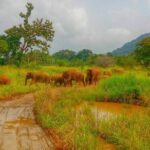
- The Kaudulla Tank moment: why elephants gather here
- Other wildlife options: what you might see besides elephants
- The guide impact: why elephant explanations make the safari better
- What you’re really paying for: value of the $35 safari
- Timing and light: make your elephant photos easier
- Responsible wildlife tourism: what it means on the ground
- Who should book this Kaudulla elephant safari?
- Should you book this Kaudulla elephant safari?
- FAQ
- FAQ
- How long is the Kaudulla National Park elephant safari?
- Do I get hotel pickup and drop-off?
- Is the Kaudulla National Park entry ticket included in the price?
- What vehicle do we use in the park?
- Will I have an English-speaking guide or driver?
- Is this tour private group available?
- Where is this safari located?
- When are elephants most likely to be seen in big numbers?
- What is the cancellation policy?
- Can I reserve now and pay later?
Key highlights at a glance
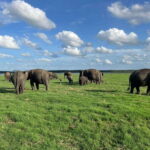
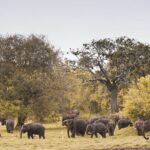
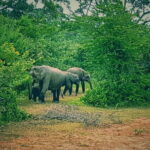
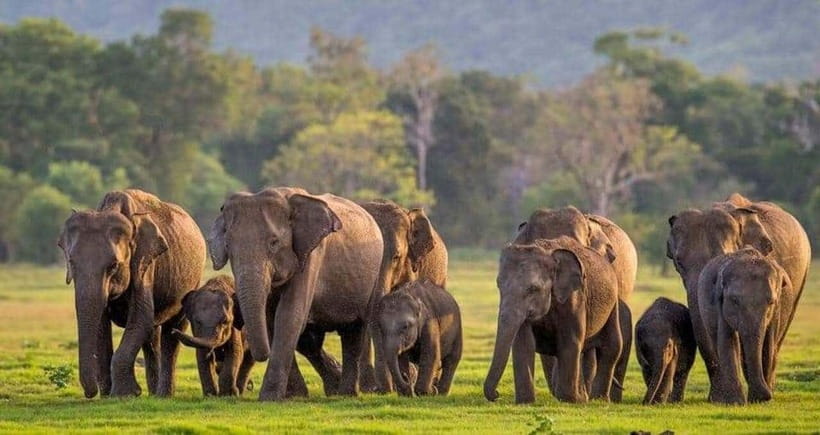
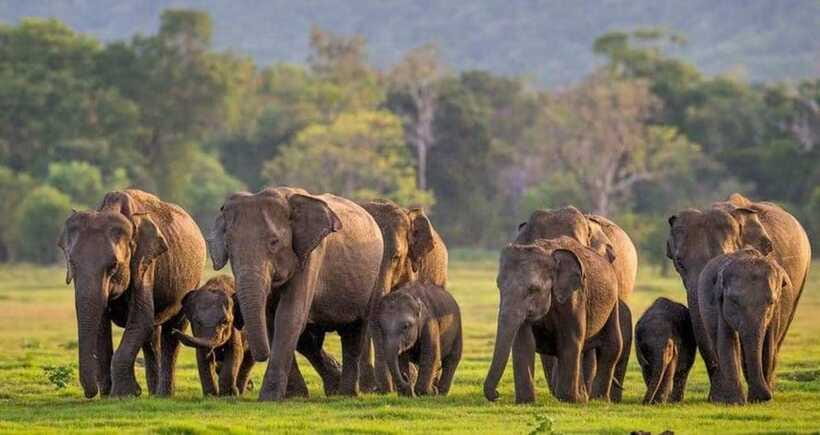
- Hundreds of elephants around Kaudulla Tank (best when it’s dry and water is scarce elsewhere)
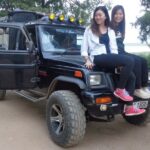
- 4×4 safari jeep for better wildlife viewing
- English-speaking guide who explains what you’re seeing, especially about elephants
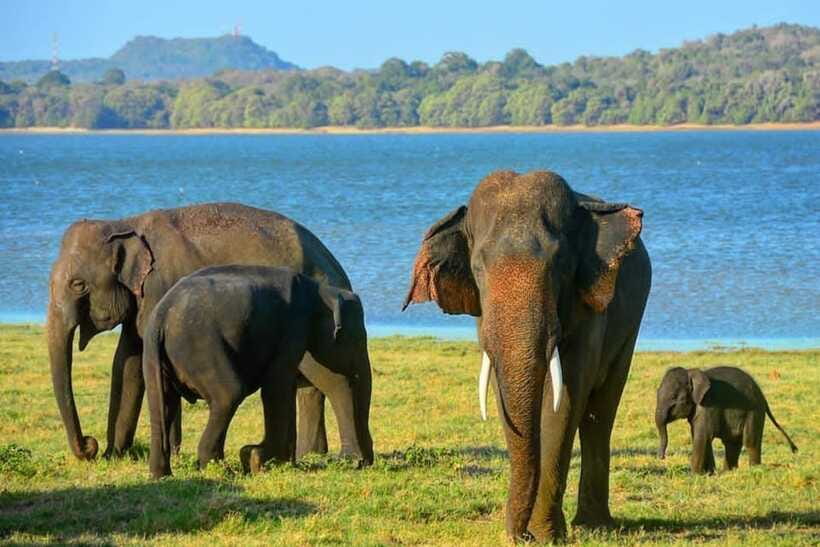
- Photo-friendly moments with elephants bathing and feeding in the open
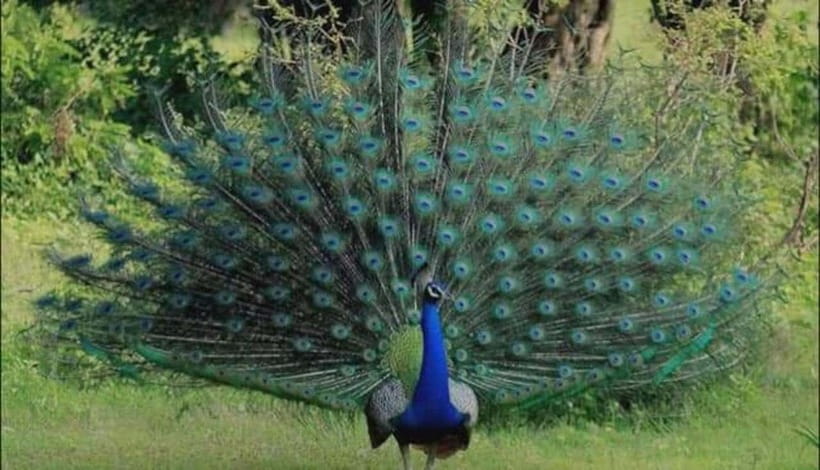
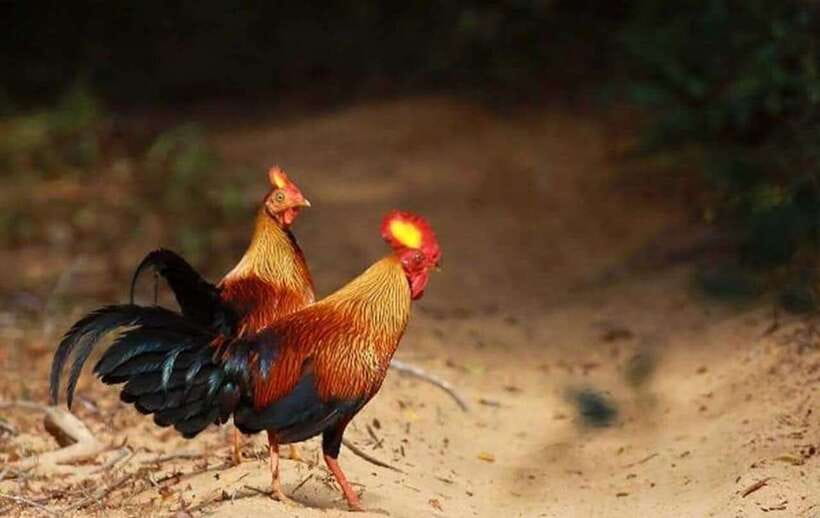
- Other wildlife may show up like sambar deer, leopards, and lots of birds
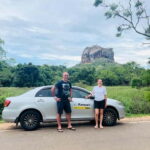
- Easy logistics from Sigiriya with hotel pickup and drop-off included
From Sigiriya to Kaudulla Tank: a 4-hour plan that doesn’t waste time
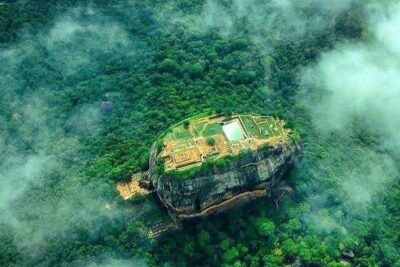
This is a 4-hour safari built for people who want a strong wildlife hit without turning the day into a travel marathon. You start with hotel pickup, then get a scenic drive through North Central Province toward Kaudulla National Park. The ride matters more than you’d think: it sets you up for a calmer start, and it gets you into the park area at the right time to look for wildlife activity.
Once you arrive, you switch from road travel to safari travel. You’ll board a 4×4 safari jeep, which is the right vehicle for this kind of wildlife watching. It’s not just about comfort—it’s about visibility and the ability to move through the park in a way that gives you a realistic shot at spotting animals.
The overall feel is simple: go in, search and watch, enjoy the main elephant hotspot, then head back as the light turns softer. That pacing is a good fit if you’re already doing other things in Sri Lanka and don’t want your schedule swallowed by a long day out in the bush.
You can also read our reviews of more tours and experiences in Anuradhapura.


Inside the Kaudulla safari jeep: where you’ll actually spot animals

A jeep safari works because you’re not stuck waiting in one spot. Your guide helps you move through the park to find wildlife, and that guidance is what makes the outing feel more than just a drive where you hope for the best.
Here’s what you can expect during the safari portion:
- Your experienced guide points out flora and fauna you might miss on your own
- You keep scanning for elephants first, since Kaudulla is known for elephant gatherings
- You also look for other wildlife, including animals like sambar deer, and birds overhead
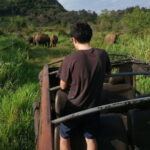
About the elephants: your best odds come from understanding their routine. Kaudulla Tank is the big magnet, and when elephants are working around water, you get a chance to see the full range of natural behaviors—feeding, bathing, and social movement. That’s the stuff that turns a sighting into a memory.
Also, don’t ignore the birds. The sky action can be constant, and birds often help you “read” the habitat. Even if elephants are quieter for a stretch, you can still get plenty of visual payoff.
The Kaudulla Tank moment: why elephants gather here
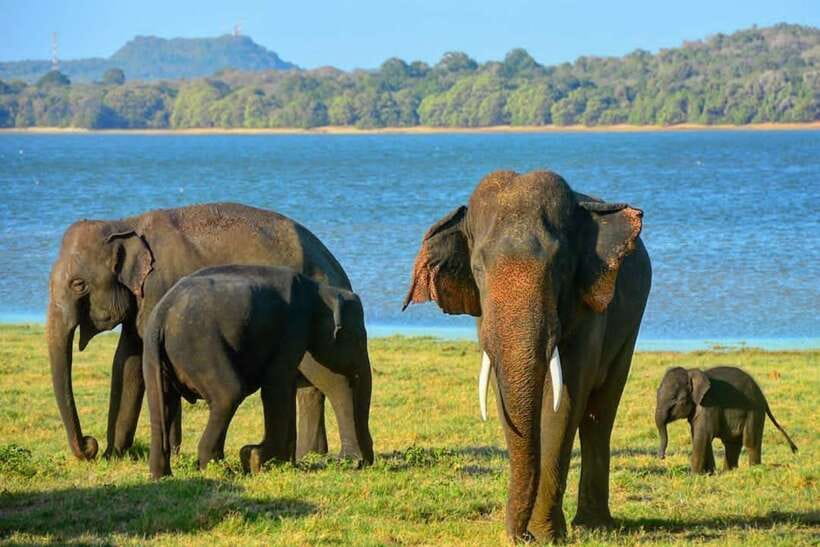
Kaudulla National Park has a special reputation for elephant viewing because of one key feature: Kaudulla Tank. During the dry season, elephants congregate around the tank more intensely because water is harder to find elsewhere. That’s exactly the kind of environmental timing that wildlife tours can’t create—but you can benefit from.
When elephants are gathered at water, the behavior is typically more visible. Instead of one elephant slipping through the distance, you can get a concentration of animals in one area. That’s why this safari is so popular for first-timers who want a big, unforgettable wildlife experience.
What you’ll look for during the peak elephant activity:
- Elephants coming in and out of the water
- Feeding and changing positions as groups mingle
- Bathing moments that create great photo opportunities
If you’re the type of traveler who wants more than a single photo, this is the right setup. Watching behavior unfold—rather than just spotting silhouettes—adds meaning to the whole day.
Other wildlife options: what you might see besides elephants
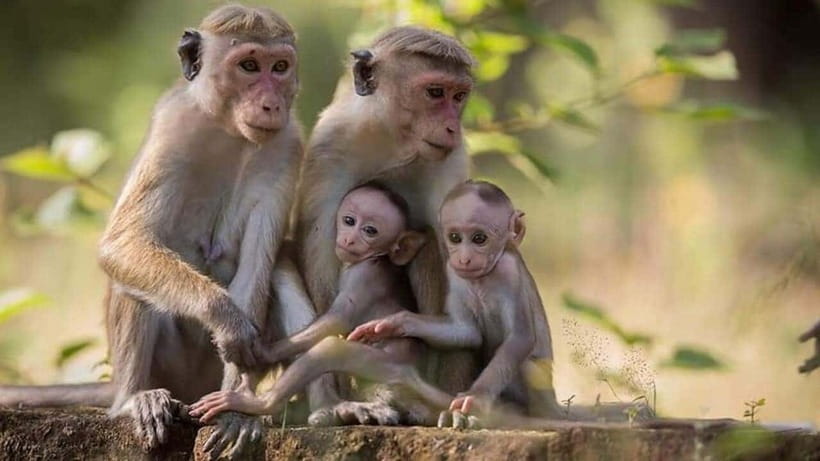
Elephants are the headline, but Kaudulla can surprise you with extras. The safari experience is described as a place where you may spot wildlife such as sambar deer and leopards, along with a range of bird species.
A quick reality check: Sri Lankan national parks are wild, so sightings are never guaranteed. Still, the way the safari is structured—going by jeep with an experienced guide actively looking—improves your odds compared to a self-drive situation where you might not know where to look.
Here’s how to think about it for planning:
- Expect elephants to be your main target.
- Treat other animals as bonus.
- Focus on scanning technique: check tree lines, open edges near water, and bird movement overhead.
This approach keeps the day fun, even if a leopard doesn’t show itself during your time window.
The guide impact: why elephant explanations make the safari better
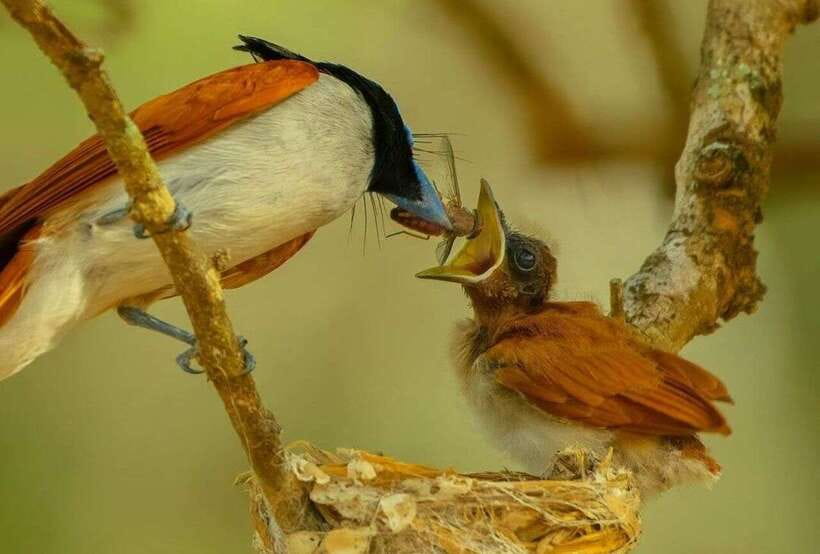
I’d call this one of the best parts of the experience. The elephant viewing isn’t just about seeing big animals; it’s about understanding what you’re watching. An English-speaking driver/guide helps connect the dots—why elephants are gathered where they are, and what behaviors mean in a real-life habitat.
That matters because it changes how you watch. When you can place an action in context—feeding vs. moving vs. bathing—you stop treating the safari like a checklist and start experiencing it like a living system.
You’ll also get helpful interpretation of the park environment, since the guide points out local flora and fauna. That turns the drive and the search into part of the entertainment, not wasted time.
And based on feedback about the experience, communication and transport feel well handled. That’s important in Sri Lanka, where a smooth start and clear timing can make the difference between a relaxed day and a stressful one.


What you’re really paying for: value of the $35 safari
On paper, $35 for a 4-hour guided safari from Sigiriya with hotel pickup and drop-off sounds like solid value. In practice, it’s about what’s included.
You get:
- Hotel pickup
- Hotel drop-off
- An English-speaking driver
- A jeep safari within the national park area
What’s not included:
- Kaudulla National Park entry tickets
So the math looks like this: you’re paying primarily for transportation, the guided experience, and access that comes with a structured tour package. You’ll need to add the park entry cost separately.
If you’re traveling with limited time, this package still makes sense because it removes the need to figure out timing, driving logistics, and coordination on your own. It’s less hassle, and that matters when you want the day to feel enjoyable rather than like an admin task.
Timing and light: make your elephant photos easier
You don’t need special gear to take good photos here, but timing helps. The safari experience is described as including a return as the sun sets, and that kind of late-day light often makes wildlife viewing and photography more rewarding.
A few practical tips that fit this kind of tour:
- Keep your camera accessible during the key elephant periods around the tank area
- Expect close action more than once, since elephants can shift positions and re-group
- If you’re photographing, prepare for moments when elephants move together—those are usually the most dramatic sequences
Also, remember that elephants can surprise you with their pace and sound. Stay attentive when the guide calls your attention to a change in activity, not just when you see movement for the first time.
Responsible wildlife tourism: what it means on the ground
The experience is framed as a responsible wildlife tour that supports sustainable tourism. I can’t promise any one operator will manage wildlife encounters exactly the same way, but the good news is that your best wildlife experience generally depends on respectful behavior: staying safe, keeping space, and not treating animals like attractions.
In a practical sense, responsible tourism is what allows you to enjoy animals behaving naturally. When elephants aren’t disturbed, you get better behavior to watch—and usually better photo moments too.
Who should book this Kaudulla elephant safari?
This tour is a strong match if:
- You want major elephant viewing without spending all day traveling
- You prefer a guided setup with an English-speaking driver
- You’re staying around Sigiriya and want an organized way to reach Kaudulla
- You care about understanding wildlife behavior, not just collecting photos
It might be less ideal if:
- You need a long safari day. This one is 4 hours, so you’re in-and-out.
- You’re trying to plan everything around a very specific animal other than elephants. Elephants are the focus; other wildlife is a bonus.
Should you book this Kaudulla elephant safari?
If your top goal is elephants—and you’re okay with adding park entry tickets on top of the $35—you should strongly consider booking. The structure is built around the main reason Kaudulla is famous: elephants gathering at Kaudulla Tank, especially in the dry season when water draws them in.
For my money, the deciding factors are the ones that get emphasized in the experience itself: seeing a lot of elephants, plus the fact that the guide helps you make sense of what you’re seeing. Add in the smooth hotel pickup and drop-off, and you get a safari day that feels efficient, not rushed.
FAQ
FAQ
How long is the Kaudulla National Park elephant safari?
The tour duration is 4 hours.
Do I get hotel pickup and drop-off?
Yes. Hotel pickup and hotel drop-off are included.
Is the Kaudulla National Park entry ticket included in the price?
No. Entry tickets are not included.
What vehicle do we use in the park?
You’ll board a 4×4 safari jeep for the safari portion.
Will I have an English-speaking guide or driver?
Yes. The driver is listed as English speaking.
Is this tour private group available?
Yes. Private group availability is offered.
Where is this safari located?
It’s in Sri Lanka’s North Central Province at Kaudulla National Park, as you’re starting from Sigiriya.
When are elephants most likely to be seen in big numbers?
The elephants are especially concentrated around Kaudulla Tank during the dry season.
What is the cancellation policy?
Free cancellation is offered up to 24 hours in advance for a full refund.
Can I reserve now and pay later?
Yes. The experience offers reserve now & pay later, with pay nothing today.