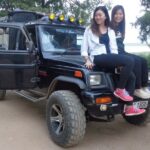
Elephants pull you toward Minneriya. This private jeep safari is built around elephant sightings at the park’s water reservoirs, and you also get a comfortable private jeep with an English-speaking guide focused on getting you good views. My only caution: there’s at least one reported case where the operator took someone to a different eco park instead of Minneriya, so confirm your exact destination before you roll.
I like that you can choose a morning or evening safari, because the park feels different when the light and wildlife rhythms change. You’re in the field for about half a day, starting with pickup from the park entrance area and then settling into a guided game drive with planned stops for photography.
In This Review
- Private Jeep Safari in Minneriya: the big draw is elephant time
- What 4 hours in a Minneriya private jeep really gives you
- Choosing morning or evening: how to match the safari to your day
- Meeting point and getting in fast: pickup within 3km
- Inside Minneriya: game drive style with planned viewing breaks
- Elephant viewing around the reservoir: how to get the best photos
- Wildlife you can realistically look for: deer, buffalo, peacocks, birds
- Comfort and rules that make the safari better
- Price and value: what you pay for at $35 per person
- The one thing to confirm: you’re actually going to Minneriya
- Who should book this safari, and who should skip it
- What to bring (and what to leave at home)
- Should you book this Minneriya private jeep safari?
- FAQ
- How long is the Minneriya National Park private jeep safari?
- Is this safari private or shared?
- Do I get a choice between morning and evening?
- What animals can I expect to see?
- Is pickup included, and how far is it from the park entrance?
- Are park entrance fees included in the price?
- What’s included in the tour besides the jeep?
- Is it allowed to touch animals during the safari?
- Is this safari suitable for everyone?
Private Jeep Safari in Minneriya: the big draw is elephant time
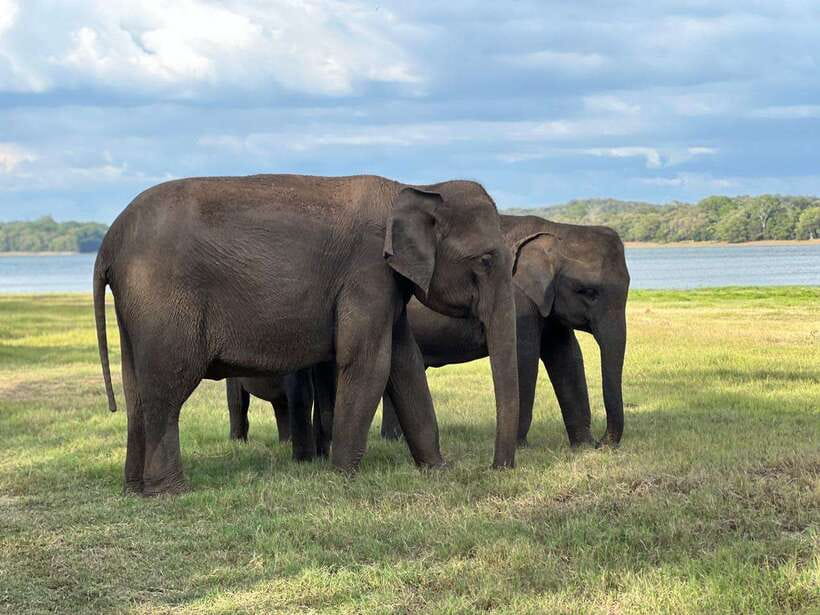
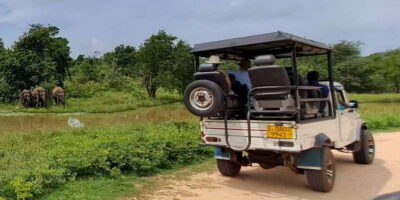
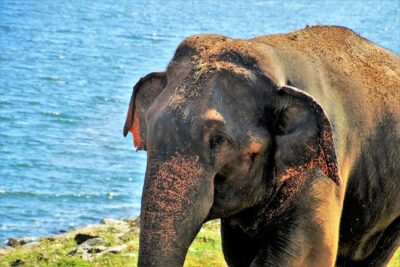
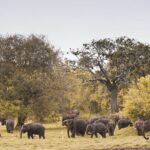
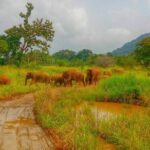
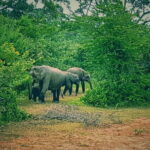
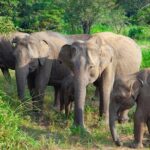
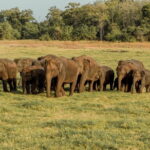
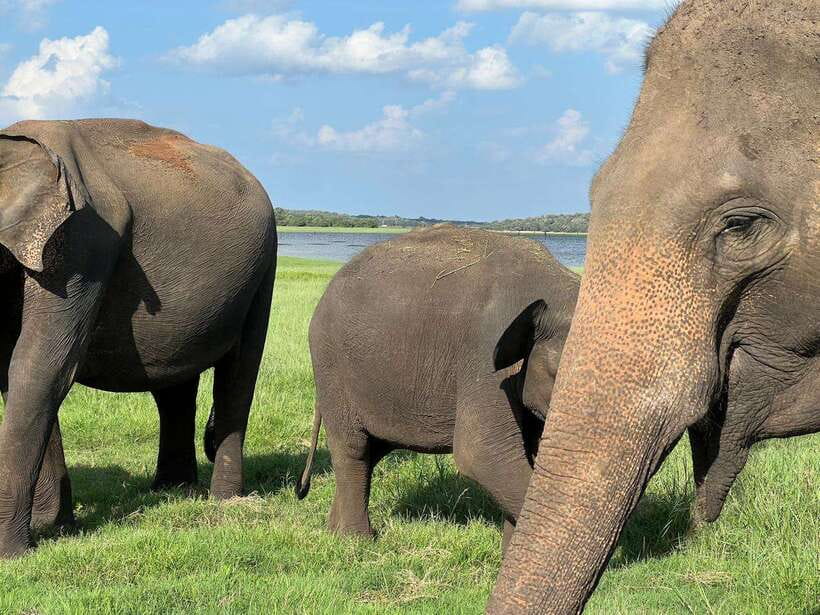
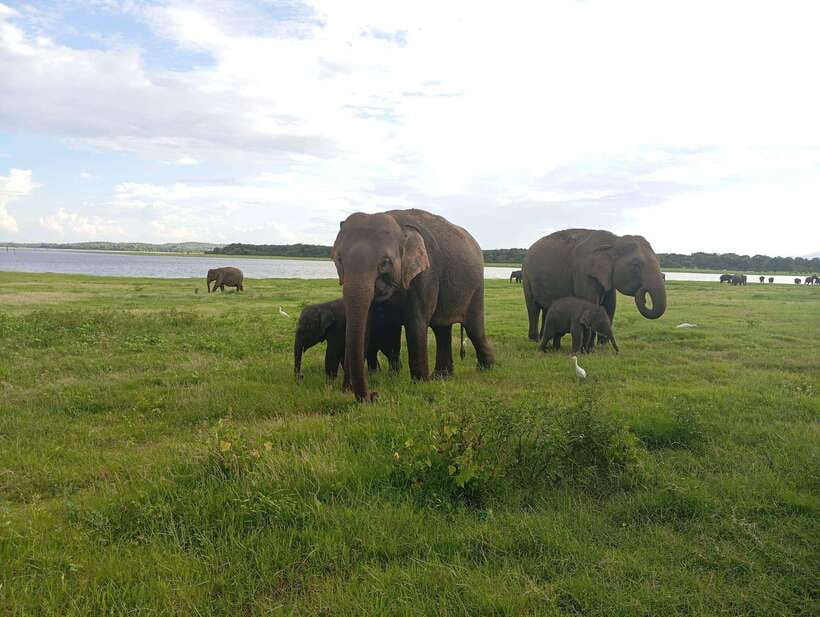
If you’re going to Minneriya, you’re usually going for the same thing: elephants. The tour is structured around where they’re often spotted—near the park’s water reservoirs. That matters, because it’s not just about driving around and hoping. You’re guided to the areas that give you the best odds of seeing elephants in their natural routine.
And elephants aren’t the only story. During the ride you can also spot deer, wild buffalo, and peacocks, plus plenty of birdlife. The guide’s job is to help you read what’s happening in the scrub and grass so you don’t miss the small motion that turns into the big sight—like a deer stepping out, or a peacock changing position just enough to make a great photo.
One more thing I appreciate: the safari includes pauses for photography around the reservoir areas. That’s where a lot of people get their best shots, but it’s also just where you get a break from the driving, sit for a moment, and actually watch the scene unfold.
What 4 hours in a Minneriya private jeep really gives you
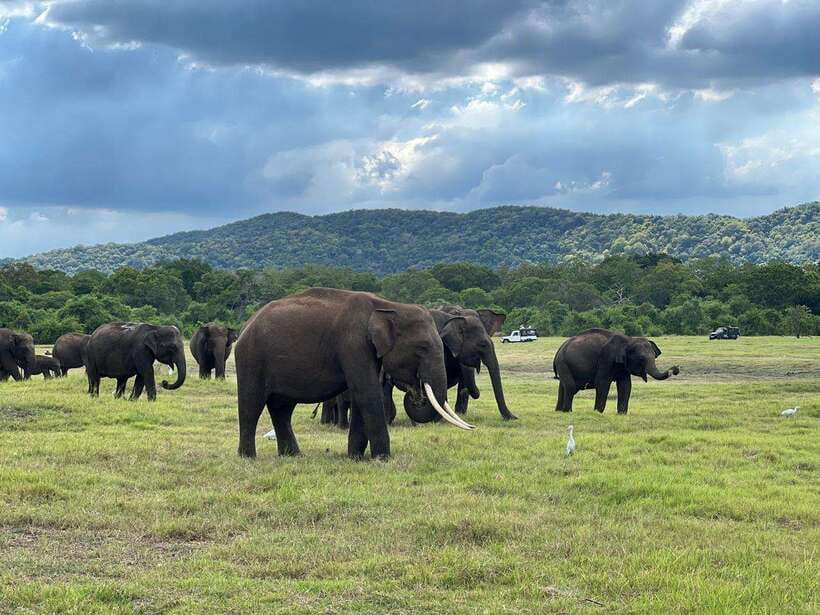
This is a private group safari, so you’re not stuck listening to a dozen competing plans. A comfortable jeep/SUV means you can focus on the viewing, not the ride. The experience runs for about four hours, with short in-and-out driving (a brief transfer time at the start and again when you return).
The flow is simple:
- Meet near the park entrance area (with free pickup and drop-off for up to 3km).
- Get into the park for photo stops and a guided game drive.
- Spend the core time watching wildlife and soaking in the reservoir scenes.
- Head back after the final stretch of viewing.
Here’s why I think that time window works: you’re there long enough to have real viewing chances, but not so long that you feel cooked by heat, dust, and sun. Wear the right clothing and you’ll likely feel energized by the end, not wiped out.
You can also read our reviews of more tours and experiences in Anuradhapura.
Choosing morning or evening: how to match the safari to your day
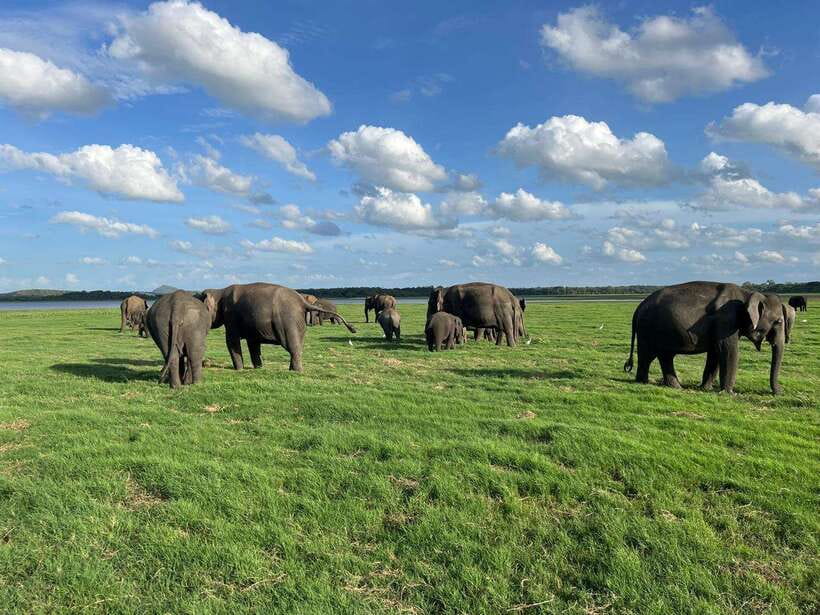
You can pick either a morning or evening safari. That choice matters because it changes:
- The light for photos
- The feel of the park (quieter vs. busier)
- How you experience the day—cooler early, warmer late, depending on the season
I don’t promise which exact animals you’ll see at which time, because wildlife timing is never that tidy. But you will get a different atmosphere, and photographers usually care a lot about that. If you want softer light and fewer crowds, morning is often the easier bet. If you prefer a slower end-of-day vibe and dramatic sky tones for photos, evening can be a great match.
If you’re flexible, I’d choose based on your travel schedule. If you’re not flexible, choose the slot that lets you arrive rested, with sunscreen already on.
Meeting point and getting in fast: pickup within 3km
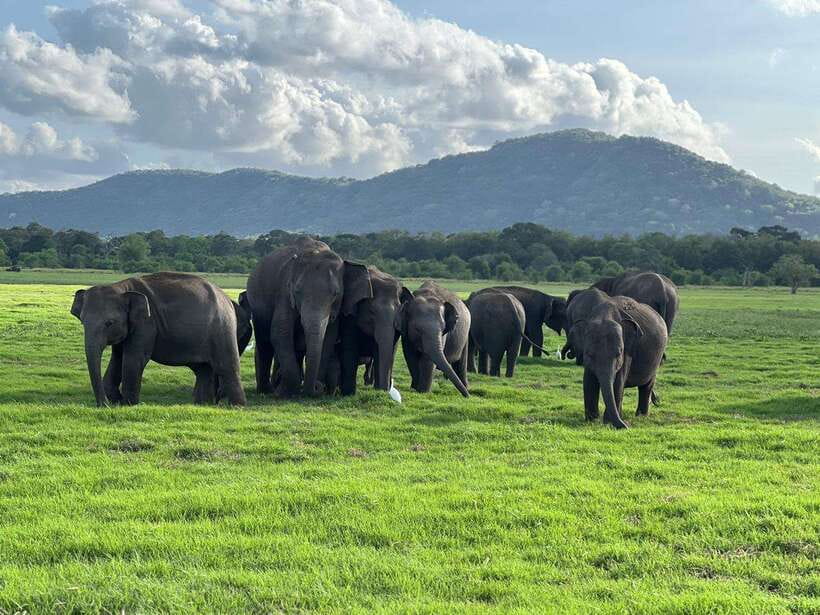
Your start is straightforward. The pickup and drop-off are free, but only for a limited radius: up to 3km from the park entrance area. That’s a detail worth respecting, because it affects how smooth your morning (or evening) goes.
Plan to be ready at the entrance pickup point with your camera, hat, and sunscreen. After a short jeep drive (just minutes), you’re into Minneriya National Park for the main part of the safari—photo stops, guided viewing, and the game drive.
Practical note: since entrance fees are not included, you’ll want to be prepared to pay those separately. The safari includes your private jeep time, an experienced guide, and bottle water, but you’ll handle park entry costs on your side.
Inside Minneriya: game drive style with planned viewing breaks
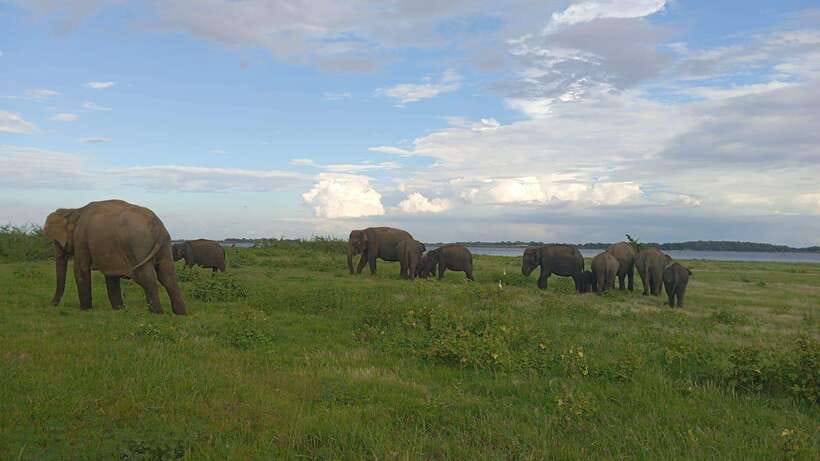
Once you’re in the park, expect a guided circuit built around wildlife viewing. The tour description is clear that this isn’t a random drive. You’ll have a guided experience with:
- Photo stops
- Guided tour elements
- Game drive and wildlife viewing
The most important viewing theme is water. The guide takes you to reservoir areas where elephants often gather. That helps explain the safari’s rhythm: you don’t just pass through; you pause, look, and shoot when the moment lines up.
Between the elephant focus, there’s also the smaller-stuff payoff. This park is a place where you can spot a mix of animals in different parts of the scene—deer appearing at the edges, wild buffalo moving through open areas, and peacocks showing up when they feel like it. Birdlife is part of the deal too, so don’t keep your eyes glued to the biggest animals only.
Elephant viewing around the reservoir: how to get the best photos
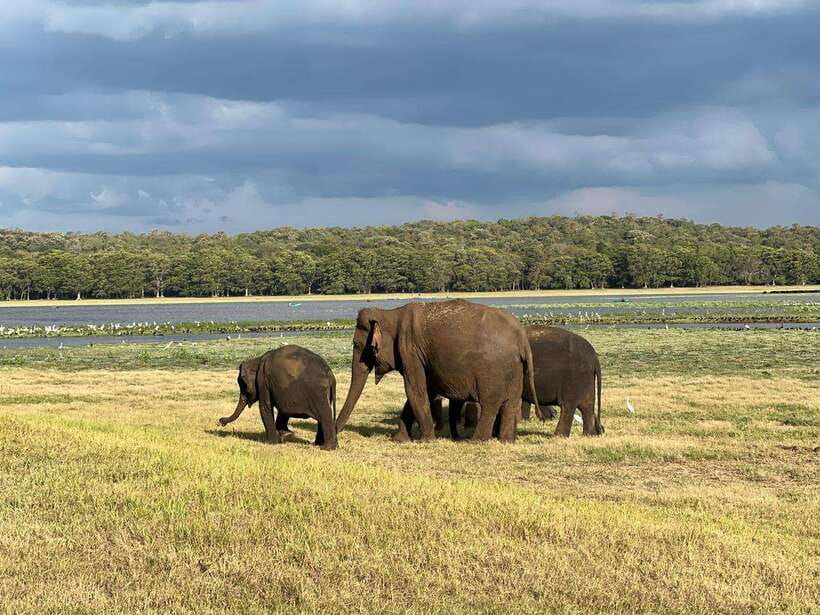
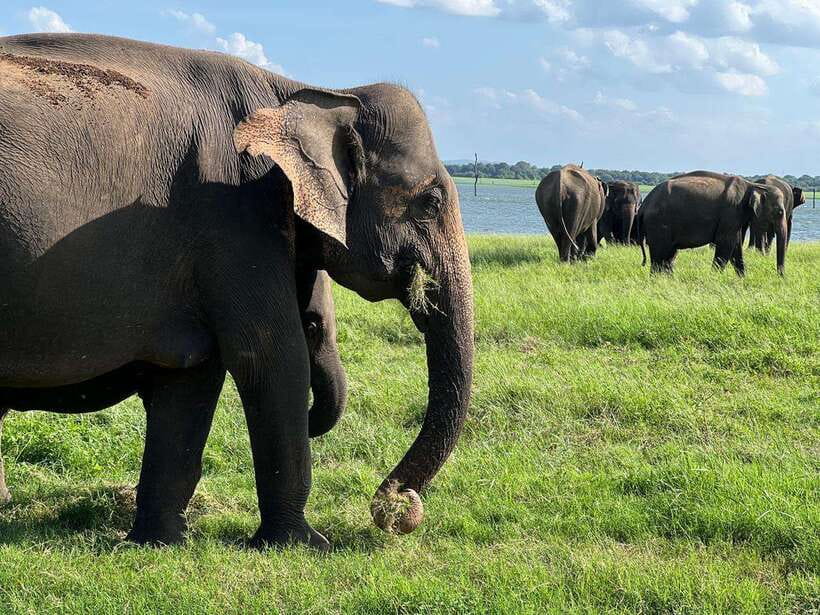
Elephants are the star, and the setup helps. The tour specifically points to elephants around the park’s water reservoirs, and you’ll have time to pause at picturesque spots for photography.
For your photo strategy, think like this:
- Stay patient during elephant moments. If the animals shift, wait for the new angle instead of sprinting for a different spot.
- Keep your camera ready. The best shots often come when you notice subtle movement first.
- Use the planned pauses as your shooting windows. Don’t burn your time while the jeep is moving.
Also remember the rules: touching animals isn’t allowed. That’s not just a safety rule—it’s part of why elephant viewing can feel respectful and calm. You’ll have a better chance of watching behavior unfold naturally if you keep your distance and let the animals do their thing.
And yes, it’s a photo safari, but it’s also quiet watching. After enough time in a jeep, the best moments aren’t the loud ones—they’re the ones where the whole reserve seems to hold still for a second.
Wildlife you can realistically look for: deer, buffalo, peacocks, birds
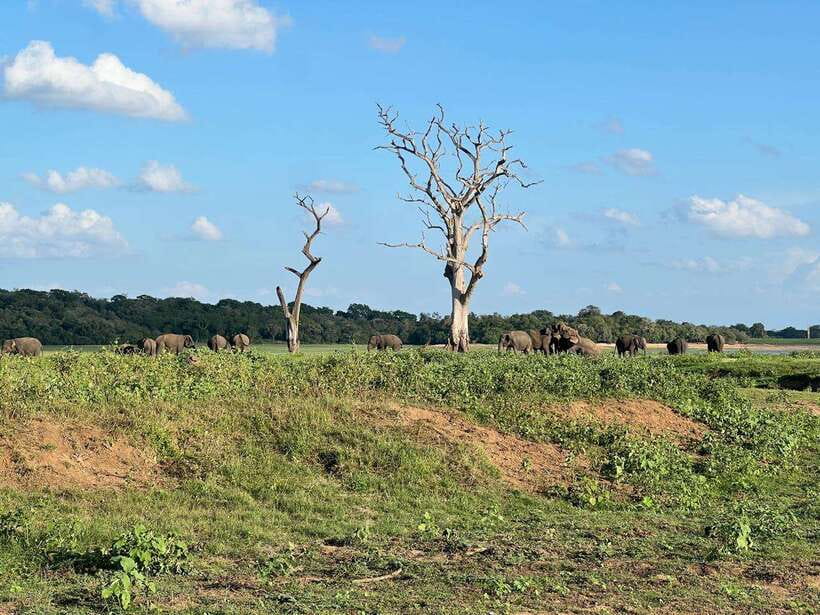
You’re not going to be able to guarantee every sighting, but the tour is built to search for a known set of animals. Based on what the safari highlights, here’s what you should keep an eye out for:
- Elephants near water reservoirs
- Deer moving through thinner vegetation and open edges
- Wild buffalo in open ground or around active areas
- Peacocks that may appear suddenly and then stay long enough for a few solid shots
- Diverse bird species throughout the drive and viewing stops
The guide matters here. One reason this safari stands out in real feedback is that the best guides work hard to get viewing angles even when there are plenty of vehicles around. In one review, the guide Sarath was specifically praised for doing everything possible to give the group great views despite the number of cars.
That tells you what you should look for in your own guide energy: scanning, timing, and patience. If your guide seems rushed, ask yourself if you’re going to get the viewing style you want—or if you should adjust your expectations and focus on the big moments only.
Comfort and rules that make the safari better
A private jeep safari sounds simple, but comfort can make or break your experience. This one includes a bottle of water, and the jeep/SUV setup is meant to keep things comfortable during a half-day in the park.
You’ll also want to follow the basics:
- Bring comfortable shoes (you’ll likely stand and shift for photo moments)
- Bring a hat and sunscreen (sun can be intense)
- Bring your camera (you’ll get opportunities for wildlife and reservoir scenes)
- Don’t touch animals
That last rule is a big deal for animals’ comfort and for your safety. It also keeps the safari feeling less chaotic. Wildlife viewing gets better when everyone behaves like an observer instead of a participant.
Weather can vary, so dress in layers if you tend to run cold or warm easily. The safari is outdoors, and you’re there for several hours.
Price and value: what you pay for at $35 per person
At about $35 per person for a four-hour private jeep safari, the value mostly comes down to what’s included versus what you add on.
Included:
- Private jeep safari
- Experienced guide
- Bottle water
- Free pickup/drop-off near the park entrance area (up to 3km)
Not included:
- Entrance fees to the national park
- Food and drinks
So here’s my practical take: you’re paying for guided private access and dedicated jeep time. If you’re comparing to group safaris, this private format can be worth it because you get a better chance to match the viewing pace to your group and have the guide focus on your side of the day.
The entrance fees and any snacks you want will be extra, but the core safari cost is reasonable for a private wildlife outing in Sri Lanka. If you’re traveling with a small group, the per-person rate tends to feel even more fair because you’re paying for a whole experience, not just a seat.
If you hate surprise costs, budget for the park entry fee and bring (or plan to buy) something light to eat if you’ll be out longer than a simple drive-and-watch.
The one thing to confirm: you’re actually going to Minneriya
This safari is named for Minneriya National Park, and that should be your destination. Still, one low-rated experience highlighted a problem: the customer said they were taken to another eco park instead of Minneriya, and they felt it wasn’t clearly explained.
I can’t fix what happened in that case. But I can tell you what I’d do to protect your day: before the safari starts, confirm the location details clearly with the provider so there’s no ambiguity about where you’ll be driving.
A quick check saves frustration. It also helps you align your expectations—because even if you see elephants somewhere else, you didn’t book for that specific park.
Who should book this safari, and who should skip it
This private safari is a great fit if you want:
- An easy, guided wildlife outing without doing the driving yourself
- Time focused on elephants around the reservoir areas
- A choice between morning or evening for your schedule
- A comfortable jeep setup for a several-hour experience
It may not be the best fit if:
- You’re pregnant (not suitable)
- You have back problems (not suitable)
Also, if you’re someone who hates sun and outdoor waiting, the key is planning. Bring the right hat, wear proper shoes, and be ready for varying weather.
What to bring (and what to leave at home)
Keep your packing list simple and useful. The safari suggests:
- Comfortable shoes
- Hat
- Camera
- Sunscreen
I’d also add one mindset: bring only what you can comfortably carry and keep accessible. You’ll want your camera quickly if the guide calls out a good sighting.
And leave the animal-touching impulse at home. The rules clearly state touching animals isn’t allowed, and following that keeps the whole experience better.
Should you book this Minneriya private jeep safari?
I think you should book if your main goal is a focused Minneriya wildlife experience with an English-speaking guide, private jeep comfort, and planned chances for elephant viewing near reservoir areas. The price feels fair for what you get—private transport, guiding, and a real half-day format—with extra perks like bottle water and time for photography pauses.
Skip or think twice if you:
- Need guaranteed accessibility for pregnancy or back issues (this tour isn’t suitable for those situations)
- Don’t want extra costs, since park entrance fees and food aren’t included
- Haven’t confirmed that your destination is truly Minneriya National Park, especially if your schedule is tight
If you do book, I’d make one small effort that pays off big: confirm your exact destination ahead of time, then show up ready—hat, sunscreen, camera—so you can take full advantage of the best viewing points.
FAQ
How long is the Minneriya National Park private jeep safari?
The safari lasts 4 hours.
Is this safari private or shared?
It’s a private group safari.
Do I get a choice between morning and evening?
Yes, you can choose between a morning or evening safari.
What animals can I expect to see?
The tour highlights elephants (often near water reservoirs) and also mentions deer, wild buffalo, peacocks, and diverse bird species.
Is pickup included, and how far is it from the park entrance?
Free pickup and drop-off are included for 3km from the park entrance area.
Are park entrance fees included in the price?
No, entrance fees to the national park are not included.
What’s included in the tour besides the jeep?
It includes a private jeep safari, an experienced guide, bottle water, and an English-speaking live guide.
Is it allowed to touch animals during the safari?
No, touching animals is not allowed.
Is this safari suitable for everyone?
It’s not suitable for pregnant women or people with back problems.