Mist, tea, and factory floors. This Nuwara Eliya tea tour mixes tea-industry visits with a scenic Ramboda Falls stop, all guided and timed to your chosen start time.
I really like two things here. First, you get a clear picture of Ceylon tea from leaf to cup, with hands-on moments like the Oak Ray museum visit and a freshly brewed cup. Second, the guide experience is personal: in one recent group, Deva stood out as extremely helpful, with excellent English and humor that made the afternoon fly.
One consideration: not every stop’s entry is free. Ramboda Falls and Bluefield Tea Gardens don’t include admission, and tea shop prices can surprise you if you plan to buy.
In This Review
- Key things to know before you go
- A tea-focused afternoon in Nuwara Eliya
- How the timing works (3 to 5 hours with pickup)
- Stop 1: Oak Ray Tea Factory & Museum and its free admission
- Stop 2: Ramboda Waterfall as your scenic reset
- Stop 3: Bluefield Tea Gardens and the estate perspective
- Stop 4: Damro Labookellie Tea Centre and Tea Garden with free entry
- Price and value: what $49 really buys you
- The guide experience: personal attention is the point
- Who this tour suits best
- Should you book this Nuwara Eliya tea factory tour?
- FAQ
- How long is the tea-focused tour in Nuwara Eliya?
- Is this tour private?
- Do I get pickup and transportation?
- Which stops are included?
- Are admission tickets included for all stops?
- Will there be tea tasting?
- What’s the tour price?
- What do I receive for my tickets?
- What if the weather is bad?
- What is the cancellation window for a refund?
Key things to know before you go
- Private for your group only: you’re not squeezed in with strangers.
- Choose your start time: it helps you match weather and your day in Nuwara Eliya.
- Oak Ray and Damro entries are free: that’s good value built into the route.
- Ramboda Falls is a paid-add-on: admission isn’t included, so budget a little.
- You’ll see multiple tea stops: factory and estate visits focus your time on how tea is made.
- A mobile ticket keeps it simple: less hassle when you’re moving between stops.
A tea-focused afternoon in Nuwara Eliya
Nuwara Eliya’s main draw is the tea. Not the souvenir version, but the real process, played out on factory floors and in working gardens. This tour is built for that. You pick a start time, then your dedicated guide steers your day through tea production and the scenery that surrounds it.
Because it’s private transportation with personalized attention, you can ask questions without feeling rushed. That matters here, since tea manufacturing isn’t intuitive. You’ll learn what happens to the leaves after plucking, how processing changes the final cup, and why Ceylon tea has a reputation it earns.
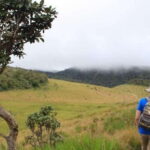
It’s also a nice way to break up your drive around the hills. You don’t just stare at plantation views from a distance. You spend time inside places where tea is processed, plus you get a quick nature reset at Ramboda Falls.
You can also read our reviews of more tours and experiences in Nuwara Eliya.



How the timing works (3 to 5 hours with pickup)
The tour lasts about 3 to 5 hours, depending on the pace of your group and time spent at each stop. You select your start time, which is a practical advantage in Sri Lanka because weather can shift fast in the hill region.
Pickup is offered, and transportation is provided for the whole outing. That means less scrambling for local rides and fewer chances to lose time between the tea sites. If you’re staying in or near Nuwara Eliya, you’ll likely find the route easy to fit into a day that also includes other classic stops.
Plan for a day that’s light on lounging and heavier on looking, listening, and asking. This is not a long hike tour, but it is an active sight-and-learning afternoon.
Stop 1: Oak Ray Tea Factory & Museum and its free admission
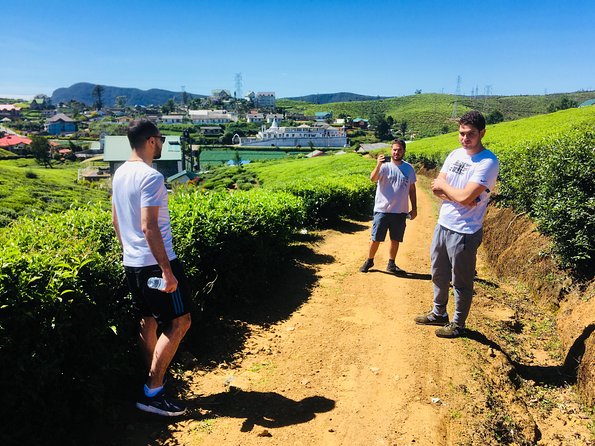
The day starts at Oak Ray Tea Factory & Museum. You get about 30 minutes here, and the admission ticket is listed as free. This is a smart first stop because it sets the tone: tea-making is presented as a process you can actually follow, not just a label on a box.
What I like about this stop is the blend of old and new. The museum portion includes historical artifacts, so you’re not only seeing machinery. You’re also seeing how tea culture and production evolved over time. Then, at the factory area, you can observe the steps from handpicking to modern processing.
There’s also a sensory payoff: you get to savor a freshly brewed cup while you look out over the scenic hills around Labukele. That kind of tasting early in the trip helps you connect the explanation to what’s actually in your cup.
A possible drawback: 30 minutes goes quickly once you start asking questions. If you love technical answers, don’t wait until the end. Ask early, especially about the steps you’re seeing.
Stop 2: Ramboda Waterfall as your scenic reset

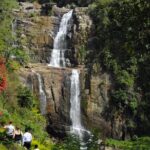
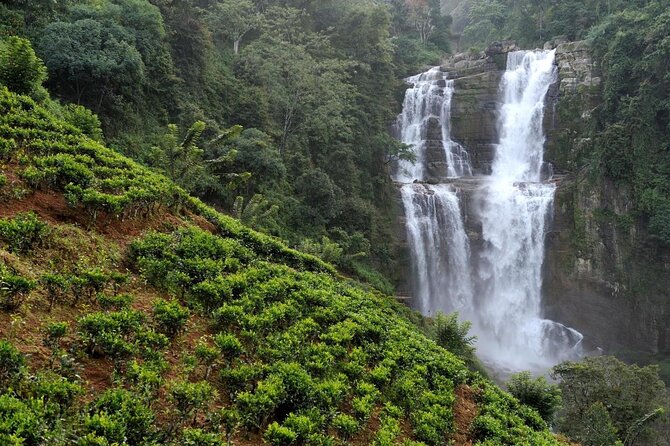
Next is Ramboda Waterfall, about 40 minutes. Admission is not included, so keep a little budget aside in case there’s a small entry fee. This is an en-route stop, which is exactly how it should be. You get to stretch your legs and cool your head without committing to an all-day excursion.
In practical terms, Ramboda is a breath of air between tea sites. The sound of water and the misty feel can be a relief if you’ve been traveling under the hill-country sun. It also gives you a change of scenery that balances the indoor factory time.
The main thing to watch is weather. If the day is wet or visibility drops, you may not get the same view. Since the tour requires good weather overall, check conditions before you head out and bring a light layer in case it’s chilly at higher elevations.
Stop 3: Bluefield Tea Gardens and the estate perspective
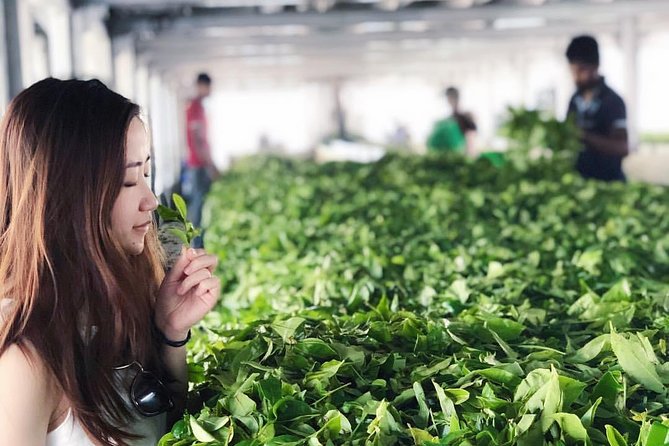
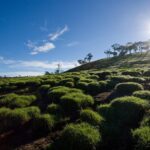
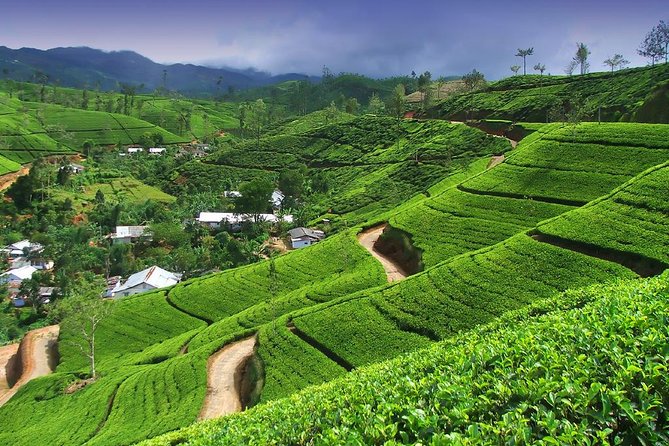
The tour then shifts to Bluefield Tea Gardens with about 30 minutes on-site. Admission isn’t included here. What you’re paying for is the estate viewpoint: tea cultivation and how the gardens operate as living workplaces.
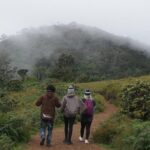
You should expect a guided walk through the plantation area, where you can see how tea leaves grow and how that becomes product. The focus is on the chain from plucking to processing. You’ll get the kind of explanation that helps you understand why timing and handling matter.
This stop is ideal if you like seeing the human work behind the cup. It also helps you connect the factory steps you saw at Oak Ray to the reality of the leaves coming in from the fields.
The tradeoff is time. Thirty minutes is enough for the highlights, but it’s not enough if you want to linger on every detail. If you’re the type who likes to photograph every step, you’ll want to keep moving and ask questions efficiently.





Stop 4: Damro Labookellie Tea Centre and Tea Garden with free entry
The final tea stop is Damro Labookellie Tea Centre and Tea Garden. You’ll get around 45 minutes, and the admission ticket is listed as free. This extra time compared with the other stops is a nice finish line because it gives you space to slow down and absorb what you learned.
Damro’s focus is very much the leaf-to-cup story. You’ll tour the plantation area, hear how tea is cultivated, and learn how processing turns leaves into finished tea. There’s also that sensory element—freshly brewed aromas in the air are part of what makes this stop feel real.
Then comes the payoff with calm surroundings and views. Tea centers like this are designed for visitors, but they still feel connected to the working parts of tea production. It’s a good place to ask broader questions, like how estates manage quality and what changes the final cup.
A practical note: some tea shops can be pricey. In one group, the factory shop was described as super expensive, and they chose not to buy. If you’re budget-minded, taste first, then decide if you truly want to carry tea home.
Price and value: what $49 really buys you
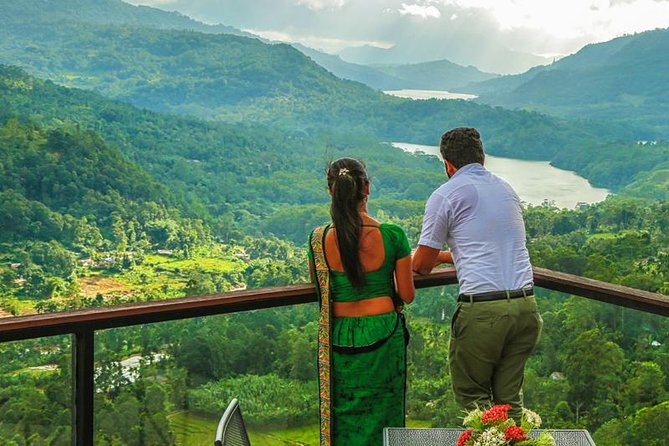
At $49 per person, this tour is positioned as a value option if you want more than a quick factory stop. You’re paying for private transportation and guided time through multiple tea-focused sites, plus that museum-and-tasting style introduction at Oak Ray and the free-entry nature of two major stops.
Here’s how I think about the value:
- You avoid taxi math and scheduling stress, since transportation is handled for you.
- You get several tea production viewpoints in one trip: museum/factory, plantation garden, and a major tea centre.
- Two of the tea stops list free admission, which effectively offsets part of the tour cost.
The only real pricing unknown is admissions that aren’t included. Ramboda Falls and Bluefield Tea Gardens may add a small amount. Also, tea products sold inside centers can be costly, depending on what you buy. If you’re not buying much, the tour cost stays the headline cost.
If you’re traveling as a couple or small group, private attention is where the price starts to feel more reasonable. If you’re traveling with a larger group, check for group discounts, since that’s one of the listed features.
The guide experience: personal attention is the point
This tour isn’t trying to be a fast checklist. It’s designed for questions. That’s why your dedicated guide is so central to the experience.
In one recent experience, the guide Deva was praised as extremely helpful, funny in a way that actually worked in real life (not forced), and fluent in English. If your guide has that kind of energy, the tour feels like a conversation with tea themes rather than a scripted drive-by.
Even without that exact personality, the structure still matters. You’ll have time at each stop, and you’re not switching guides or competing with a large crowd.
If you want the best results, come prepared with one or two questions like:
- How is processing different from one estate to another?
- What should I look for on a label if I want a certain flavor style?
- What role does leaf handling play in the final cup?
Who this tour suits best
This is a great fit if you:
- love food and drink, and you want the production story behind what you sip
- prefer a private plan with transportation handled
- want a guided tour rather than wandering a tea factory on your own
- like mixing tea education with one scenic nature stop
It’s less ideal if you want a long, slow walk through plantations for hours. The time is focused. You’ll see the major stops, learn the key points, and move on.
Should you book this Nuwara Eliya tea factory tour?
If tea is your priority, I think this is an easy yes. The big reasons are the private format, the guided approach to tea production, and the fact that Oak Ray and Damro list free entry. Add in Ramboda Falls for variety, and you get a structured afternoon without the hassle of stitching together separate tours.
Book it if you’re comfortable paying a little extra at stops that don’t include admission. Skip or reassess if you strongly dislike crowds but you also want long time at each location, because the tour is designed for a tight sequence.
If you’re visiting during changeable weather, remember the tour requires good weather. I’d also suggest booking with enough flexibility so you can adjust if the hill conditions aren’t ideal.
FAQ
How long is the tea-focused tour in Nuwara Eliya?
It runs about 3 to 5 hours, approximately.
Is this tour private?
Yes. It’s a private tour/activity, and only your group participates.
Do I get pickup and transportation?
Pickup is offered, and private transportation is included for the round-trip experience.
Which stops are included?
The route includes Oak Ray Tea Factory & Museum, Ramboda Waterfall, Bluefield Tea Gardens, and Damro Labookellie Tea Centre and Tea Garden.
Are admission tickets included for all stops?
No. Oak Ray and Damro list admission tickets as free, but Ramboda Waterfall and Bluefield Tea Gardens do not include admission.
Will there be tea tasting?
At Oak Ray Tea Factory & Museum, you’ll be able to savor a freshly brewed cup.
What’s the tour price?
The price is $49.00 per person.
What do I receive for my tickets?
You get a mobile ticket.
What if the weather is bad?
This experience requires good weather. If it’s canceled due to poor weather, you’ll be offered a different date or a full refund.
What is the cancellation window for a refund?
You can cancel up to 24 hours in advance for a full refund. Changes within 24 hours of the start time aren’t accepted, and refunds won’t be issued if you cancel less than 24 hours before.