A sunrise-looking plan for elephants. This tour combines an Udawalawe safari jeep ride with a stop at the Elephant Transit Home, where rescued baby calves are the main event. The timing also works well for cruise and port connections, with a pickup from Hambantota that keeps the day from feeling like a logistics puzzle.
The two big wins for me are simple: you get a real wildlife outing in Udawalawe National Park, and the baby-elephant visit adds heart beyond just animal spotting. One thing to keep in mind: the headline price does not include the on-site entry fees, so you’ll need a little extra cash for park access.
Plan for a full day outdoors, often with heat and sometimes rain. Bring a light layer and something rain-ready, because the safari portion means you’ll be out watching for animals, not waiting indoors.
In This Review
- Key things that make this tour worth your time
- How the Hambantota port route turns into an elephant day
- Price and value: what $47 covers, and what it doesn’t
- The ride from port to safari: comfortable, timed, and not mind-bending
- Udawalawe National Park safari: seeing elephants close, not far away
- Elephant Transit Home: the baby-elephant stop that adds meaning
- What it feels like in the jeep: open-air time and how to get comfortable
- Who this tour suits best (and who may want a different plan)
- Small practical tips that make your day easier
- Should you book this Udawalawe Safari & Baby Elephants tour?
- FAQ
- How long is the Udawalawe Safari & Baby Elephants visit?
- Do they pick up from Hambantota Port?
- Is the National Park entrance fee included in the $47 price?
- What’s included in the tour price?
- How many people are in a group?
- What if it rains or the weather is poor?
Key things that make this tour worth your time
- Hambantota port pickup: no extra guessing about where to meet once you’re in town
- Small group size (max 6): it’s easier to keep everyone on the same animal sightings
- Open safari jeep time: you’re positioned for close sightings instead of just driving past
- Elephant Transit Home focus: you’ll see how orphaned calves are rescued and rehabilitated
- Binoculars included: great for spotting birds and distant movement before it turns into an elephant sighting
How the Hambantota port route turns into an elephant day
If your time is limited, Udawalawe can still work. This tour is built around a Hambantota Port start, then funnels you into the safari area and the Elephant Transit Home in one long, efficient loop.
The overall time on the ground is about 7 hours (approx.), which is long enough for a real wildlife outing but still short enough that you’re not spending your entire day trapped in transit. In practice, that balance matters because Udawalawe is not something you can rush. Elephants, birds, and other animals show up when the day and the landscape allow it. This format gives you the chance to catch the best moments.
The Elephant Transit Home stop also changes the tone of the day. A safari is pure observation. The ETH visit is about rehabilitation—watching rescued calves and learning why the facility exists. That mix is why many people remember this tour as more than just a check-the-box wildlife trip.
You can also read our reviews of more tours and experiences in Hambantota.

Price and value: what $47 covers, and what it doesn’t
Let’s be plain about the math. The tour price is listed as $47.00 per person, and it includes a lot of the practical costs of making the day happen: transport, safari jeep, pickup and drop-off, and drinks plus bottled water. You also get binoculars for animal spotting, which is a small item but genuinely useful when you’re scanning for movement.
What’s not included is entry. The National Park and Elephant Transit Home entrance tickets are not included, and the provided info says to expect $50.00 per person to purchase at the park counter/gate.
So your realistic all-in total is closer to $97 per person (base price plus the on-site fees). For Udawalawe, that can still be good value because you’re paying for a guided safari setup, not just a drive. Also, the group limit (max 6) and the jeep transfer reduce the usual hassle you get with larger group tours.
If you’re the type who hates surprise expenses, budget for that extra $50 at the start of planning.
The ride from port to safari: comfortable, timed, and not mind-bending
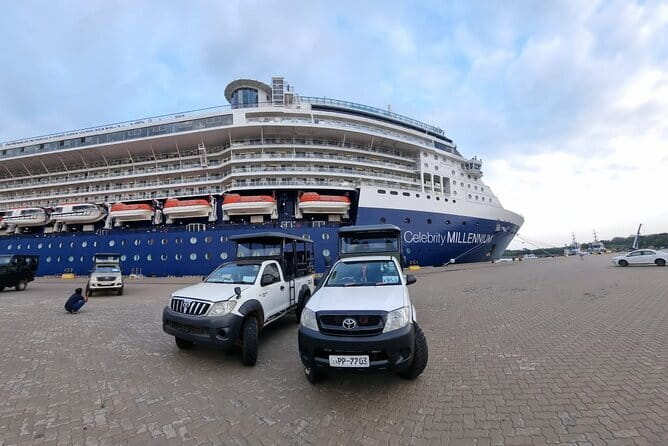
The tour includes all transport and pickup from Hambantota port (and also from Tissamaharama, if that’s where your hotel is). Several people highlight that pickup is on time and simple, and once you’re collected, you’re moved in a comfortable vehicle before transferring into the safari jeep.
From the reviews you can piece together a common rhythm: a drive of roughly about an hour in a comfortable mini van, then you switch over to the safari jeep/open truck setup. That transfer matters because the safari jeep is the whole point—you want the seating and positioning that let you spot animals early.
One smart point for you: the driver/guide often works ahead of your eyes. People note that the driver was able to spot animals before they were obvious. That means you spend less time guessing where to look and more time reacting when the wildlife appears.
If you’re traveling via cruise, timing can be tricky. One review specifically flags that there wasn’t enough time for the baby-elephant transit home part due to cruise sailing. That doesn’t mean it will happen to you, but it’s a good reminder to plan conservatively when your ship leaves at a firm hour.
Udawalawe National Park safari: seeing elephants close, not far away
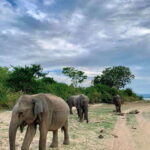
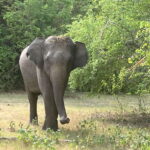
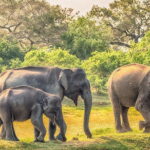
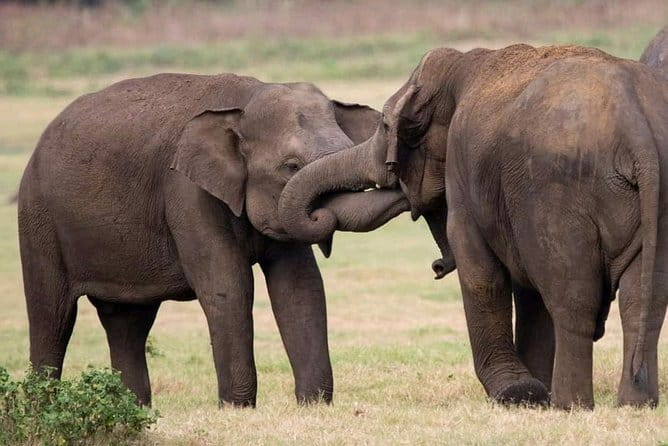
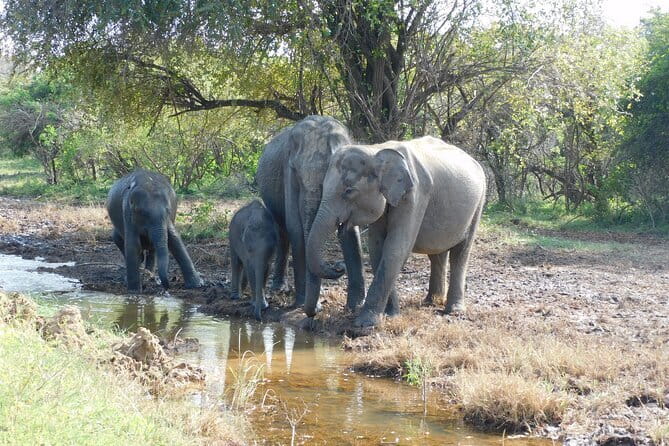
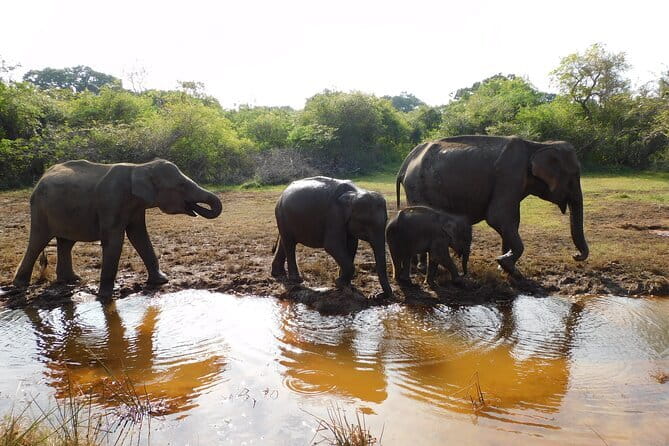
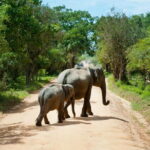
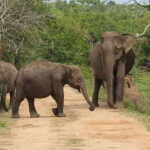
Udawalawe National Park is the main show, and the park is known for its elephant population. In the dry zone setting, animals tend to concentrate around water and accessible feeding areas, so your chance of seeing elephants is high on a properly run safari.
You’ll go into the park in a safari jeep with binoculars included. The binoculars sound like a nice-to-have, but they’re handy for two reasons:
- you can check for birds and movement before it turns into a big animal sighting
- you can keep scanning while staying oriented without constantly changing posture
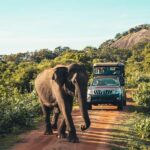
The best part of the safari setup is proximity. Multiple reviews point to very close sightings, including elephants appearing at distances like ten yards away. When that happens, the guide’s job is equal parts safety, patience, and reading animal behavior.
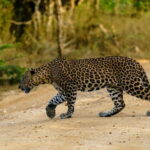
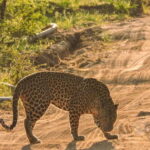
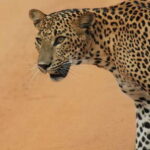
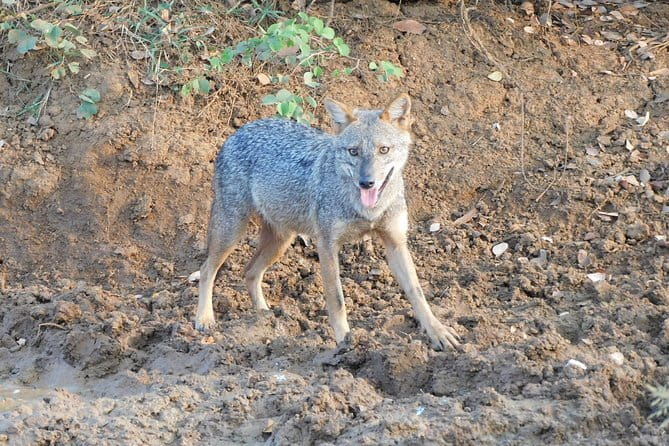
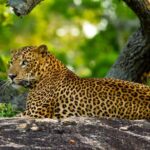
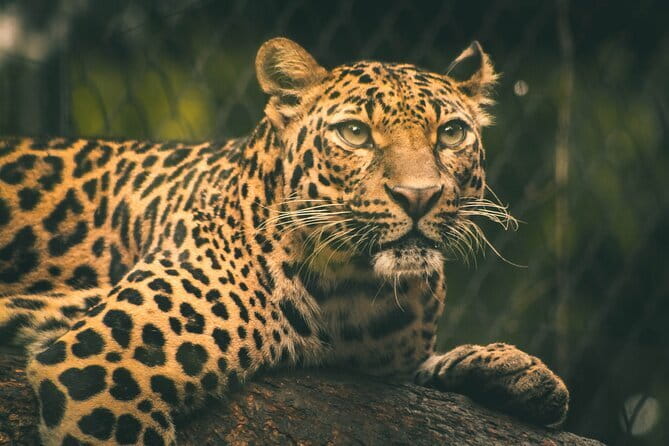
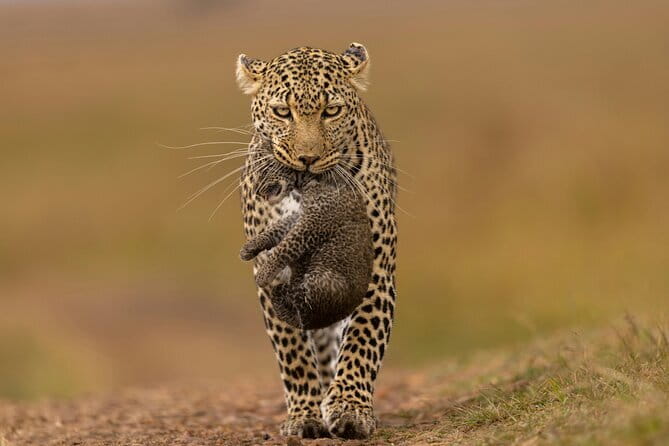
What you might also notice: this isn’t only elephants. With elephants frequently in view, you can still get other wildlife such as water buffalo, crocodiles, wild boar, sambar deer, and monkeys. Leopards are mentioned as possible too. Even if you don’t see a leopard, the mix of mammals and birds can keep the safari moving.
A practical drawback: it’s a safari, which means you’re outside and you’re watching. If the weather turns wet, the day can feel slower and more damp. One review mentions wet weather but still calls the experience very good. Bring a light rain layer and keep your camera protected.
Elephant Transit Home: the baby-elephant stop that adds meaning
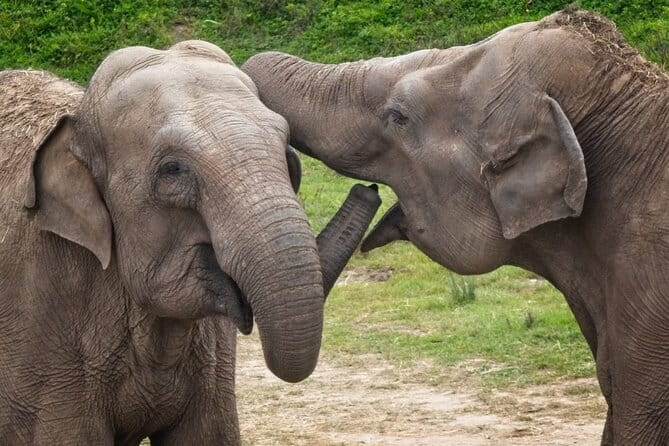
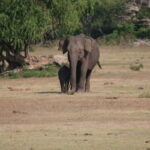
The Elephant Transit Home (ETH) is not presented as a casual side visit. It’s framed as a mission in motion: rescuing and rehabilitating orphaned elephant calves until they’re strong enough to return to natural habitat.
This stop often becomes the emotional highlight of the day. In the reviews, people call it the best part, and they specifically mention the calves coming out to feed. When you’re standing there watching baby elephants at the transit home, it’s different from seeing adults in the wild. You’re seeing vulnerability and care built into a conservation process.
For you, that matters because it changes what you’re doing. A safari can feel like pure viewing. The ETH stop turns it into a story: why these animals need help, and what happens after rescue. It’s also a reminder that the word orphaned here isn’t a dramatic label—it’s tied to real situations the facility responds to.
A consideration: you’ll need to factor in the fact that ETH entry is part of the separate on-site fees. The amount is listed in the provided info as about $50 per person total for tickets, and the ETH entrance is specifically included in that note.
Also, if your schedule is tight—especially with cruise timing—you might find this portion gets shortened. The tour is built for it, but ship departure times can override even a well-planned day.
What it feels like in the jeep: open-air time and how to get comfortable
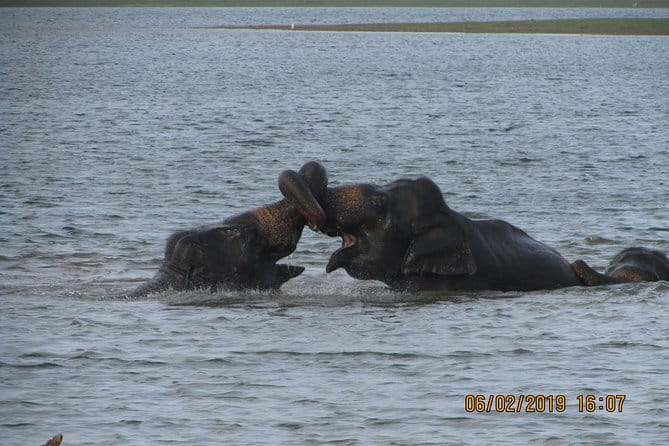
This tour includes the safari jeep and uses a small group format. Reviews describe transfers into a six-seater jeep and note that the jeep is shared among a total of about 6 people. That’s a big deal because you get better sightlines and less bouncing around than on larger buses.
Think about the physical reality: safari jeeps can be bumpy, and you’ll likely be holding a phone/camera up for long stretches. A little preparation helps:
- wear shoes you’re fine with on rougher tracks
- bring a light layer for early morning or cooler stretches
- keep a rain cover handy in wet season
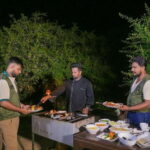
The good news is the tour includes refreshing water and cool drinks plus bottled water, so you’re not forced into overpriced drinks at stops. For a long day, that small inclusion makes the day smoother.
Guiding quality also comes up in the reviews. People praise the driver/guide for safety and for spotting animals early. That’s what you’re really paying for when the jeep rides are good: not just driving, but animal reading and timing.
Who this tour suits best (and who may want a different plan)
This fits best if you want:
- an Udawalawe National Park safari with a real chance of close elephant encounters
- a second stop that’s about conservation and baby elephants, not just quick photos
- a day that starts from Hambantota port and keeps transfers straightforward
It’s also family-friendly in practice. One review calls it wonderful for the entire family and highlights the fact that the babies are a key highlight, while the safari provides the nature time.
If you’re a solo traveler who likes small groups and doesn’t want to spend a whole day figuring out transport, this is a strong option. If you’re someone who hates any chance of delays, consider that wildlife timing and weather can affect how the day feels—this experience requires good weather, and poor weather can lead to a date change or refund.
Small practical tips that make your day easier
Here are the practical choices that matter most based on how this tour runs:
- Plan for cash or card access for the entry fees, since the tickets are not included in the $47
- Bring a light rain layer if you’re traveling in wetter conditions
- Use the binoculars on birds and distant movement so you’re ready when something bigger shows up
- If you’re on a cruise, double-check the timing for your port day. One review notes the transit home portion may be cut when sailing time is tight
Should you book this Udawalawe Safari & Baby Elephants tour?
Yes—if you want a balanced day with both wildlife action and baby-elephant conservation, and you’re starting from Hambantota port and want pickup handled. The combination of safari jeep time, small group size, included drinks, and binoculars is the kind of “easy logistics” package that makes a one-day excursion actually work.
Book it with one realistic expectation: you’ll pay additional on-site entry fees around the $50 per person mark, and the day depends on weather. If you accept that, you’re set up for a memorable elephant encounter.
FAQ
How long is the Udawalawe Safari & Baby Elephants visit?
The tour duration is listed as 7 hours (approx.).
Do they pick up from Hambantota Port?
Yes. The tour includes pick up & drop off from Hambantota port (and also Tissamaharama).
Is the National Park entrance fee included in the $47 price?
No. The National Park and Elephant Transit Home entrance tickets are not included and can be purchased at the park counter/gate.
What’s included in the tour price?
Included items are safari jeep, all transport, pick up & drop off, experienced driver with guiding, bottled water and cool drinks, and binoculars for animal spotting.
How many people are in a group?
The tour has a maximum of 6 travelers.
What if it rains or the weather is poor?
This experience requires good weather. If it’s canceled due to poor weather, you’ll be offered a different date or a full refund.