Elephants close up, without the stress. This Hambantota port day trip gives you a 4WD safari drive with a driver-tracker and then a visit to the Udawalawe elephant orphanage, all handled end-to-end.
I like that it’s built for real time pressure, especially if you’re coming from a cruise or want zero planning. One catch to budget for: you’ll likely spend extra on park and orphanage entrance fees, and the safari is hot and dusty in an open-sided vehicle.
In This Review
- Key things to know before you go
- Hambantota Port Pickup and Return: More Time in the Wild
- The 4WD Safari Day: What You’re Really Paying For
- Udawalawe National Park: Elephant Country With Real Wildlife Odds
- Udawalawa Elephant Transit Home: How to Make This Visit Meaningful
- Upgrading to Bundala National Park: More Variety If You Can Swing It
- Price and Entrance Fees: The Real Cost Picture
- Practical Comfort Tips for an Open-Sided Safari Day
- Who This Tour Fits Best
- Should You Book the Udawalawe Safari and Elephant Orphanage Tour from Hambantota Port?
- FAQ
- How long is the Udawalawe Safari and Elephant Orphanage Tour?
- Where does the pickup happen?
- What’s included in the tour price?
- Are the park and elephant orphanage entrance fees included?
- What vehicle will I ride in?
- How many people are in the group?
- What wildlife can I expect to see?
- Is there an option to add Bundala National Park?
- What happens if the weather is poor?
- What’s the cancellation policy?
Key things to know before you go
- Cruise-terminal pickup: you’re met at Hambantota Port and brought straight into the day’s plan.
- Driver-tracker spotting skills: guides such as Yasanka and Madu are praised for finding animals fast.
- Open-sided 4WD safari time: great sightings, but plan for the heat and dust.
- Elephant Transit Home visit: you see rescued calves cared for up close, plus a small onsite museum.
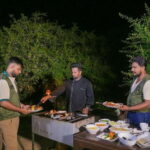
- Useful inclusions: binoculars, bottled water, cold drinks, and snacks are included.
- Small group: maximum 6 travelers keeps the day feeling more personal.
Hambantota Port Pickup and Return: More Time in the Wild
This is the kind of tour that makes sense when your schedule is tight. You get pick up from Hambantota Port (and also from select Hambantota hotels) and you’re dropped back after the safari day, so you’re not trying to coordinate transport yourself.
The best part for many people is timing. A lot of the feedback centers on how the operator works to get you back on schedule, which matters when your ship or next stop has a clock on it. If you’re visiting Sri Lanka on a cruise, this “show up, get transported, come back” setup is exactly what you want.
You’ll also have a mobile ticket, which reduces the hassle of paper tickets in a hot, busy day.
You can also read our reviews of more tours and experiences in Hambantota.
The 4WD Safari Day: What You’re Really Paying For
At $57 per person (tour price), you’re not paying for a “generic drive.” You’re paying for the people-and-vehicle package that turns Udawalawe into a wildlife search mission.
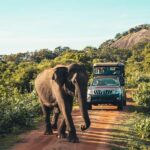
You’ll ride in a 4WD safari jeep (often described as open-sided) with a driver and guide/tracker. The operator highlights experienced wildlife driving and tracking, and the animal-spotting results show up repeatedly in the feedback—people mention lots of elephants, plus smaller wildlife like monkeys and birds.
What I like here is the structure: this isn’t you wandering in the park hoping for luck. You’re put in a vehicle with someone who knows where animals tend to show up, and you have the gear to make the sightings better.
Included goodies make the long hours easier:
- bottled water
- cold drinks
- snacks
- binoculars
That “small” list matters in Udawalawe because the day can run 6 to 7 hours total, and the vehicle time is the point.
Udawalawe National Park: Elephant Country With Real Wildlife Odds
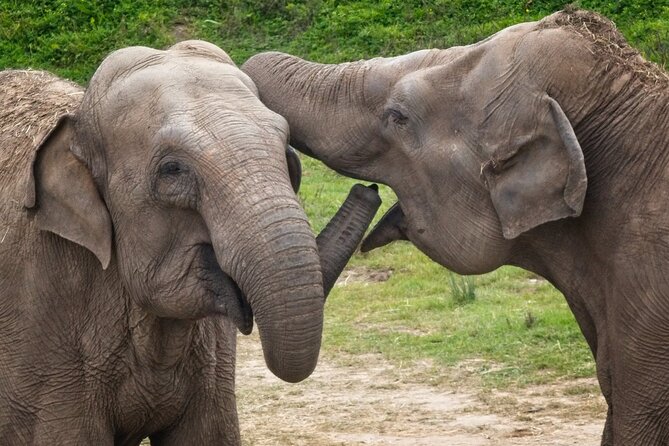
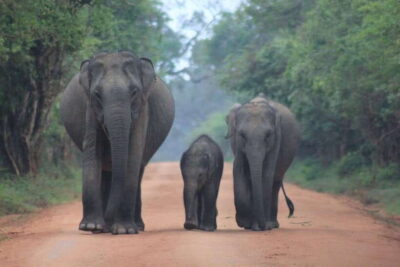
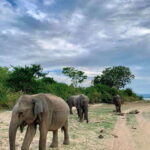
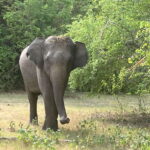
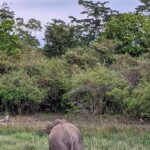
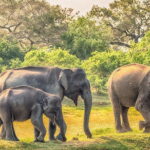
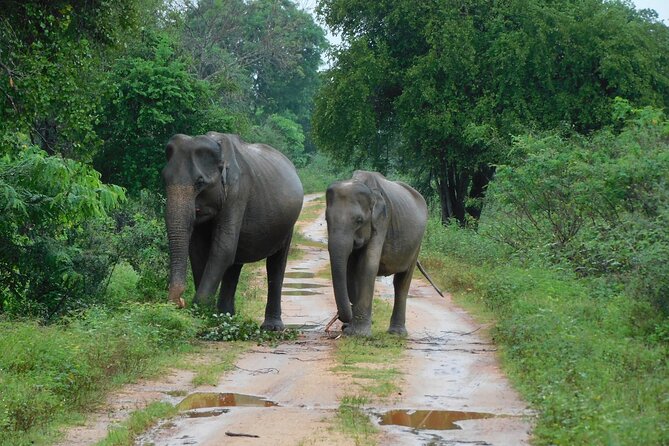
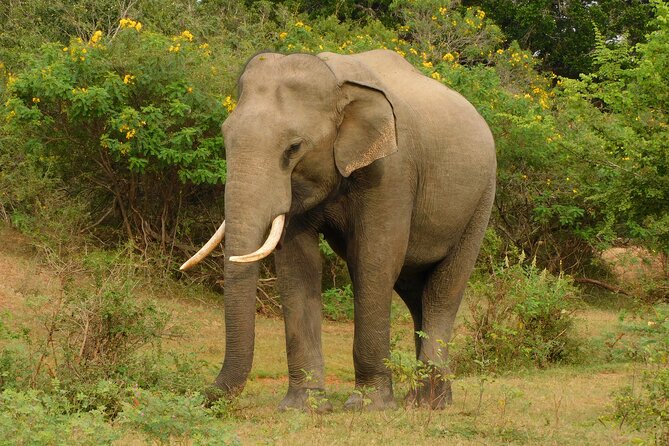
Udawalawe National Park is famous for elephants, and that’s not marketing fluff. This is a big reason the daytrip works: you’re spending most of your time where elephants are part of everyday life, not a lucky bonus.
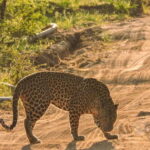
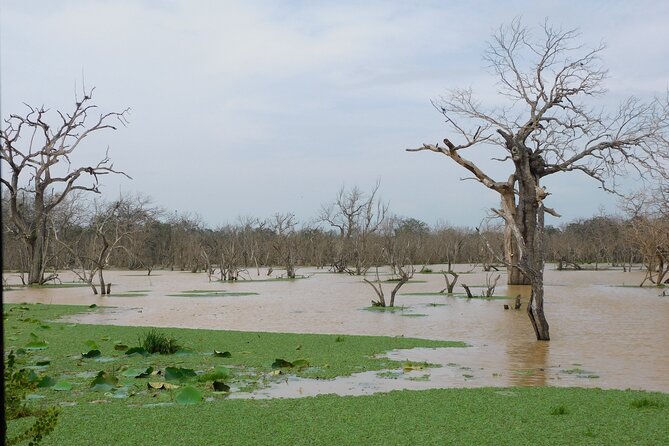
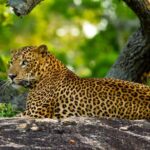
In the safari time you can expect to look for elephants plus other animals such as crocodiles, spotted deer, birds, and even sloth bears (the tour description mentions these). Many people end up seeing mostly elephants, and that still counts as a win—Udawalawe is one of those places where you often get repeated sightings, not just one moment.
One practical thing: national parks are not zoos. If the day’s conditions aren’t right, your animal variety can swing. Heat can push animals into certain areas, and that can affect whether you find the rarer species being talked about. Still, the guiding talent is the part you’re buying here—people highlight how their guide keeps scanning and adjusts to what shows up.
Also, go into this expecting a bumpy ride. People mention the “bouncing” safari roads and dust exposure. That’s not a complaint so much as a reality of the experience.
Udawalawa Elephant Transit Home: How to Make This Visit Meaningful
The Udawalawe Elephant Transit Home (the elephant orphanage area you’ll visit) is the emotional side of the day. The goal is rescue and rehabilitation—raising orphaned calves until they’re ready to return to their natural habitat.
You get about an hour there, which is enough time to see the calves, observe caretaking efforts, and visit the onsite museum (mentioned in feedback). Many visitors focus on the face-to-trunk closeness you can experience when calves are active and comfortable near viewing areas.
Timing matters. One piece of advice that keeps coming up is to arrive around late morning to catch feeding time. If the operator’s schedule holds, getting there in that window can make the whole hour feel more alive and memorable.
This is also where I think this tour balances out well. You’re not just doing a drive and leaving. You’re seeing conservation work connected to the wildlife you watched in the park.
Upgrading to Bundala National Park: More Variety If You Can Swing It
The tour description mentions an upgrade option to visit Bundala National Park for additional wildlife spotting. If that’s offered for your departure, it can be a good add-on because it expands the day beyond Udawalawe’s elephant-heavy focus.
That said, don’t treat the upgrade as automatic. With any add-on, you’re trading time and energy. If you’re traveling with limited flexibility (or if your main goal is elephants and close viewing at the orphanage), you may prefer to keep the day simpler.
If you do upgrade, make sure you understand the total driving time and how it affects your orphanage viewing window.
Price and Entrance Fees: The Real Cost Picture
Here’s the math that helps you avoid surprises.
The tour price is $57 per person and includes your transport, safari jeep experience, snacks, water, binoculars, and the transport connected to the elephant orphanage visit. It also includes pickup and drop-off from Hambantota Port / Hambantota hotels.
But park-related tickets are not included. The national park and elephant orphanage entrance tickets are listed as purchasable at the counters, at $50.00 per person. So your likely total can be closer to $107 per person for a full day if you’re paying both sets of entrance fees.
Is it still good value? For a day that’s basically built around one of Sri Lanka’s top elephant areas plus a conservation facility visit, the value depends on how you compare it to alternatives:
- If you’d otherwise need to arrange transport and a safari jeep yourself, this “driver + vehicle + tracking + logistics” package is hard to beat.
- If you can book independently at lower total cost, you might save money, but you’ll trade away the convenience—especially from Hambantota Port.
Given how often people mention schedule reliability and easy transfers, I think the included logistics are a big part of the value.
Practical Comfort Tips for an Open-Sided Safari Day
This is the section most people don’t think about until they’re already in the dust. Expect an open-sided vehicle feel for parts of the day, and the weather can be hot—one key warning in the feedback is that you’ll be in the vehicle for 5 to 6 hours in temperatures described as 30+ degrees.
Bring:
- sunscreen
- a hat
- glasses
- a face mask (dust control)
A few people specifically recommended a face mask and glasses due to the dust, and I agree. This is not overkill; it’s about being comfortable enough to keep looking for animals without rubbing your eyes or constantly wiping dust off.
Also bring a small bottle of extra water if you like. Bottled water and cold drinks are included, but personal habits vary when you’re in the sun for hours.
Finally, pack for photos and patience. Even with a strong guide, animal sightings aren’t factory output. Some days are elephant-heavy; other days bring more variety. Your job is to keep scanning calmly and give the guide a chance to position the jeep well.
Who This Tour Fits Best
This works especially well if you:
- are short on time and need a full wildlife day from Hambantota Port
- want elephants as the main theme
- like the idea of a private-feeling day with a small group (maximum 6)
- prefer “someone else handles the driving and logistics” over self-planning
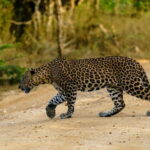
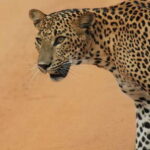
It may be less ideal if your top goal is a specific rare animal (like leopards). The tour description talks about leopards and sloth bears, but the reality of national parks means sightings can vary by season and conditions.
Should You Book the Udawalawe Safari and Elephant Orphanage Tour from Hambantota Port?
I’d book it if you want a straightforward Sri Lanka wildlife day with real conservation context. The combination of a timed orphanage visit and the chance to see elephants repeatedly in Udawalawe is the big draw.
Decide based on two practical points: entrance fees (budget for them) and comfort (plan for heat and dust in an open-sided jeep). If those two things don’t bother you, this is a strong value way to get a lot of wildlife time without juggling transport.
If you’d like, tell me your travel dates and whether you’re coming by cruise or staying in Hambantota, and I can help you plan what time of day to aim for and what to pack for the smoothest experience.
FAQ
How long is the Udawalawe Safari and Elephant Orphanage Tour?
The day lasts about 6 to 7 hours total. The Udawalawe safari portion is listed at around 5 hours, and the elephant orphanage visit is about 1 hour.
Where does the pickup happen?
You can be picked up from Hambantota Port and from select Hambantota hotels. The tour also mentions safe pick-up and drop-off from Hambantota Port.
What’s included in the tour price?
The tour includes bottled water, all transport, a safari jeep, snacks, pick up and drop off from Hambantota Port/hotels, and transport for the baby elephant orphanage visit. Binoculars and cold drinks are also included.
Are the park and elephant orphanage entrance fees included?
No. Entrance fees for the national park and the elephant orphanage are not included, and you can purchase tickets at the park counter for $50.00 per person.
What vehicle will I ride in?
You’ll use a safari jeep for the safari drive. The tour description also mentions 4WD vehicles such as a Hilux or a Bolero, and feedback describes an open-sided safari vehicle.
How many people are in the group?
The tour lists a maximum of 6 travelers.
What wildlife can I expect to see?
You’ll be looking for elephants as the main attraction, plus the possibility of other animals mentioned in the tour description such as crocodiles, spotted deer, sloth bears, and various birds.
Is there an option to add Bundala National Park?
The tour description mentions an upgrade option to include Bundala National Park for more wildlife spotting, but it’s not stated as included in every departure—confirm what’s available when you book.
What happens if the weather is poor?
The tour notes that it requires good weather. If it’s canceled due to poor weather, you’ll be offered a different date or a full refund.
What’s the cancellation policy?
You can cancel up to 24 hours in advance for a full refund. If you cancel less than 24 hours before the experience starts, the amount paid is not refunded.