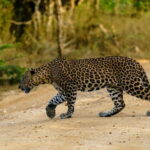
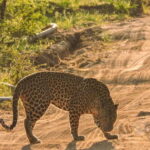
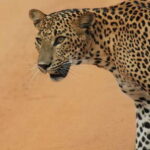
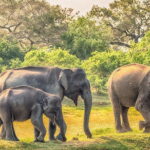
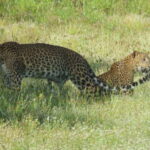
A lion-sized day in the wild is on offer. This Yala National Park safari is built for serious wildlife watching in luxury 4×4 comfort, with expert guidance aimed at helping you spot leopards and other star animals. I like the focus on real chances for animals (not just a drive), plus the morning or sunset timing that can make a huge difference. One drawback to consider: your experience can swing a lot depending on how talkative and prepared your driver/guide is.
I also like that the day is structured with pickup from practical bases (Kirinda, Kataragama, or Tissamaharama) and then dedicated time in the park, not endless wandering. The tour claims an eco-friendly, sustainable approach, which matters in Yala where you want wildlife to feel like the main event, not the noise around it. If you’re expecting a rigid “half-day checklist,” keep in mind the tour range stretches from 4 to 12 hours, based on your start time and how your day shapes up.
In This Review
- Key highlights worth booking for
- Why Yala National Park is a leopard safari magnet
- The luxury 4×4 format (and why it matters for spotting)
- Pickups from Kirinda, Kataragama, and Tissamaharama
- The first hour to Yala: where your guide sets the tone
- Inside the park: what that guided safari time feels like
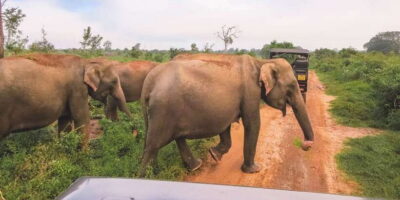
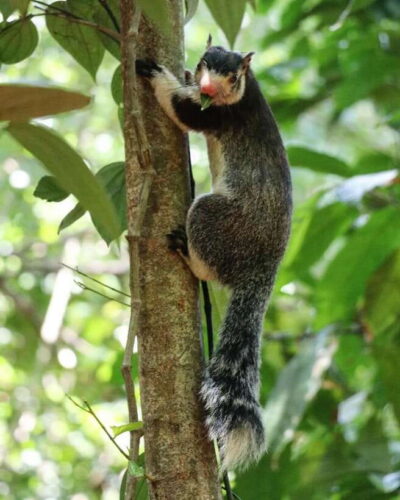
- What you can realistically look for: leopards, elephants, crocodiles, and more
- Photo stops and changing habitats: how to get better results
- The guide can make or break the day: Sule and Janaka as examples
- Price and value: what $16 gets you, and what it doesn’t
- Half-day vs full-day: choosing the right length for your style
- Small tradeoffs to know before you go
- Should you book this Yala leopard safari?
- FAQ
- Do I need to buy the national park entrance ticket?
- What animals is this safari tour aiming to show?
- Is hotel pickup and drop-off included?
- What language is the guide?
- How long is the tour?
- Do I travel by 4×4 jeep?
- Is the tour good for both sunrise and sunset?
- What should I do right before pickup?
Key highlights worth booking for
- 4×4 safari jeep comfort for long drives and bumpy park roads
- English live guide/driver focused on spotting and explaining wildlife
- Sunrise or sunset style viewing, depending on your chosen time
- Big target list: leopards, elephants, crocodiles, sloth bears, and many birds
- Eco-friendly, sustainable tourism focus, aligned with wildlife-first priorities
Why Yala National Park is a leopard safari magnet
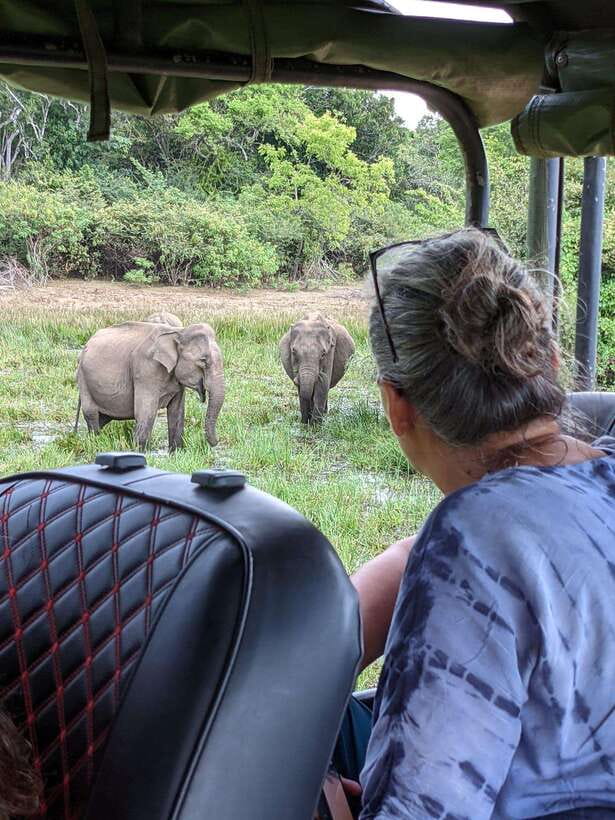
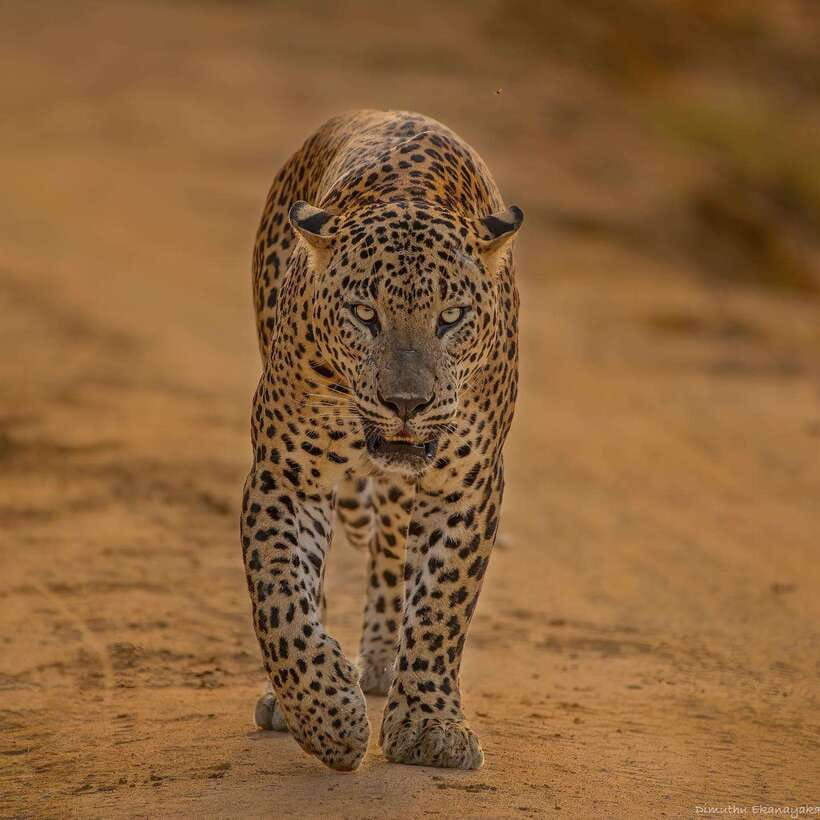
Yala National Park is famous for leopards, and that matters because Yala isn’t a “maybe” park in the same way some safari spots are. This tour is designed around that reality: you’re going deep into the park during wildlife hours and you’re not just doing a quick lap.
What I like for you is the pairing of time plus technique. Leopards can be difficult, so the tour’s whole style—using an experienced guide, using the 4×4 to get into the right viewing areas, and timing the day around sunrise or sunset—adds up. You’re also not stuck with one habitat. The day is set up to pass through different environments, which gives your eyes more chances to catch movement and behavior.
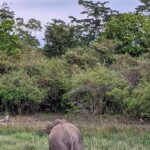
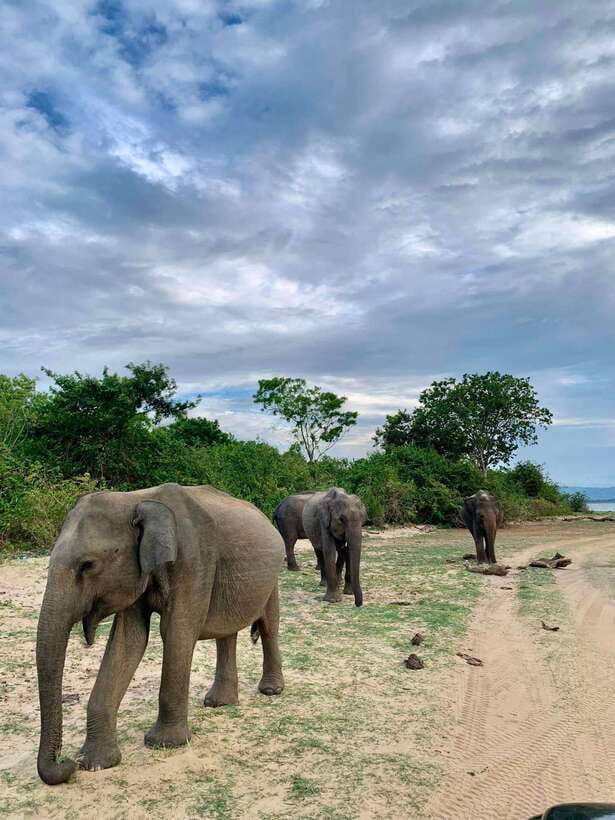
Also, Yala has more going on than cats. You might find elephants nearby, and the park supports crocodiles and a wide mix of birds. That’s a good plan for a safari day because you’re rarely bored, even if a leopard stays out of view for a while.
You can also read our reviews of more tours and experiences in Hambantota.
The luxury 4×4 format (and why it matters for spotting)
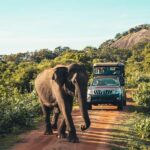
This isn’t a walking tour or a casual countryside drive. You’ll be in a 4×4 safari jeep, which is key for two reasons.
First, you’re on uneven park tracks and you want comfort that doesn’t turn the day into punishment. Long viewing hours add up fast, so having seats that let you stay focused pays off.
Second, spotting wildlife is partly about positioning. A jeep can move to better angles, get you into wildlife corridors, and help your guide set up a view that’s safer and more respectful to animals. When you’re aiming for leopards, angle and distance matter. You’re also likely to make photo stops on the way, so having that vehicle ready for quick repositioning helps.
If you’re doing this as a half-day, the 4×4 setup is still the right match: you get a concentrated chunk of park time instead of wasting energy on transfers.
Pickups from Kirinda, Kataragama, and Tissamaharama
Your day starts with pickup from one of three places: Kirinda, Kataragama, or Tissamaharama. That’s practical. These are common bases for Yala trips, so you’re not fighting complicated routing from far outside the area.
You’ll spend about an hour in the safari jeep before reaching Yala National Park. That drive time matters because it’s part of your safari experience, not dead time. It also means you can settle in, listen to the guide’s orientation, and get your bearings before the wildlife window opens.
For the smoothest start, be ready at your hotel lobby about 10 minutes before pickup. A safari day runs on daylight and timing, and being late forces a scramble that no one enjoys.
The first hour to Yala: where your guide sets the tone
Once you’re moving toward Yala, expect a guided experience rather than silence in the back seat. The tour is described with a live English guide/driver, and that’s not a small detail. Safari knowledge changes what you notice: footprints, calls, movement in scrub, waterline behavior—small clues that can lead you to larger sightings.
Here’s where I’ll call out a real-world warning based on what I’ve seen happen on safari days: if your driver doesn’t provide much information, the trip can feel flat. One person specifically mentioned a lack of info from the driver and described the tour as lacking energy. That doesn’t mean every day is like that, but it does mean you should treat the guide as the core of the experience.
If you want to make the day work, be ready with questions when you start driving—ask what they’re watching for first, and what signs often show up before leopards move into view.
Inside the park: what that guided safari time feels like
Your time in Yala is where the tour earns its name. You’ll get a guided tour and sightseeing time inside the park, with built-in photo opportunities and chances tied to either sunrise or sunset depending on your start time.
During that park block, you’re moving through different types of scenery—forest patches, open plains, and serene lagoons. That variety matters because it gives your guide options. Different animals use different spaces. Leopards often need cover and a clear line of sight for hunting or resting. Elephants use open areas and water sources. Birds react quickly to changes in visibility and habitat.
You’ll also have a “sunrise/sunset” style element, meaning the day isn’t just a daytime drive through. Low-angle light can make wildlife easier to spot, and behavior can shift noticeably as temperatures cool or warm up.
If you’re sensitive to heat or glare, plan to bring sun protection, and keep your camera ready but not frantic. Some of the best sightings are short, and you want to be able to react calmly.
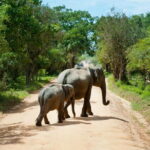
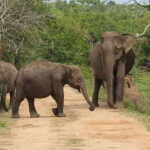
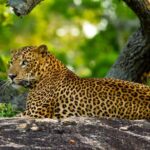
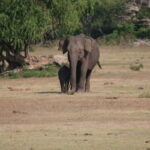
What you can realistically look for: leopards, elephants, crocodiles, and more
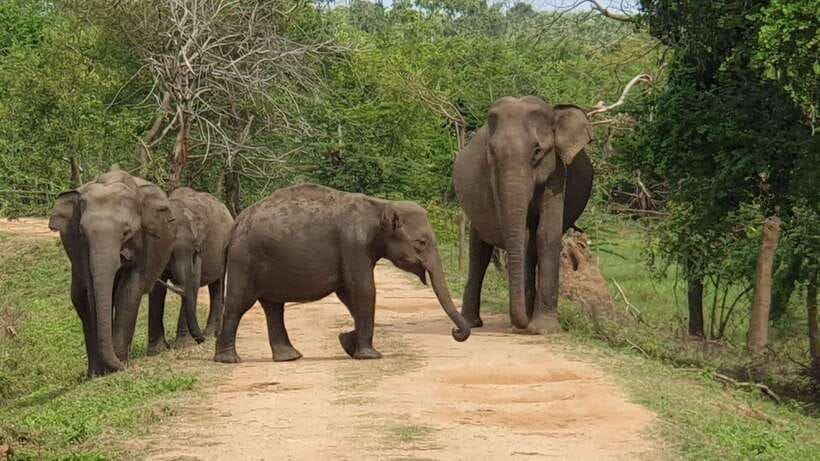
This safari is marketed around a clear set of targets, and the best part is you’re not locked into only one animal.
Here’s what the tour’s described as possible during your drive and park time:
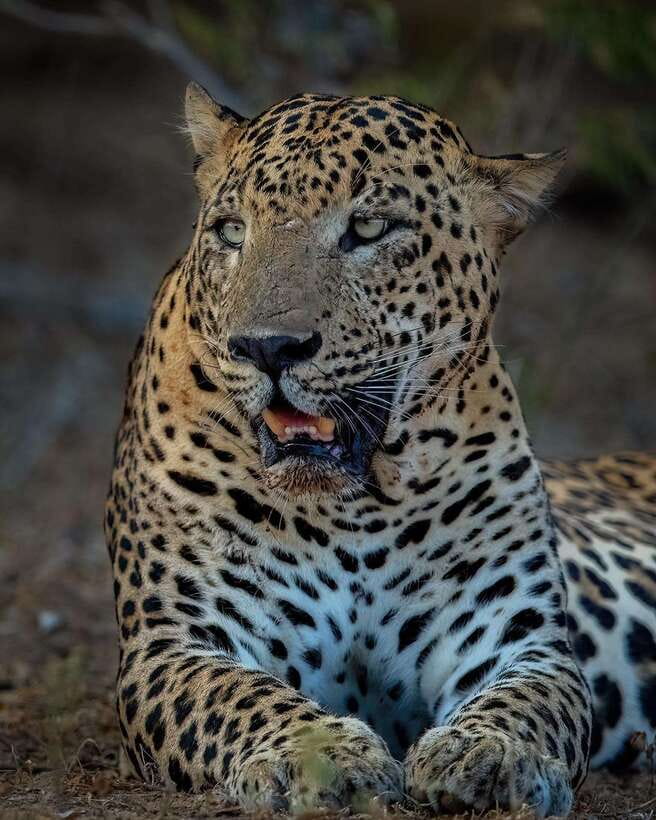
- Leopards (the headline draw)
- Elephants
- Crocodiles
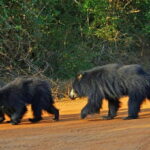
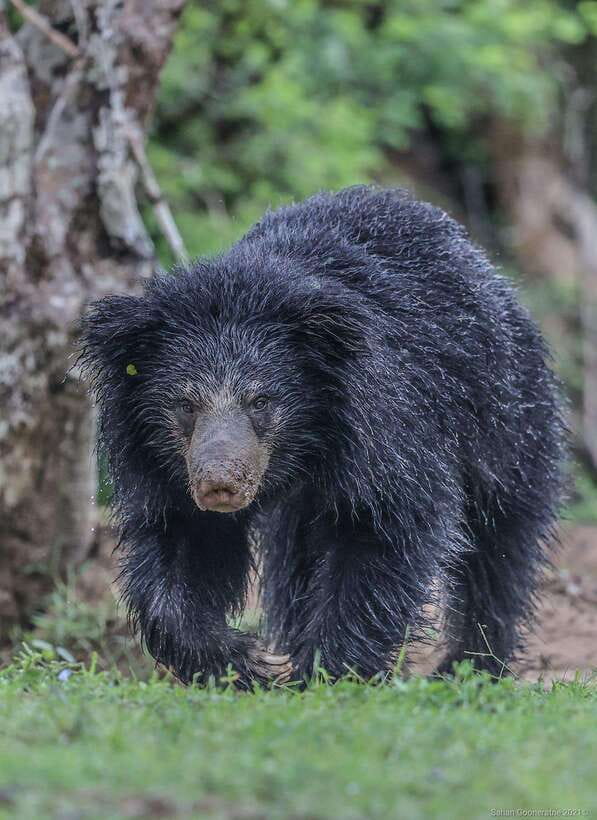
- Sloth bears
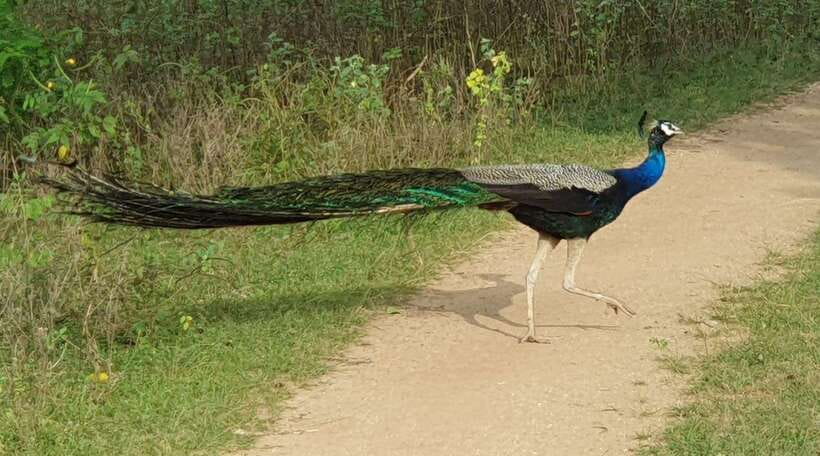
- A range of colorful birds
In my view, the practical value of that list is that your day stays interesting even if the leopard stays out of sight longer than you’d like. Yala can deliver variety: a leopard sighting is the big win, but elephants and crocodiles can keep the day moving with their own drama—breathing, drinking, moving between cover, or simply watching with patient focus.
Also note that the tour’s approach is “aim to show.” That’s a fair way to frame wildlife reality. The park can surprise you in both good and frustrating ways. So bring patience, keep your eyes sharp, and let the guide do the heavy lifting.
Photo stops and changing habitats: how to get better results
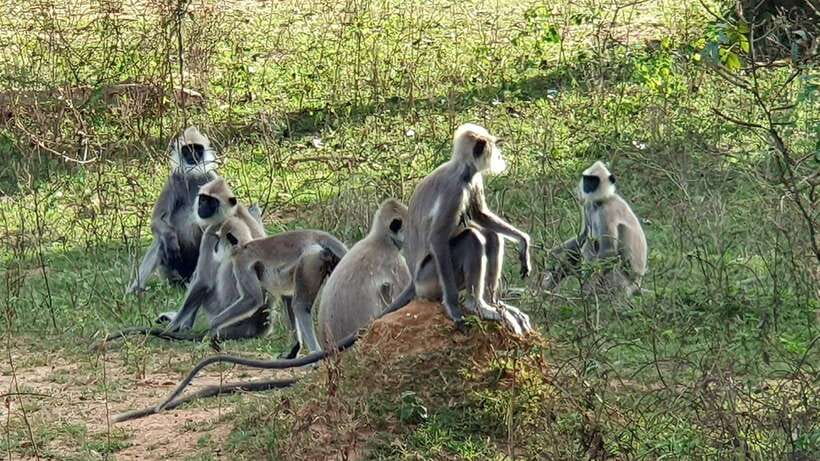
The route includes photo stops and scenic passing viewpoints as you work your way through the park area. Those moments can help you in two ways: you get a chance to reset your eyes, and you’re positioned to catch movement you might miss while your camera is away.
The park’s described as a mix of forests, open plains, and lagoons. That mix helps because wildlife shows up differently depending on light and water availability. If you see birds feeding or watch for animals moving toward a water edge, your chances usually improve.
One small strategy that helps on safari days: keep your scanning wide. Don’t stare only at the “most likely” spot. Guides often position you for the current action, but wildlife can shift, and you’ll catch the better view by moving your gaze methodically.
And yes, keep a calm camera grip. In a safari jeep, you’re handling uneven terrain and quick repositioning. If you rush, you’ll miss the moment.
The guide can make or break the day: Sule and Janaka as examples
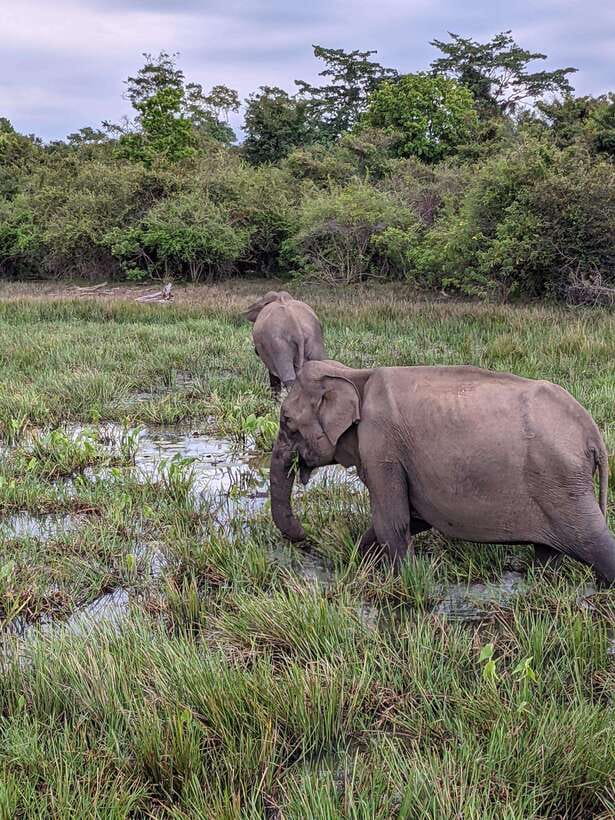
Two guide names come up in standout experiences: Sule and Janaka.
Sule is described as patient and informative, with a genuine love for sharing Yala knowledge. The strongest part of that experience is his animal-spotting skill: one lucky day included a leopard and a herd of elephants. That matters because it shows how guide talent can directly change the outcome, especially for leopards.
Janaka is described as friendly and professional, with deep knowledge and the ability to spot even elusive animals. In that account, the day included a leopard, crocodiles, and a variety of birds. The pattern is clear: when the guide understands where to look and how to read behavior, you get more wildlife variety, not just one moment.
The honest takeaway for you: this tour is built around expert guidance. If your driver is quiet or not communicative, you may still see wildlife, but you’ll likely enjoy it less. If you get a guide who explains what you’re watching, the whole day turns into a living classroom.
Price and value: what $16 gets you, and what it doesn’t
At $16 per person, this is positioned as a budget-friendly Yala safari. The included items are the big value drivers:
- Hotel pickup and drop-off
- Guide/driver
- 4×4 safari jeep
The main extra you should plan for is the national park entrance ticket, which is not included.
So is it “cheap” or “good value”? It’s best viewed as cost-effective because you’re paying for transportation, guidance, and a safari vehicle setup. You’re not arranging a private vehicle on your own. For many people, that’s the practical win: you get into the park with minimal fuss.
The catch is that wildlife isn’t guaranteed. That means the real “value” comes from how well the guide spots animals and how the timing works for your day. In other words, the ticket price is only part of the equation.
Half-day vs full-day: choosing the right length for your style
The tour duration runs from 4 to 12 hours, which is a big range. That flexibility can work for you if you pick what fits your energy level and your schedule in southern Sri Lanka.
A half-day style trip is good if:
- You want a strong safari hit without tying up your entire day
- You’re combining Yala with other nearby plans
- You don’t want a long stretch in a jeep
A full-day style trip can help if:
- You want more chances as the light changes
- You prefer to slow down and let sightings happen rather than chasing every minute
- You’re traveling at a pace where you can enjoy the ride and the stops
If your main goal is leopard spotting, timing is crucial. Sunrise or sunset viewing is built into the experience, so your chosen start time matters more than the label half-day or full-day.
Small tradeoffs to know before you go
Safari days are fun, but they have a few realities you should plan around.
First, wildlife viewing is unpredictable. Even with a guide and a strong target list, you can still have a day where animals stay hidden longer than expected.
Second, guide communication affects your enjoyment. One experience specifically complained about a lack of info and described the tour as uninspired. That’s a reminder to set your expectations: you’re buying access and guidance, but you’ll still want to actively engage—ask questions, listen closely when your guide calls attention to movement, and stay flexible.
Finally, the day includes travel time both ways (about an hour each direction). That’s normal for Yala, but it means you should pack like you’re spending time outdoors.
Should you book this Yala leopard safari?
I’d book this tour if you want a straightforward Yala experience with 4×4 jeep comfort and a guide who’s focused on spotting and explaining wildlife. The price can be a strong deal when pickup and transport are included, and the leopard-first focus gives you a clear purpose.
You should think twice or choose your timing carefully if:
- You’re the type who needs lots of interpretation to feel satisfied
- You’re sensitive to the idea that sightings are not guaranteed
- You want a very long, unhurried day—this tour range can vary, so check the actual duration option you select
If you do book, your best move is simple: lean into the guide. If you’re lucky enough to get someone like Sule or Janaka, you’ll get more than a drive—you’ll get a hunt plan, and you’ll notice details you’d miss on your own.
FAQ
Do I need to buy the national park entrance ticket?
Yes. The national park entrance ticket is not included, so you should plan to pay that separately.
What animals is this safari tour aiming to show?
The tour is aimed at showing leopards, elephants, crocodiles, sloth bears, and a variety of birds.
Is hotel pickup and drop-off included?
Yes. Hotel pickup and drop-off are included, with pickup options in Kirinda, Kataragama, or Tissamaharama.
What language is the guide?
The live guide/driver is offered in English.
How long is the tour?
The duration ranges from 4 to 12 hours, depending on the starting time and the selected option.
Do I travel by 4×4 jeep?
Yes. You’ll ride in a 4×4 safari jeep.
Is the tour good for both sunrise and sunset?
The safari includes a sunrise or sunset element, depending on the starting time you choose.
What should I do right before pickup?
Please wait in your hotel lobby about 10 minutes before your scheduled pickup time.