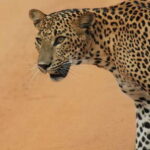
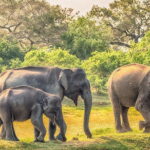
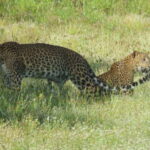
If you want wildlife without the chaos, this works. Bundala National Park is famous for its saltwater lagoons and UNESCO World Biosphere Reserve status, and a Jeep safari is a practical way to scan for animals while you soak in the dramatic birdlife. I especially like the focus on big sightings (elephants and crocodiles show up when conditions are right) and the sheer variety of birds—more than 200 species—so even if mammals are quiet, the park still delivers.
For me, another win is the flexible timing. You can choose a morning or evening safari, or go full day if you want more chances at changing animal behavior. The one drawback to think about is that wildlife spotting is never guaranteed, so you’ll want realistic expectations and good patience on uneven ground.
In This Review
- Key things I’d plan around before you go
- First Stop: Riding Into Bundala’s Saltwater Lagoon World
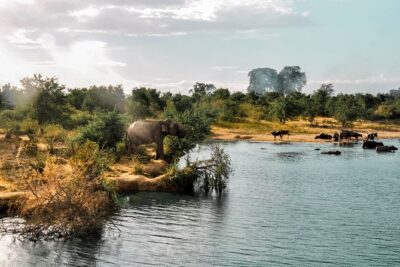
- What You’ll Actually See: Elephants, Crocs, and 200+ Bird Species
- Morning vs Evening vs Full Day: Pick Your Best Safari Pace
- Morning safari
- Evening safari
- Full-day safari
- The Jeep Safari With Shehan Safari: Why the Guide Matters
- Stop One: Exploring Bundala’s UNESCO Biosphere Reserve
- Food and Value: Is $88 a Fair Deal?
- What to Bring for a Better Safari Day
- Logistics That Actually Matter: Tickets, Pickup, and Meeting Point
- Who This Bundala Safari Is Best For
- Should You Book Bundala With Shehan Safari?
- FAQ
- How long is the Bundala National Park safari?
- Do I get to choose a morning or evening safari?
- Is hotel pickup included?
- Is food included?
- What wildlife and bird species are you likely to see?
- Where does the tour start and end?
- Is there a mobile ticket?
- What is the cancellation policy?
Key things I’d plan around before you go
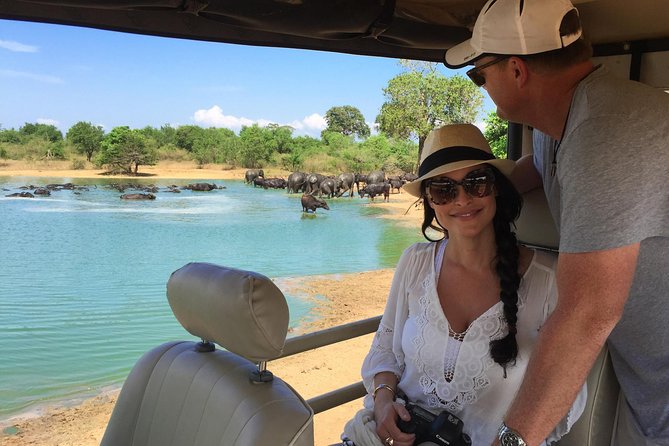
- Choose your best light: morning for steady searching, evening for that classic sunset vibe
- Saltwater lagoons = different animals: watch for crocodiles and waders near the water edges
- Bird-first park: expect 200+ species, including greater flamingos and spoonbills
- Good spotting depends on timing: bring a camera ready for quick, distant moments
- Food planning matters: only full-day includes picnic breakfast and lunch
- Friendly guide can make a difference: guides named Sakun and Yasanka stand out for spotting and calm vibes
First Stop: Riding Into Bundala’s Saltwater Lagoon World
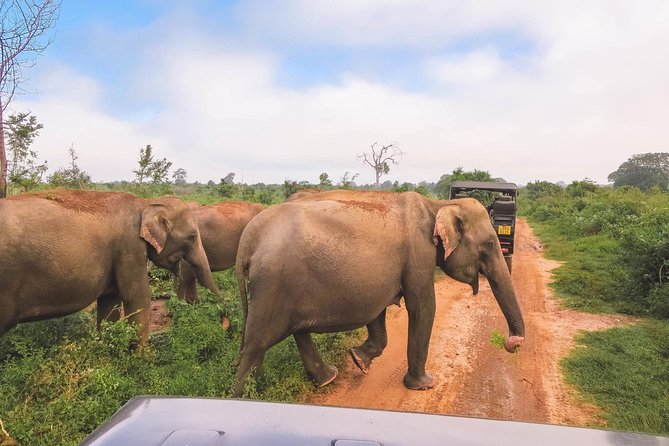
Bundala National Park sits in Sri Lanka’s southern region near Hambantota, and the whole safari concept makes sense fast: you’re not just taking a walk—you’re riding by Jeep so you can cover more ground and reposition quickly. The park is a UNESCO World Biosphere Reserve, which matters because it explains the balance between protected habitat and wildlife viewing.
The core “what makes it interesting” piece is the saltwater lagoon landscape. That mix of water, shoreline, and open areas changes what you’ll see. Crocodiles and other reptiles are often tied to watery edges, while wading birds and flamingos can move along shorelines depending on light and water conditions. It’s one of the reasons this safari feels different from places that are purely forest trails.
You also get a clear sense of how the safari runs: your trip is centered around a single safari experience with a guide and private safari Jeep setup. Hotel pickup is available if you select that option, which is helpful if you’re staying away from the park entrance.
One practical thing: this is wildlife viewing. You’ll spend time looking, stopping, and scanning. If you hate waiting, you’ll still find it worth it here because the birdlife keeps the search interesting even when mammals take their time.
You can also read our reviews of more tours and experiences in Hambantota.
What You’ll Actually See: Elephants, Crocs, and 200+ Bird Species
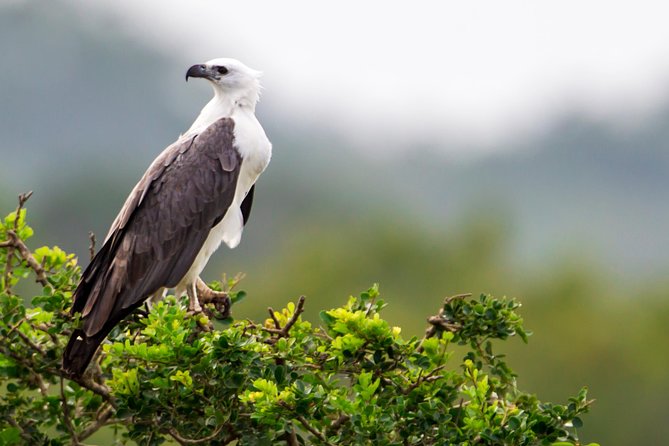
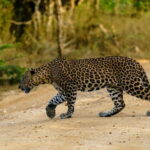
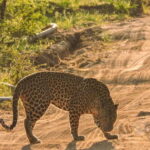
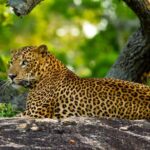
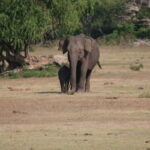
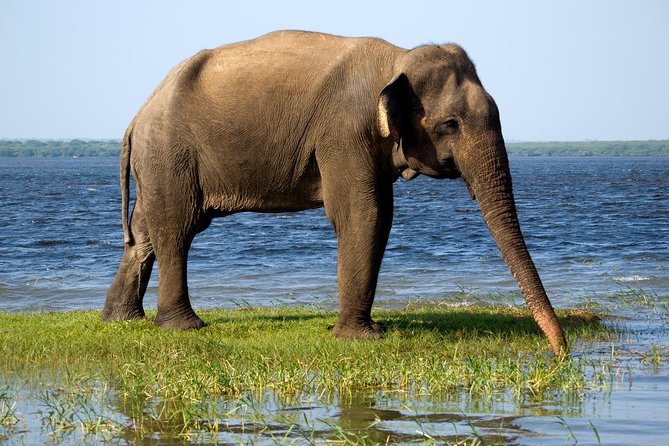
Bundala’s reputation is built on both mammals and birds, and this safari is structured around that mix. The park is described as home to over 300 species of animals, and that includes everything from herds of elephants to smaller predators and reptiles.
Here are the types of wildlife you should keep an eye out for:
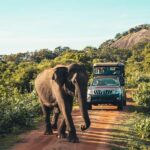
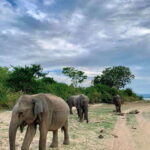
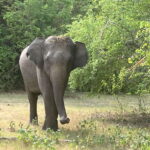
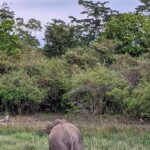
- Elephants: the big attraction—sometimes seen as a herd moving through the area
- Crocodiles: especially relevant around lagoon edges
- Tortoises and reptiles: including snakes (sightings depend on where they’re active)
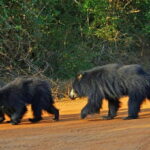
- Predators and small mammals: such as jackals, barking deer, wild boars, and rusty-spotted cats
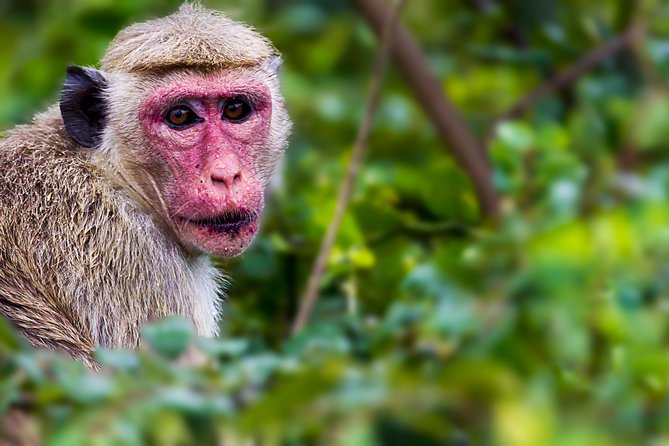
- Monkeys and langurs: often spotted when they’re feeding or moving through open areas
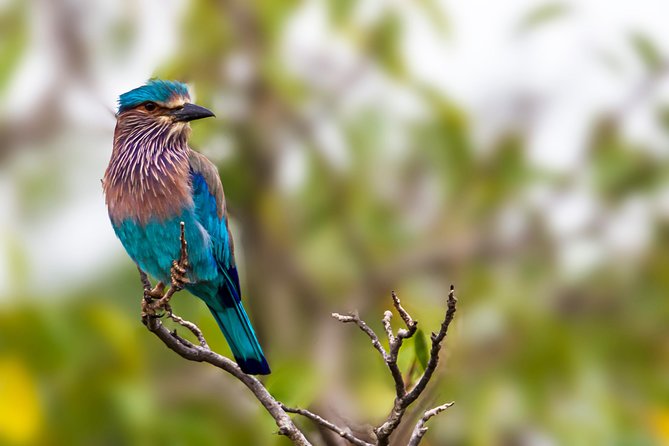
Then there’s the bird section, and it’s the star for many visitors. The safari description highlights more than 200 avian species, including:
- Greater flamingos
- Cormorants
- Eurasian coots
- Storks
- Ducks
- Spoonbills
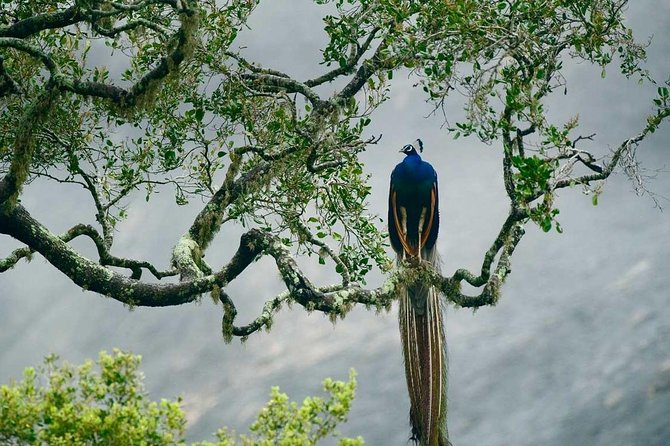
Birding here rewards focus. Even when animals are far away, you can still “win” by identifying silhouettes, listening for calls, and watching movement along waterlines. If you’re traveling with someone who gets excited about birds more than mammals, this is one of those places where both interests can align.
One more detail that affects your experience: spotting happens from a Jeep. That means you’re typically scanning from a seated position and watching for animals that don’t want to be noticed. A good guide helps you read the landscape quickly, which is why the reviews mentioning guides like Sakun and Yasanka feel relevant—good eyes and calm guidance make a real difference.
Morning vs Evening vs Full Day: Pick Your Best Safari Pace
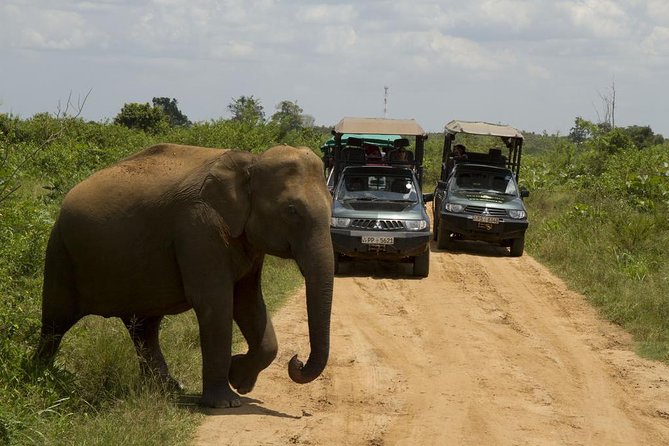
This safari comes in multiple time styles: morning, evening, or full day. That choice matters because animals and birds shift their activity with heat, light, and water movement.
Morning safari
Morning tends to feel like steady work: you’re searching while temperatures are easier and animals may move more. You’ll still focus on lagoon areas and open sightlines, and you can often enjoy longer scanning periods without the late-day rush.
Evening safari
Evening is where Bundala often feels most dramatic. The tour highlights the chance for a dramatic sunset during the evening safari, and sunset isn’t just scenery—it also changes how birds and reptiles move and how visible they are near the water edges. If you want fewer hours but a more atmospheric finish, this is a strong pick.
Full-day safari
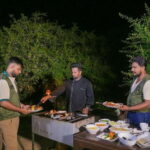
If your goal is “see as much as possible,” go full day. Full-day tours include picnic breakfast and picnic lunch, and that’s not a small perk. Feeding yourself in a park can otherwise become a stress point: you either spend extra money or spend more time coordinating. With meals included, you can stay in the experience rather than timing around hunger.
You’re also more likely to catch different animal behavior because you have a longer window and more chance to reposition as conditions change.
The Jeep Safari With Shehan Safari: Why the Guide Matters
Your safari runs with Shehan Safari and is described as exploring the park aboard a private safari Jeep. That private Jeep detail matters because it usually means you’re not stuck watching wildlife through a crowd’s heads. You get the freedom to stop and re-check spots when something moves.
The guide is also where the experience gets smoother. In the feedback you’ll find recurring praise for guides who:
- spot animals that are far away
- keep the mood calm and friendly
- help you make sense of what you’re seeing
Examples from guide names that come up include Sakun and Yasanka. Even if you don’t get the exact same person, the pattern is clear: you want someone who can scan efficiently and interpret what’s happening in the landscape.
A small but important tip: sit in a position where you can see without constantly twisting. If your Jeep stops suddenly, you’ll want a quick eye line to the water, not a slower scramble.
Stop One: Exploring Bundala’s UNESCO Biosphere Reserve
Your main “stop” is essentially the whole safari circuit: Shehan Safari’s time inside Bundala National Park, focusing on saltwater lagoons and wildlife sightings. Since the experience description centers on this single guided safari loop, you shouldn’t expect a multi-stop schedule like a city tour with distinct monuments. Instead, think of it as one continuous search strategy across the reserve.
What you can expect during this time:
- driving through lagoon-adjacent areas
- scanning for reptiles near water and open ground
- watching birds in active zones (shorelines and shallow edges)
- repeated stops when the guide spots movement
Because the itinerary isn’t broken into multiple named sites, your “where to look” is guided by experience and real-time sighting chances. That can be better for you than a rigid script—wildlife is responsive, and the Jeep format helps you chase leads without wasting time.
Drawback to consider: if the wildlife is quiet on your day, you might spend longer waiting at stops. This isn’t a “checklist” tour; it’s a nature tour, and the best days happen when animals decide to be visible.
Food and Value: Is $88 a Fair Deal?
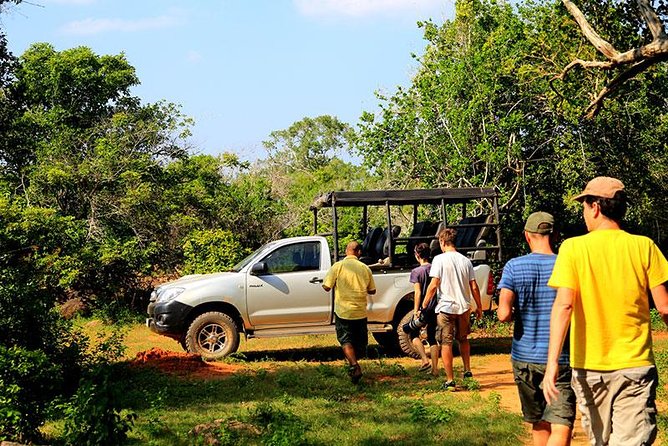
The price is $88.00 per person, and on paper it’s a straightforward half-day-to-long-day range (about 4 to 12 hours depending on option). The real value question is what you get for the money beyond the Jeep ride.
Here’s what’s included:
- All taxes, fees and handling charges
- National Park fees
- Driver/guide
- Hotel pickup and drop-off if you choose that option
What’s not included:
- Food and drinks
- For half-day options, you can arrange picnic breakfast (8 USD per person) and picnic lunch (10 USD per person) for an extra charge
- Full-day includes picnic breakfast and lunch
So, when does the value feel best?
- If you choose full-day, the meal inclusion reduces extra spending and keeps you in the park longer. That makes the $88 feel more like a “package” deal rather than just a transport fee.
- If you choose a half-day, you’ll want to plan your timing around eating, because food isn’t automatic. The optional breakfast/lunch add-ons help, but they do add cost.
In other words: this tour pricing makes the most sense when you match your food needs to the option you pick. If you can handle a half-day without meals or you can purchase food near your schedule, a morning or evening safari can be a smart, efficient spend.
What to Bring for a Better Safari Day
You’ll enjoy this safari more if you come prepared for a long scanning session in a natural park setting. Based on how Jeep safaris typically work in wildlife reserves, your best upgrades are the simple ones.
I’d bring:
- Binoculars if you have them (birds and distant animals become much easier)
- A camera with a lens you can use quickly
- Sunglasses and a hat for strong light, especially on lagoon edges
- Water (since food and drinks aren’t included unless you’re on full day)
- Comfortable shoes for short walks during stops
Also, dress for movement and warmth changes. Even if the time range is “daylight,” you’ll still be outside for hours while the Jeep stops and starts.
Logistics That Actually Matter: Tickets, Pickup, and Meeting Point
You’ll start and end at the same meeting point: Bundala National Park, Weligatta, Bundala 82004, Sri Lanka. That’s useful because it reduces day-of confusion about where to return.
You also get mobile ticket and confirmation at booking time. If you’re staying in the right area, you can add hotel pickup and drop-off. This is worth thinking about because bundala-area travel can eat time; saving that transit effort lets you spend more of your paid hours on wildlife searching.
Minimum group size is 02 people per booking, which affects solo planning. Maximum is 99 travelers—that sounds big on paper, but in practice your Jeep experience is still guided as a safari unit.
Who This Bundala Safari Is Best For
This safari fits best if you want wildlife viewing with a bird-heavy focus and you like the idea of scanning from a Jeep rather than doing long hikes.
It’s a great match for:
- couples or friends who want a relaxed but active half-day or full-day nature plan
- bird lovers chasing species like greater flamingos and spoonbills
- families who need a “big payoff” activity without complicated logistics
- anyone who wants a calmer alternative vibe compared with busier sightseeing areas
If you only care about one animal—say elephants only—this still can work, but you’ll get more value by going in open-minded. Bundala’s strength is variety, from crocs to tortoises to birds that keep you entertained even when mammals are moving quietly.
Should You Book Bundala With Shehan Safari?
I’d book this if you want a well-paced wildlife day centered on lagoon habitat, with real chances at both reptiles and birds. The best reason to choose it is the combination of access (Jeep coverage) and focus (saltwater lagoon and 200+ bird species), plus the flexibility of morning, evening, or full day.
Pick full day if you hate the food puzzle and want maximum time for changing animal behavior. Pick morning or evening if you want a shorter plan and prefer either steady searching (morning) or sunset atmosphere (evening).
One last reality check: wildlife is wildlife. Your day’s “wow” factor depends on what’s out and visible. The upside is that Bundala’s birdlife means you’ll usually have plenty to look at even when the bigger animals take their time. If that sounds like your kind of safari, this one is a strong choice.
FAQ
How long is the Bundala National Park safari?
The experience runs from about 4 to 12 hours, depending on whether you choose a half-day safari or a full-day safari.
Do I get to choose a morning or evening safari?
Yes. You can select a morning or an evening safari option, or you can choose the full-day safari.
Is hotel pickup included?
Hotel pickup and drop-off are included if you select that option.
Is food included?
Food and drinks are not included for half-day tours. Full-day tours include a picnic breakfast and picnic lunch. Breakfast costs 8 USD per person and lunch costs 10 USD per person if you need to add them to other tour lengths.
What wildlife and bird species are you likely to see?
You may see elephants, crocodiles, tortoises, and other animals, plus more than 200 bird species, including greater flamingos, cormorants, Eurasian coots, storks, ducks, and spoonbills.
Where does the tour start and end?
It starts at Bundala National Park, Weligatta, bundala 82004, Sri Lanka, and ends back at the same meeting point.
Is there a mobile ticket?
Yes, the tour includes a mobile ticket.
What is the cancellation policy?
Cancellation is free if you cancel up to 24 hours in advance for a full refund. If you cancel within 24 hours of the start time, the amount paid is not refunded.