Colombo by tuk-tuk is a great way to get your bearings fast. This 3-hour loop uses slow-and-sure driving to take you past key landmarks and into the heart of the city’s religious and civic zones.
I especially like how it mixes big-photo stops with a few short visits, so you’re not just speeding by. I also like that you get a local guide with English plus lots of chances to ask questions and take pictures at the moments that matter. One consideration: you’ll do moderate walking and you may have to remove shoes at temples and religious sites.
In This Review
- Key points at a glance
- Tuk-Tuk Colombo: why this 3-hour route works
- Pickup and timing: what to expect once you’re in the vehicle
- Red Mosque and the Fort area: the street-level Colombo introduction
- Short temple visit rules you must know before you go
- Viharamahadevi Park and Gangaramaya: nature breaks and a major temple stop
- Independence Square and Town Hall: civic Colombo in one sweep
- Bandaranaike Memorial Hall and modern landmarks: Old meets new
- Sambodhi Chaityha, Old Parliament, and the lighthouse: history you can see from the road
- Street snacks and shopping: how to handle the souvenir stops
- Price and value: is $30 per group worth it?
- Who should book this tour, and who should skip
- Should you book the Colombo tuk-tuk city tour?
Key points at a glance
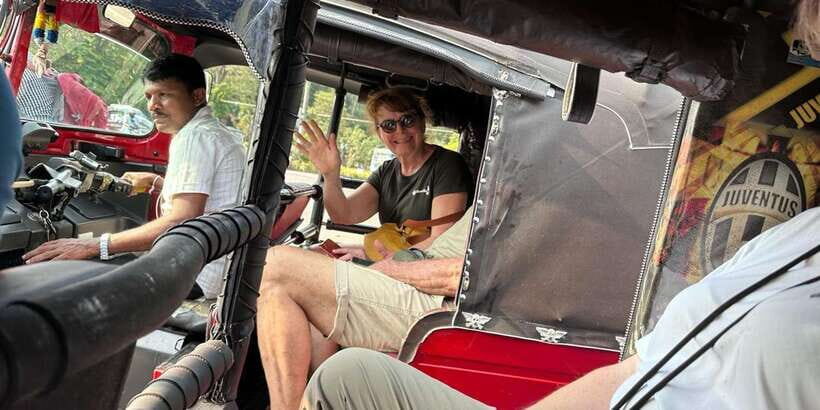
- Hotel pickup and drop-off by tuk-tuk means less hassle and more sightseeing time.
- Red Mosque (Jami Ul-Alfar) + Gangaramaya Temple put two major landmarks close together.
- Independence Square and colonial-era buildings give you a clear sense of Colombo’s public history.
- A guided “see-and-understand” route with frequent photo stops works well for a short stay.
- Entry tickets and most food are not included, so budget extra if you want to go inside and snack often.
Tuk-Tuk Colombo: why this 3-hour route works
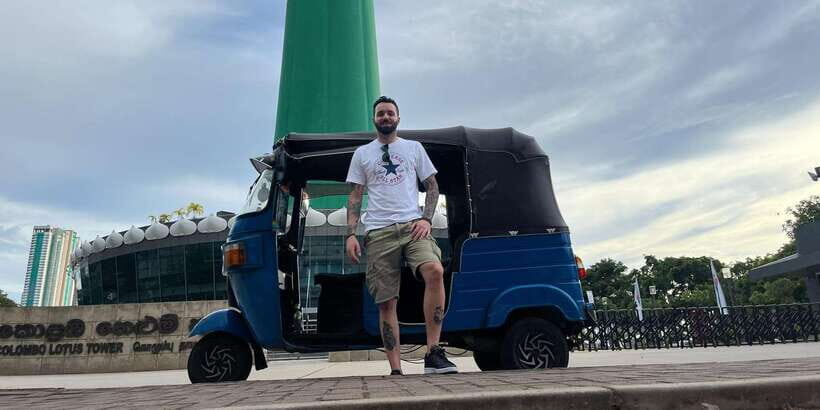
If Colombo is your one-stop visit (or your one free afternoon before you move on), this kind of tour is pure sense. You’re not trying to master buses, traffic, and directions in a day. You’re getting a guided ride that hits a chain of recognizable places—religious, civic, and historical—then brings you back.
The tuk-tuk format also changes how you experience the city. Roads that look intimidating on foot become manageable from the street-level seat. You can point, ask, and snap photos without feeling like you’re constantly “between transfers.” And because the tour runs about 3 hours, it’s timed for people who want value, not a whole-day production.
One more practical thing I like: you’ll get bottled water and the schedule is built around short stops. That’s handy in Colombo’s heat, because even quick temple visits or park walks can add up.
You can also read our reviews of more tours and experiences in Colombo.


Pickup and timing: what to expect once you’re in the vehicle
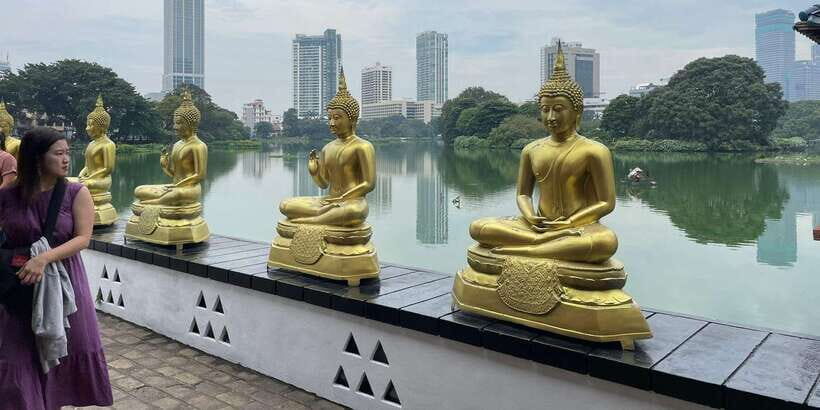
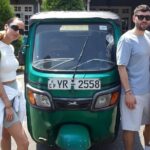
The tour is designed around hotel pickup and drop-off in Colombo. You start at your accommodation, climb into the tuk-tuk, and begin with quick orientation as the driver heads toward the Fort area.
The biggest comfort payoff here is how compact the route is. Each stop is short: photo pauses, brief walks, and time to enter at a couple of sites (with shoe rules). That keeps the pace active but not exhausting, especially since bottled water helps and the driver typically drives at a cautious, considerate speed.
That said, don’t plan this tour like a lazy beach afternoon. There’s moderate walking and you’ll likely be changing temperatures fast (air you can feel on a tuk-tuk ride vs. indoor temple shade). If you have mobility issues, back problems, heart concerns, or motion sickness, you should treat this as a “may not fit” tour based on the activity’s own suitability notes.
Red Mosque and the Fort area: the street-level Colombo introduction
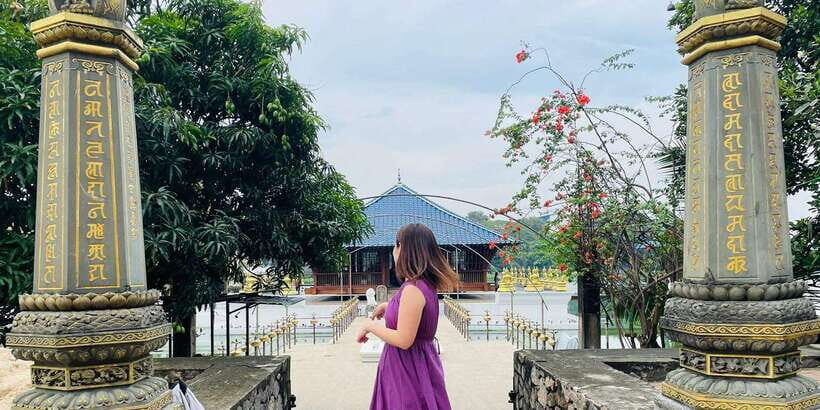
The tour’s first big landmark feel is the area around Jami Ul-Alfar Mosque, also known as the Red Mosque (Kòlamba Kòṭṭuvə Ratu Paḷḷiya). Even if you only pass by for views and photos, it’s a strong “Colombo personality” moment: a distinct visual marker, clear in shape and color, and instantly recognizable compared to the surrounding streets.
You also pass Fort Railway Station, which is useful even without a long stop. It frames the city’s role as a hub—old infrastructure still doing its job—so you start understanding Colombo as more than just modern blocks. Think of it as your quick “history in motion” preview.
For me, this early sequence works because it builds momentum. You get a clean first set of sights fast, then the tour shifts into places where you’ll slow down: temples, parks, and civic squares.
Short temple visit rules you must know before you go
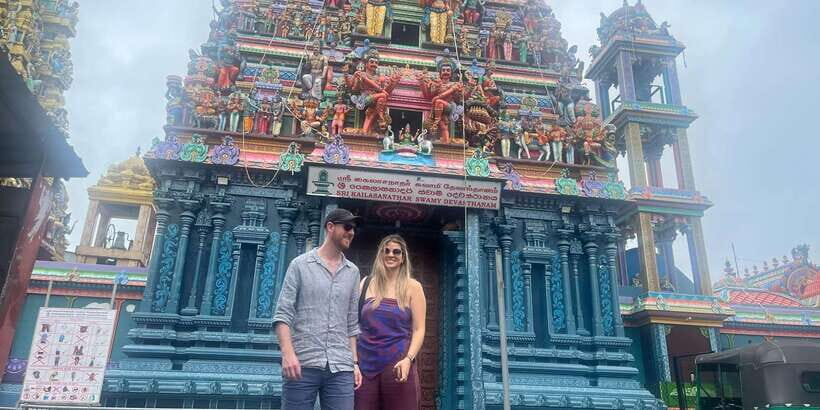
This is the part that can either make your day smooth or awkward, so read it like a checklist. When the route takes you into temples and places of worship, you must remove your shoes. You also need shoulders and knees covered.
That means: bring a light layer that you can easily manage. A thin scarf or shawl helps for temple entrances. And if you don’t want to mess with shoes, plan for a quick shoe-on/shoe-off rhythm and carry simple socks if you’re uncomfortable with bare floors.
Also, keep in mind the tour includes at least one stop where time is set aside for walking around and sightseeing (for example, temple grounds). So, expect a bit of movement, not just standing at gates.
Finally, a quick heads-up about fit: this tour is not marked as suitable for people with mobility impairments or wheelchair users, even though it’s also described as wheelchair accessible. That contradiction is exactly why you should message the operator before you book if you rely on a wheelchair.
Viharamahadevi Park and Gangaramaya: nature breaks and a major temple stop
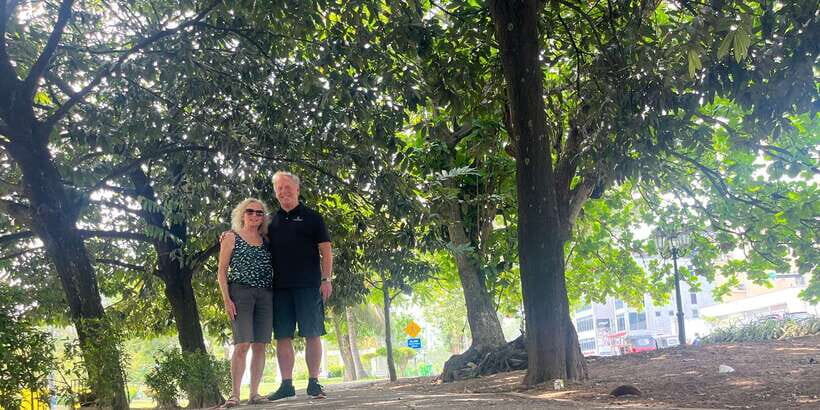
Next up is Viharamahadevi Park. This is a smart mid-tour reset: you get a photo stop and time for a short visit plus shopping nearby. Parks give you breathing space from car heat and city noise, and they’re also great for casual people-watching without needing a museum ticket.
Then the tour moves to Gangaramaya Temple, one of the most significant sites in Colombo. This is the longer stop (about 45 minutes), with time to visit, sightsee, and take your own self-guided pace. You’ll want your camera ready, but also your patience. Temples are active places, so you’ll be stepping into an atmosphere that’s part tourist, part worship.
The big advantage of having a guide here is not just storytelling. It’s understanding what you’re looking at and why the place feels the way it does. From what I’ve seen in guide-style patterns on this tour, you’ll get help with what to focus on visually, plus pointers for respectful behavior.
Practical tip: if you’re prone to sun headaches, this is where you’ll feel it. Colombo can be hot. Bring water (you’ll have bottled water), wear sun protection, and take shade breaks when you can.

Independence Square and Town Hall: civic Colombo in one sweep
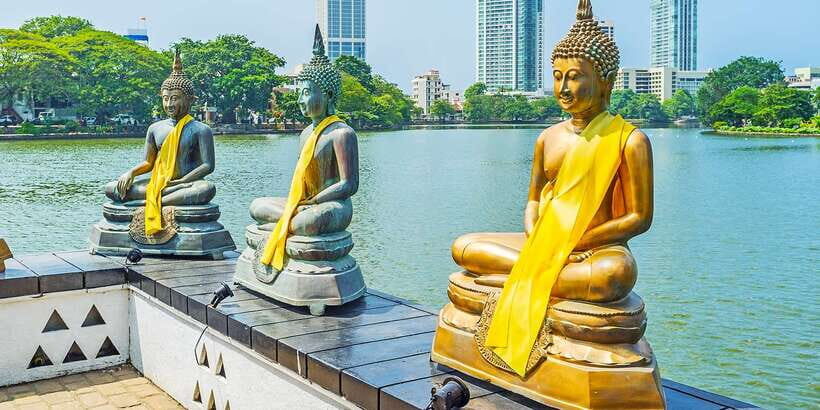
After the temple stop, the tour shifts into the civic and symbolic core: Independence Square, Colombo. You’ll get a photo stop plus time to visit and sightsee (around 15 minutes).
This is a valuable segment if you want the story of Colombo as a city shaped by politics, memory, and public space. Independence Square isn’t just a photo backdrop. It helps you connect Colombo’s present identity to its national narrative, especially when paired with the rest of the route’s colonial-leaning architecture.
The tour also includes views of the Town Hall and the broader old-city environment—places you can’t really appreciate just by reading signs. You need that slow look from the street and quick context from your guide to make sense of why the buildings look the way they do.
If you’re short on time, this is one of the best “big picture” stops. It’s also one of the easiest to enjoy without needing tickets.
Bandaranaike Memorial Hall and modern landmarks: Old meets new
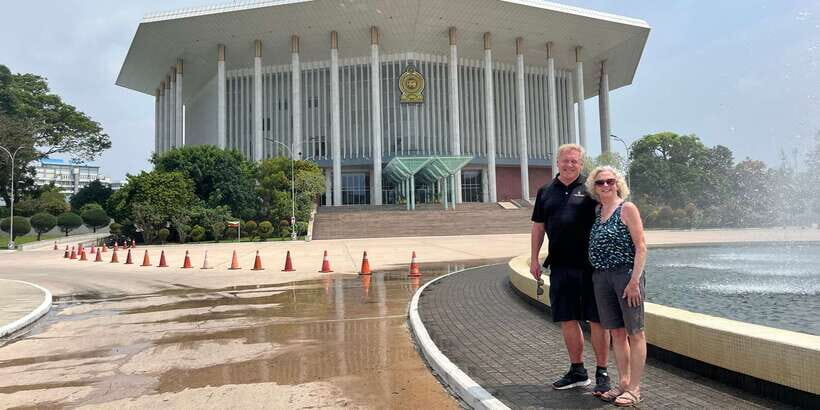
One of the standout structure moments is the Bandaranaike Memorial International Conference Hall. You’ll get a photo stop and a quick visit viewpoint (about 10 minutes), plus sightseeing from the route.
There’s a specific detail here that helps you understand why this building matters: it was a gift from the People’s Republic of China. Having that context turns the hall from just another large facility into a real piece of Colombo’s modern political and cultural connections.
You’ll also pass the Lotus Convention Hall for photos. This is more of a “look, note, remember” stop—just enough to let you orient yourself visually around the city’s newer architectural language.
My take: this mix is useful because it keeps the tour from being only temples and old streets. Colombo isn’t frozen in time, and your ride shows that.
Sambodhi Chaityha, Old Parliament, and the lighthouse: history you can see from the road
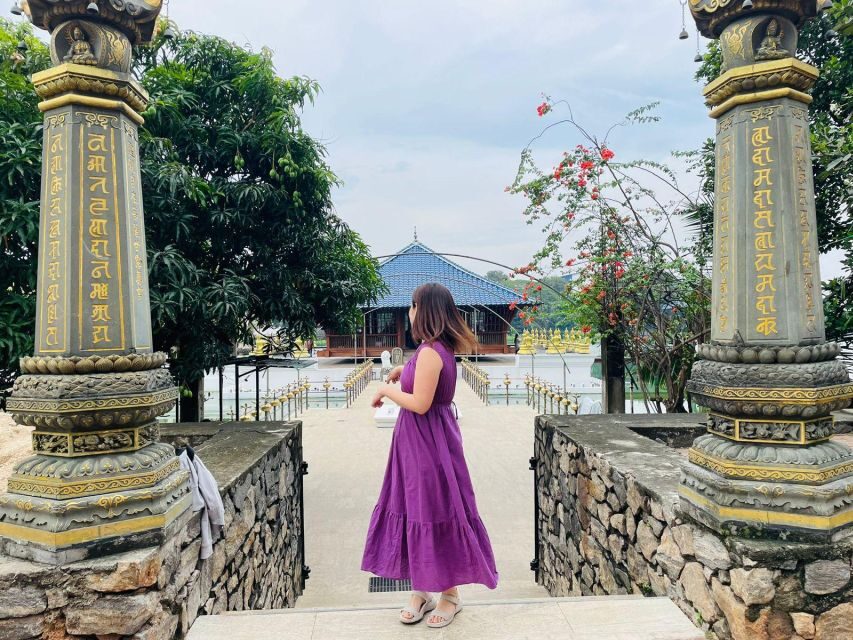
The tour route also works in a set of iconic landmarks that are easier to appreciate when you’re guided, especially for architecture and placement.
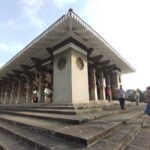
You’ll check out the Old Parliament, described as a colonial building facing the sea area. You’ll also see the Sambodhi Chaityha Buddhist Shrine, known for standing on two concrete arches. And you’ll encounter the route’s lighthouse views as well.
Then there’s the Old Parliament / colonial building feel, which ties directly to what you experience later at independence-focused sites. In other words: the tour is building a thread across your whole day. You start seeing Colombo’s story as a sequence, not random stops.
The one catch: you may not get long “inside this place” time at every landmark. Some stops are photo-pass style. If you love deep museum visits, this tour will feel more like orientation plus key highlights than a full academic-style day. But for value and first impressions, it’s strong.
Street snacks and shopping: how to handle the souvenir stops
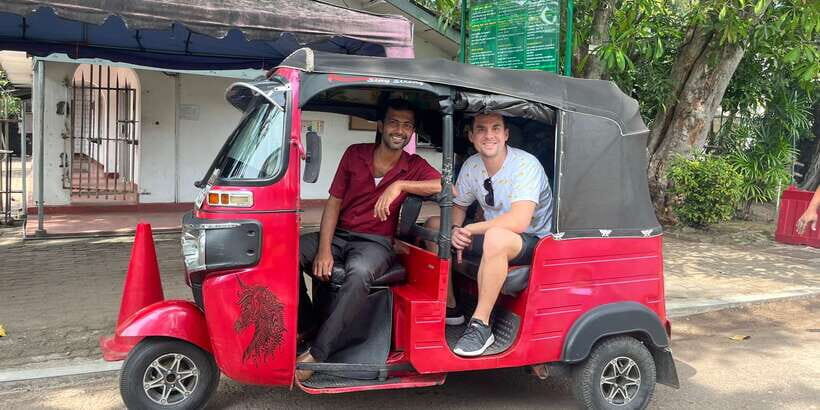
Toward the end, the tour includes options to buy souvenirs and it mentions an emporium or handicrafts shopping stop. There are also notes about enjoying street food.
Here’s how I’d handle this part if you’re cost-conscious. Treat shopping stops as optional browsing, not a requirement. If you want tea, crafts, or small gifts, pick a place you actually like—not the first one with enthusiastic sales pressure.
Some guides are reported to include small extras like local fruits, or even things like coconut milk or chocolate milk in a friendly, personal way. That can be a lovely touch. But since the tour data says additional food and drinks aren’t included, I wouldn’t plan a full lunch budget as part of the package. Instead, bring a little extra cash so you can grab what you want at your own pace.
If your priority is photos and temples, you’re still fine. The shopping is built into the schedule, but it’s not the only focus.
Price and value: is $30 per group worth it?
At about $30 per group up to 2 for 3 hours, this is one of those Colombo deals that makes sense for short stays. You’re paying for three things at once: transportation (hotel pickup and drop-off), a guided route through key spots, and bottled water.
If you tried to DIY this with tuk-tuk taxis or multiple rides, you’d spend time negotiating and you might miss the connections between sites—why they’re placed where they are, and what you’re seeing. That’s what the guide role solves: it turns “pretty buildings” into “I understand why this matters.”
The only way it’s not great value is if you want long, ticketed museum visits or you want a slow, unstructured day. This tour is built for efficient highlights, not for deep ticketed exploration. Since entry tickets aren’t included, you may spend a little extra if you decide you want to go inside multiple places.
Still, for most people doing Colombo as a day stop, it’s a sensible price.
Who should book this tour, and who should skip
This tuk-tuk tour is a great fit if you want:
- A fast, organized highlights route with hotel pickup
- A mix of religious sites and civic landmarks
- Easy photo opportunities without navigating traffic
It’s also a strong option for solo visitors because the format naturally supports questions and comfort during stops, and many guides on this route are described as friendly and attentive.
Skip it—or confirm carefully—if you’re:
- Pregnant
- Dealing with back problems
- Managing heart problems or serious mobility limitations
- Prone to motion sickness
- Sensitive to lactose (this is listed as a not-suitable factor)
And remember the temple rules. If you don’t want to remove shoes or you can’t cover shoulders/knees, you’ll have a harder time enjoying the stops.
Should you book the Colombo tuk-tuk city tour?
I’d book it if your goal is to get a clear first sense of Colombo in a short time window. The structure of the route—big photo moments, at least one meaningful temple stop, independence-focused civic space, and modern landmark passes—adds up to a day that feels efficient without feeling rushed.
I would not book it if you want long indoor sightseeing, museum-heavy time, or a purely relaxed walk-around-your-own-itinerary day. Also, if you have mobility challenges or need careful access planning, double-check fit because the activity notes include both wheelchair accessibility language and a “not suitable for wheelchair users” warning.
If you do book, my best advice is simple: wear something light but respectful for temples, plan for some walking, and treat souvenir stops as optional. Get your photos at the places that matter to you, ask your guide what to notice, and enjoy the ride. Colombo can be intense. This tour keeps it manageable.