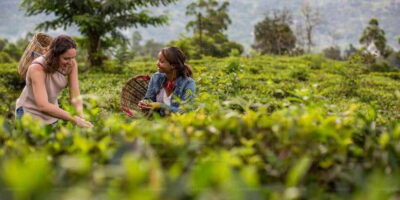
Curry lessons start at the market. I love the market tour where you choose fresh vegetables and get guided spice talk, then I love the hands-on village cooking with hosts like Shyama as you put together a full Sri Lankan meal you’ll actually eat. It feels local, not staged.
One thing to plan for: the activity ends back at the meeting point, and at least one past participant noted return transport wasn’t clearly explained in advance. If you are staying outside the easy area around Kandy Municipal Central Market, confirm how getting back works before you go.
In This Review
- Key highlights at a glance
- Entering the Day with Kandy’s Market Wisdom
- The Hands-On Village Kitchen (Where Cooking Finally Feels Normal)
- What You Cook: Curries, Side Dishes, and a Dessert Finish
- The Route Around Kandy: Lake Views and a Dance Show
- The Hospitality Factor: How Small Groups Change Everything
- Price and Value: Why $25 Can Actually Make Sense Here
- Who Should Book This (and Who Might Want to Skip or Modify)
- Should You Book the Kandy Village Cooking Class?
- FAQ
- How long is the Kandy Village Cooking Class?
- Where does the experience start and end?
- Is pickup available?
- What happens during the market visit?
- Can I choose chicken or fish?
- Is there a village visit, and do I taste the food?
- What is the maximum group size, and are service animals allowed?
- Is free cancellation available?
Key highlights at a glance
- Market shopping with selection tips: pick five vegetables and learn how spices and ingredients fit together.
- Cook with a real host family: Shyama and her household guide you through traditional methods.
- Choose chicken or fish: you steer the meal based on what you prefer.
- You leave fed: you prepare multiple dishes and then taste the results together.
- Small group size: capped at 15 travelers for a more personal feel.
- Short Kandy route stops: the schedule includes stops around Kandy, including lake-area sights and a cultural dance show.
Entering the Day with Kandy’s Market Wisdom
This experience starts with a very practical idea: if you want real Sri Lankan flavors, start with the ingredients that make those flavors. In the market visit, you’re not just looking around. You’re guided to select five vegetables from what’s available, and you learn how cooks think about freshness, texture, and how ingredients behave in curries.
Spices are part of the lesson, too. You get explanations about what you’re seeing and why it matters, which is a big deal if you’ve only ever used Sri Lankan spice mixes from a jar. The market portion is also lively because you’re moving through stalls and talking with vendors during the selection process.
You also choose the main protein direction at this stage: you can go with either chicken or fish. That choice affects what you cook and how the meal comes together, so it helps you feel ownership from the start.
You can also read our reviews of more tours and experiences in Kandy.


The Hands-On Village Kitchen (Where Cooking Finally Feels Normal)
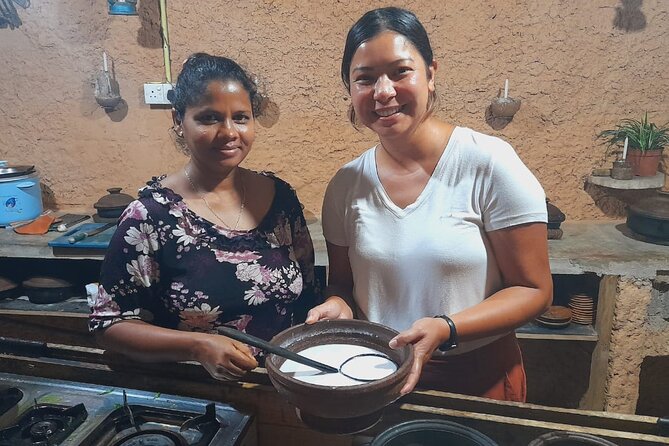
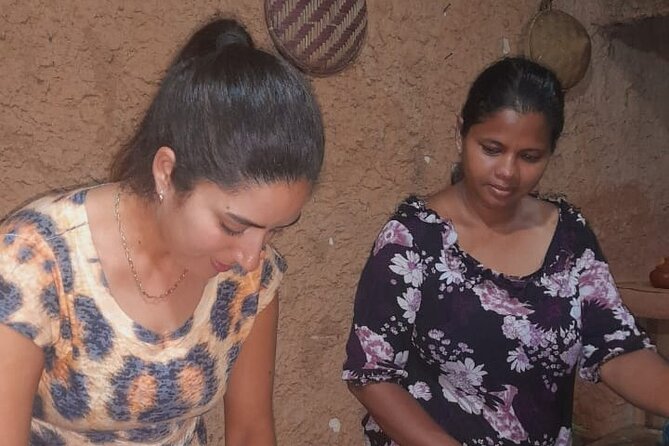
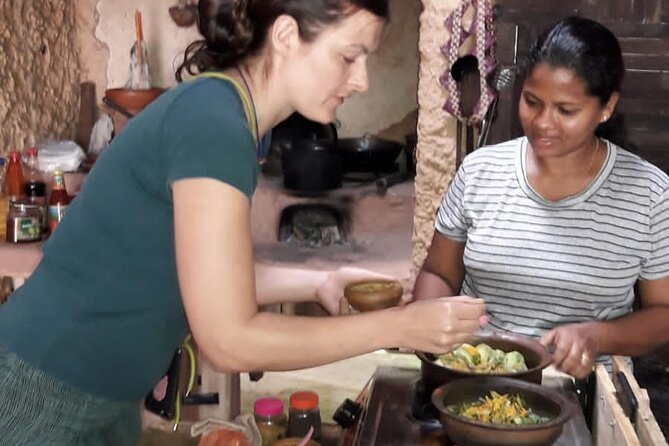
After shopping, you head to the village setting for the cooking. This is where the day stops being educational in a classroom sense and starts being participatory. You’ll be guided step-by-step, and the focus stays on helping you do the work, not just watch someone else do it.
The tone is warm and family-style. Past participants highlight how welcoming the hosts are, with Shyama described as friendly, kind, and an excellent teacher who answers questions. If you’re a confident cook, you’ll still appreciate learning local techniques and flavor logic. If you’re a beginner, you’re likely to feel supported because the instruction is practical and the steps are explained clearly.
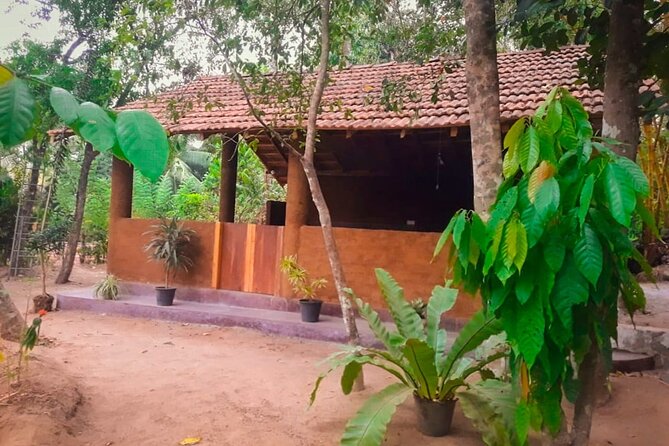
The kitchen setting is also part of the appeal. Several people mention an authentic outdoor or traditional kitchen space at the host family’s home, with a beautiful village feel. That matters because cooking classes can become generic quickly; here, you get the sense that this is simply how food gets made at home.
What You Cook: Curries, Side Dishes, and a Dessert Finish
By the end, you prepare a complete traditional Sri Lankan meal and then taste what you cooked. The exact number of dishes can vary, but based on participant reports, expect to make multiple curries and accompaniments in one sitting. Some reports mention cooking around 8 to 11 dishes, which is a lot for a 3-hour window, so you’ll be busy in a good way.
A few dishes come up repeatedly in accounts:
- Curry-focused plates such as chicken curry and vegetable curries
- Condiment-style items like sambal
- Vegetable dishes that participants specifically call out, such as special aubergine curry
- Sweet finishing plates, including caramel coconut pancakes
One review also mentions making coconut milk from scratch as part of the process. Even if the menu shifts slightly day to day, the bigger takeaway is consistent: you’re not just tasting curry. You’re learning how multiple components fit together into a Sri Lankan meal.
The Route Around Kandy: Lake Views and a Dance Show
Your itinerary includes stops around Kandy, which turns the day into more than just cooking. You’ll have a route through parts of Kandy city center, Kandy Lake, and a view point area, plus a stop at Kandy Lake Club for a cultural dance show.
Then the schedule brings you back through Kandy districts and onward to the Temple of the Sacred Tooth Relic. That temple stop is a big cultural anchor in Kandy, and even a brief visit gives you a sense of why this city matters beyond food.
Because the full experience is about 3 hours, these Kandy stops are best thought of as quick, efficient highlights rather than a slow sightseeing day. If you love planning your time tightly, this format is handy: you can still explore Kandy’s bigger sights separately while ticking off a food experience that’s genuinely hands-on.
The Hospitality Factor: How Small Groups Change Everything
With a maximum of 15 travelers, this class feels more personal than larger group cooking experiences. That size matters because you’re working at kitchen space and you need room for questions, adjustments, and real coaching.
Solo participants have also reported feeling welcomed and engaged with the group. Families with kids through grandparents have described it as a highlight of their trip, which tells me this is not just for food nerds or spicy-food brave hearts. If you want an activity where everyone can participate and then share the same meal at the end, this is a strong option.
Service animals are allowed, which is useful to know if you travel with one.
One more practical note: the experience includes pickup offered from a designated point for the market visit, and past participants mention being collected by driver for the ride out to the village. Still, because the ending is back at the meeting point, I recommend confirming whether you’ll be brought back to wherever you started, especially if you’re coming from outside central Kandy.






Price and Value: Why $25 Can Actually Make Sense Here
At $25 per person, this is priced like an efficient local experience, not a luxury food tour. The value comes from what you get in the package:
- Market selection for ingredients, including guided spice and vegetable explanations
- A hands-on cooking session where you help prepare multiple dishes
- A full meal tasting at the end
- A village setting plus a short visit in the surrounding area
Cooking classes can get pricey when they only teach a single dish, or when the market portion is basically window-shopping. Here, you choose ingredients and your meal starts with that decision. That’s the difference between learning recipes in theory and learning cooking logic you can reproduce later.
So yes, it’s affordable. But it’s not bargain-basement either. The high satisfaction rate tied to the hands-on format and the hospitality suggests you’re paying for time, instruction, and food you don’t leave hungry.
Who Should Book This (and Who Might Want to Skip or Modify)
This is ideal for you if:
- You want to cook Sri Lankan food using fresh ingredients, not just follow a recipe sheet
- You like market experiences that teach you what to buy and how to think about spices
- You want a village-based meal rather than a kitchen in a tourist area
- You’re traveling with mixed ages and want a shared activity that ends in a meal
It may be less ideal if:
- You have strict dietary needs. One participant mentioned celiac disease and reported there were no gluten-free options, with some ingredients removed instead. If dietary restrictions are critical for you, message the provider first and be very specific about what you can and cannot eat.
- You need guaranteed door-to-door return transportation. The activity ends back at the meeting point, and return transport clarity wasn’t perfect for at least one guest, so confirm your plan.
Should You Book the Kandy Village Cooking Class?
I think you should book it if your goal is to learn Sri Lankan cooking in a real household setting, start with real ingredients at the market, and leave with the kind of meal knowledge you can recreate at home. The strongest part is the combination of market-guided ingredient selection and hands-on cooking with Shyama and her household, plus the fact that you finish by eating what you made.
If you’re short on time but want a meaningful Kandy experience, this is a good match. Just do one smart thing before you go: confirm how you’ll get back after the experience, since it ends at the meeting point and pickup details can matter depending on where you’re staying.
FAQ
How long is the Kandy Village Cooking Class?
The experience runs for about 3 hours.
Where does the experience start and end?
It starts at Kandy Municipal Central Market at 144 Central Maket, Kandy 20000, Sri Lanka. It ends back at the same meeting point.
Is pickup available?
Yes. Pickup is offered from a designated point for the market visit.
What happens during the market visit?
You visit a local market with guidance on selecting five vegetables. There are also detailed explanations about spices and other ingredients.
Can I choose chicken or fish?
Yes. During the market visit, you can choose either chicken or fish.
Is there a village visit, and do I taste the food?
Yes. The experience includes a brief visit to a nearby village, and you’ll also enjoy tasting the delicious food you helped cook.
What is the maximum group size, and are service animals allowed?
The tour/activity has a maximum of 15 travelers, and service animals are allowed.
Is free cancellation available?
Yes. You can cancel for a full refund up to 24 hours in advance of the experience’s start time.