One rock, two temples, and a long day done right.
This Kandy to Sigiriya tuk-tuk tour strings together Matale’s Hindu temple, the Dambulla Cave Temple, a spice stop, and the Sigiriya area climb (either Lion Rock or the often-less-crowded Pidurangala option). I love that the day feels balanced: big UNESCO sights early, then nature or village life later, with your English driver guiding the flow. My favorite part is how the driver helps you shape the route on the fly (some guides even steer you toward Pidurangala as the smarter budget pick). The one drawback: it’s a 10-hour schedule with real walking and plenty of stairs, and ticket fees for the rock/temples add up.
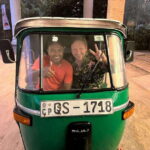
I also really like the human touch. Guides like Mangala and Sanjeewa (and also Ranjan, Lanka, Dilan, Tony, and others) repeatedly come up in accounts for being flexible with what you want to see, stopping for photo breaks, and handling small issues calmly—like making sure you start the climb in the right direction or adjusting when rain hits hard. It’s also small-group style, limited to 2 participants, so you’re not sharing your day with a crowd.
Price feels fair if you plan the extras. The tour is about $25 per person, but entry tickets and some optional add-ons (like the wildlife safari or village safari) are not included, and food/drinks aren’t included either. If you hate stairs or you want total downtime, this may feel like “go-go” all day.
In This Review
- Key tour details worth knowing
- Planning Your 10-Hour Kandy-to-Sigiriya Tuk-Tuk Route
- Matale Hindu Temple and the Mariamman Story on Display
- Dambulla Cave Temple: Five Caves and Over 150 Buddha Statues
- Herbal Cinnamon and Spice Garden: A Taste Lesson Without the Lecture
- Wildlife or Village Safari: Two Ways to See Life Near Sigiriya
- Option A: Wildlife safari around Minneriya
- Option B: Village safari in Hiriwadunna (or nearby villages)
- Sigiriya Rock Fortress vs Pidurangala Rock: Pick Your Pain, Then Earn Your View
- Climbing Sigiriya (Lion Rock)
- Climbing Pidurangala
- Gem Museum and Batik Factory Stops: Educational, But Expect Retail Moments
- Tuk-Tuk Comfort, Driver Style, and Why This Tour Feels Personal
- Cost and Value: What You Pay vs What You’ll Still Need to Cover
- What to Bring (And the Small Stuff That Saves Your Day)
- Who Should Book This Tuk-Tuk Tour (and Who Might Skip It)
- Should You Book It?
- FAQ
- Do I need to pay entrance fees for the temples and rock?
- Is Sigiriya Rock Fortress guided by the driver?
- Can I choose between Sigiriya and Pidurangala?
- Are wildlife safari and village safari included in the base price?
- How many people are in the group?
- How long is the tour?
- What language is the driver-guide?
- What should I bring for the day?
Key tour details worth knowing
- UNESCO focus, not just driving: Dambulla Cave Temple and Sigiriya Rock Fortress are the anchors of the day.
- You choose the rock: either Lion Rock (with specific guidance rules) or Pidurangala Rock for a strong view at lower cost.
- Spice garden + factories: a herbal cinnamon/spice garden stop plus a gem and batik factory visit adds context (and some shopping pressure).
- Optional safari or village life: Minneriya wildlife or a village safari can be added, but those aren’t included in the base price.
- Small group, big flexibility: with only 2 participants, your driver can adjust timing and stops to your pace.
Planning Your 10-Hour Kandy-to-Sigiriya Tuk-Tuk Route
This is a true day trip: pickup from your hotel in Kandy, then a slow, scenic road ride to the Sigiriya area, with stops layered in along the way and a return to your hotel later. Expect a long but satisfying rhythm—get moving early, hit the major sights, then pick one “Sri Lanka life” add-on (wildlife or village) before the rock climb.
Because the tour runs about 10 hours, timing matters. You’ll want comfortable shoes and a hat, because the day is packed and the sun can be intense. Most days also include waiting for tickets and short walks between stops, not just the big monuments.
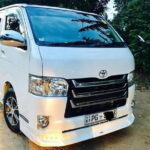
The tuk-tuk part is more than a gimmick. You get a driver who can pull over quickly for viewpoints and photo moments, and you don’t have to negotiate with separate drivers for each stop. That’s a real value when you’re going from Kandy to Sigiriya where the travel time can eat a chunk of your day.
You can also read our reviews of more tours and experiences in Kandy.
Matale Hindu Temple and the Mariamman Story on Display
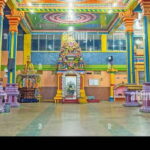
Matale’s Hindu temple is one of the first “culture shocks” of the day—in a good way. The site is known for colorful, detailed artwork and ornate architecture, including tall entrance towers (gopurams) and sculptures connected to Hindu deities and stories.
One specific detail to look for: it’s dedicated to the goddess Mariamman. That matters because it helps you read the artwork instead of treating it like decoration. If you’ve never visited a Tamil/Hindu shrine in Sri Lanka before, this stop gives you a fast, memorable primer on the island’s Tamil heritage.
Practical note: temple hours can affect what you see. In one case, the temple was visited mostly from the outside because it was closed, so keep your expectations flexible. Your driver can often help you get the best possible view even when access is limited.
Why I like this stop: it breaks up the day before the more purely “Buddhist and UNESCO” feel of Dambulla and Sigiriya. It also adds variety to your photos—bright reds, greens, and carved stone details contrast nicely with the gray-gold rock tones later.
Dambulla Cave Temple: Five Caves and Over 150 Buddha Statues
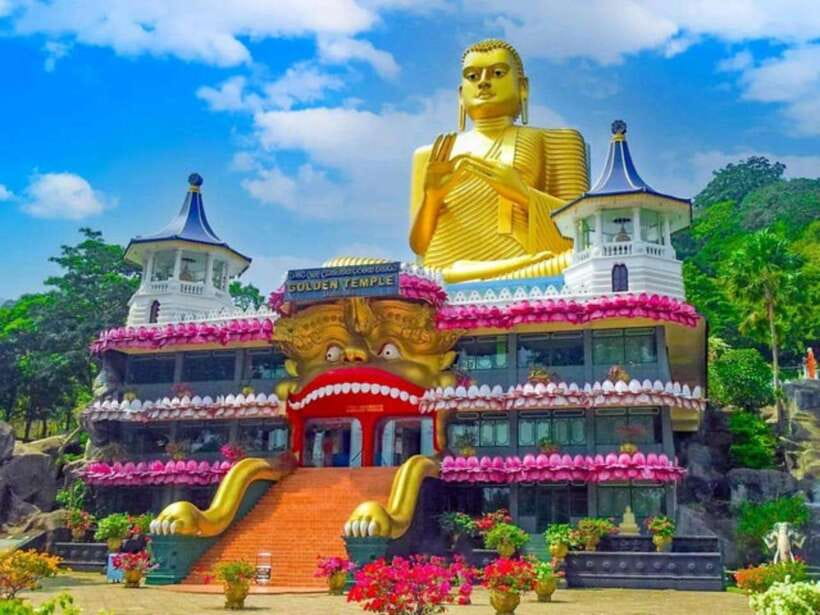
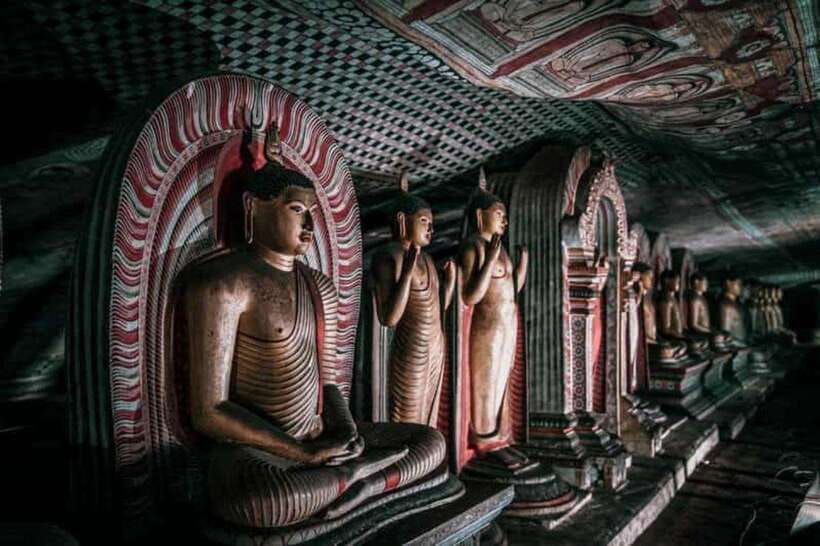
Dambulla Cave Temple is the UNESCO stop that really grabs your attention. The complex sits on a hilltop, and the caves are organized as five caves filled with Buddhist statues and long-running sacred art. The headline fact you should remember: you’ll see over 150 Buddha statues and wall/ceiling frescoes that date back more than 2,000 years.
Once you’re inside, take it slow. Don’t treat it like a checklist. The value here is seeing how art and devotion blend into one space over centuries. The cave frescoes cover ceilings and walls in layers, so even if you’re not a religion-history person, your eyes still find patterns and stories.
A hilltop cave site also means stairs and some uneven walking. So: comfortable shoes aren’t a suggestion. And since this is still early in the day’s schedule, it’s a smart time to use your energy before the rock climbs.
Ticket cost for Dambulla isn’t included in the base price, so plan on paying that on-site. Your driver can help you handle it smoothly, which makes a big difference when you’re trying to keep the day flowing.
Herbal Cinnamon and Spice Garden: A Taste Lesson Without the Lecture
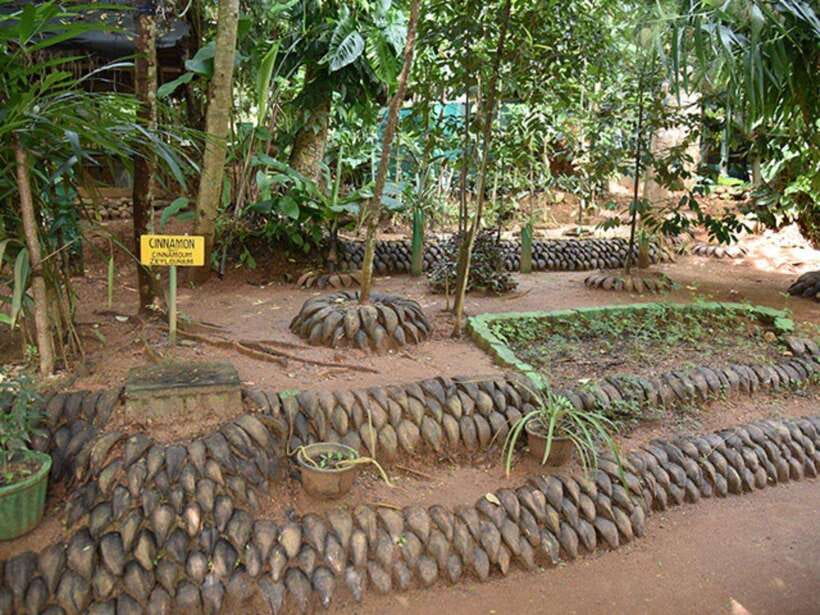
This stop is short, aromatic, and hands-on in a way that’s easy to enjoy. You’re in a herbal cinnamon and spice garden, where you’ll learn what Sri Lanka’s spices look like before they become curry flavor, tea aroma, or dessert fragrance.
It’s not just a photo moment. The garden visit helps you connect two things:
1) why Sri Lanka is famous for spices, and
2) how the island’s food culture is built on small natural ingredients.
One thing to keep in mind: free or low-cost garden stops sometimes come with an expectation that you’ll buy something. You don’t have to get swept up, but I’d treat it like a tasting stop. Sample what they offer, ask questions, and only buy if you genuinely want it.
This is also a good “reset” between temples and the big climb. You can cool down, hydrate, and regroup before heading toward Sigiriya.
Wildlife or Village Safari: Two Ways to See Life Near Sigiriya
Here’s where the tour becomes personal.

Option A: Wildlife safari around Minneriya
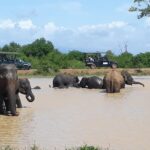
If you add the wildlife safari, you’re aiming for Minneriya National Park. This park is well known for large elephant gatherings, especially during the dry season. Even if elephants are the headline, you might also spot other animals like deer and peacocks, and occasionally predators such as leopards (plus a lot of bird species).
The trade-off: wildlife drives can be unpredictable, and you’ll spend time waiting. If you’re the type who gets restless doing nothing, balance it with patience—or pick the village option instead.
Option B: Village safari in Hiriwadunna (or nearby villages)
The village safari is a hands-on look at traditional rural life. You may ride a bullock cart, take a catamaran boat on a lake, and visit local homes where cooking and crafts are demonstrated. The day often includes a freshly prepared village-style meal and time to talk with locals.
In multiple accounts, this village portion is described as a strong highlight—especially for the realistic, everyday feel you don’t get from temples alone. If you want a more human-scale experience (and less chance-based viewing), village safari tends to satisfy.
Cost note: the wildlife and village safari add-ons are not included in the base tour price. But they can be worth it if you want more than just UNESCO sightseeing.
Sigiriya Rock Fortress vs Pidurangala Rock: Pick Your Pain, Then Earn Your View
This is the main event, and you get a meaningful choice.
Climbing Sigiriya (Lion Rock)
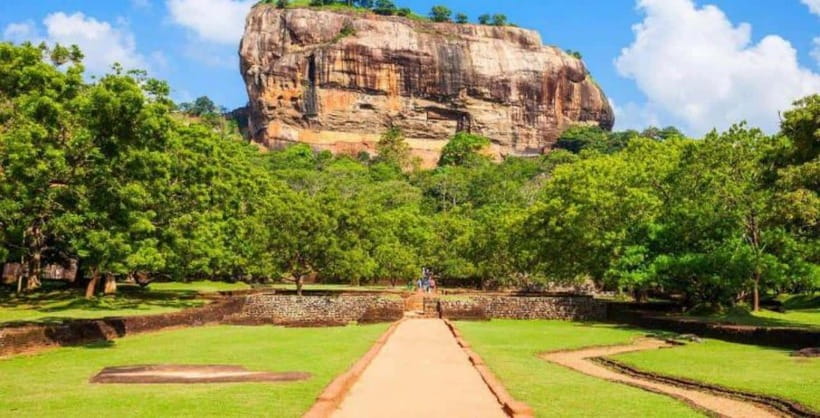
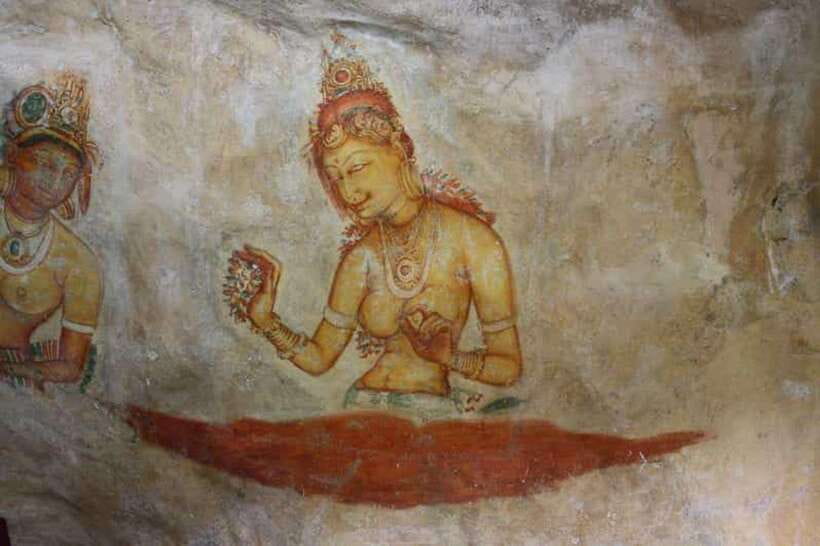
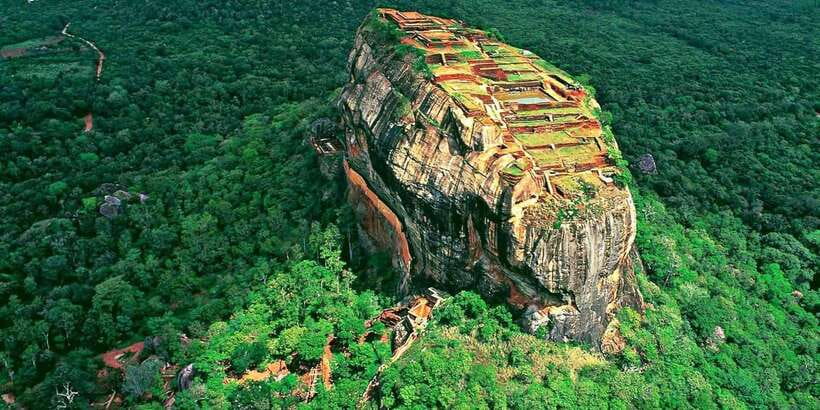
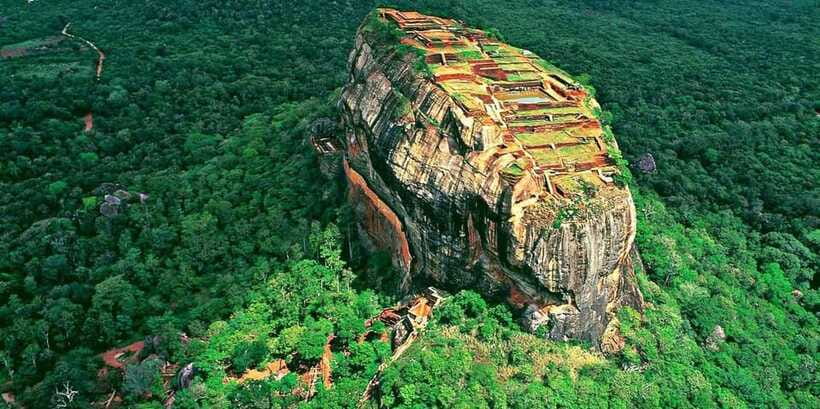
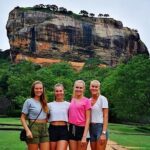
Sigiriya Rock Fortress, often called Lion Rock, rises nearly 200 meters above the surrounding plains. The climb takes you past famous features like the frescoes, the Mirror Wall, and Lion’s Gate. At the summit, you reach the ruins of King Kashyapa’s palace and a huge 360-degree view over the green plains below.
But there’s a key detail: Sigiriya Lion Rock isn’t guided inside (it’s listed as not allowed), and there’s a separate fee (shown as $37). In practice, your driver can still help with logistics—what ticket you need, when to go, and where you should start—but you’ll do the actual climb and explore on your own.
If you want the iconic fortress experience and you’re ready for stairs and crowds, this is the obvious pick.
Climbing Pidurangala
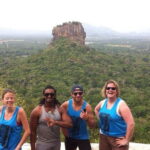
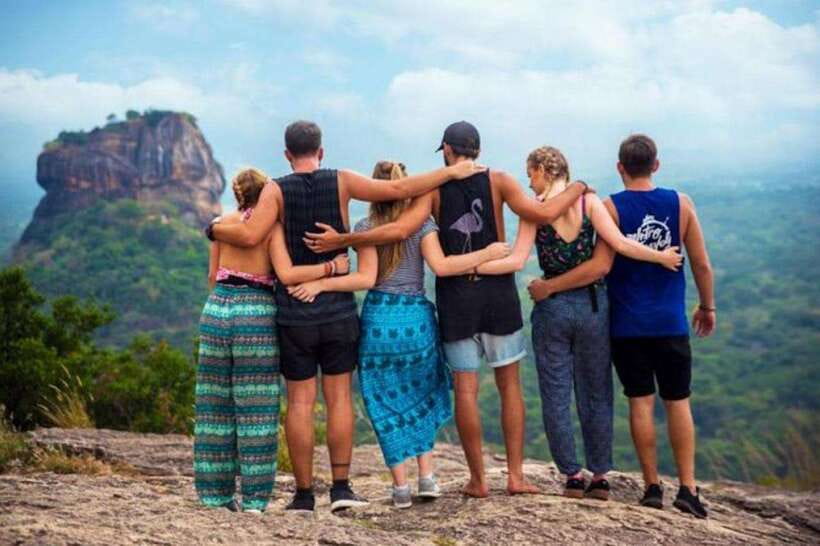
Pidurangala Rock is a strong alternative and often the smarter value. The climb is said to be slightly more challenging, but the payoff is huge: panoramic views plus an excellent vantage point where you can see Sigiriya itself. There’s also a reclining Buddha statue and remnants of an ancient monastery.
One of the standout tips from actual guide behavior: some drivers suggested Pidurangala instead of Lion Rock because it’s cheaper while still giving an incredible view. In one case, the guide steered the group there for the cost savings and because the viewpoint satisfaction was high. Another account focused on using timing to find calmer views and avoid heavier crowds.
Also: if you’re ambitious, a driver may be willing to help you catch both sites when timing allows. Not guaranteed, but at least some guides have done it for guests who want more climbing.
My practical advice:
- Choose Lion Rock if you want the classic fortress route and don’t mind paying more.
- Choose Pidurangala if you want an epic viewpoint for less money and you’re okay with a tougher-feeling climb.
- Either way, bring your best energy. This is where your legs will do the talking.
Gem Museum and Batik Factory Stops: Educational, But Expect Retail Moments
Two visits are included beyond the main sights: a Gem Museum & Factory and a Bathik (batik) clothing factory.
These can be enjoyable if you like seeing how things are made—how stones are handled and how batik patterns are created. They also tend to offer that “Sri Lanka craft” layer that makes the day feel less like only monuments.
That said, factory and museum-style stops often mean some sales talk. If shopping isn’t your thing, treat them like demonstrations: look, ask questions, and you can keep your wallet closed unless something truly catches your eye.
I like these stops because they add variety between cave art and rock ruins. They also give you something to do if you want a short indoor break from sun and stairs.
Tuk-Tuk Comfort, Driver Style, and Why This Tour Feels Personal
This tour is built around your driver as a guide. English-speaking drivers are assigned, and with a group limit of 2 people, you can actually steer the day.
The consistent theme in guide behavior: they check what you want, adjust the plan, and keep the pacing relaxed. Guides like Mangala and Sanjeewa were specifically praised for friendliness, communication, and for giving extra time where it mattered—like at the rock viewpoint or for questions during the history and culture stops.
You’ll also get practical support:
- help arranging tickets and timing
- photo stops at scenic viewpoints
- smooth driving and careful attention, even when rain hits (several accounts highlight cautious driving during downpours)
One small reality check: pickup timing can occasionally shift due to last-minute logistics. In one situation, the starting time changed before pickup, and the issue got resolved quickly. So if you’re on a tight schedule, keep your expectations flexible and keep your phone on.
Cost and Value: What You Pay vs What You’ll Still Need to Cover
The base price is about $25 per person, and that includes:
- pickup/drop-off
- tuk-tuk transport
- driver as guide
- Matale Hindu Temple visit
- Dambulla Cave Temple exploration
- herbal cinnamon/spice garden tour
- choice between Sigiriya or Pidurangala climb
- gem museum/factory visit
- batik clothing factory visit
Not included:
- Sigiriya Lion Rock fee ($37), and Sigiriya Lion Rock is not guided inside
- Pidurangala Rock fee ($3)
- Dambulla Cave Temple fee ($6)
- Matale Hindu Temple fee ($2)
- food and drinks
- wildlife safari and village safari add-ons
So here’s a real value way to think about it:
- If you choose Pidurangala, your biggest extra costs are the temple entries plus the rock fee—usually a much smaller add-on than Lion Rock.
- If you choose Lion Rock, the extra entry cost is the big jump, and you should factor that into your budget.
Food matters too. This is a full-day route, and lunch isn’t included. Many guides will recommend places to eat, and some will help you find solid options, but you still need to pay.
For me, the value comes from not having to stitch together separate transport and guides for each UNESCO stop. With one driver handling the whole arc, you buy convenience and timing control—especially when you’re paying attention to ticket lines and climb logistics.
What to Bring (And the Small Stuff That Saves Your Day)
Your tour provider’s essentials are exactly right:
- comfortable shoes
- hat
- camera
- sunscreen
- water
If you want one extra practical item based on real day conditions: a small umbrella can be handy if rain shows up. Several experiences described rain and how most activities still work when you’re prepared.
Also: bring a little extra cash for entries and snacks. Tickets for the temples and rock are listed as separate, and food/drinks aren’t included.
Who Should Book This Tuk-Tuk Tour (and Who Might Skip It)
This tour fits best if you:
- want a one-day hit of major UNESCO sights plus culture stops
- like customizing a day with an English-speaking driver
- don’t mind stairs and a packed schedule
- want either wildlife or village life near Sigiriya
You might consider skipping (or choosing fewer stops) if you:
- hate climbing stairs and want slow sightseeing
- want a strict, fixed itinerary with no flexibility
- have a tight budget that can’t stretch for the rock/temple entrance fees and any safari add-ons
Should You Book It?
Yes—if you want a practical, well-paced day with the kind of driver flexibility that makes a long route feel manageable. The big winners are the UNESCO sites (Dambulla and Sigiriya area), the clear cultural stops (Matale Hindu Temple and the spice garden), and the fact that your guide can adjust the experience around you—like steering you toward Pidurangala when it fits your budget and your view goals.
If you’re deciding between the two rocks, I’d base it on your stamina and wallet. Pidurangala often wins on value, and Sigiriya Lion Rock wins on the iconic fortress factor. Either way, you’re signing up for stairs and sun—so prepare like you actually plan to climb.
FAQ
Do I need to pay entrance fees for the temples and rock?
Yes. The Dambulla Cave Temple fee and the Matale Hindu Temple fee are not included, and Sigiriya Lion Rock or Pidurangala Rock each has an additional fee.
Is Sigiriya Rock Fortress guided by the driver?
The listing notes that Sigiriya Lion Rock is not guided (it isn’t allowed). Your driver can still help with logistics, but the climb/exploration is on your own.
Can I choose between Sigiriya and Pidurangala?
Yes. The tour includes a choice of climbing Sigiriya or Pidurangala Rock.
Are wildlife safari and village safari included in the base price?
No. Wildlife safari and Sigiriya village safari are listed as not included, so you pay for them separately if you want them.
How many people are in the group?
It’s limited to 2 participants, so the day feels more like a private driver experience than a big group tour.
How long is the tour?
It’s listed as 10 hours.
What language is the driver-guide?
The driver provides English support.
What should I bring for the day?
Bring comfortable shoes, a hat, a camera, sunscreen, and water.