Kandy is best seen from street level. A private tuk-tuk tour like this lets you glide through the city with a local guide, then switch gears to temples, museums, and hands-on stops like tea, gems, woodcraft, batik, and an Ayurveda garden. I especially like the customizable plan and the value for the price.
One thing to consider: Kandy traffic and temple rules can affect timing, so you’ll want to pick your priorities up front (and bring closed-toe shoes for walking).
In This Review
- Key points to know before you go
- How a Kandy tuk-tuk tour gives you real city context
- Customization that fits your priorities (not a rigid script)
- Royal Palace Complex: Sacred Tooth, Queen’s Bathing Pavilion, and the National Museum
- The hilltop temple stop: views you’ll remember after the noise fades
- Tea route: the Mahaweli River stretch, tea factory time, and wildlife possibilities
- Free-entry crafts and Ayurveda: where the tour feels most local
- Botanical Garden, Big Buddha, and the dance show: add-ons worth choosing
- Lunch time: how to eat well without wasting the afternoon
- Value for about $6: what you’re really buying
- Safety and comfort: the practical stuff that affects enjoyment
- Who should book this Kandy private guided tuk-tuk tour?
- Should you book this tour
- FAQ
- What’s the duration of the Kandy private guided tuk-tuk tour?
- Is this tour private?
- What’s included in the price?
- What is not included?
- Does the tour include tea?
- Is the tour guide available in English?
- What should I wear or bring to the temples?
- Can I cancel and still get a refund?
- Is there a dress code for the day in general?
Key points to know before you go
- Hotel pickup and drop-off means you start and end in Kandy, not in chaos.
- Private tuk-tuk + local guide is the easiest way to cover a lot without feeling rushed.
- Free entrance stops are built into the route, keeping costs down.
- Tea, crafts, and Ayurveda make the day feel more like everyday Kandy than just postcards.
- Hilltop viewpoints give you those quick, wow photos over the city.
- Optional add-ons (like the Sacred Tooth Relic site, Botanical Garden, and the dance show) let you shape your timing.
How a Kandy tuk-tuk tour gives you real city context
Kandy’s streets are compact, and the driving can feel like a moving puzzle. That’s exactly why this format works. Your tuk-tuk gets you close to the action, and your guide can explain what you’re seeing while you’re still surrounded by normal life, not just tourist lanes.
I also like that this isn’t only temples-on-repeat. The tour flows from iconic sacred sites into practical, everyday topics: how tea is made, how gems get processed, how woodcraft and batik work, and how Ayurveda is practiced and explained at a garden stop. You’ll come away with a better sense of how Kandy works as a place people live in, not just visit for a few photos.
If you’re sensitive to crowds, ask your guide about timing. Some guides are good at planning around busier moments, which matters a lot in Kandy.
You can also read our reviews of more tours and experiences in Kandy.
Customization that fits your priorities (not a rigid script)

The biggest advantage here is control. Before you head out, you can contact the guide and shape the schedule around what you care about most. If your interest is religion and heritage, you’ll lean into temples and museum time. If you want culture through crafts and local industries, you’ll add the factory visits and Ayurveda garden focus.
Guides also respond to what’s happening during the day. For example, several guides have been described as adjusting plans when weather or timing changes. Even if your day is short, you’re not stuck doing everything the same way as the next person.
This matters because Kandy can swallow time fast. Between traffic, walking, and temple etiquette, a pre-set route can start to feel stressful. Customization keeps the tour feeling like it’s truly yours.
Royal Palace Complex: Sacred Tooth, Queen’s Bathing Pavilion, and the National Museum
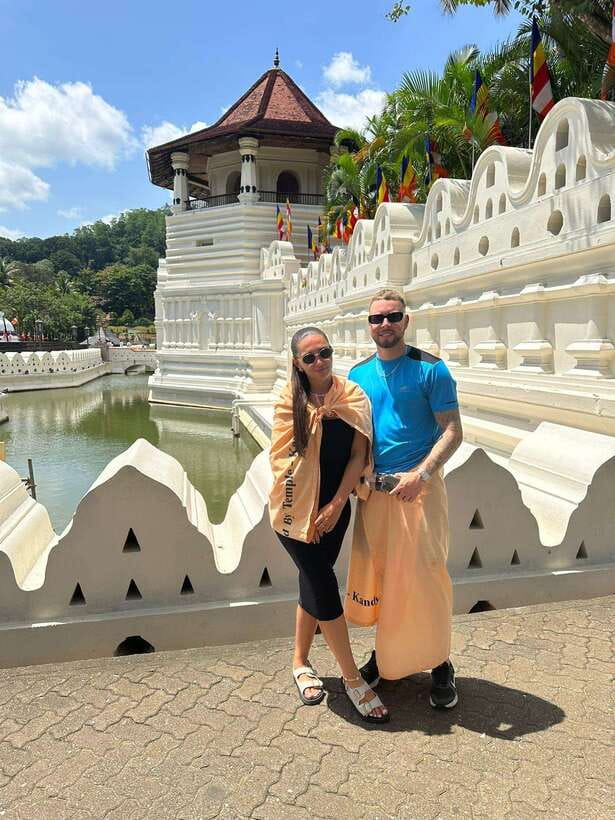
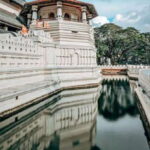
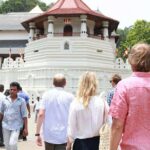
A core stop is the Sacred Temple of the Tooth, located in the Royal Palace Complex of the former Kingdom of Kandy. This is the religious centerpiece for Kandy, and it’s one of those places where knowing why it matters helps your visit click.
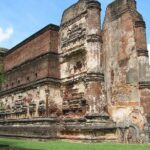
From there, you’ll usually move to the Queen’s Bathing Pavilion and the National Museum of Kandy. This is a smart combination because it adds context. The Tooth Temple gives you the sacred focus, while the pavilion and museum help explain the historical setting around the royal city.
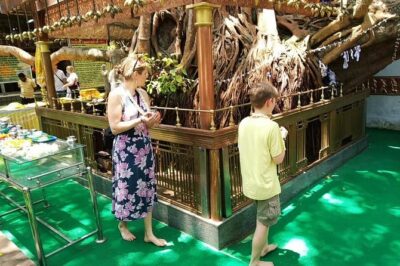
Practical tip: temples require etiquette. For Buddhist and Hindu temples, you’re expected to remove shoes and hats, and keep shoulders and knees covered. Plan clothing that makes this easy so you don’t lose time fussing at each entrance.
The hilltop temple stop: views you’ll remember after the noise fades
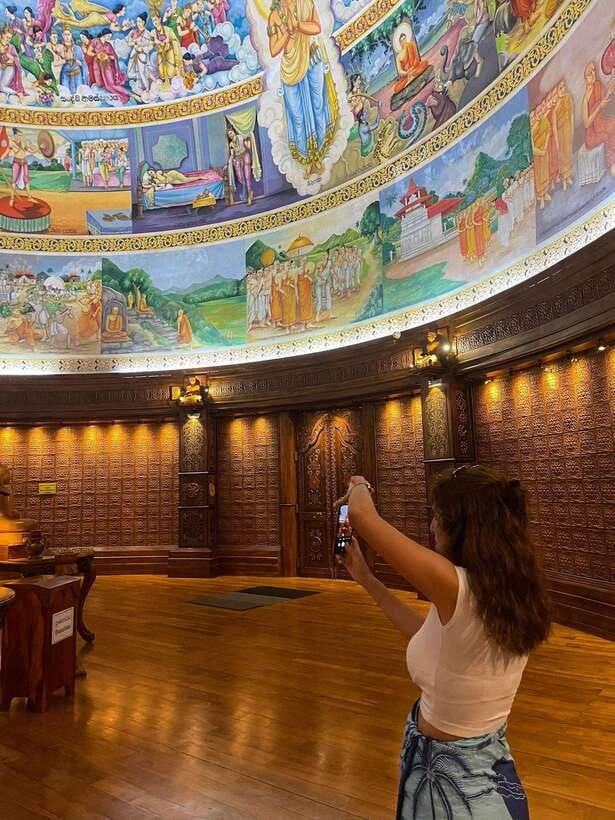
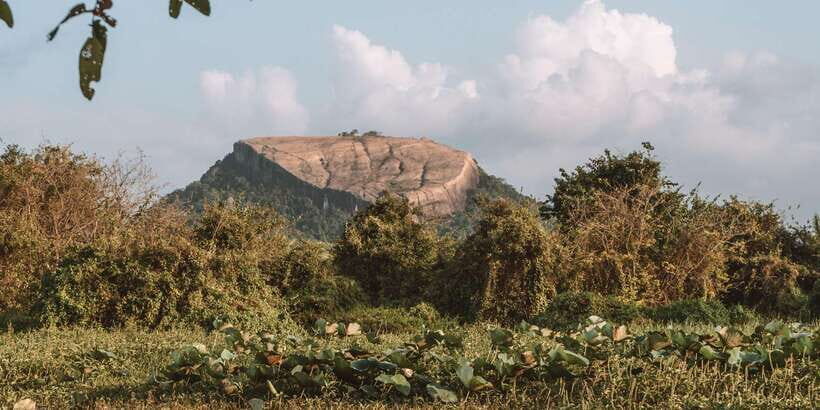
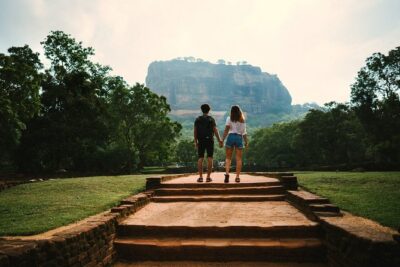
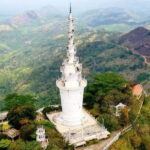
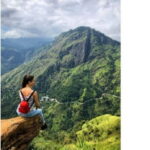
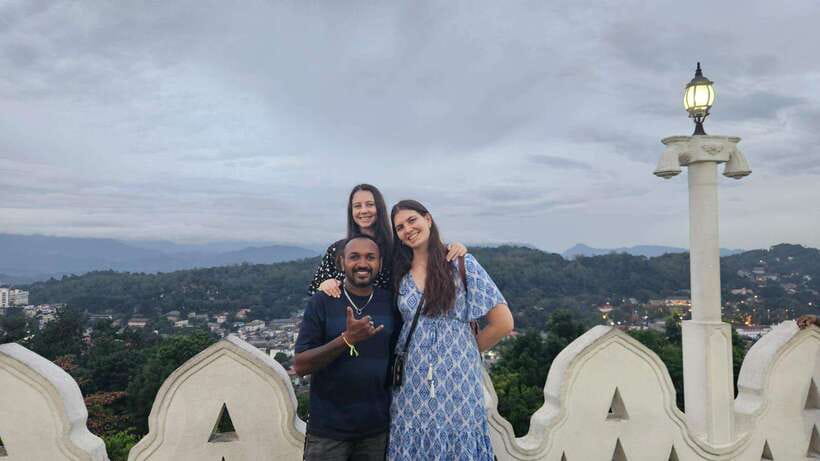
Kandy has a way of hiding big views behind climbs. One highlight of this tour is riding up to a hilltop temple for a breathtaking view over the city and surrounding areas. This is your photo-and-pause moment.
You’ll stop for photos and take in the view, but the value isn’t only the skyline shot. It’s also a chance to reset after the denser street sections. The hilltop makes Kandy feel less like a grid and more like a setting shaped by terrain and tradition.
If you’re traveling with kids or you’re short on energy, tell your guide early. The tour includes temple time, and your guide can help you pace walking so you still get the best view without burning out.
Tea route: the Mahaweli River stretch, tea factory time, and wildlife possibilities
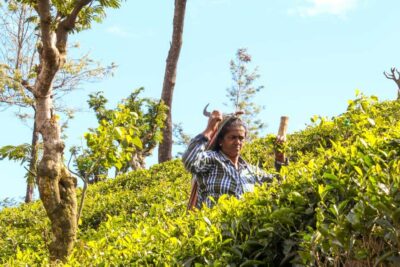
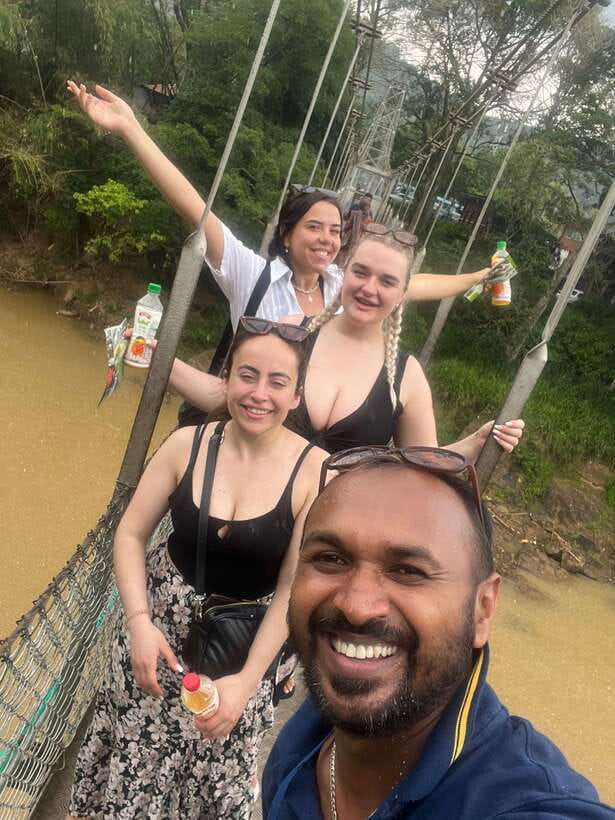
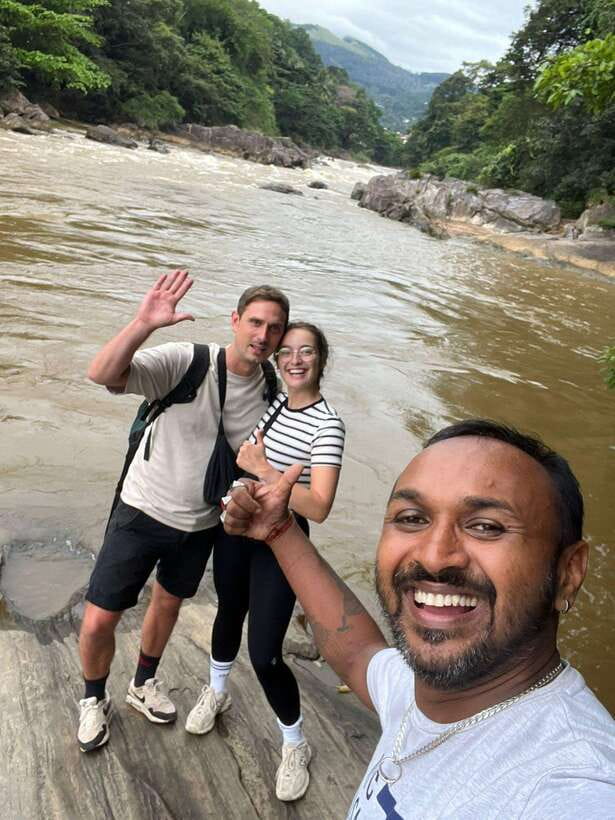
A tea plantation stop is part of the tour flow, and you’ll travel along the banks of the Mahawali River on the way. That river-side drive is one of those low-key moments that adds Kandy character beyond the main sights.
Wildlife can be part of the story, too. The route is described with the possibility of monkeys, and there’s even a chance you might spot a jaguar in the distance along the river. No one can promise wildlife, but the geography makes it plausible, and the guide’s local instincts usually help.
Then comes the Tea Factory visit, which is included with free entrance. This is where the day turns from scenery to hands-on understanding. Some guides build in tea tasting, and that’s often the part people remember because it turns the stop into something you can actually compare and talk about.
If you love food and drink, this is a great anchor for the tour. It’s not only a walk-through. It’s a sensory break in the middle of a packed day.




Free-entry crafts and Ayurveda: where the tour feels most local
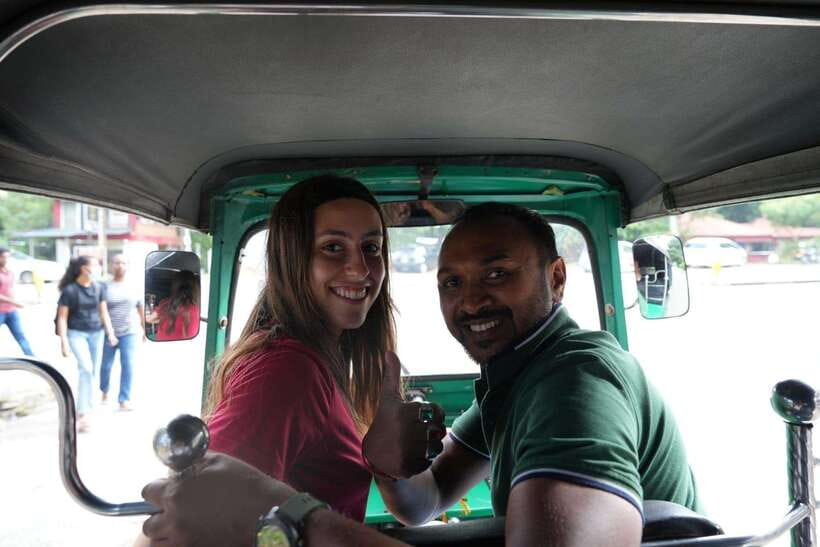
One reason this tour gets such strong feedback is that the included stops aren’t random. They’re practical, story-driven, and tied to real work.
Here are the included stops that commonly make the biggest impression:
- Asgiriya Stupa (free entrance): a calm spiritual stop that adds depth beyond the headline temple.
- Golden Buddha Statue (free entrance): quick, iconic, and easy to fit into the route.
- Gem and Jewelers Museum & Workshop (free entrance): you’ll see how gems and jewelry are presented and made part of local industry.
- Wood Carving and Wood Factory Family House (free entrance): a chance to understand craft traditions up close.
- Batik Factory (free entrance): another creative industry stop that helps you see how patterns and materials become work.
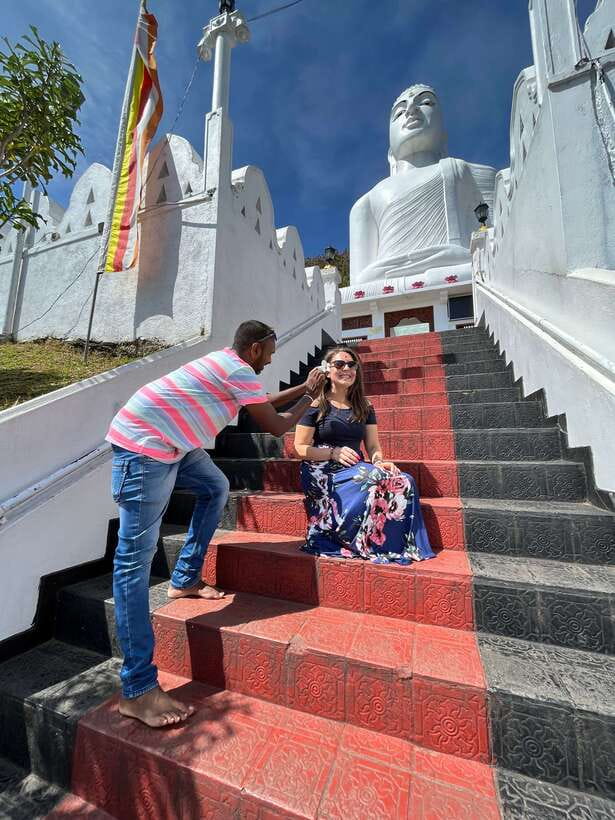
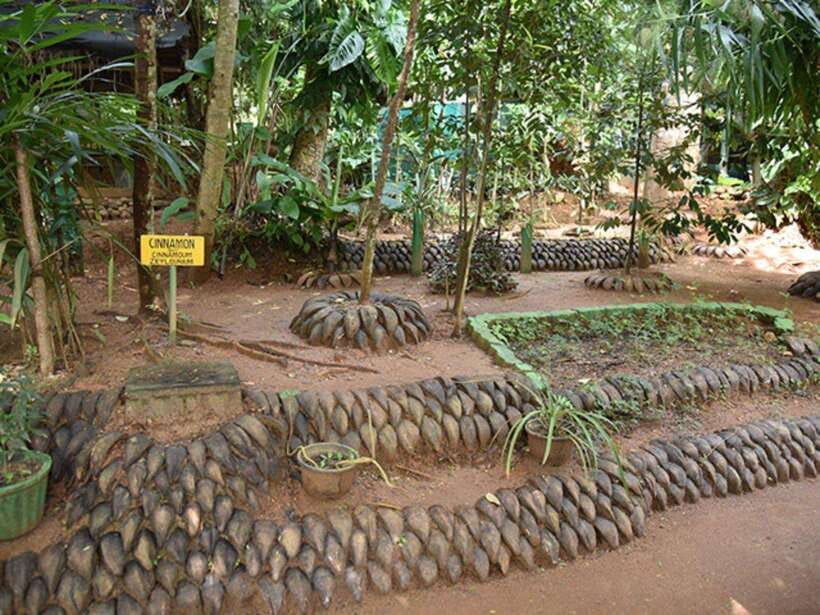
- Herbs and Ayurvedic Garden (free entrance), with a small cooking demonstration and an Ayurvedic head massage: this is where the tour leans into Sri Lankan well-being traditions.
That Ayurveda garden stop deserves a little extra attention. It’s not just a photo stop. You get a short demonstration and a massage experience, which turns cultural education into something physical you’ll feel. Even if you’re skeptical, you’ll still leave with a clearer idea of how Ayurveda is explained locally.
A quick but important note: factory and garden stops vary in how long you’ll spend at each. This is where your guide’s pacing matters. If you want more time to ask questions, say so at the start and your guide can shift the day.
Botanical Garden, Big Buddha, and the dance show: add-ons worth choosing
Not everything is included by default, and that’s good. It means you can spend your time where it actually fits your interests.
Here are the main optional add-ons named for this tour:
- Royal Botanical Garden (not included; $12): often loved for strolling time and plant variety. If you’re the type who wants slower, greener time, this is a strong candidate.
- Bahirawakanda Temple and the Big Buddha Statue (not included; $1 for Bahirawakanda Temple; Big Buddha listed separately): if you want a bigger landmark feel, this can be a good evening or late-morning target depending on your schedule.
- Culture Dance Show (not included; $8, starts at 5:00 PM): if you’re doing the afternoon/evening slot, this can pair nicely with later Temple of the Tooth timing.
One very useful tip you can use with any guide: if you’re planning to see the Sacred Tooth Relic area after a dance show, ask about the best viewing time. A guide has suggested timing around about 7:20 PM for a brief chance to see the tooth display.
If you want your day to feel smooth, don’t try to add every optional stop. Pick one extra, maybe two, and let your guide keep the schedule realistic.
Lunch time: how to eat well without wasting the afternoon
This tour includes time for a food break at a local restaurant, recommended by your guide. Food and drinks aren’t included, but you’ll get something more useful than a generic suggestion. The value here is that your guide can factor your preferences and the day’s timing, then point you to a meal that fits the route.
For picky eaters, tell your guide up front about dietary restrictions. It’s also smart to ask what’s good that day, since Kandy options can shift depending on crowds and timing.
If you’re pairing this tour with other plans later, use lunch as your reset. After temples and factories, you’ll appreciate a calmer pause before heading back.
Value for about $6: what you’re really buying
At $6 per person for roughly 4.5 hours (with morning and afternoon windows listed as about 5 hours), the best value isn’t just “you get a tour.” You’re buying logistics plus included experiences.
You get:
- Hotel pickup and drop-off
- A guide/driver for the day
- Several free entrance stops (temple complex and multiple workshops/factories)
- A route that mixes sacred places with daily-life Sri Lanka themes
Then you have a short list of things that cost extra, like the Temple of the Tooth relic site, Royal Botanical Garden, and the culture dance show. That’s actually a fair setup. You can control your spend based on how much you care about those specific experiences.
If you’re on a tight schedule in Kandy, this is a strong value because the tuk-tuk and the guide save you the time cost of figuring out everything yourself. You don’t just see places. You learn how they connect.
Safety and comfort: the practical stuff that affects enjoyment
Most feedback in similar tuk-tuk Kandy days centers on driving style and pacing. Look for a guide who drives safely through traffic and who is willing to match your comfort level. Some guides are described as adjusting speed for nervous passengers, which is exactly the kind of small kindness that turns a stressful ride into a relaxed one.
You’ll also want to wear practical clothes. Comfortable outfits and closed-toe shoes help with temple rules and walking. Since you’ll remove shoes at religious sites, closed-toe shoes make the transition easier.
One more practical reality: Kandy timing can be elastic. If your tour window is morning (9:00 AM to 2:00 PM) or afternoon (2:30 PM to 8:00 PM), keep your later plans flexible. Your guide should be able to work around what you want, but you’ll enjoy the day more if you don’t stack it like a checklist.
Who should book this Kandy private guided tuk-tuk tour?
Book it if you want:
- A private day with an English-speaking guide
- To cover Kandy highlights without the stress of public transport
- A mix of temples + museums + tea + crafts + Ayurveda
- A route that you can customize before you go
Skip it or consider a different style if:
- You want a totally unstructured day with long, slow wandering everywhere (this route is designed to be efficient)
- You hate any factory-style stops, even if they’re free entrances
- You only care about one or two sights and don’t want the rest of the day’s variety
Should you book this tour
Yes, I think this is a smart booking for most first-time Kandy visitors, especially if you only have half a day and you want a well-paced mix of iconic sites and everyday culture.
If you do book, do two things that make the day better fast: decide your must-sees in advance, and ask your guide what you can realistically add based on your time window. Guides like Dinesh Perera (the listed provider) and drivers such as Gayan, Ranjan, Dilan, Sanjeewa, Rasika, Mangala, and others referenced for this kind of route often stand out for being flexible and tailoring the itinerary. Your experience will be strongest when you treat it like a conversation, not a fixed schedule.
If you’re coming to Kandy to understand the city, not just sample it, this tuk-tuk tour is a great way to get there.
FAQ
What’s the duration of the Kandy private guided tuk-tuk tour?
The tour is listed at about 4.5 hours, and it’s offered in two time windows: 9:00 AM to 2:00 PM and 2:30 PM to 8:00 PM (both shown as about 5 hours).
Is this tour private?
Yes. It’s a private group with a dedicated guide/driver.
What’s included in the price?
Hotel pickup and drop-off, a guide/driver, a customizable schedule, and free entrance to several stops including Asgiriya Stupa, Tea Factory, Golden Buddha Statue, Gem and Jewelers Museum & Workshop, and other listed sites.
What is not included?
Food and drinks are not included, and some optional attractions have separate fees, including the Bahirawakanda Temple/Big Buddha, the Temple of the Sacred Tooth Relic, the Royal Botanical Garden, and the Culture Dance Show (starting at 5:00 PM).
Does the tour include tea?
Yes. The route includes a Tea Factory visit (free entrance), and the tour description indicates a tea plantation route along the way.
Is the tour guide available in English?
Yes. The live tour guide language is English.
What should I wear or bring to the temples?
Bring comfortable clothes and closed-toe shoes. At Buddhist and Hindu temples you’re expected to remove shoes and hats, and cover shoulders and knees.
Can I cancel and still get a refund?
Yes. There is free cancellation up to 24 hours in advance for a full refund.
Is there a dress code for the day in general?
Not much beyond comfort, but since you will visit temples, plan clothing that lets you cover shoulders and knees easily and handle shoe removal without trouble.