Cooking here is a front-row seat to Sri Lanka. In Ella, you learn classic Sri Lankan cooking in Neranji’s home kitchen, using seasonal produce and traditional spices, then you eat what you make. I like that it’s not a stuffy demo: you’re chopping, stirring, and learning the why behind the flavor.
My favorite part is the take-home payoff. You choose from curries, salads, and roti, get recipes for what you cooked, and also take special spices and ingredients home to recreate it later. One consideration: it’s not suitable for people with food allergies, and you’ll need your own transport to and from the homestay.
In This Review
- Key things to know before you cook with Neranji
- Neranji’s Ella kitchen: why the home setting matters
- Choosing your dishes in Ella: curries, salads, roti, and the special options
- The spice-and-ingredient lesson you can actually use later
- What the 2–3 hours feel like: hands-on prep and active learning
- The meal: the point of the class, not an afterthought
- Take-home recipes and spice kit: how to recreate this at home
- Price and value: $19 for 2–3 hours of real cooking
- Practical tips: how to get the most from Neranji’s class
- Should you book this cooking class with Neranji in Ella?
- FAQ
- How long is the Sri Lankan Cooking Class with Neranji?
- Where does the class take place?
- How many people are in the group?
- What dishes can I cook during the class?
- Do I need to request special dishes in advance?
- What’s included in the price?
- Is transportation included?
- What languages are spoken during the class?
- Is there a cancellation window?
Key things to know before you cook with Neranji
- Small group (up to 10): you’ll actually get hands-on time, not just look on.
- Pick your lineup: curries, salads, and roti, plus optional special dishes if you arrange ahead.
- Spice focus: you learn how traditional Sri Lankan spice blends and ingredients work together.
- Seasonal ingredients: the class is built around fresh, local produce.
- You eat at the end: the meal is your reward for all that prep and cooking.
Neranji’s Ella kitchen: why the home setting matters
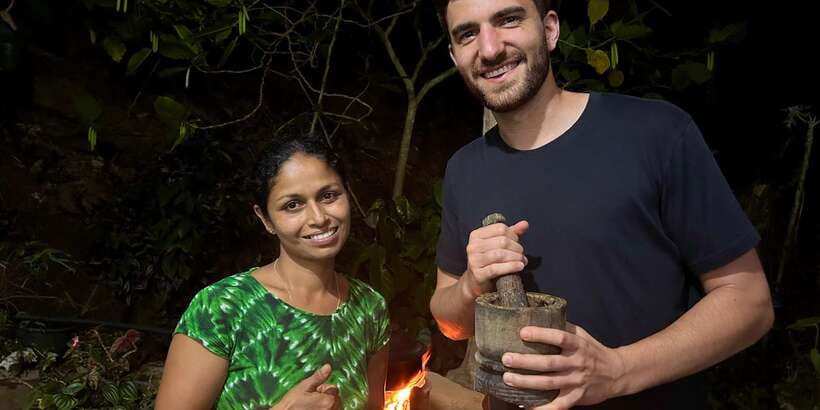
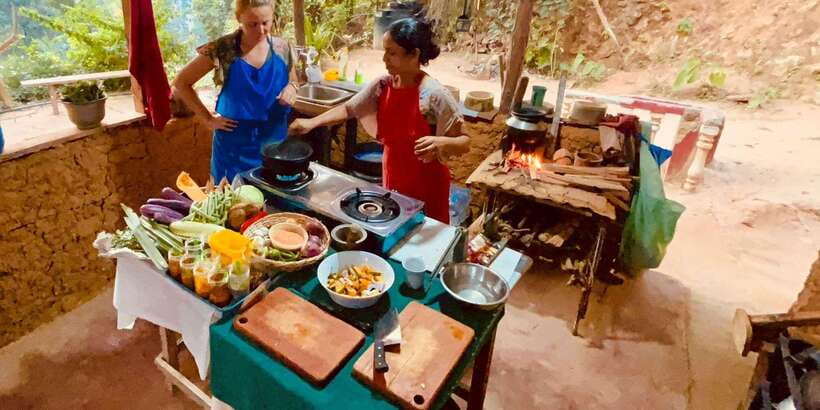
This class happens with Neranji at her home in Ella. That single detail changes the whole vibe. Instead of following a scripted show, you learn how the food fits into a real household rhythm, with ingredients that reflect what’s in season.
You also get a direct line to the cooking methods. Neranji teaches in English and Singhalese, and many of the best parts are the practical bits: what to watch for as food cooks, how to balance spices, and how to keep the texture right in curries and salads.
The other quiet advantage is the pace. The session is only 2 to 3 hours, so it stays focused. You’ll spend time learning and cooking, then sit down together for the meal rather than rushing off to the next stop.
You can also read our reviews of more tours and experiences in Ella Sri Lanka.


Choosing your dishes in Ella: curries, salads, roti, and the special options
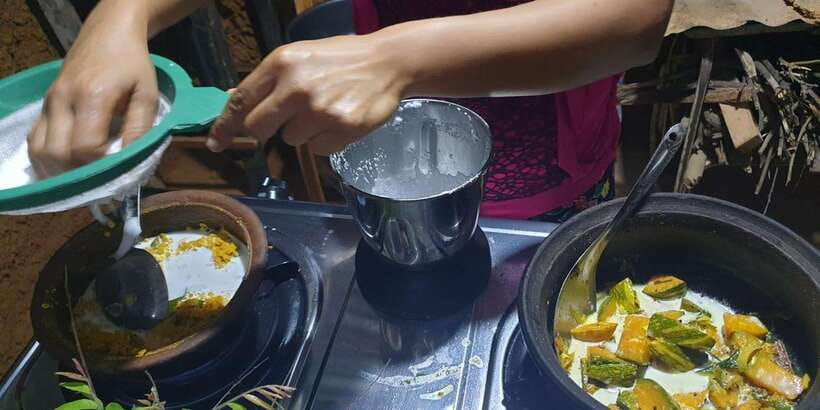
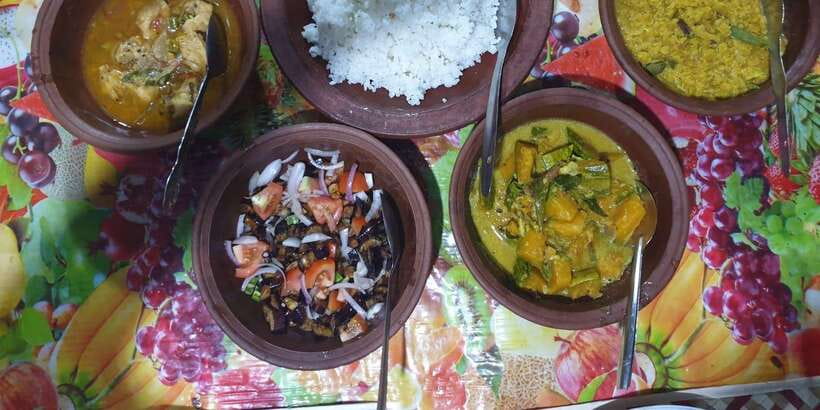
You don’t have to cook just one thing. You can choose from a menu of traditional Sri Lankan dishes, usually mixing a curry element with something fresh and something bread-like.
Common picks include curries such as:
- potato curry
- dhal (lentil curry)
- pumpkin curry
- beans curry
- fish curry or chicken curry
And you can add sides like:
- eggplant salad
- papadom
- carrot sombol
- coconut sombol
Then there’s roti, including coconut rotti. If you like variety, the menu supports that. You get to understand how a spice blend behaves differently in a slow, simmered curry versus a salad or a coconut-based roti.
There are also special dishes Neranji can prepare, including:
- banana flower curry
- jackfruit curry
- sweet onion curry
- mango curry
- coconut rotti
Here’s the practical note: if you want one of the special dishes, you need to request it at booking or by email at least 24 hours in advance so the ingredients can be organized. If you forget, you can still expect great, classic options from the standard selection.
The spice-and-ingredient lesson you can actually use later
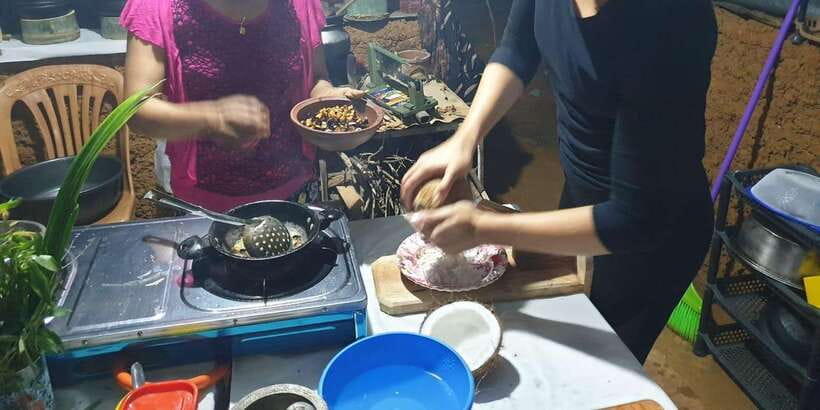
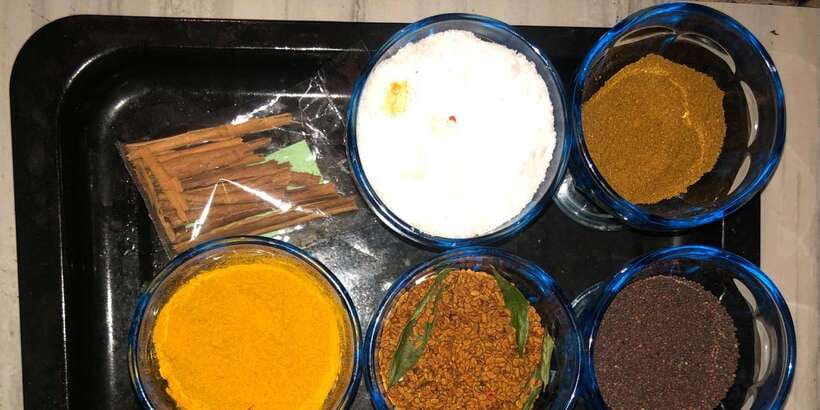
Sri Lankan cooking is built on layers: spices, aromatics, and the ingredient base (coconut milk, lentils, vegetables, and so on). In this class, you don’t just hear about that idea. You work with the components as you cook, which is the only way it really sticks.
Expect to learn about the special spices and ingredients used in Sri Lankan cooking. That matters because many spice mixes don’t translate well if you only copy the final label. You need to know what role each ingredient plays—warmth, heat, tang, aroma, and how that changes from curry to salad.
You’ll also take special spices and ingredients home. That’s one of the biggest “value” levers in the experience. A cooking class that ends with a recipe sheet is nice. A class that also hands you the right spices is what lets you re-create the food without guessing.
And since you’ll be cooking with seasonal produce, the flavor lessons are grounded in freshness. You learn how a dish improves when vegetables are at their best, not when they’re out of season and substituted.
What the 2–3 hours feel like: hands-on prep and active learning
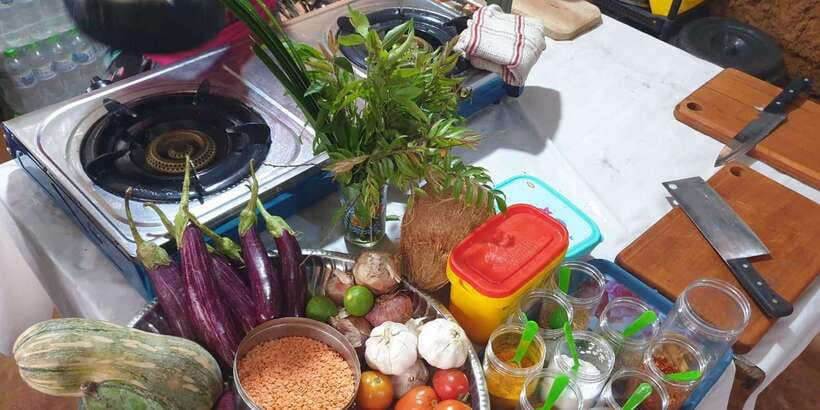
This is a small group session capped at 10 people. The goal is interaction. You’re not just watching someone else cook.
A typical flow looks like this:
- You join Neranji in her kitchen and settle in.
- You prep ingredients for your chosen dishes—chopping, measuring, and getting the base elements ready.
- You cook multiple items using traditional spices and methods.
- You finish, then eat the meal together.
Because it’s hands-on, the class works well even if you don’t cook much at home. Neranji’s teaching style is built around clear steps and doing the work yourself. That’s how you learn what to adjust while cooking, like the timing of frying spices or how to get the right consistency in a curry or lentil dish.
Also, you’ll be using a mix of techniques. Curries tend to focus on building flavor and simmering. Salads focus more on freshness and balance. Roti brings in dough and cooking-on-heat skills that are common in Sri Lankan kitchens.
The meal: the point of the class, not an afterthought
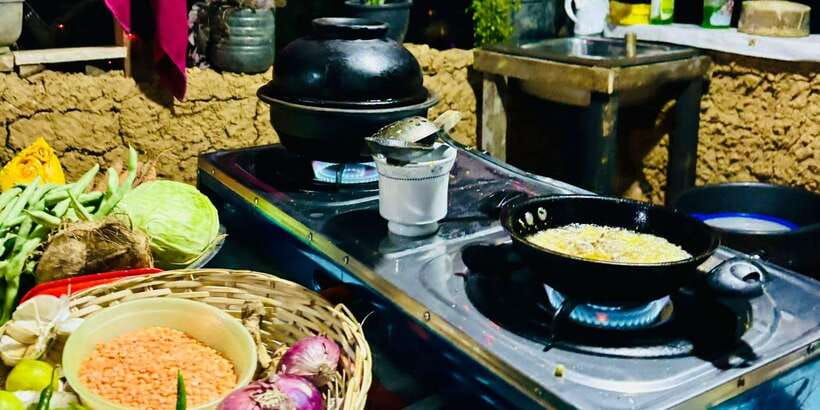
After all that prep, you sit down to enjoy the food you cooked. This is not a light snack. The class is designed so you eat what you make, and the menu is built for a satisfying meal: curries for body, salads for brightness, and roti or papadom for texture.
One of the real benefits of cooking the meal is that you taste with context. You know why the curry tastes balanced because you saw the spices go in. You understand what makes an eggplant salad work because you handled the ingredients yourself. That turns dinner into part of the lesson.
If you’re someone who likes food with depth—spice warmth, coconut creaminess, tangy components in sides—this is a strong fit. And if you prefer milder flavors, you can usually steer your dish choices toward options like dhal, pumpkin, beans, potato, and sweet onion where spice intensity is easier to manage.




Take-home recipes and spice kit: how to recreate this at home
You get recipes for all dishes prepared during the class. That’s the obvious win. The less obvious win is the spice and ingredient kit.
Here’s how you make the recipe actually work back home:
- Start by cooking one dish you loved most, then match it with the sides you cooked in class.
- Use the spices you took home first, then adjust from there.
- Keep the spice-to-liquid ratio in mind. Curry flavor usually comes from balance, not from dumping more seasoning.
If you want your home version to feel close to Ella, focus on three things: fresh ingredients, correct spice timing, and not rushing the curry stage. The class experience nudges you toward those priorities, because you’re doing the process in real time.
You might also find it helpful to save the recipes right away and label your spices. When you return to them later, it saves you from the “wait, what was that one powder again?” moment.
Price and value: $19 for 2–3 hours of real cooking
At about $19 per person for a 2 to 3 hour, hands-on class, this is priced like a local food experience, not a fancy tour add-on. The value isn’t only that you learn cooking—it’s what comes with the learning.
You’re getting:
- the traditional cooking class itself
- preparation of several traditional dishes
- special spices and ingredients to take home
- recipes for everything you cook
Transportation isn’t included, so you’ll want to factor that into your plan. But even with a quick taxi or short ride, the included ingredients and recipes can make the overall cost feel very fair, especially if you like cooking.
There’s also value in the setting: you’re eating the result of your work. That turns the class into dinner, not just an activity.
Practical tips: how to get the most from Neranji’s class
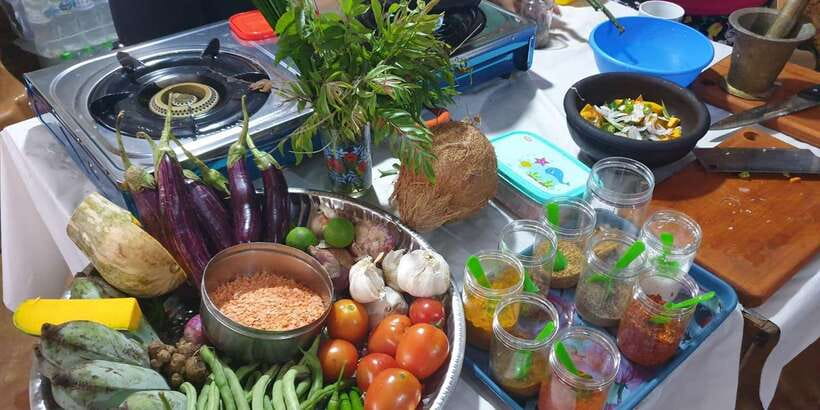
A few simple steps help you enjoy the session and get better results later.
First, be ready to participate. This class is interactive, so wear clothes you can get a little food smell on. Keep your phone handy for notes, but don’t treat it like a filming session. Watch how Neranji handles spices and adjust as you go.
Second, choose your dish mix intentionally. If you want the full Sri Lankan flavor picture, pair a curry with a salad or sombol and include roti. If you’re short on time or want something simpler, a smaller set of dishes can still give you a strong learning base.
Third, plan for special dishes. If you want banana flower curry, jackfruit curry, sweet onion curry, mango curry, or coconut rotti, give the advance notice (24 hours) so the ingredients can be arranged.
Finally, double-check allergy needs before booking. The class isn’t suitable for people with food allergies based on the activity info.
Should you book this cooking class with Neranji in Ella?
Book it if you want a hands-on, home-kitchen style cooking lesson that ends with a proper meal. I especially think it’s worth it when you want more than a cookbook approach: you’ll take spices and recipes home, and you’ll learn how dishes are built from seasonal ingredients and Sri Lankan spice methods.
Skip or rethink it if you have food allergies, since the activity is not suitable for that. Also, if you don’t have an easy way to get there and back, remember transportation isn’t included and the meeting point can vary.
If your goal is to leave Ella with skills you’ll actually use—then this is a smart choice.
FAQ
How long is the Sri Lankan Cooking Class with Neranji?
The class runs for 2 to 3 hours.
Where does the class take place?
You join Neranji in her kitchen at home in Ella (Eastern Province).
How many people are in the group?
It’s a small group limited to 10 participants.
What dishes can I cook during the class?
You can choose dishes such as curries (potato, dhal, pumpkin, beans, fish, or chicken), eggplant salad, papadom, carrot sombol, and coconut sombol. You can also choose special dishes like banana flower curry, jackfruit curry, sweet onion curry, mango curry, or coconut rotti.
Do I need to request special dishes in advance?
Yes. If you want one of the special dishes, you need to inform Neranji by email or at booking at least 24 hours in advance.
What’s included in the price?
The price includes the traditional cooking class, preparation of various dishes, special spices and ingredients for participants to take home, and recipes for all dishes prepared.
Is transportation included?
No. Transportation to and from the class location is not included.
What languages are spoken during the class?
The instructor speaks English and Singhalese.
Is there a cancellation window?
Yes. You can cancel up to 24 hours in advance for a full refund.