Udawalawe is the kind of wildlife stop that can turn a long transfer into a highlight. I like how this trip mixes an air-conditioned ride from Ella with a proper open safari jeep inside Udawalawe National Park. You get two big wins: a 3-hour wildlife outing with lots of chances at elephants, plus an efficient way to reach the coast areas like Mirissa, Weligama, Unawatuna, Galle, or Hikkaduwa. One thing to plan for: Udawalawe entrance fees are not included, so budget extra cash before you roll into the park.
What also helps is that it’s built for real flow—pick-up from your Ella hotel area, change to the safari vehicle for the best viewing, then back into the cool car for the drive south. Guides you may meet (including Pathum and Koshala) tend to focus on spotting wildlife calmly and explaining what you’re seeing, not rushing you through. The main “watch out” is timing: your start can be early (morning) or afternoon, and pickups can run a bit late sometimes, so build in some breathing room.
In This Review
- Key Points You’ll Care About
- Air-Conditioned Ella to the South Coast, With Safari Jumps in Between
- The Vehicle Switch: Why It Matters for Wildlife Viewing
- The Udawalawe Safari: What a 3-Hour Wildlife Window Feels Like
- Wildlife You Can Plan to See (And How to Look for It)
- Guides: What You’re Paying for Is Spotting and Storytelling
- Door-to-Door Drop-Offs: Tangalle, Mirissa, Unawatuna, Galle, and More
- Price and Value: What $48 Actually Buys You
- Timing Tips: Morning vs Afternoon and What to Pack
- Practical Notes That Can Affect Your Day
- Who This Works Best For
- Should You Book This Ella–Udawalawe–South Coast Safari Shuttle?
- FAQ
- What’s included in the Ella to Tangalle/Mirissa/Galle shuttle with Udawalawe safari?
- How long is the whole experience?
- How long is the safari inside Udawalawe National Park?
- Is the Udawalawe National Park entrance fee included?
- Does this include food or drinks?
- What vehicle do you use for the safari?
- Where do you get dropped off on the south coast?
- Is there an English-speaking guide?
Key Points You’ll Care About

- 3-hour Udawalawe safari inside the park, using an open safari jeep for better spotting and photos
- Door-to-door transfer from Ella to coastal areas like Hiriketiya, Mirissa, Weligama, Unawatuna, Galle, and Hikkaduwa
- English live guidance during the safari portion, with guides such as Pathum and Koshala popping up in actual service experiences
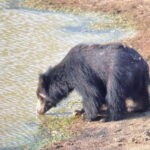
- Elephant odds are strong, with frequent sightings also reported for crocodiles, water buffalo, monkeys, and birds
- Air-conditioned comfort for the long road sections, including the return drive after safari
Air-Conditioned Ella to the South Coast, With Safari Jumps in Between
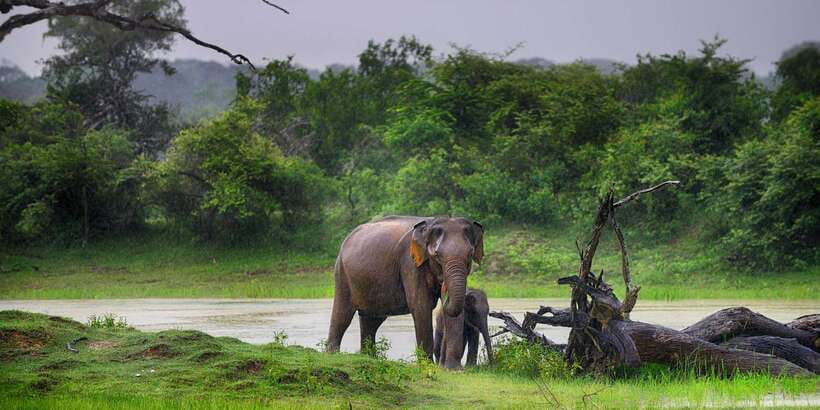
This is one of those “two-for-one” days that actually feels like it saves your time. You’re not just traveling from Ella down to the beach. You’re turning the transit day into a wildlife day, using Udawalawe National Park as the break point.
The structure is simple: you start from Ella, drive into Udawalawe, switch to a safari jeep for a focused wildlife outing, then continue to the south coast drop-off. Because the transfer is done in an air-conditioned vehicle, you’re not baking in the heat the whole way.
This works especially well if you’re doing a classic Sri Lanka route—Ella for the hills, then down to Mirissa or Unawatuna for sea days and sunsets.
You can also read our reviews of more tours and experiences in Ella Sri Lanka.


The Vehicle Switch: Why It Matters for Wildlife Viewing
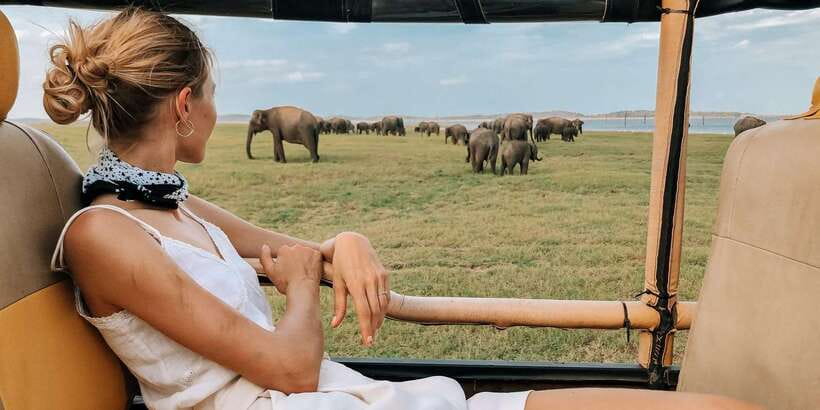
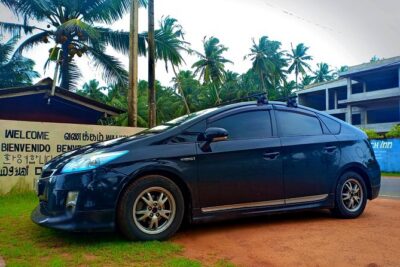
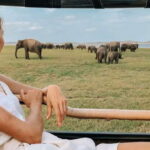
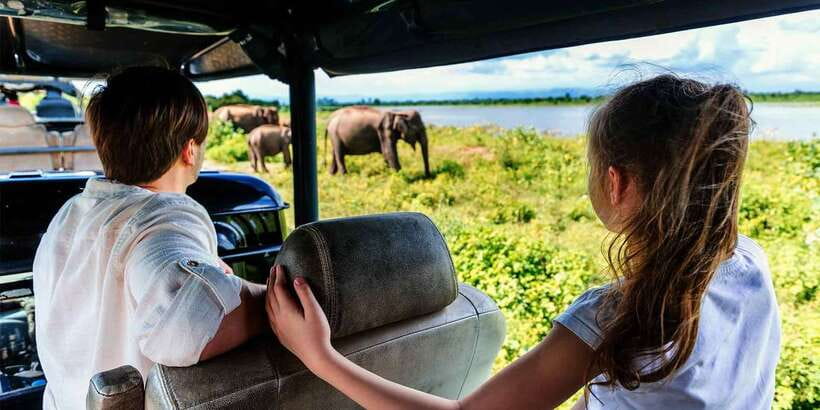
You’ll ride in an air-conditioned car between Ella and Udawalawe, and then you’ll move into an open concept safari jeep for the park portion. That “switch” is not just a detail—it’s why your wildlife experience is more photo-friendly and more rewarding.
In the jeep, you’re positioned for scanning. For Udawalawe, that matters because animals can appear suddenly near the reservoir edges and open grass areas. The open design helps you spot movement faster, and it’s easier to frame elephants or crocodiles when you’re not blocked by glass.
When you finish the safari, you go back into the air-conditioned vehicle for the remainder of the drive. After dust, sun, and long hours of looking through the landscape, that cool ride is a real quality-of-life upgrade.
The Udawalawe Safari: What a 3-Hour Wildlife Window Feels Like
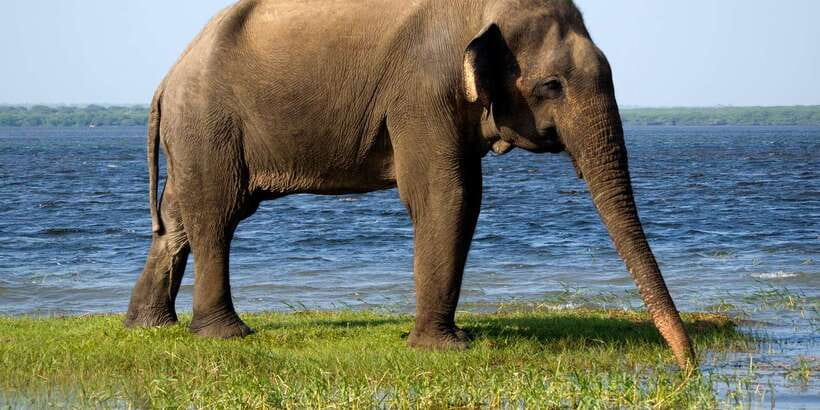
Your safari portion is 3 hours in Udawalawe National Park. That’s a sweet spot: long enough to do real searching, short enough that you don’t feel stuck in one place.
You can start either in the early morning or in the afternoon, depending on your chosen timing. Early and late-day windows tend to be better for animal activity, and Udawalawe’s open areas also give you chances to track herds moving across the park.
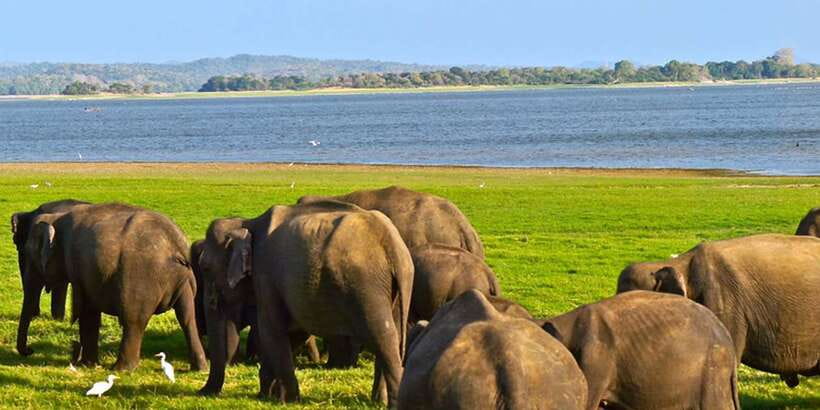
The safari isn’t described as rushed. The vibe you should expect is calm wildlife viewing with a guide who actively spots and explains. Many experiences you’ll read about include big elephant sightings plus other species—often crocodiles, water buffalo, monkeys, and different birds—because the guide is constantly scanning and adjusting where the jeep goes.
Wildlife You Can Plan to See (And How to Look for It)
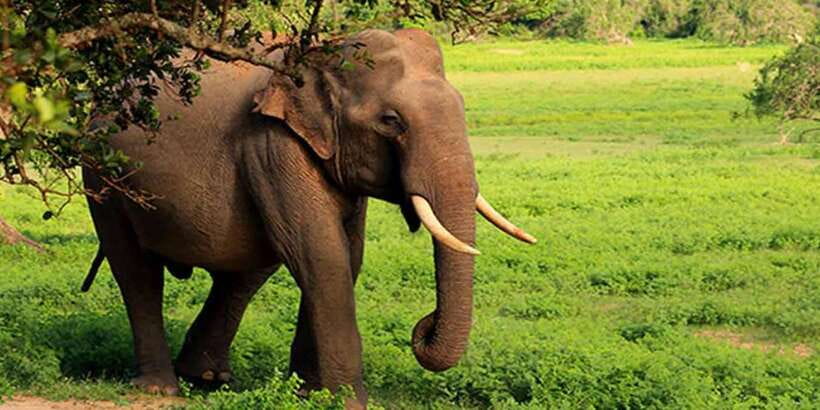
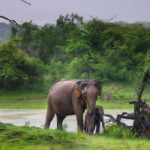
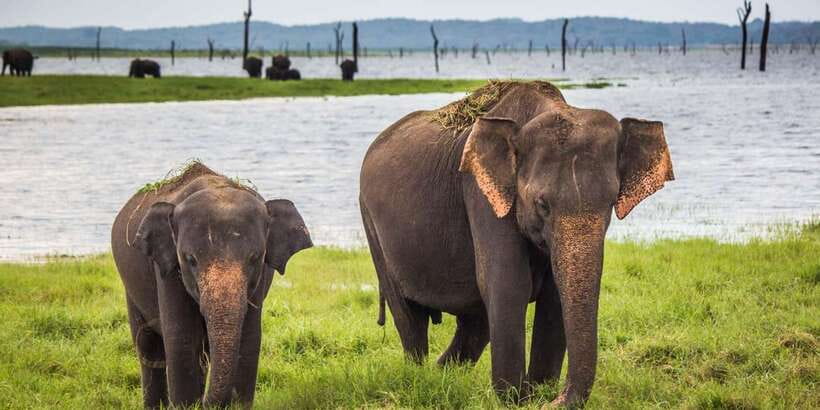
Udawalawe is famous for elephants, and this safari is built around that expectation. You should absolutely treat elephants as your primary target—herds are specifically called out, and that’s consistent with the many detailed sightings people report.
But you’ll also want to look for the “support cast.” Here’s what’s commonly expected in this park area:
- Crocodiles: Especially in or near water edges; if visibility is good and the guide finds a good spot, you may spot them resting or moving along the shorelines.
- Water buffalo: Often seen where grass and water overlap.
- Monkeys: You may notice them reacting to the jeep or moving through nearby vegetation.
- Endemic and local birds: Bird spotting is part of the experience, and guides often point out species as you drive.
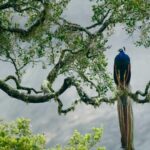
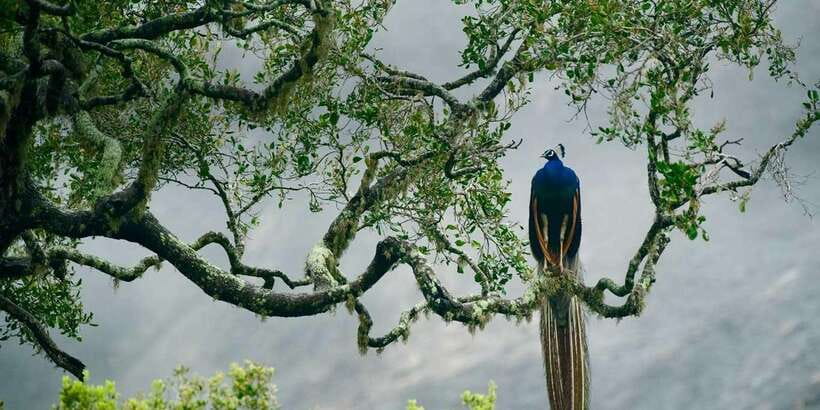
- Other wildlife: Reports frequently include smaller mammals like mongoose, and birds like peacocks show up in some sightings.
How you should “play” the viewing matters. Keep your eyes moving. Don’t fixate on one patch of grass for too long. When the jeep slows, that’s your cue to stand by for a change—animals might step into view after a quiet pause.
Guides: What You’re Paying for Is Spotting and Storytelling
This trip includes a professional driver/guide, and you’ll have an English live tour guide during the safari portion. In actual experiences, guides such as Pathum and Koshala come up again and again for being friendly, careful, and focused on finding animals.
That’s where real value often hides. A guide who understands Udawalawe knows how to:
- position the jeep for visibility,
- watch animal behavior rather than just chasing movement,
- explain what you’re seeing in a way that makes the sightings feel meaningful.
If you’re traveling with kids or you just want the day to feel “guided” instead of stressful, this is a big plus. You’re not stuck doing guesswork.

Door-to-Door Drop-Offs: Tangalle, Mirissa, Unawatuna, Galle, and More
After safari, you switch back into the air-conditioned vehicle and continue to the south coast. Drop-offs are offered in several areas, including Tangalle, Hiriketiya, Mirissa, Weligama, Unawatuna, Galle, and Hikkaduwa. Pickup is from the Ella area, and the service also states you can be picked up from Ella hotels and dropped in a broad set of coastal towns and nearby locations.
For you, the payoff is simple: fewer transfers. No wrestling with buses right after a safari. No trying to time tuk-tuks while you’re sun-tired.
This is also a smart option if your itinerary has you moving hotels anyway. You can treat it like a planned handoff: Ella hotel to park, park to coast hotel.
Price and Value: What $48 Actually Buys You
At $48 per person for a 7-hour day, the value is in the combination. You’re paying for:
- hotel pickup in Ella,
- transport in an air-conditioned vehicle,
- the safari portion inside Udawalawe (3 hours),
- a professional guide/driver,
- highway toll charges.
Then there are two costs you should expect separately:
- Udawalawe entrance fees (not included),
- food and drinks (not included).
So the real question isn’t just the sticker price. It’s whether you’d otherwise pay separately for a transfer down south and a separate Udawalawe safari. When you combine them into one smooth day with door-to-door service, it tends to feel like better value—especially if you’re trying to maximize experiences without adding extra hotel-hunting days.
If you’re a solo traveler, the “chauffeured” feel is also a big part of the value. Fewer steps means less friction.
Timing Tips: Morning vs Afternoon and What to Pack
You’ll want to check availability for starting times, but the trip is designed around early morning or afternoon starts for active wildlife hours. A morning start can be great if you like the “fresh start” feel and want the day to roll fast. An afternoon start can work if you’d rather sleep in a bit and still get a strong chance at animal sightings.
What to pack is mostly about comfort:
- sunscreen and a hat (you’ll be in the sun during the park window),
- a light layer for the vehicle ride if you run cold,
- a camera strap you can use quickly when the jeep slows down,
- water (since food/drinks are not included).
Also, plan your schedule on the coast with some patience. This is a long road day, and even though it’s designed to be efficient, you’re still mixing safari and driving.
Practical Notes That Can Affect Your Day
A few real-world factors matter, even when everything is mostly well organized:
1) Park entrance fees
Entrance fees to Udawalawe are not included. People often budget cash separately for the park, and you should treat it as a must-have expense.
2) Pickup timing
Your morning pick-up might be early. Some schedules can start around 5am to 6am, depending on the day and your routing. Also, while things are described as seamless, occasional pickup delays (like 30–40 minutes) can happen, so don’t schedule a tight connection right after.
3) Vehicle comfort is usually a win
A recurring praise point is that the vehicle is clean and cool. After a dusty safari, that matters more than you’d think.
4) Wildlife sightings are never guaranteed
Even with a guide doing everything right, animals behave like animals. Elephants are the big target, but the exact mix—crocodiles, mongoose, peacocks, monkeys—can vary.
Who This Works Best For
This shuttle-with-safari combo is a strong fit if you:
- are moving from Ella to the south coast anyway,
- want Udawalawe without adding extra logistics days,
- like wildlife that’s close to the action (especially elephant country),
- prefer door-to-door transfers instead of piecing together buses and tuk-tuks.
It’s also ideal if you’re time-conscious but still want a real animal experience, not just a quick stop.
If you’re someone who hates early mornings no matter what, you’ll want to choose your timing carefully and confirm your start time.
Should You Book This Ella–Udawalawe–South Coast Safari Shuttle?
I think you should book this if your route includes both Ella and the south coast and you want Udawalawe as part of the travel day. The biggest reason: you get the safari without sacrificing the transfer. The second reason: the air-conditioned vehicle keeps the day from turning into a sweaty endurance test.
Don’t book it if you’re not willing to plan for separate entrance fees or you’re very sensitive to early starts and possible pick-up delays. Also, if you already have a safari planned in a different way and you’re just trying to “get somewhere,” then this may not add enough.
My call: if you can handle a long day and you want elephants plus an efficient coast arrival, this is a practical, high-value way to link the two halves of your Sri Lanka trip.
FAQ
What’s included in the Ella to Tangalle/Mirissa/Galle shuttle with Udawalawe safari?
Hotel pickup from the Ella area, hotel drop in Tangalle/Hiriketiya/Mirissa/Weligama/Unawatuna/Galle/Hikkaduwa areas, transportation in an air-conditioned vehicle, Udawalawe safari tour, a professional driver/guide, and highway toll charges.
How long is the whole experience?
The total duration is listed as 7 hours, including the transfer and the Udawalawe safari portion.
How long is the safari inside Udawalawe National Park?
The Udawalawe safari tour is described as a 3-hour safari in the park.
Is the Udawalawe National Park entrance fee included?
No. Udawalawe entrance fees are not included in this package.
Does this include food or drinks?
No. Food and drinks are not included.
What vehicle do you use for the safari?
You’ll switch to an open concept safari jeep for the Udawalawe National Park portion so you get the best views.
Where do you get dropped off on the south coast?
Drop-off is available in areas including Tangalle, Hiriketiya, Mirissa, Weligama, Unawatuna, Galle, and Hikkaduwa (and pickup/drop is also described more broadly for nearby locations).
Is there an English-speaking guide?
Yes. The safari includes a live tour guide in English.