Banana-leaf dinner hits different in Ella. This traditional Sri Lankan cooking class puts you right in the middle of the food process: open-air prep, step-by-step cooking, and a sit-down meal you eat off banana leaves. The instructor for this experience is Ranjani, and the class leans heavily into real techniques, real spices, and real hands-on work.
Two things I really like are the way you learn core Sri Lankan dishes through practical steps (you’re not just watching), and the fact that you leave with recipes sent by WhatsApp after class. One possible drawback to keep in mind: it’s a shared, traditional setup in an open-air kitchen, so rain and tight workspace can make the flow feel more casual than a studio-style cooking class.
In This Review
- Key highlights in Ella
- Check-in at Chamathka Cooking Class and the warm start
- Inside the open-air kitchen: ingredients first, then technique
- What you may cook in Ella: hoppers, curry, sambol, and more
- Step-by-step cooking, with shared stations (and lots of turns)
- Spices aren’t just flavor here: the health-and-use lesson
- Banana leaves: the meal, the presentation, and the no-waste style
- Timing, logistics, and what to plan for
- Value for $19: what you’re really paying for
- Who should book—and who should think twice
- Should you book the Traditional Sri Lankan Cooking Class in Ella?
- FAQ
- What dishes does the class include?
- How long is the cooking class?
- What time does the class usually start?
- How many people are in the group?
- Where do I check in?
- Is transportation to the meeting point included?
- What’s included in the price?
- How do I receive the recipes after class?
- Can I get a refund if I cancel?
Key highlights in Ella
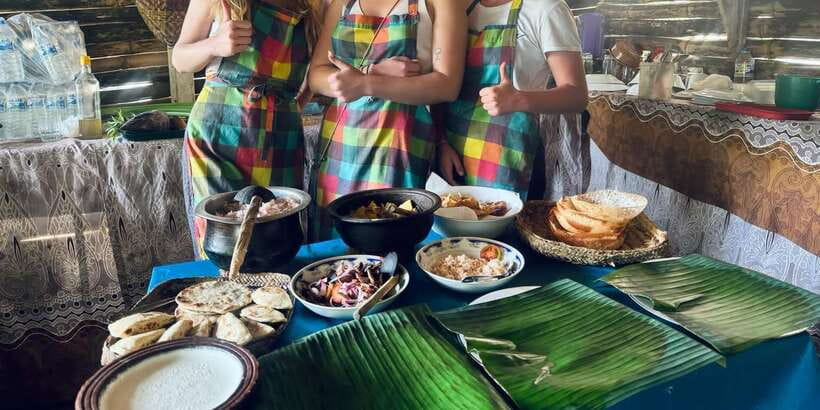
- Open-air kitchen with fresh ingredients and good ventilation, surrounded by greenery
- Small group up to 8, so you actually get turns cooking and prepping
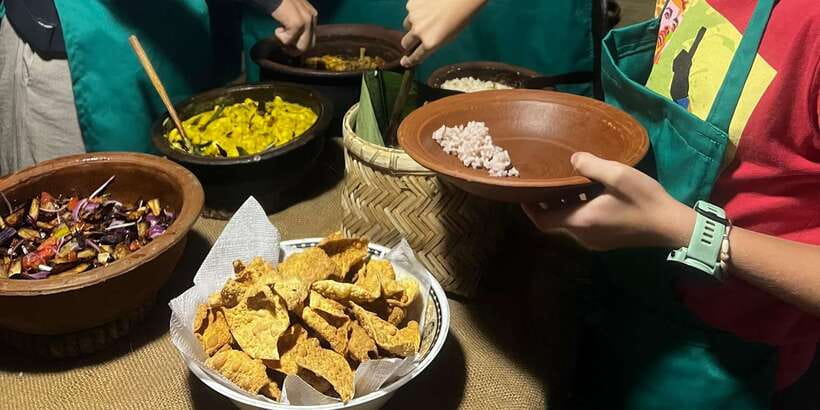
- Classic dishes you may make: hoppers, rice and curry, string hoppers, honey roti, plus sambol and dal
- Spice lessons with health context, including how spices are used and why they matter
- Banana-leaf eating to cut waste and keep it feeling properly local
- Recipes via WhatsApp so you can cook again at home
Check-in at Chamathka Cooking Class and the warm start
Your experience begins with check-in with the staff at the Chamathka Cooking Class. From there, the class moves you into the kitchen space and gets you comfortable right away. Many cooking classes start with a lecture. This one starts with hands-on momentum.
Before the main cooking really takes off, you’ll typically get a welcome drink (often tea, sometimes with biscuits). It’s a small detail, but it sets the tone: the goal is to cook together and eat together, not to perform cooking for you.
Because the kitchen is open-air, you’ll notice it immediately. You can breathe, you can hear what’s going on at the cooking area, and you’ll feel the real rhythms of food prep in Ella. In rainier weather, it can still work, but plan for a looser schedule than what you’d expect indoors.
You can also read our reviews of more tours and experiences in Ella Sri Lanka.

Inside the open-air kitchen: ingredients first, then technique
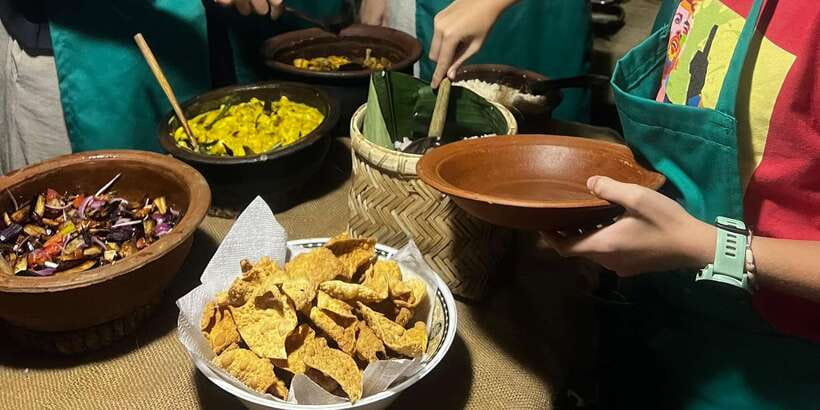
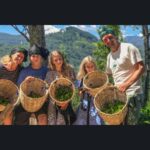
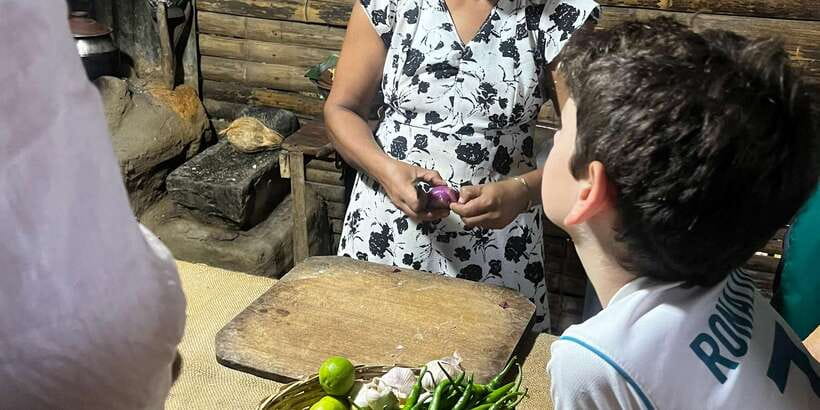
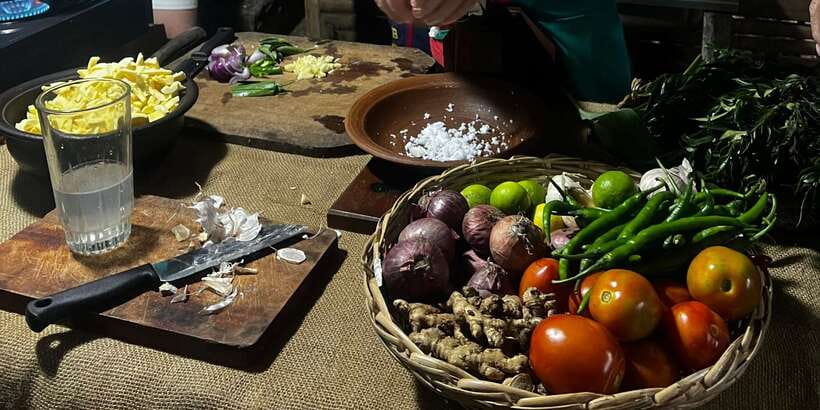
Once you’re in, you’re introduced to fresh ingredients. This matters because Sri Lankan cooking is ingredient-led. You don’t get far if you treat spices as decoration. You need to understand what you’re using and what role each ingredient plays.
What stands out about this class is the way Ranjani teaches technique through explanation while you’re actively doing tasks. You might chop, season, mix, and assist as she demonstrates. Several people specifically mention learning traditional methods like making coconut milk and preparing dishes like sambol and dal.
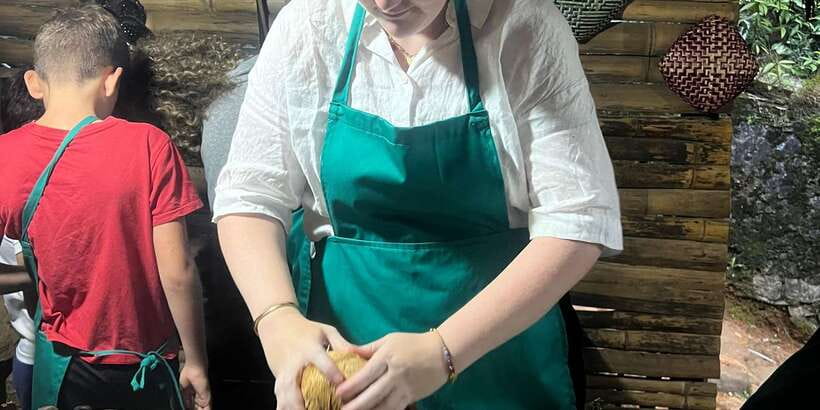
One neat detail from the experience: you may see traditional tools and classic prep styles—like grading coconut by hand. It’s not fast, but it’s direct. And once you understand why the texture and prep matter, it clicks when you cook the final dish.
What you may cook in Ella: hoppers, curry, sambol, and more
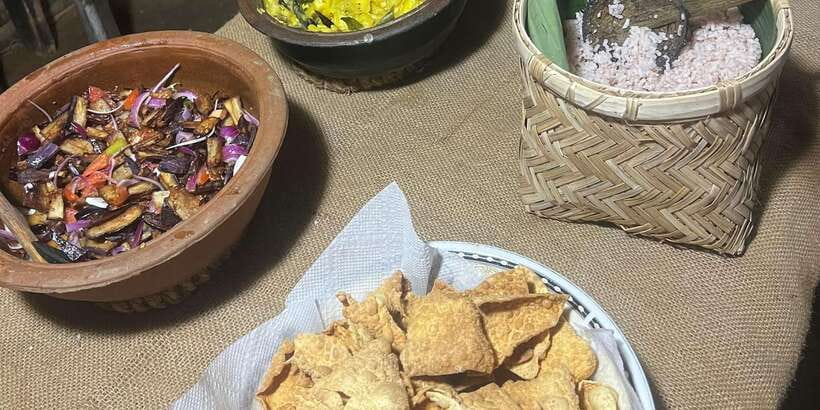
The exact menu can vary, but you should expect a lineup built around Sri Lankan staples. The class is designed to teach you dishes you can recognize even if you’ve never cooked them before—then build the technique behind them.
Common dishes you may cook include:
- Hoppers (bowl-shaped pancakes)
- Rice and curry
- String hoppers
- Honey roti
- Dal (often dhal curry)
- Coconut sambol
- Papadam
- Possibly additional sides like an aubergine salad
- Some classes may include a chicken curry option
A key point for your expectations: you likely won’t choose the menu dish-by-dish. The structure is built around a teaching flow, not customization. That said, there seems to be flexibility for different diets in practice. One vegan participant reported being able to eat almost everything prepared, with only one dish not fitting.
If you have strong dietary requirements, contact the provider before you go. With a small group, it’s easier for the host to adjust while keeping the class on track.
Step-by-step cooking, with shared stations (and lots of turns)
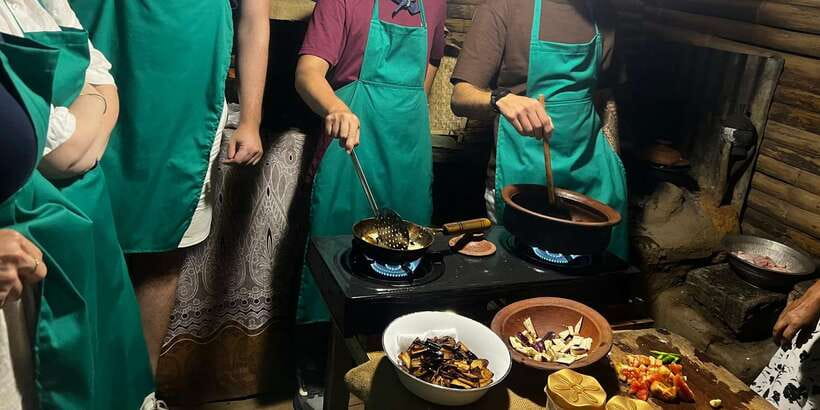
This is hands-on, not a sit-back show. You’ll be working around a shared cooking space, which creates a social feel, but also means it can get a little tight depending on the group setup.
You’ll often hear the instructions in English and Singhalese, with Ranjani guiding the group step-by-step. People describe the pacing as thorough, with lots of encouragement to help with different tasks. Even when the cooking happens at one main workstation, the class is set up so you’re not stuck watching.
A couple of practical things to note for your own comfort:
- You might be standing and working in the same general area for a lot of the 2 hours.
- If your preferred style is one-person, one-station cooking, this may not match that idea.
- The class can run slightly longer in real life. One traveler said it felt closer to about 2.5 hours, especially if there’s pickup timing to coordinate or if weather slows the process.
Think of it as a home-style cooking lesson with structure, not a conveyor-belt cooking workshop.
Spices aren’t just flavor here: the health-and-use lesson

Sri Lankan cooking uses spices like tools. This class treats them that way. Ranjani explains both flavor and function: how spices are used and why they matter.
Many participants highlight the focus on the spices and their health benefits. That doesn’t mean it’s a medical lecture. It’s more like learning the logic behind the pantry. Why use certain spices early, why toast or balance others, and how the final curry profile changes.
In practice, this makes your home cooking easier. When you cook rice and curry again later, you’ll know what to adjust—heat, tang, salt balance, and that curry depth that comes from layered seasoning rather than a single dump of powder.
If you like food that tastes bold but also feels grounded in real ingredients, this spice part is one of the reasons the class earns such a high rating.




Banana leaves: the meal, the presentation, and the no-waste style
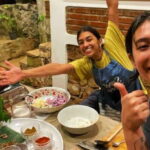
Once your cooking is done, you eat what you made. And the way you eat it is part of the point.
You’ll typically sit down to enjoy your meal on a banana leaf. It’s not only traditional. It’s practical. Banana leaves help you skip single-use plates and keep the food presentation very Sri Lankan.
You’ll likely get a mix of dishes you helped prepare—so you’ll understand what each bite is supposed to taste like, not just that it tastes good. After cooking rice, curry, sambol, and sides, the final meal becomes the test run of your technique.
From what’s been described, the portions tend to be generous. People also mention that there’s often enough food to feel satisfied, even if you eat slower or go back for seconds.
The meal includes bottled water, which is helpful given you’ll be in an active cooking environment.
Timing, logistics, and what to plan for
Here’s the reality on timing: the class is listed as 2 hours, with typical start times at 11:00 AM and 5:00 PM. The provider can be flexible if you contact them in advance.
In real life, plan for the kitchen to move at a cooking pace. One person noted it felt closer to 2.5 hours depending on weather and pickup timing. For your schedule, build in buffer time. Ella has plenty to do between activities, so you won’t feel trapped waiting.
Also remember that transportation to the meeting point is not included. If you’re staying in Ella town, you’ll likely be able to walk or arrange a short transfer. If you’re farther out, plan ahead so you don’t arrive stressed with wet clothes and cold tea.
Bring what you’d bring to any outdoor kitchen experience:
- Comfortable shoes for standing and moving around
- Light layers (open-air kitchens can feel cooler even when it’s sunny)
- A small towel if you don’t like getting splashed while cooking
Value for $19: what you’re really paying for
At $19 per person, this class can feel like a bargain—especially because you’re not only tasting. You’re learning techniques, handling ingredients, and then sitting down to a full meal.
You get:
- An instructor (Ranjani)
- Fresh ingredients
- Cooking instruction and practice
- A meal
- Bottled water
There’s also an added value that people love: the recipes are sent digitally afterward through WhatsApp. That’s important. A lot of cooking classes end with you taking a photo and forgetting the exact ratios. Here, you have something to recreate what you made at home.
Is it luxury? No. It’s traditional. But for the money, it’s practical and skill-based. You leave with both food and the ability to reproduce part of the experience later.
If you’re in Ella and want one memorable, authentic activity that isn’t just a scenic stop, this is a strong contender.
Who should book—and who should think twice
I’d steer you toward this cooking class if:
- You want hands-on cooking, not a passive tour
- You’re curious about Sri Lankan spices and how they work in real dishes
- You like home-style food and traditional presentation like banana-leaf dining
- You want a takeaway you can use later via WhatsApp recipes
Think twice if:
- You expect a fully private, individual workstation cooking experience
- You hate outdoor settings (open-air kitchen plus possible weather effects)
- You want a perfectly timed itinerary that won’t shift a little in the real world
For most people visiting Ella, this kind of class is exactly the sweet spot: cultural, practical, and delicious.
Should you book the Traditional Sri Lankan Cooking Class in Ella?
Yes, if you want authentic food you can actually make again. For the price, you get a structured lesson, a warm host in Ranjani, and a meal you eat in a truly local style—on banana leaves. The spice-focused teaching is also a plus because it explains the why, not just the what.
Book it if you’re flexible with timing by 30 minutes or so and you’re okay with shared kitchen space. Skip it only if you want a very formal, indoor, one-person-station cooking setup.
If you’re even a little excited about curries, hoppers, and learning why spices matter, this is one of those Ella activities that pays you back at dinner time—twice.
FAQ
What dishes does the class include?
You can expect traditional Sri Lankan dishes such as hoppers, rice and curry, string hoppers, and honey roti. Other dishes mentioned include dal (dhal curry), coconut sambol, and papadam.
How long is the cooking class?
The class duration is listed as 2 hours.
What time does the class usually start?
Classes normally take place at 11:00 AM and 5:00 PM, but the provider can be flexible if you contact them in advance.
How many people are in the group?
The class is a small group limited to 8 participants.
Where do I check in?
Check in with staff at the Chamathka Cooking Class.
Is transportation to the meeting point included?
No. Transportation to the meeting point is not included.
What’s included in the price?
The price includes the instructor, fresh ingredients, the cooking class, the meal, and bottled water.
How do I receive the recipes after class?
Recipes are sent digitally after class through WhatsApp.
Can I get a refund if I cancel?
Yes. There is free cancellation up to 24 hours in advance for a full refund.