Elephants first, then crocodiles: that kind of safari. In Udawalawe National Park, you’re chasing a real elephant stronghold, with the chance to spot around 500 elephants in a single park area, plus wild buffalo, deer, crocodiles, and lots of birds. I love the small jeep setup (max 7 passengers) because it keeps spotting sharp and makes it easier for the guide to position you for sightings. The main trade-off: the park entrance and service fees aren’t included, and food and drinks are also on you.
You’ll start with pickup from the Udawalawe area (hotel or near the park entrance), then head into the park with an English-speaking guide and a driver who’s focused on careful driving and animal-spotting. The total time is tight and satisfying at about 3 hours, with a chance to pause for a picnic lunch inside the park before heading back.
In This Review
- Udawalawe’s elephant pull: why this safari feels different
- Your 3-hour safari rhythm: what the time is really for
- Safari jeep size (max 7): the small-group advantage
- Wildlife odds in Udawalawe: elephants, buffalo, deer, crocodiles, birds
- Elephants (the star of the show)
- Buffalo and deer (the “bonus” sightings)
- Crocodiles and reptiles (when you slow down)
- Birds and butterflies (the constant reward)
- Guides make or break it: what you’ll notice with Pathum, Koshala, Prasad, Paenum
- Price and value: $19 per person plus what you must budget
- Pickup at Udawalawe or near the entrance: how to make it smooth
- Picnic lunch inside the park: what to bring and how to plan
- What can go wrong (and how to handle it)
- Who this safari is best for
- Should you book this Udawalawe National Park safari?
- FAQ
- How long is the Udawalawe National Park safari tour?
- What’s included in the price?
- Is the park entrance fee included?
- Is food included?
- Will I have an English-speaking guide?
- What wildlife can I expect to see?
- How many people fit in the jeep?
- Where does pickup happen?
- Is the tour wheelchair accessible?
- Can I cancel and get a full refund?
Udawalawe’s elephant pull: why this safari feels different
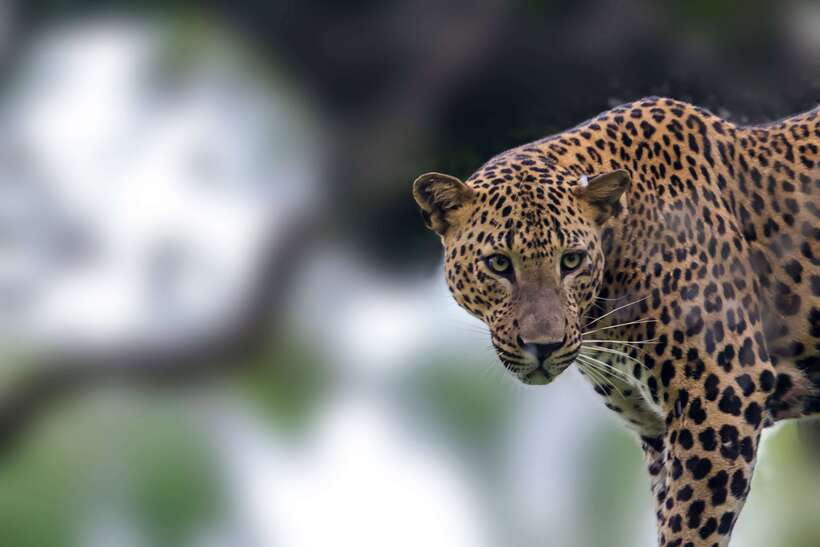
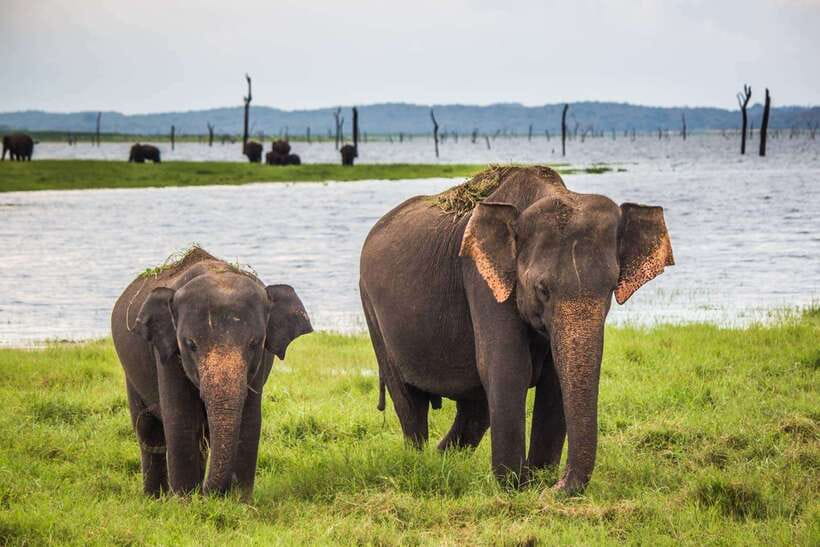
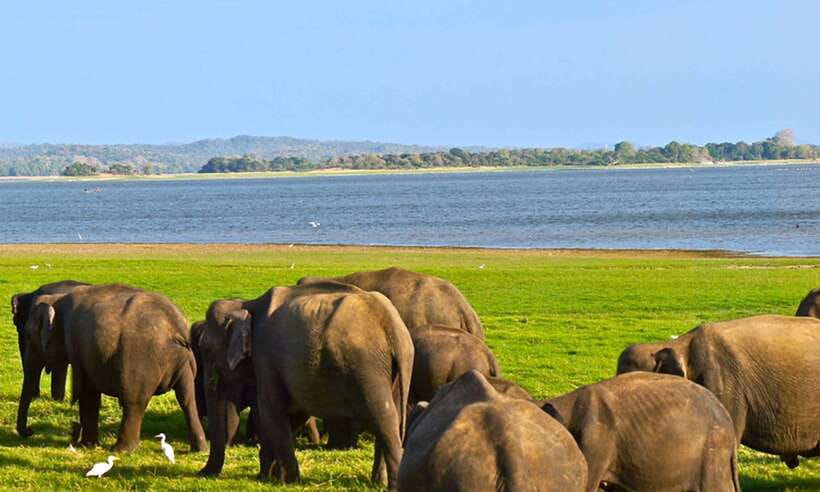
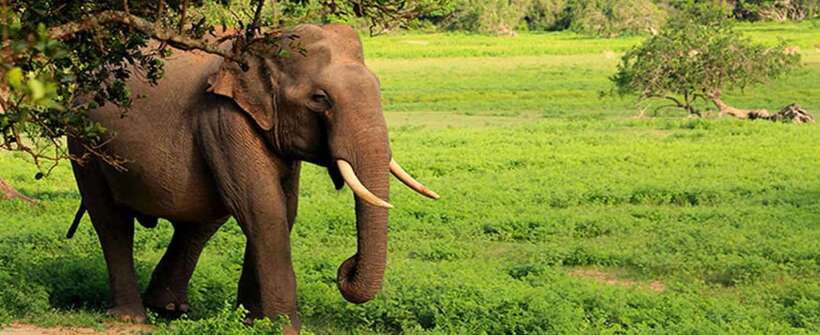
Udawalawe National Park is famous for one thing more than anything else: elephants. Not “maybe you’ll see one,” but a true elephant-heavy outing. The park is huge, about 230,821 hectares, and the elephant population is estimated around 500. That matters, because it shifts the safari from hoping to looking with purpose.
One of the big selling points here is the elephant gathering outside Africa. In practice, that means your time is spent where elephants tend to show up—grassland areas and the kind of terrain elephants use for feeding and movement. Even if wildlife is always unpredictable, Udawalawe gives you a solid baseline for elephant sightings compared to many other short safaris.
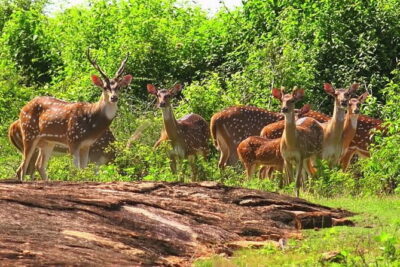
And it’s not just elephants. The wildlife list you can realistically expect to run into includes wild buffalo, spotted deer, barking deer, wild boar, sambar, hare, mongoose, crocodiles, and recorded snakes (about 30 species). Birds are a major bonus too, plus 50 species of butterflies in the park. So if your group wants variety, this is a good match for that.
Your 3-hour safari rhythm: what the time is really for
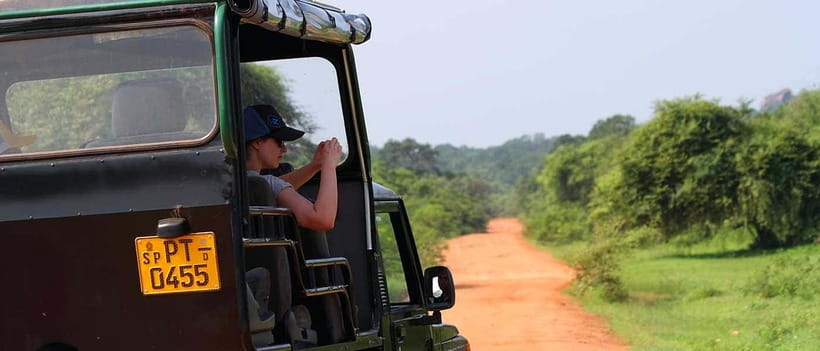
This is built as a 3-hour experience, guided the entire time. That pacing is a strength. You’re not stuck on a long, slow drive for hours with only a couple of stops; instead, the guide keeps you moving and scanning while the driver handles the road through the park.
Here’s how the flow usually works:
1) Pickup and start
You meet your driver at your hotel in Udawalawe or at/near the park entrance area. From there, you head straight into the park with your guide. This keeps your first sightings from feeling delayed.
2) Main search time inside the park
Most of your 3 hours are spent looking for elephants and other wildlife. The best part of Udawalawe is the range of animals beyond the headline species. I like that the guide isn’t just pointing at a single target; they’re watching for buffalo, deer, mongoose, crocodiles, snakes, and bird life too.
3) Picnic lunch pause (time to reset)
There’s time to enjoy a picnic lunch in the park. Since food and drinks aren’t included, this part works best if you plan your own lunch setup (or bring snacks and water).
4) Return transfer
At the end, you’re transferred back to your hotel or your starting point.
With a 3-hour safari, you should go in ready to be flexible. You might spend more time with one elephant group if it’s active, or shift quickly if the guide spots something interesting from the trees or distance.
You can also read our reviews of more tours and experiences in Udawalawa.
Safari jeep size (max 7): the small-group advantage
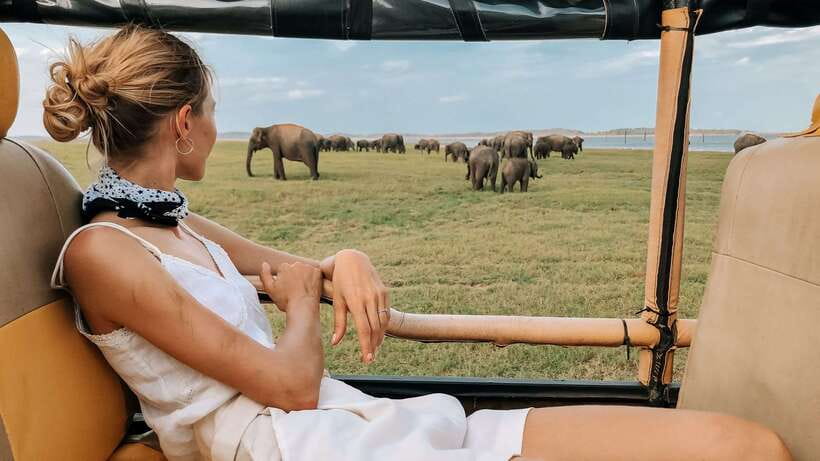
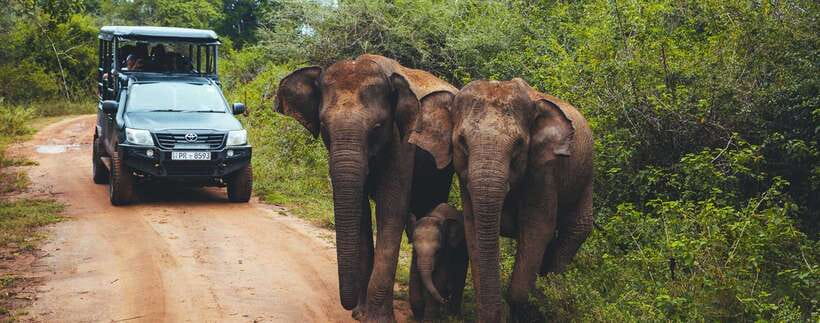
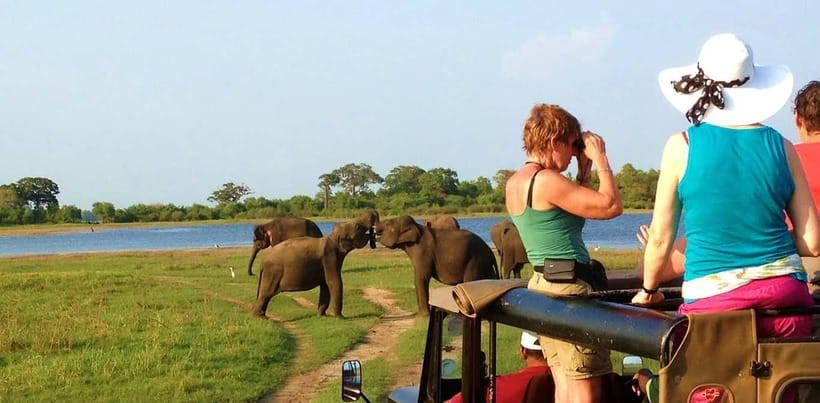
The jeep matters. This tour uses a Safari Jeep with a maximum of 7 passengers. In a park like Udawalawe, smaller group size helps in two ways.
First, it’s easier to read the scene. When you’re not packed shoulder-to-shoulder, you can see better and react faster when the guide calls out a sighting. Second, it makes positioning less chaotic. A guide can move you a few meters to improve sightlines without turning the whole jeep into a traffic jam.
You’ll also feel the difference when the driver is attentive. In the better-guided experiences, drivers take care around animals, including turning off the engine when close by, which can help keep the wildlife calm and focused.
Wildlife odds in Udawalawe: elephants, buffalo, deer, crocodiles, birds
Let’s talk chances, not promises.
Elephants (the star of the show)
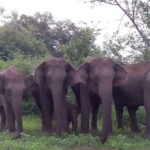
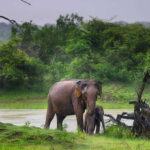
You’re going for a thriving elephant population, and you often get exactly what you came for: multiple elephant sightings in different groups. Some days can include babies, and when they’re around, the whole vibe changes. One safari experience included a very young elephant interacting with people in the jeep using her trunk—an unforgettable moment because it’s intimate and odd in the best way. Just remember: elephant behavior varies day to day.
Buffalo and deer (the “bonus” sightings)
Wild buffalo and different deer types show up in the park records, including spotted deer and barking deer. These sightings can be easier to miss than elephants, because you might focus on the big herd. A strong guide helps you spot the quieter wildlife too.
Crocodiles and reptiles (when you slow down)
Crocodiles are on the wildlife list, so it’s worth paying attention to water-adjacent areas and pauses for scanning. Snakes are also recorded (about 30 species), but reptiles are the kind of wildlife you might see only if the conditions align and the guide’s eye catches movement.
Birds and butterflies (the constant reward)
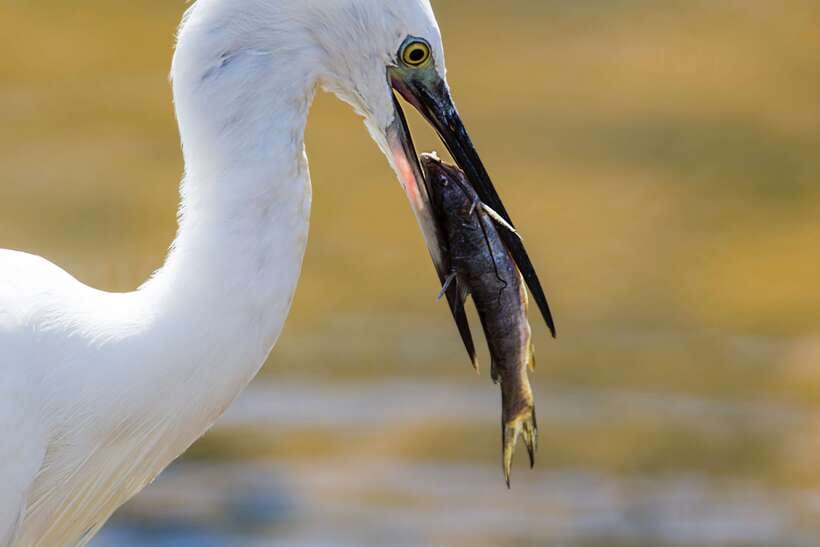
Even when animals are far, you can still win. Udawalawe has many bird types and 50 species of butterflies. If your group enjoys birding, this safari won’t feel empty between elephant sightings.
Guides make or break it: what you’ll notice with Pathum, Koshala, Prasad, Paenum
This tour leans hard on the guide’s skill. That shows up in real details: where they position the jeep, how long they scan, and whether they can read animal behavior.
A few guide-driver styles stood out:
- Pathum is often described as having eagle-eye spotting ability, including spotting animals up in trees, and sharing practical advice for getting better photos, like angles and zoom tips.
- Koshala is praised for guiding throughout the safari and for careful driving that keeps things safe while you search.
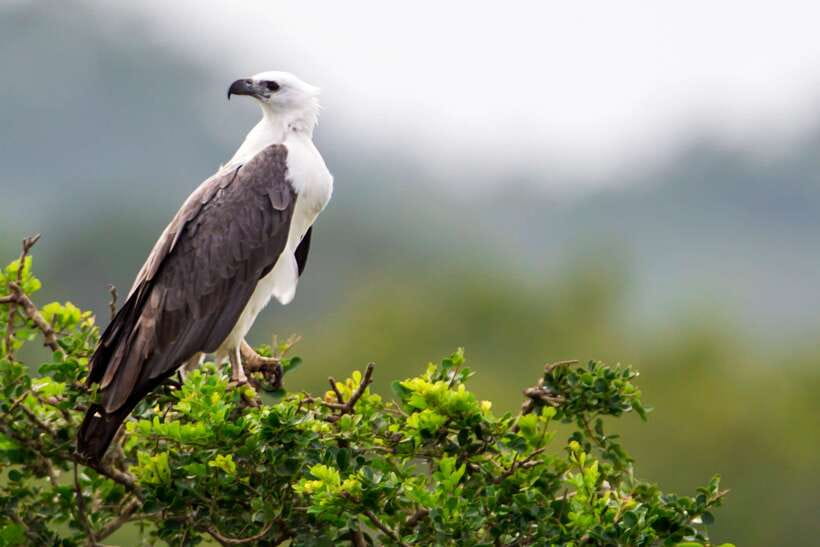
- Prasad stood out for both enthusiasm and persistence. One experience included spotting an elephant herd with a very young baby, plus birds like eagle and kingfisher, and multiple small mammal sightings such as mongoose.
- Paenum is noted for making sure the group had time to watch animals, not just rush past them.
The best part isn’t just the spotting. It’s the way these guides help you see—how to aim your attention, when to wait, and how to interpret what you’re seeing. For a short 3-hour window, that coaching is what turns a “we saw elephants” safari into a “we got great views and great moments” safari.
Price and value: $19 per person plus what you must budget
At $19 per person for a 3-hour guided safari with pickup and a jeep (max 7 passengers), the base price is pretty attractive. You’re paying for transport from the Udawalawe area, guided time, and the safari vehicle.
But two cost items are not included:
- Park entrance & service fees: listed as LKR 11,000 (about $37 USD), paid separately
- Food and drinks: picnic lunch time exists, but it’s not included
So your realistic budget isn’t just $19. It’s $19 plus the entrance/service fees, and then whatever you plan to eat and drink. The value only fully makes sense when you accept this as a “safari experience fee + park fee” model.
I also like that transport is highly rated (88% of reviewers gave it a perfect score). A safari is no place for reckless driving or constant stops to fix problems. Good transport quality tends to mean a smoother animal-spotting experience.
One more practical note: on at least one occasion, an extra volunteer guide joined the car instead of the booked guide setup, and the group ended up tipping that person. That’s not something you can predict, but it’s a reminder to double-check who will be in your vehicle on the day and what their role is.
Pickup at Udawalawe or near the entrance: how to make it smooth
Pickup is included from the Udawalawe area. In practice, that means you’ll either get collected at your hotel or at a spot close to the entrance to the park. Communication via WhatsApp can be part of the process, and some groups found pickup coordination smooth.
Here’s how I’d make it easier on yourself:
- Be ready a bit early so the driver isn’t waiting.
- Have your pickup name and location clear.
- Bring a little patience. Park logistics and animal sightings control timing more than a clock does.
Picnic lunch inside the park: what to bring and how to plan
The experience includes time for a picnic lunch in the park, but food and drinks are not included. That’s normal for many safari formats, but it changes how you should prepare.
Think “practical safari meal,” not a restaurant lunch. You want:
- Water (for sure)
- Something filling but not messy
- A light layer, depending on the time of day
This is also where you can reset your eyes. After elephant sightings (or after a quiet spell), the lunch break gives you a moment to refocus for the second half of the safari.
What can go wrong (and how to handle it)
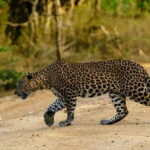
Safari days are variable by nature, and Udawalawe is no exception. One disappointment that came up was not spotting certain animals like big cats (and leopards aren’t part of the core wildlife list provided for this experience). So the best mindset is elephant-first.
The other realistic “risk” is cost confusion. If you expect everything at checkout to cover park fees and service charges, you’ll feel surprised later. So I recommend planning for the entrance/service fee ahead of time, then packing food or snacks accordingly.
Finally, if you’re sensitive to group dynamics, remember that max 7 passengers means decisions are quick. You’ll want to follow the guide’s direction when they stop, shift, and point out sightings.
Who this safari is best for
This tour fits best if you:
- Want a short, guided wildlife hit without a full day commitment
- Care most about elephants (and secondarily buffalo, deer, crocodiles, birds)
- Prefer small-group jeep riding for better viewing
- Want an English-speaking guide who can explain what you’re seeing and help with photo angles
It may not be right for everyone. The activity notes it’s not suitable for pregnant women and it isn’t wheelchair accessible.
Should you book this Udawalawe National Park safari?
If your priority is elephants and you want a 3-hour safari that’s guided and small-group, I’d book it. The combination of Udawalawe’s elephant density, a max 7 jeep, and guides like Pathum, Koshala, Prasad, and Paenum (all praised for spotting and careful guiding) makes it a strong value when you budget correctly.
Book with confidence if:
- You’re planning to cover park entrance/service fees separately
- You’re happy to bring or buy your own food and drinks for the picnic time
- You want a focused safari that keeps moving and scanning
Skip it or look for another option if:
- You can’t do jeep-style travel over park roads
- You need your total cost to be fully predictable at the base price (since park fees are separate)
FAQ
How long is the Udawalawe National Park safari tour?
The guided safari tour lasts 3 hours.
What’s included in the price?
You get hotel pickup & drop from the Udawalawe area, transportation in a Safari Jeep (maximum 7 passengers), and a guided 3-hour tour.
Is the park entrance fee included?
No. The entrance and service fees for Udawalawe National Park (LKR 11,000/- approx. $37 USD) are not included.
Is food included?
No. Food and drinks are not included, even though there is time for a picnic lunch in the park.
Will I have an English-speaking guide?
Yes. The tour includes a live tour guide in English.
What wildlife can I expect to see?
You may see elephants, wild buffalo, spotted deer, barking deer, wild boar, sambar, hare, mongoose, crocodiles, snakes (30 species recorded), birds, and butterflies (50 species recorded).
How many people fit in the jeep?
The Safari Jeep is limited to a maximum of 7 passengers.
Where does pickup happen?
Pickup is included from the Udawalawe area, either from your hotel or a spot near the park entrance.
Is the tour wheelchair accessible?
No. The activity is not wheelchair accessible.
Can I cancel and get a full refund?
Yes. You can cancel up to 24 hours in advance for a full refund.