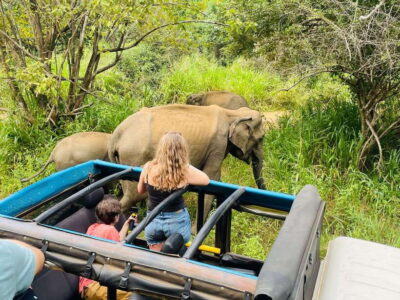
Elephants and crocodiles in one half day. This Udawalawe National Park safari pairs a 4×4 morning (or afternoon) drive with a stop at the Elephant Transit Home during feeding hours, so you get both wild habitat moments and up-close baby-elephant energy. Two things I especially like: the small-vehicle feel with a 7-passenger max jeep, and the way guides focus on respect and smart spotting rather than rushing. The main catch is budget: park and Elephant Transit Home entrance fees are not included, and you’ll also want to plan for tips and no food/drinks.
You’ll be picked up from the Udawalawa area (or meet at the entrance), then drive into one of Sri Lanka’s best wildlife reserves in search of elephants first—plus a solid mix of deer, buffalo, mongooses, reptiles, birds, and more. The payoff is that Udawalawe is built for sighting: water and open areas help animals show up, and your guide can read the park to find where activity is likely. For many people, early departure is the difference between a good safari and a great one.
If you want a quick checklist before you go: bring a little patience (wildlife timing is real), and understand that this is a 4-hour experience—so it’s not a full-day deep species tour. It’s a fast, high-impact way to do Udawalawe well without turning your trip into a logistics project.
In This Review
- Key Things To Know Before You Go
- Udawalawe in Four Hours: What This Safari Really Delivers
- Park and Elephant Transit Home Fees You Must Budget For
- The 4×4 Jeep Safari Inside Udawalawe National Park
- Timing and route choices (the crowd factor)
- What you’ll do during the safari
- Elephant Transit Home Feeding Time: Seeing Baby Elephants Responsibly
- A real-world expectation
- Guides Like Pathum and Koshala: Why the Human Factor Matters
- Practical tip
- Price and Logistics: Is $21 Good Value?
- What you’re getting for your time
- Who This Tour Suits Best (And Who Might Want Something Else)
- Should You Book? My Take
- FAQ
- What’s the duration of this tour?
- Does the price include hotel pickup and drop-off?
- Are entrance fees to Udawalawe National Park included?
- Are entrance fees to the Elephant Transit Home included?
- What animals can you expect to see in Udawalawe National Park?
- How many passengers are in each jeep?
- Is there an English-speaking guide?
Key Things To Know Before You Go
- Small-group 4×4 safari: Your jeep stays to a max of 7 passengers, which helps you see and hear what’s happening.
- Entrance fees are separate: Udawalawe National Park and the Elephant Transit Home have extra fees you pay on-site.
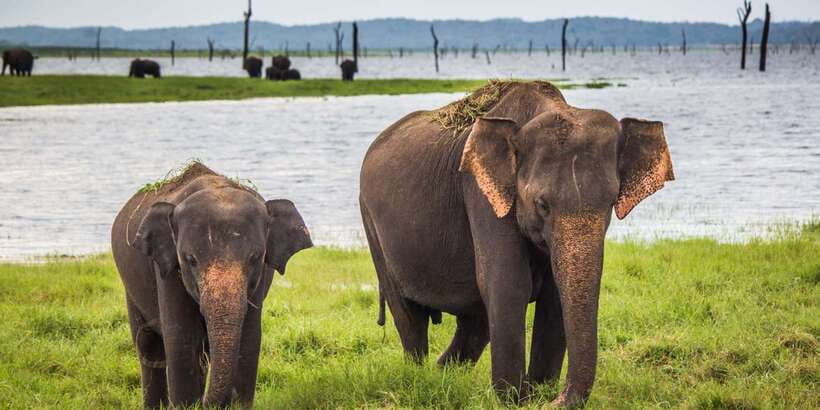
- Feeding-time elephant viewing: You’ll visit during feeding hours to see hundreds of baby elephants at the home.
- More than elephants: Expect crocodiles, deer types, buffalo, mongoose, snakes, and lots of birds.
- Guide-driven spotting: Guides like Pathum and Koshala are repeatedly praised for finding good positions and avoiding crowds.
- Simple, convenient pickup/drop: Free pickup/drop is offered around the Udawalawa area, with other areas as an extra charge.
Udawalawe in Four Hours: What This Safari Really Delivers
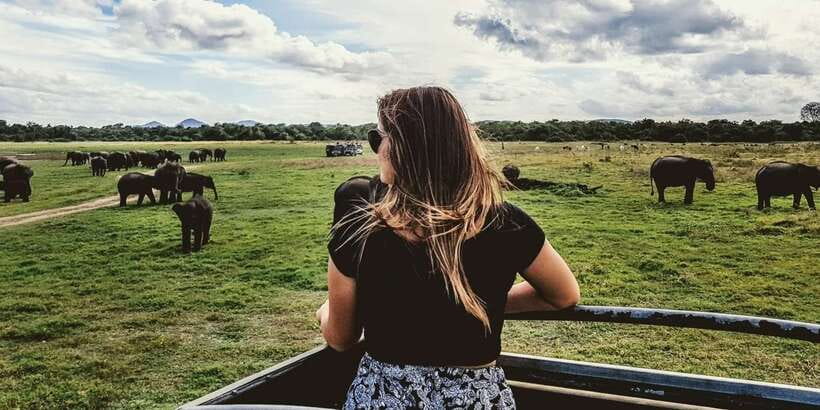
This is a half-day safari designed for impact. You’re in a 4×4 jeep to cover ground inside Udawalawe National Park, and the route is planned around wildlife sightings rather than long scenic drives.
The big theme here is balance: you get wild animals in their natural setting first, then you switch gears to the Elephant Transit Home for feeding-time observations. That mix makes the time feel complete, even though it’s only about 4 hours end-to-end.
And yes, elephants are the headline. But what makes this tour worth your attention is that it doesn’t stop at elephants. You’re also set up to spot other animals that share the park’s water-and-grass rhythms, including the reptiles and small mammals that bring Udawalawe to life.
You can also read our reviews of more tours and experiences in Udawalawa.
Park and Elephant Transit Home Fees You Must Budget For
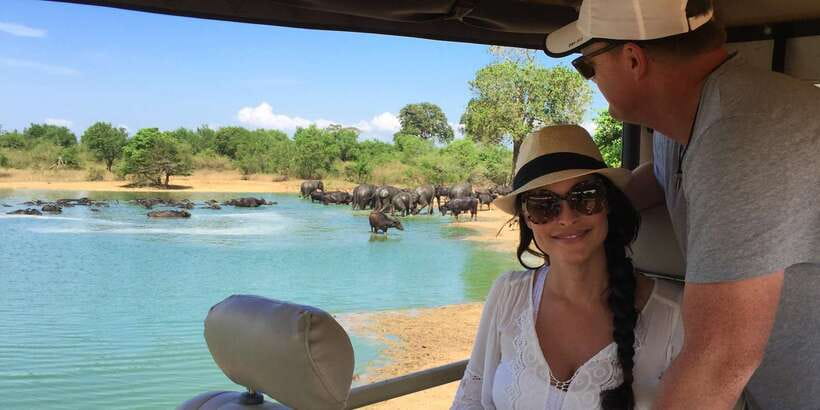
One thing to plan for up front: this package covers the safari and transport, but it does not include the entrance fees to Udawalawe National Park or the Elephant Transit Home.
That matters because the advertised price can feel deceptively low at first glance. You’re still getting real value—especially the jeep safari, driver/guide, and pickup/drop—but your final “all-in” cost will depend on those on-site entry fees (plus any tipping you decide to do for the guide).
A practical way to handle this: set aside extra cash for entry fees and keep some spending flexibility. If you’re traveling with someone and trying to do the math, this is where your budget will move the most.
Also note: food and drinks aren’t included. A short safari is not the place to run low on water or energy. If your hotel breakfast is early, you’ll likely be fine with just water—but bring a snack plan of some kind so you don’t get cranky after 2 hours in the sun.
The 4×4 Jeep Safari Inside Udawalawe National Park
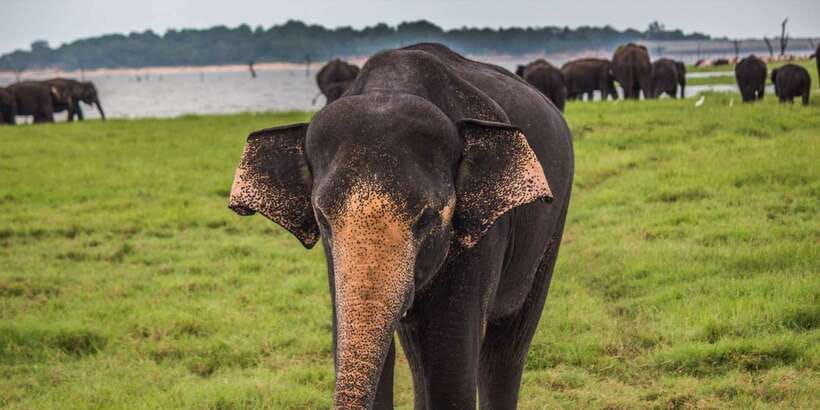
Your tour starts with transport via a safari jeep (maximum 7 passengers). That smaller group size is more than comfort—it helps your guide manage stops, keep you in position, and avoid turning every animal sighting into a traffic jam.
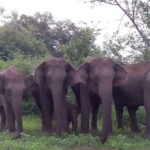
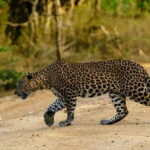
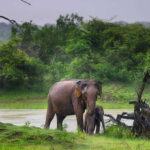
Once you enter the park, the goal is to connect you with what Udawalawe is known for: elephants plus a full supporting cast. Based on the details provided, you can expect a broad wildlife menu, including:
- wild buffalos
- spotted deer and barking deer
- wild boars and sambars
- hares and mongooses
- crocodiles
- around 30 species of snakes
- around 50 species of butterflies
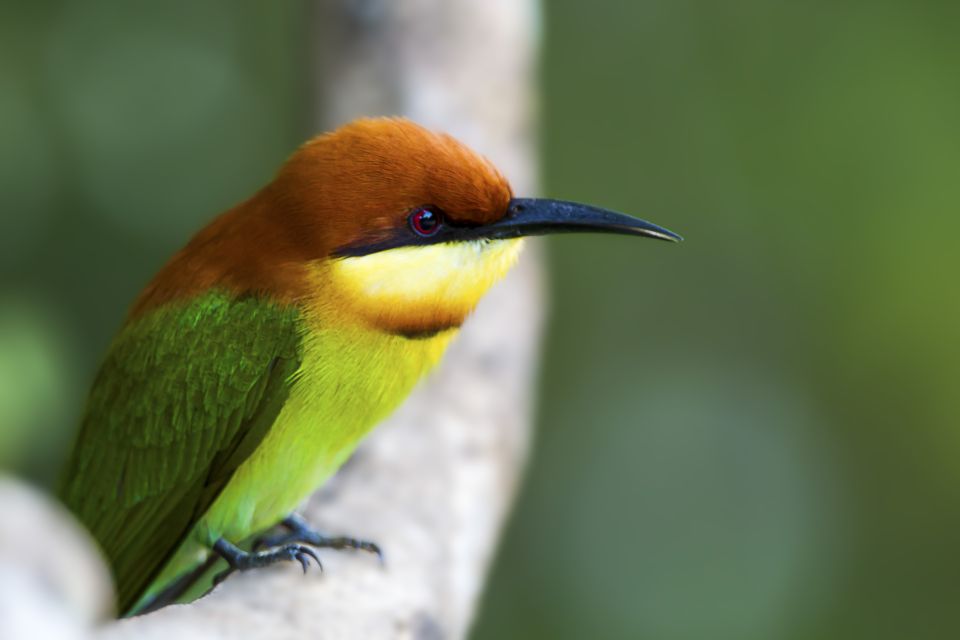
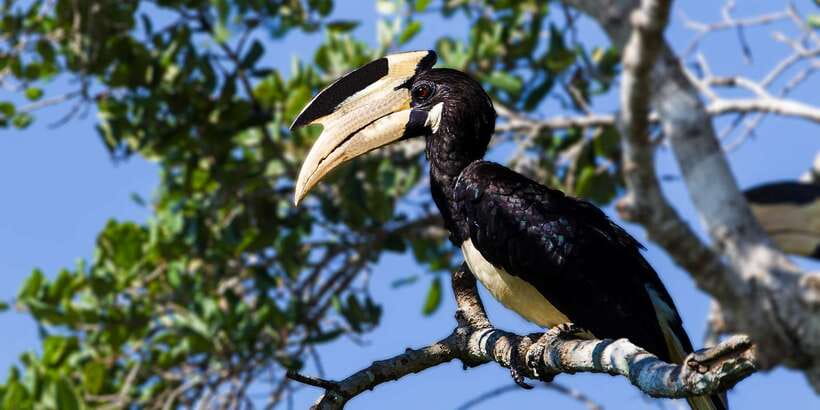
- multiple bird species
That list isn’t just marketing-speak. It’s a clue about why the park is so rewarding even when elephant sightings come in waves. Udawalawe gives you chances at different scales of wildlife—from big shapes by water to smaller movement along edges.
Timing and route choices (the crowd factor)
A repeated pattern from the best guides is simple: don’t stay stuck at the most obvious stop. Guides such as Pathum and Koshala have been praised for picking routes that are less crowded and for taking the time to let people watch quietly.
Here’s the practical takeaway: if you can choose an early start, do it. Early light often helps spotting, and you’re more likely to enjoy the park with fewer jeeps clustering in the same viewing point.
What you’ll do during the safari
Think of the safari as a series of wildlife “reads.” Your driver/guide looks for signs, then positions the jeep to give you a good view. The best moments are usually the ones that come from patience: when the animals are moving toward water, when birds change behavior, or when a crocodile shifts just enough for you to notice.
And if you’re there for photos: the guide’s stop strategy matters. Multiple guides mentioned above are praised for choosing better angles and for helping you get the shot without pushing too close.
Elephant Transit Home Feeding Time: Seeing Baby Elephants Responsibly
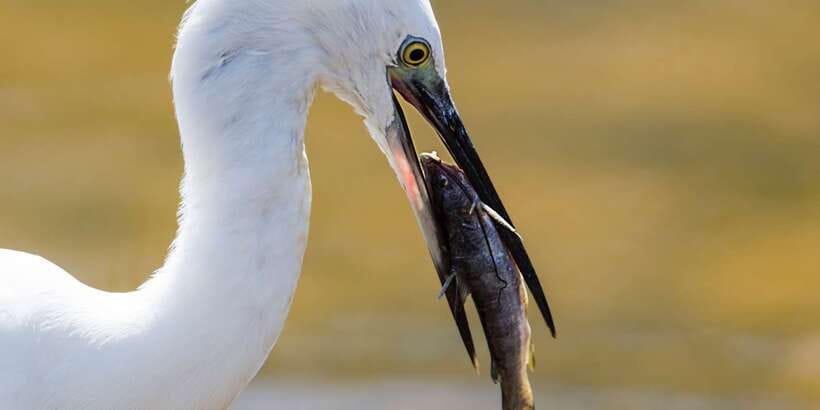
After the wildlife drive, you’ll go to the Elephant Transit Home during feeding hours. This is the moment most people remember because it changes the pace. Instead of searching and waiting for animals to appear in the distance, you’re focused on baby elephants and their feeding routine.
The key details you should know:
- you’ll take a closer look at hundreds of elephant babies
- you’ll go specifically during feeding hours
- the home supports elephant numbers through conservation and care connected to the park’s water resources
It’s also where your guide’s approach matters. The guides highlighted in the feedback are repeatedly described as respectful and careful—keeping distance and helping you observe without disrupting. That’s the ethical part of the experience, and it’s also the practical part: calmer animals let you actually enjoy the moment.
There’s also a bit of on-site convenience that can help when you’re mixing safari time with transit home time. One of the provided details mentions washroom facilities, shops, and artefacts to look at, which is useful when you’re there for a set feeding window.
A real-world expectation
Feeding-time schedules can be strict, and you don’t control wildlife timing. So your best move is to stay flexible in your arrival window and trust your driver to get you there in time.
If you’re the type who plans every minute, this is a good place to loosen the grip a notch. The value is in what you can see when the elephants actually feed.
Guides Like Pathum and Koshala: Why the Human Factor Matters
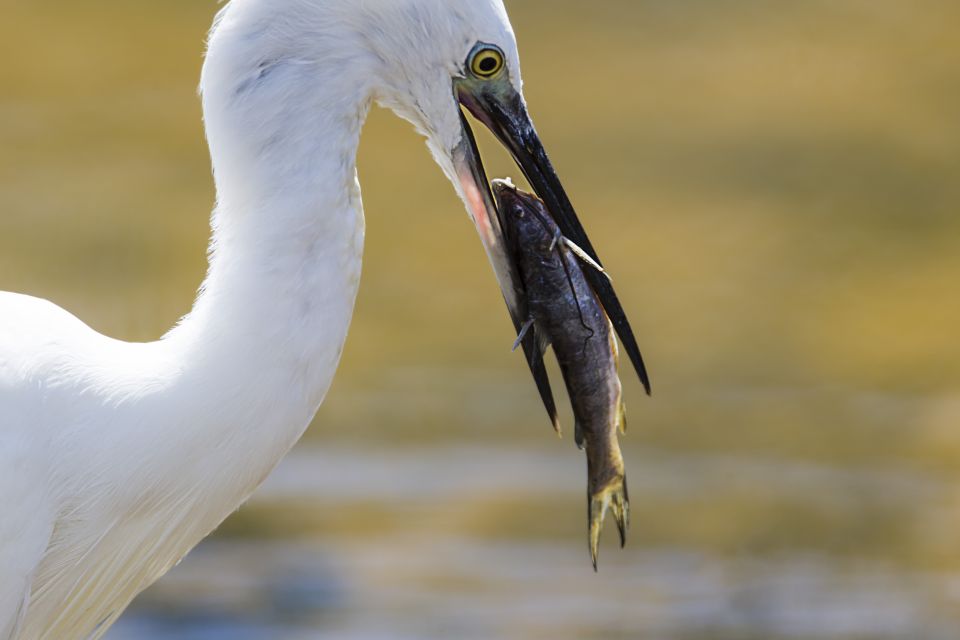
A safari lives or dies by the guide. You can have a good jeep, and you can have a famous park. But the person driving and explaining is what turns the day from sightings into understanding.
In the feedback data you provided, several guides get named for strong performance, especially Pathum and Koshala. You’ll also see Mahesh, Prasad, Pradeep, Pantaram/Pantayanan (spelling varies in the records), Damit, and others showing up across bookings.
What’s consistent across the praise is not just spotting animals. It’s how they spot:
- explaining what you’re seeing (birds to elephants)
- choosing less crowded viewing spots
- keeping a respectful distance
- taking time to let you observe quietly
There’s also a safety and comfort element. Multiple guide mentions include feeling safe in the jeep and being well taken care of throughout the drive. That matters because you’re bouncing on a safari road—comfort and pacing aren’t minor details when you’ve got half a day to work with.
Practical tip
When you meet your guide, ask one simple question: Where are the best chances right now, and what sign are you watching for? A good driver will answer with something specific—then you’ll see how the day unfolds.
Price and Logistics: Is $21 Good Value?
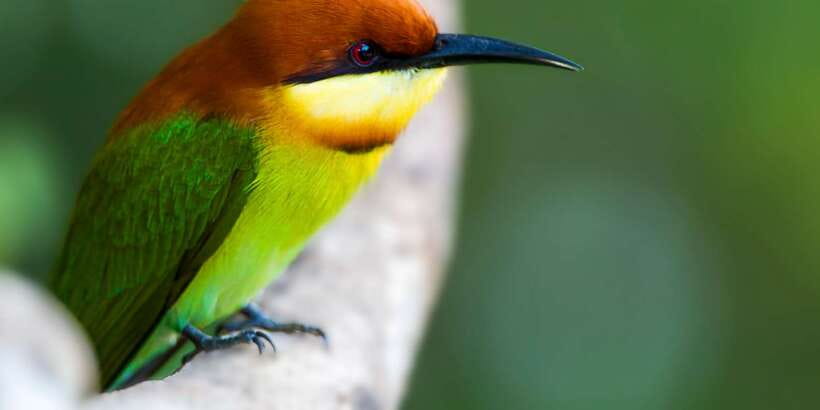
At $21 per person for a 4-hour half-day with a 4×4 jeep, guide, and pickup/drop, this starts out as a strong value proposition. The big reason is that you’re not paying only for a ride. You’re paying for transport into the park, a working guide, and the transit home visit during feeding time.
But remember the two non-included parts:
- Udawalawe National Park entrance fee
- Elephant Transit Home entrance fee
So the true cost is the safari price plus on-site fees. If you’re budget-minded, treat $21 as the transport-and-guide base, then budget a little more for entry and snacks/water.
Also watch for the pickup area detail. Pickup is free from the Udawalawa area, but pickup from other hotels comes with an additional charge. If you’re staying outside the free zone, check the pickup distance fee before you lock it in.
What you’re getting for your time
Four hours sounds short, and it is short. But Udawalawe can still deliver a full “wow” arc in that time because of how animals cluster around water sources. The park’s setup makes sightings more likely than in forests where everything happens deeper and slower.
For most people, the timing sweet spot is:
- wildlife drive while it’s active
- feeding-time elephant home visit
- back transfer so you still have the rest of your day
That last part is a travel win. You don’t need to build your whole itinerary around one activity.
Who This Tour Suits Best (And Who Might Want Something Else)
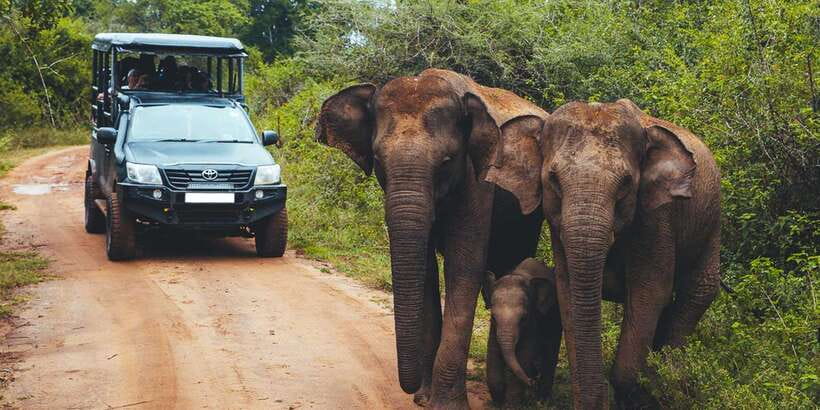
This tour is a great fit if you:
- want wild elephants plus a focused elephant conservation stop
- prefer a small jeep experience instead of giant groups
- care about animal viewing that stays respectful and low-pressure
- have limited time in Sri Lanka but want a high-impact wildlife day
It may be less ideal if you:
- want a long wildlife day with no schedule pressure
- expect food and drinks included
- hate paying separate entrance fees for national parks and dedicated facilities
In plain terms: if you want a well-run, half-day wildlife hit, this works. If you want a slow, all-day “wait for everything” approach, you may prefer a longer safari.
Should You Book? My Take
I’d book this tour if you’re aiming for Udawalawe in a smart, time-efficient way. The combo of a 4×4 safari and feeding-time elephant viewing gives you two kinds of elephant experiences in one morning/afternoon block, and the small-vehicle approach helps you enjoy the moments instead of fighting for space.
Just do the homework that matters: plan for entrance fees, bring water, and choose a time that lets you arrive when wildlife is active. If you do that, you’re set up for a day that feels like more than the sum of its parts.
FAQ
What’s the duration of this tour?
The tour lasts 4 hours.
Does the price include hotel pickup and drop-off?
Yes. Pickup and drop-off are free from the Udawalawa area, and you can also pick up at the Udawalawe National Park entrance. Pickup from hotels outside those areas may cost extra.
Are entrance fees to Udawalawe National Park included?
No. The Udawalawe National Park entrance fee is not included.
Are entrance fees to the Elephant Transit Home included?
No. The Elephant Transit Home entrance fee is not included.
What animals can you expect to see in Udawalawe National Park?
The tour information lists wild buffalos, spotted deer, barking deer, wild boars, sambars, hares, mongoose, crocodiles, snakes, butterflies, and birds.
How many passengers are in each jeep?
Each safari jeep has a maximum of 7 passengers.
Is there an English-speaking guide?
Yes. The tour has a live guide in English.