Cooking curry at a real Sri Lankan home. I love the traditional methods and the way the session turns into a real feast, including a seafood curry, and it’s all taught by Madhu in a home kitchen setting; the only drawback is you should expect spice-forward cooking and hands-on participation, not a sit-and-watch show.
This is a small-group class capped at 10 people, with pickup offered, so you can focus on learning instead of logistics. You’ll go step by step from shopping for ingredients (fruits, vegetables, and spices) to making several dishes, then eat lunch and dinner as part of the experience.
One more practical note: breakfast isn’t included, and the cooking time is about 3 hours 30 minutes, so plan around a normal meal schedule before you start.
In This Review
- Key Highlights You’ll Actually Feel
- A Home-Kitchen Class That Feels Personal in Galle
- Hotel Pickup and Market Time: Spices First, Then Pots
- The Traditional Curry Lesson: How You Learn the Sri Lankan Approach
- What You’ll Cook: Six Curries, Plus Rice and Sweets
- Lunch and Dinner Included: Eating Isn’t an Afterthought
- Hands-On Participation With a Small Group (Up to 10)
- Price and Value: Why $30 Can Be a Great Deal Here
- Who This Cooking Class Is Best For
- Practical Tips So You Get the Most Out of It
- Should You Book the Galle Unawatuna Cooking Class?
- FAQ
- How long is the Galle Unawatuna Cooking Class?
- Is pickup included?
- What meals are included?
- How many people are in the group?
- Are service animals allowed?
- What is the cancellation refund window?
Key Highlights You’ll Actually Feel
- Hotel pickup plus market stop so you see ingredients before the first pot starts simmering
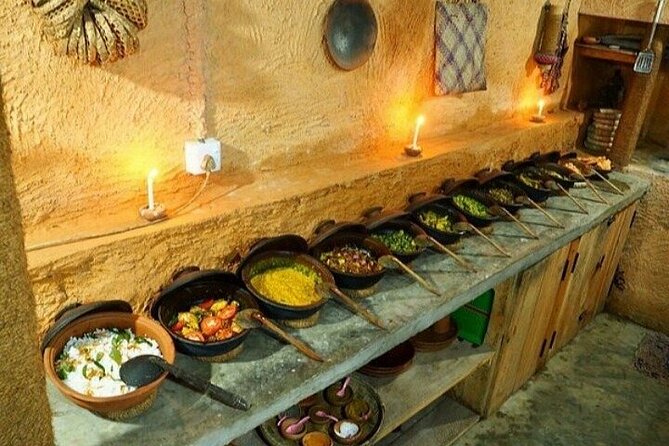
- Traditional Sri Lankan home kitchen setting taught by Madhu, with family members often around
- A full set of curries (vegetable, fish, meat) plus sweets and at least one seafood dish
- Hands-on cooking, not just demonstrations, and you’ll eat what you make
- Small group of up to 10 for better attention and a calmer pace
A Home-Kitchen Class That Feels Personal in Galle
If you’re learning Sri Lankan food in a touristy studio kitchen, you miss half the point. Here, the lesson is run out of a private home in the Galle area, and that changes the vibe fast. I like that you’re treated like a visitor who gets pulled into a real routine, not like an audience waiting for the next demo.
The class is also consistently organized. You go from preparation to cooking to eating with a clear flow, and that matters because curry-making is timing-sensitive. When the structure is good, you get to taste as you learn and you don’t end up standing around while others do the hard work.
And yes, the food is a big deal. Multiple people highlight that it ends up being the best meal experience they had in Sri Lanka, with food that’s generous and genuinely delicious. That’s not just a nice bonus—it’s the difference between a cooking class and a cooking lesson you’d actually recommend to a friend.
You can also read our reviews of more tours and experiences in Galle.


Hotel Pickup and Market Time: Spices First, Then Pots
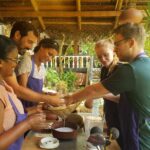
Most people doing a Galle Unawatuna cooking class want two things: convenience and authenticity. This one handles convenience with pickup offered, and it builds authenticity by taking you to a market area where you can see the produce and spices used in the dishes.
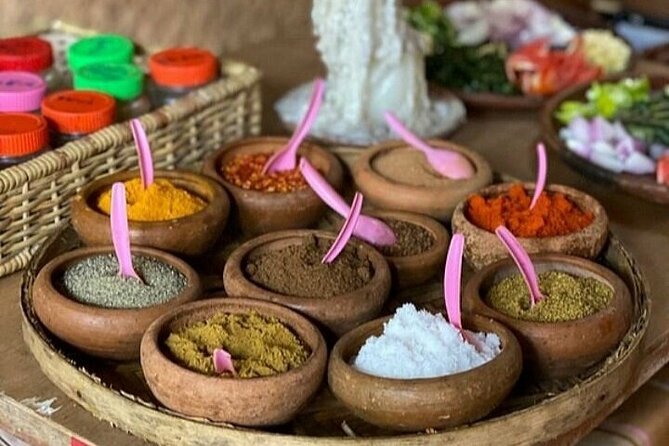
From the way the experience is described, you’ll be introduced to different fruits, vegetables, and spices before cooking. For me, that’s where the learning becomes sticky. Curry isn’t one secret ingredient you can’t pronounce—it’s a set of choices about fresh items, dried spices, and how they’re combined. Seeing those items up close helps you understand what to buy later if you try to recreate the flavors at home.
A quick consideration: a market visit means you may cover a bit of walking and standing. If you’re short on energy, bring comfortable shoes and don’t plan to do another major tour right before or right after. Also, since the cooking uses spices and sweet components, if you have strong sensitivities, you’ll want to communicate that early during the session.
The Traditional Curry Lesson: How You Learn the Sri Lankan Approach
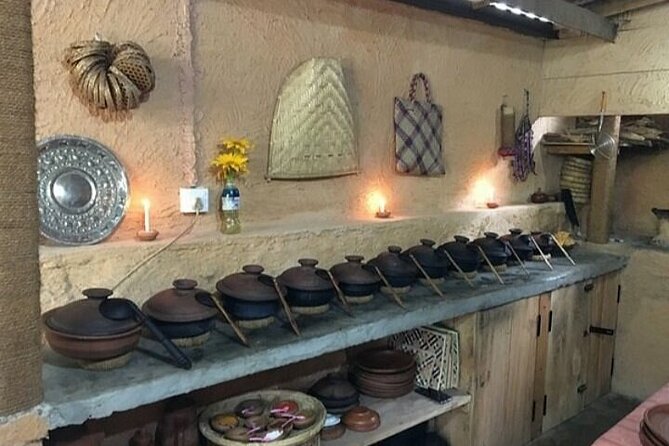
The class focuses on Sri Lankan healthy curries using a traditional, old-school approach. That phrase matters. It suggests you’re not just learning how to make food that tastes good right now—you’re learning the basic logic of the cuisine: balance, layering flavors, and how curries pair with rice and side dishes.
You’ll work with a local chef teaching you how to prepare multiple dishes—curries with vegetables, and also curries that include fish and meat. The outline also references spicy sweets and other popular Sri Lankan food types. In other words, you’re not locked into one flavor category for three hours.
One standout detail: Madhu is repeatedly described as friendly, helpful, and very knowledgeable. When the teacher’s clear and calm, you understand what you’re doing and why, which is what you want if your goal is to bring home skills, not just recipes.
Also, be ready for the fact that spice is part of the curriculum. A curry class that avoids heat would feel incomplete, so if you typically choose mild flavors, tell the chef. You can still learn the method; you just might need a gentler adjustment to match your palate.
What You’ll Cook: Six Curries, Plus Rice and Sweets
The core promise is making traditional Sri Lankan dishes—six different curries, including one seafood dish. Along the way, you’ll also learn items that commonly show up in the Sri Lankan table, like rice and vegetable curry. And the class includes spicy sweets, which helps you understand how Sri Lankan cuisine doesn’t treat dessert as an afterthought.
Here’s a practical way to think about the menu without getting lost:
- Rice: the backbone that makes curries feel complete
- Vegetable curry: a foundation for learning spice balance
- Fish and meat curries: how flavor strategy changes with different proteins
- Seafood dish: a special focus so you don’t just learn one curry pattern
- Spicy sweets: a different side of Sri Lankan flavors that often surprises newcomers
One detail that’s worth mentioning because it shows how much you get: some sessions end up including a much larger spread than the headline number. At least one person shared that they ended up making 13 dishes. That doesn’t mean every class runs exactly that way, but it does signal that you’re likely to leave with a serious amount of food knowledge and taste-testing.
Lunch and Dinner Included: Eating Isn’t an Afterthought
Most cooking classes say you’ll eat, but then you get a small plate and a quick goodbye. Here, lunch and dinner are explicitly included. That’s a strong value signal because you’re not paying just for the lesson—you’re paying for the meal payoff.
From what’s described, you’ll move from cooking into eating in a way that feels connected to what you made. That makes it easier to remember what worked. Taste one curry, then learn its components. Taste again, then adjust your expectations. It’s hard to replicate that at home after the fact, so I think the meal structure is one of the big reasons people rate the class so highly.
You should also plan your appetite. A 3-hour 30-minute class with two meals can be filling. Bring an appetite and keep your day light before the class so lunch and dinner actually feel like enjoyment, not survival.






Hands-On Participation With a Small Group (Up to 10)
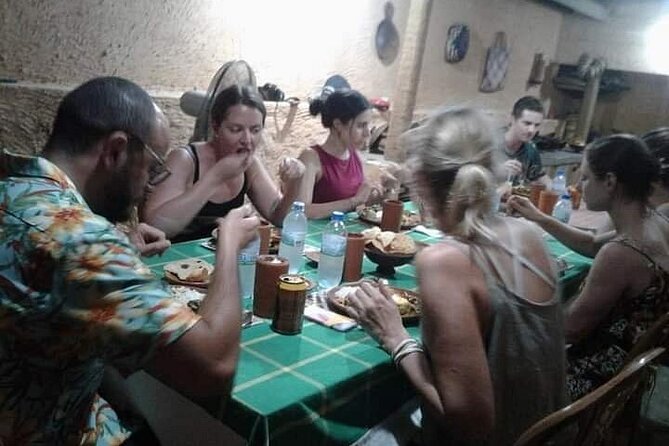
This class caps at 10 travelers, which is more important than it sounds. In a large group, you might spend most of the time watching other people cook while you wait for your turn. With a smaller cap, you’re more likely to actively participate—especially since the structure moves from preparation to cooking to eating.
The best part of hands-on classes is not that you get to say you cooked. It’s that you learn through action. Curry-making has small decisions—how ingredients behave, how combinations smell when they’re right, how things change as they cook. When you’re actually in the process, you understand those signals.
The pacing also matters: 3 hours 30 minutes is long enough to learn several dishes, but not so long that it becomes a grind. If you prefer structured experiences where you always know what happens next, this time window usually works well.
A possible consideration: because it’s hands-on and spice-forward, you don’t want to book it if you’re feeling sick, exhausted, or very heat-sensitive. You’ll do best if you can stand comfortably for stretches while you cook and taste.
Price and Value: Why $30 Can Be a Great Deal Here
At about $30 for roughly 3.5 hours, this class is priced like a budget-friendly activity—but it includes lunch and dinner, and it’s not a generic show. You’re paying for a structured cooking lesson, a small-group setting, ingredients discussed and handled through the session, and two meals.
In practical value terms, the “deal” comes from three places:
- Two included meals (not just one)
- Small group size, which usually means better teaching time
- Traditional, home-style instruction from Madhu
And because you’re in Galle/Unawatuna already, you’re also saving time and money compared to arranging separate market or food tours. Even if you don’t cook much at home, you’ll leave with a clearer sense of how Sri Lankan flavors are built.
One small planning detail: breakfast isn’t included, so don’t assume you can show up after a late morning sleep-in. If you eat earlier, you’ll enjoy the class more and you won’t feel rushed.
Who This Cooking Class Is Best For
I think this is ideal for you if:
- You want a real Sri Lankan cuisine experience in the Galle area, not just a standard “curry demo”
- You like learning from a local chef who actually explains what you’re doing
- You want a meal that feels like a full part of your trip, since lunch and dinner are included
- You enjoy curries across a range of flavors, from vegetable to fish and meat, plus sweets
It may be less ideal if:
- You only want mild flavors and don’t want to deal with spicy cooking
- You prefer a purely observational experience (this one is meant for participation)
- You’re traveling with very limited time and can’t fit 3.5 hours plus eating into your schedule
If you’re a first-time visitor to Sri Lanka, this class is a smart way to get your bearings fast with the foods you’ll see around Galle and beyond.
Practical Tips So You Get the Most Out of It
A few simple choices can make this class more comfortable and more useful:
- Wear comfortable clothes and plan for kitchen heat and spice aromas.
- Bring a reusable water bottle if you tend to get thirsty, even though meals are included.
- If you have dietary restrictions or allergies, raise them before the cooking starts. Don’t wait until you’re already deep into spice.
- Expect to taste as you learn. That’s part of how you’ll understand the dishes later.
Also, because it runs near public transportation and pickup is offered, you’ll have flexibility in how you get there. If you want the easiest start, choose pickup. If you prefer to arrive on your own, use the fact that it’s close to public transit.
Should You Book the Galle Unawatuna Cooking Class?
Yes, if you want an authentic, organized, home-kitchen-style lesson that ends with real meals. I’d book it if you’re excited by curry culture and want to understand more than just one dish. The combination of traditional instruction, a small group of 10, and lunch plus dinner included makes it feel like more than a single activity—it’s a real slice of Sri Lankan food life.
I would hold off if you’re very spice-sensitive or you’d rather watch than participate. In that case, ask yourself whether you’re comfortable with a hands-on session where the flavors are central to the learning.
If you’re ready to learn from Madhu and eat extremely well in Galle, this is a strong pick.
FAQ
How long is the Galle Unawatuna Cooking Class?
The class lasts about 3 hours 30 minutes.
Is pickup included?
Yes, pickup is offered.
What meals are included?
Lunch and dinner are included. Breakfast is not included.
How many people are in the group?
The experience has a maximum of 10 travelers.
Are service animals allowed?
Yes, service animals are allowed.
What is the cancellation refund window?
You can cancel up to 24 hours in advance of the experience for a full refund. If you cancel less than 24 hours before the start time, the amount paid is not refunded.