Weligama surf lessons move fast. At Ride a Wave Surf School in Weligama (near Galle), the hook is more than standing up on a board: you’re guided with a mindful, nature-first approach, plus personal coaching and a real surf community atmosphere.
What I like most is how Shan (yes, you’ll hear that name a lot) gives clear, hands-on corrections, and how the lesson work builds the basics that actually control your session—paddling timing and wave selection. One drawback to consider: if you rent a board in addition to lessons, be extra careful about condition and check it thoroughly before you’re charged for anything.
In This Review
- Key Things That Make Ride a Wave in Weligama Worth Your Time
- Where Ride a Wave Starts in Weligama (and How Timing Really Helps)
- The 90-Minute Lesson Flow: From Waxing to Wave Choice
- Coaching With Shan: Corrections That Actually Make Sense
- A Mindfulness-First Ocean Lesson (Not Just Technique)
- Surf Safety and Skills: What You’re Really Learning
- Value Check: What $20 Gets You in Weligama
- Weather Rules and What to Do When the Ocean Won’t Cooperate
- Who Ride a Wave Surf School Is Best For (and Who Might Want Options)
- Should You Book Ride a Wave in Weligama?
- FAQ
- FAQ
- How long is the Ride a Wave surf school activity?
- What is the price for the surf lesson?
- Where does the activity start and end?
- Is there a mobile ticket?
- What are the opening hours in Weligama?
- Is this experience suitable for beginners?
- What is the maximum group size?
- Are service animals allowed?
- What if weather is poor or I need to cancel?
Key Things That Make Ride a Wave in Weligama Worth Your Time
- Shan’s instruction style focuses on correcting the exact mistake you’re making, not vague advice
- 90 minutes of real water time, built around core surf steps like prep, paddling, and picking waves
- Mindfulness + wellness framing helps you stay calm and learn faster when the ocean gets chaotic
- Clear value at $20 for a beginner-friendly session, especially if you’re trying surfing for the first time
- A practical warning for board rentals: inspect and document equipment condition before use
Where Ride a Wave Starts in Weligama (and How Timing Really Helps)
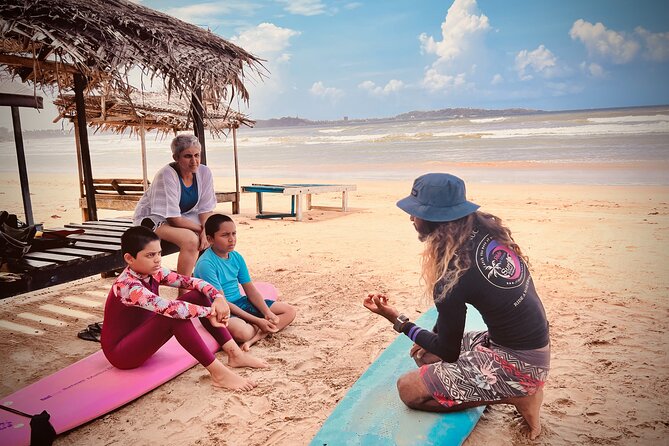
Ride a Wave Surf School runs out of Weligama, Sri Lanka, and your activity starts there and ends back at the same meeting point. Sessions are available daily from 6:30 AM to 6:00 PM, which matters because in surf, timing is everything. Early hours often mean more workable conditions and less heat stress as you learn.
You’ll also be given a mobile ticket, so you’re not scrambling for paper. And you don’t have to worry about waiting around for confirmation either—confirmation is provided at booking time.
One more detail that’s easy to overlook: the school notes a maximum of 50 travelers for the activity. That doesn’t automatically tell you how many people you’ll be in your immediate group, but it does suggest you’re not likely to feel like you’re learning in a packed zoo.
You can also read our reviews of more tours and experiences in Galle.



The 90-Minute Lesson Flow: From Waxing to Wave Choice
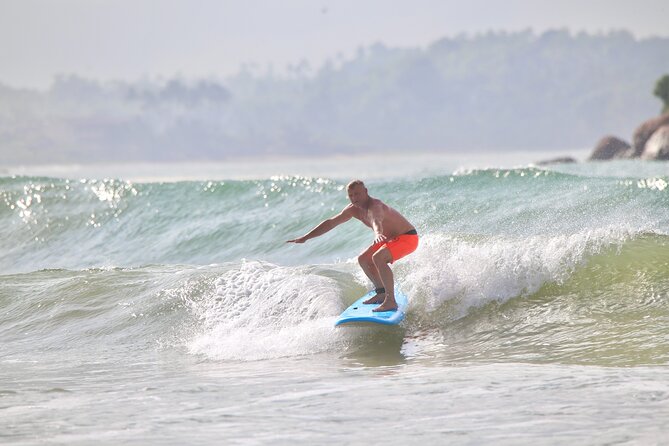
The session runs about 1 hour 30 minutes, and that time is typically spent on the stuff that determines whether you feel progress in your first lesson—or just feel wet and confused. You can think of it as a progression:
First comes prep. Surf lessons usually start with board handling basics: choosing an appropriate board for your level and the wave conditions, waxing the deck, and getting set up with safety gear like a leash and rash guard. Even if you’ve never surfed, you’ll be guided through the basics of what you’re doing and why.
Next is paddling—the hard part to do right when your body still thinks it’s supposed to stand up. You’ll practice moving through the water and positioning yourself where waves are breakable, meaning where the timing makes sense. Paddling isn’t just effort; it’s positioning plus stamina.
Then comes wave selection. This is where beginners often feel like they’re guessing. A good lesson teaches you to scan the line-up for waves that match your skill level and direction, using factors like wave shape and power. You’re not chasing every wave—you’re learning which ones give you a chance.
Finally, you wrap back at the meeting point. That simple start-and-end structure keeps the lesson clean and makes the whole thing low-stress when you’re new to surfing.
Coaching With Shan: Corrections That Actually Make Sense
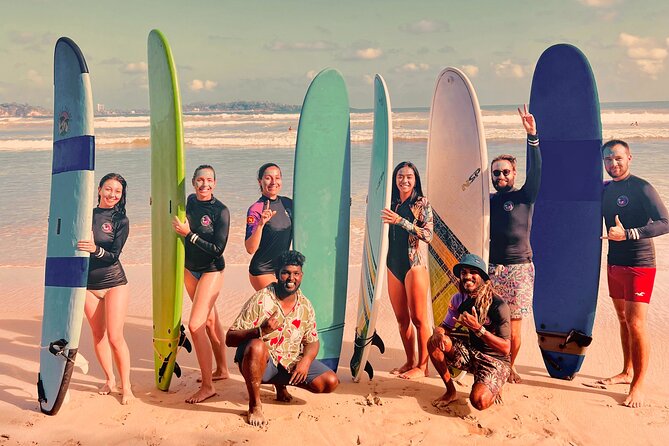
If you’re looking for a surf school that feels personal instead of cookie-cutter, Ride a Wave has a strong track record—especially thanks to Shan. People consistently highlight that Shan takes time to address each mistake individually. That’s the difference between learning slowly by trial and error versus getting coached toward the fix.
In one example, the feedback points to progress from basic surfing toward harder boards and more precise work like turns over multiple lessons. That kind of step-by-step improvement is what you want if you’re serious about leveling up, even if your first day is humble.
There’s also a vibe element. The instruction is described as patient and supportive, with a fun, chill atmosphere. Surf can be intimidating when you’re falling and laughing at the same time. A coach who keeps it light but focused helps you stay in the learning zone instead of getting frustrated and quitting mentally halfway through.
One extra practical bonus: you can contact them via WhatsApp to help schedule sessions. That’s useful when your travel days are messy and you want to lock in time without playing phone-tag.
A Mindfulness-First Ocean Lesson (Not Just Technique)
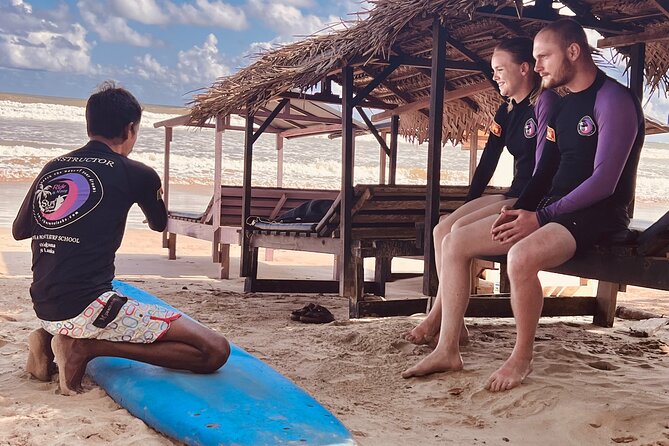
Ride a Wave doesn’t sell surfing as pure adrenaline. The school frames the experience around nature, mindfulness and wellness, and a connection to the ocean beyond standing up. Even if the lesson is still very physical, this mindset can change your results.
Here’s why that matters for you: when you’re new, the biggest enemy isn’t only strength or balance—it’s panic. If you can slow your breathing, listen to coaching cues, and stay patient while you wait for the right waves, you’ll catch more waves and improve faster.
This is where the “mindfulness” angle becomes practical. It gives you permission to learn at a human pace. Instead of forcing yourself to muscle through every attempt, you learn to read the water, reset mentally, and try again.
And because surf is social by nature, that wellness frame often pairs with a friendly, community vibe. You may not realize it until later, but the less tense you are, the better your technique tends to get.
Surf Safety and Skills: What You’re Really Learning
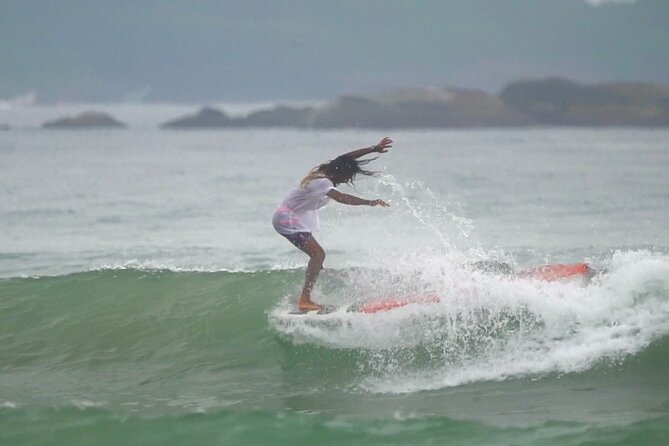
The ocean doesn’t care about your confidence. That’s why a proper lesson focuses on safety and fundamentals early. Ride a Wave’s approach includes the standard essentials: using a leash, a rash guard, and making sure you’re properly set before getting in.
You’ll also be trained in the core mechanics that help you survive and progress:
- Waxing and board readiness: grip matters, and it’s not optional
- Positioning and paddling: getting past break and into the right zone
- Timing and wave choice: selecting waves with the right power and direction
- Understanding the water: reading how waves behave instead of guessing
Even if you feel clumsy at first, that skill ladder matters. Surf isn’t one trick. It’s a chain. If one link is broken—like paddling you can’t control—you’ll struggle no matter how good your balance feels on land.






Value Check: What $20 Gets You in Weligama
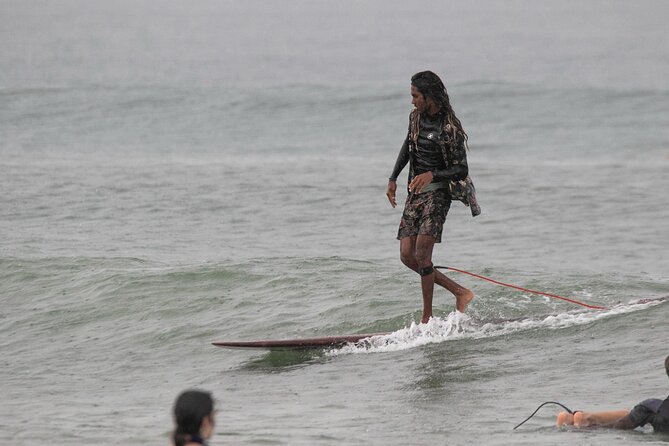
The price is listed at $20, and the session length is about 1 hour 30 minutes. For a beginner surf lesson, that’s the kind of pricing that makes it easier to take the first step without going all-in.
The best way to think about value here is simple: you’re paying for instruction that helps you avoid the most common beginner traps—wrong board choice, poor wave timing, and wasted attempts where nothing clicks. When a coach helps you correct one mistake at a time, your learning curve gets smoother.
There’s also positive feedback around board rentals and pricing. People describe good deals on longboards, with prices reported as cheaper than other options while still offering boards they feel good about using.
One caution: at least one comment calls out issues with board condition on rentals, describing pre-damaged boards and aggressive blame for damage later. If you choose to rent a board, protect yourself. Inspect the board carefully before you leave it with the staff, and take a quick photo of the current condition if you can. Keep your receipt and be calm, not confrontational. If something feels off, stop and clarify right away.
That isn’t meant to scare you off—just to help you stay in control.
Weather Rules and What to Do When the Ocean Won’t Cooperate
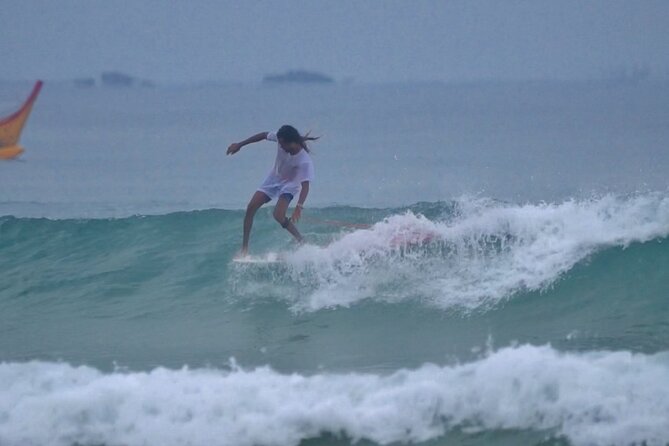
This experience requires good weather, plain and simple. If it’s canceled due to poor weather, you’ll be offered either a different date or a full refund. That’s important because surf lessons are one of those activities where “clear skies later” doesn’t always mean your waves will be workable.
Your best move is to book with realistic flexibility. If your schedule is tight, consider reserving a session early in your Weligama window so you can adjust if conditions shift.
Also, since the session runs within a daily window (6:30 AM to 6:00 PM), you may have multiple opportunities to try again depending on tides and conditions. The point is: don’t treat the lesson as a one-shot miracle. Treat it as your planned meeting with the right waves.
Who Ride a Wave Surf School Is Best For (and Who Might Want Options)

Ride a Wave is described as suitable for most travelers, which makes it a strong pick for first-time surfers, people returning after time away, and anyone who wants structured basics without feeling judged for being clumsy.
You’ll probably enjoy it most if you want:
- Patient, hands-on coaching instead of vague tips
- A surf session with a chill atmosphere
- A school that emphasizes a mindful connection to the ocean
If you’re already advanced and looking for highly specific maneuvers only, you might still learn from better wave selection and technique coaching, but you may want to ask what board and skill level focus they plan for your session. The feedback does include growth toward hard boards and precise turns, so progression is possible with repeated lessons.
For people who need accessibility accommodations around safety and guidance, it’s also noted that service animals are allowed. That can matter if you travel with a working companion.
Should You Book Ride a Wave in Weligama?
Yes, if you want a beginner-friendly lesson that feels supportive, with coaching you can actually use. The standout here is Shan’s hands-on corrections and the way the session builds the fundamentals—paddling, positioning, and wave selection—so you don’t just flail in the surf.
Book with a little caution if you plan to rent boards. Inspect equipment condition, document what you can, and confirm expectations before you start. Do that, and the value at $20 for about 90 minutes can be a solid deal.
In short: this is a good place to learn surfing in Weligama with a calm, human vibe, not a production line.
FAQ
FAQ
How long is the Ride a Wave surf school activity?
It’s listed as approximately 1 hour 30 minutes.
What is the price for the surf lesson?
The price is $20.
Where does the activity start and end?
It starts in Weligama, Sri Lanka and ends back at the meeting point.
Is there a mobile ticket?
Yes, the activity uses a mobile ticket.
What are the opening hours in Weligama?
It runs Monday through Sunday from 6:30 AM to 6:00 PM.
Is this experience suitable for beginners?
Most travelers can participate, which makes it a good fit for people starting out.
What is the maximum group size?
The activity has a maximum of 50 travelers.
Are service animals allowed?
Yes, service animals are allowed.
What if weather is poor or I need to cancel?
The experience requires good weather. If it’s canceled due to poor weather, you’ll be offered a different date or a full refund. It also has free cancellation up to 24 hours in advance for a full refund.