Markets first, then curry school.
This Sea Waves Sri Lankan cooking class turns your day in Galle into a hands-on food mission: you pick ingredients at the market, then cook in an open kitchen with jungle views where you may spot monkeys and birds. I like the market-to-meal flow because it makes the spices feel tied to what you actually chose, not a pre-set menu.
I especially like the teaching style. The chef (more than 30 years of cooking experience) speaks fluent English, guides you through the steps, and sets you up with all the ingredients and tools you need so you can cook without guessing. You finish by dining on the food you made, which is a simple way to understand how everything comes together.
One thing to consider: it’s advertised as private for your party, but group size can be fluid in practice. If you’re counting on a strict one-on-one or truly no extra participants, ask ahead how they handle class size on the day you book.
In This Review
- Key highlights to look for
- Markets First: Turning Picking Ingredients into Flavor
- Meeting at Sea Waves and Cooking with Jungle Views
- Your Chef Instruction: English Help and a Family-Restaurant Pace
- What You’ll Cook: Five Vegetables Plus Fish or Chicken
- Hands-On Curry Skills: Spices, Coconut Milk, and Timing
- Lunch at the End: Eating Your Work in a Real Family Setting
- Price and Value: Is $59 a Fair Deal for 3 Hours?
- Logistics That Matter: Getting There, Session Timing, and Weather
- Who Should Book This Class (and Who Might Skip It)
- Should You Book Sea Waves Sri Lankan Cooking Class?
- FAQ
- How long is the Sea Waves cooking class?
- Where does the class start?
- What’s included in the cooking class?
- Is the class private?
- What time does the class begin?
- Does the class run in all weather?
Key highlights to look for
- Fish and vegetable market start: you choose what to cook before the stove time begins
- Jungle-view open kitchen: you cook while watching the outside world, including monkeys and birds
- Chef with 30+ years’ experience: English guidance throughout, plus tools and ingredients provided
- A classic target menu: five vegetables plus fish or chicken, based on your preference
- You eat what you cook: lunch is the payoff, not a separate plan
- Excellent value signals: 99% recommended and a 5-star rating from 467 reviews
Markets First: Turning Picking Ingredients into Flavor
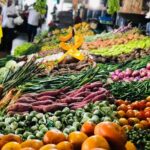
If you want the shortest path to real Sri Lankan flavor, start with the ingredients. This class begins with a trip to the fish and vegetable markets, and the whole point is that you get to choose what goes into your curries. You’ll be able to decide what you want to cook and then build the meal from there, rather than watching someone else shop and cook their choices.
The fish market leg is especially memorable because it’s tied to the coast. One of the most helpful parts is learning what to look for at the stalls, so you don’t just buy ingredients blindly. Then you head to the vegetable market to pick from the local produce used for typical Sri Lankan dishes.
This also controls the experience. If you prefer fish, you’ll work toward a menu with seafood; if you prefer chicken, your dishes will shift in that direction. Either way, you get a clear framework: your cooking session focuses on a set of vegetables, plus your chosen protein.
Practical tip: if you’re unsure what you want, go with what looks fresh and what you’re willing to taste. The class will teach you how the spices and cooking methods fit together, so your choices don’t need to be perfect to be delicious.
You can also read our reviews of more tours and experiences in Galle.



Meeting at Sea Waves and Cooking with Jungle Views
The class starts at Sea Waves Restaurant & Cooking Classes, on Dunwella Road, Yaddehimulla, Unawatuna (80600). The start time is 10:00 am, and the activity runs about 3 hours. You’ll also get a mobile ticket, so you won’t be hunting for paper documents on arrival.
Before you ever turn on a stove, you’re placed in a working family-restaurant setting. The cooking happens in an open kitchen, and the surrounding view matters here. You may see monkeys and birds while you cook, which adds a very Sri Lankan layer to the day: food prep happening in the real outdoor world, not behind a sealed door.
That setting has a benefit and a consideration. The benefit is atmosphere and comfort—fresh air, natural light, and a sense that this is how meals actually get prepared. The consideration is simple: you’re outdoors, so you’ll want to dress for warm weather and be ready for changing conditions.
Your Chef Instruction: English Help and a Family-Restaurant Pace
This class is led by a chef with more than 30 years of cooking experience, and the instruction is in fluent English. That matters more than it sounds. Sri Lankan cooking can involve layers—spice blending, handling coconut milk, balancing heat and sour, and timing vegetables correctly. With clear English guidance, you can follow the method without needing to already know every ingredient name.
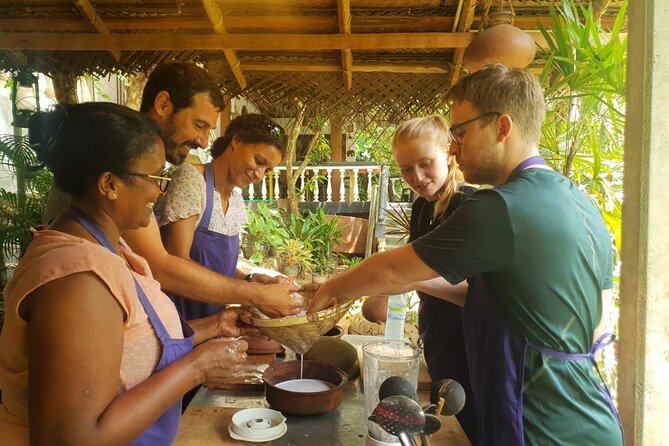
You also aren’t sent to a corner with a recipe card. The class is structured so you can cook along with the chef while everything stays practical: ingredients are provided, tools are provided, and you’re guided through each step. Since this is a small family-run restaurant business, the pace feels like real meal prep rather than a performance.
You’ll likely work inside a team-style environment—standing where you can see, asking questions while you chop or stir, and learning why one step happens before another. And because the chef is teaching from experience, you tend to get “why this works” explanations, not just “do this” instructions.
One more factor I’d call out: you’re not just learning recipes, you’re learning technique. That’s what makes cooking classes worth the money when you’re back home and trying to recreate the same results.
What You’ll Cook: Five Vegetables Plus Fish or Chicken
A big reason this class works well for visitors is that it has a clear structure. The market visit determines your choices, but the cooking target is consistent: you’ll make a dish featuring five vegetables plus fish or chicken, depending on what you prefer.
This setup is smart for beginners. Instead of one complicated dish, you get a curry-focused meal that teaches how Sri Lankan spices function across multiple ingredients. Vegetables absorb spice in different ways, and the cooking order affects texture and flavor. You’ll feel that difference as you go, especially if you’re chopping and adding items as the chef directs.
Based on what’s been shared by past students, you may end up with curries such as dhal (lentil-based curry) and tuna curry, and you’ll learn core elements like making coconut milk for use in Sri Lankan cooking. Even if your exact menu shifts based on market availability, the cooking themes stay consistent: spice, coconut, and curry rhythm.
Practical tip: be open to the local vegetables you’re unfamiliar with. The class is set up to teach you how they’re treated, so your experience won’t depend on knowing every ingredient in advance.
Hands-On Curry Skills: Spices, Coconut Milk, and Timing
Here’s what you should expect from the cooking portion: you’ll be doing the work, not just watching it. You’ll be guided through the process while you blend spices and handle ingredients, and you’ll get direct help on technique as you cook.
A few cooking skills tend to be the real takeaways:
- How to blend and manage spices so you don’t end up with one-note heat
- How coconut milk changes the texture and rounds out curry flavors
- How vegetable timing affects crunch versus softness in the final dish
When a class includes a market visit, this part lands harder. You can look back at the ingredient choices you made and connect them to what happens in the pot. That’s the best kind of learning because it’s not abstract.
Also, the open-kitchen setup makes it easier to ask quick questions. If something is unclear—like how long to cook a step or when to add an ingredient—you can get guidance right away, while your food is still in progress.
If you want to get more out of the class, ask the chef what to watch for rather than only what to do. For example, pay attention to aroma changes and how the curry thickens. Those cues help you repeat the results later, even if you don’t have the exact same ingredients back home.





Lunch at the End: Eating Your Work in a Real Family Setting
You don’t leave with a packaged meal or a quick tasting bite. You sit down and dine on what you made at the end of class. That’s one of the simplest ways to understand Sri Lankan cooking, because you can taste the balance you’ve been building—spice, richness, and the way coconut or protein softens the edges.
This is also where the family-restaurant atmosphere shows. People often mention the mood and friendliness of the kitchen, and that matters because it makes the class feel more relaxed. When the meal tastes good (and it does here, based on the strong overall ratings), you get that immediate reward that makes the whole day feel worthwhile.
Practical tip: pace yourself. Curry can be richer than you expect, especially when coconut milk is involved. If you want to taste and learn, take small bites first, then go back for seconds once you know what’s happening on your palate.
Price and Value: Is $59 a Fair Deal for 3 Hours?
At $59 for about 3 hours, the value is strongest because the class includes real components you’d otherwise pay for separately: market time, ingredient selection, instruction in English, tools and ingredients provided, and a sit-down meal at the end.
This isn’t just a cooking demo. You’re buying time with a chef who has spent decades cooking, and you’re getting hands-on practice. You’re also getting a structure that includes the fish and vegetable markets, which most visitors would find time-consuming on their own.
You also benefit from the small scale. The experience is set up as a private tour/activity for your group, and it’s rated extremely well (5 stars on 467 reviews, with 99% recommendation). That doesn’t automatically guarantee perfection, but it does suggest consistent quality—especially for a category like cooking classes where the experience can vary by instructor and day.
If you’re a food lover who likes learning how to cook rather than just eating, this price is easier to justify. If you want purely passive sightseeing and zero kitchen work, you may find the format too active.
Logistics That Matter: Getting There, Session Timing, and Weather
The class runs with two sessions per day, and the one you’re most likely booking is the 10:00 am start. The meeting point is at Sea Waves Restaurant & Cooking Classes in Unawatuna, near public transportation, which helps if you’re coordinating around other plans in Galle or the coast.
Weather is part of this style of experience. Since the class depends on good weather, you may be offered a different date or a full refund if conditions prevent the class from running. If you’re traveling in shoulder-season weeks with inconsistent forecasts, plan your schedule with some breathing room.
On the day, go with comfortable shoes and light clothing. Even though you’re in a cooking environment with tools provided, you’ll still be standing, chopping, and moving. If you get warm easily, hydrate before you arrive and expect the open-air kitchen to feel active.
Who Should Book This Class (and Who Might Skip It)
This is a great match if you want:
- real Sri Lankan cooking techniques, taught clearly in English
- a structured meal built around market ingredients
- hands-on time plus a lunch payoff
- a family-restaurant setting rather than a showroom kitchen
It’s also ideal if you’re the type who buys spices at home but struggles to use them. The market start plus cooking steps makes it easier to connect the flavors you taste to the method you need to repeat.
I’d be a bit more careful if you’re expecting a perfectly strict private setup with no added participants. The class is marketed as private for your party, but group size can change depending on how classes fill that day. If absolute control matters for your schedule or comfort, confirm it directly before you go.
Should You Book Sea Waves Sri Lankan Cooking Class?
If you’re choosing between a quick food tour and a hands-on cooking experience, I’d lean toward this one. The combination of market shopping, guided curry cooking, and eating the results is the kind of full-cycle experience that sticks with you. You’ll leave knowing how coconut milk and spice blending behave in real curries, not just memorizing a list of ingredients.
Book it if you want a practical skill you can use later, and if you enjoy learning in a warm, local kitchen setting with jungle views. Skip it if you’re short on time, don’t want to cook at all, or need guaranteed strict one-party privacy without any flexibility.
FAQ
How long is the Sea Waves cooking class?
It runs for about 3 hours.
Where does the class start?
The meeting point is Sea Waves Restaurant & Cooking Classes, Dunwella road, Yaddehimulla, Unawatuna 80600, Sri Lanka.
What’s included in the cooking class?
All ingredients and tools are provided, you cook during the class, and you dine on the meal you prepare at the end.
Is the class private?
Yes, it’s listed as a private tour/activity, and only your group participates.
What time does the class begin?
The start time shown is 10:00 am.
Does the class run in all weather?
No. The experience requires good weather. If it’s canceled due to poor weather, you’ll be offered a different date or a full refund.