A tuk-tuk food run sounds simple. It’s not. This Colombo street-food tour strings together classic bites, quick city cruising, and enough tastings to keep you busy for hours.
What makes it work is the private, driver-guide setup and the way stops are chosen so you don’t waste time hunting for places yourself. I like the mix of foodie stops and everyday Colombo neighborhoods, and I also like that you get to sample multiple textures and flavors in one outing, from crispy hoppers to pittu’s coconut steam.
One watch-out: the pace can feel rushed, and at least one stop (the tea shop and a final sweet item) may feel more salesy or generic than you’d expect from a straight-up street-food crawl.
In This Review
- Key highlights if you’re deciding
- Tuk-tuk street food in Colombo: what you’re really signing up for
- Two flavors to expect right away
- One reality check
- Price and value: $35 for more food than you think
- How the private tuk-tuk format changes the whole experience
- Group size and seating
- Mobile ticket and real-world timing
- Stop 1 in Pettah: the chicken cheese ball hit
- Why this works on day one
- Stop 2 at Zylen Tea: tea and coffee, plus Sri Lanka context
- What to expect from the tea shop stop
- Stop 3 in Colombo: hoppers and the crispy bowl trick
- Why hoppers are a great street-food target
- Stop 4 in Colombo: pittu steamed rice-coconut comfort
- What pittu tastes like in practice
- Stop 5 in Colombo: kottu roti, loud, hot, and satisfying
- The best way to enjoy kottu roti
- Stop 6: fruit and vegetable market color and variety
- Why a market stop matters on a food tour
- The extra tastings: what the route suggests you’ll also find
- Guides, explanations, and the range of experiences you might see
- The other side of the coin
- Spiciness, timing, and why you should come hungry
- Walking and comfort
- Is this a great first Colombo activity?
- Who should book this tour (and who should think twice)
- Quick FAQ
- FAQ
- How long is the Colombo Express Food Tour?
- Is this tour private?
- Do they offer hotel pickup and drop-off?
- How many tastings do you get?
- What food stops are included?
- Is tea or coffee included?
- Do you get to sample spicy foods?
- What if the weather is bad?
- What happens if you cancel close to the start time?
- Should you book Colombo Express Food Tour?
Key highlights if you’re deciding
- 9+ tastings with a street-food-heavy route that keeps you fed, not just “sampling one bite”
- Private tuk-tuk rides between stops, with local driving in real Colombo traffic
- Pettah + market time, so you taste food and see the supply chain behind it
- Tea and coffee included at the Zylen Tea stop, with context on Sri Lankan tea’s colonial-era roots
- Iconic dishes you can’t fake at home, like hoppers, pittu, and kottu roti
- Plenty of guides with different styles, and the best tours happen when you ask questions on the move
Tuk-tuk street food in Colombo: what you’re really signing up for
This is the kind of tour that fits Colombo fast. You get picked up, you hop on a tuk-tuk, and you spend your time eating while someone else handles the “where exactly do I go?” part. You’re not stuck at one restaurant. You’re moving through different neighborhoods and food types.
The “private” part matters. It’s you and your group only, so you can ask your driver-guide to slow down, clarify what you’re eating, or adjust for your comfort level. If you’re traveling with friends or family, it’s also easy to split into more than one tuk-tuk while keeping the experience private (I’ve seen groups ride in multiple tuk-tuks at once).
You can also read our reviews of more tours and experiences in Colombo.



Two flavors to expect right away
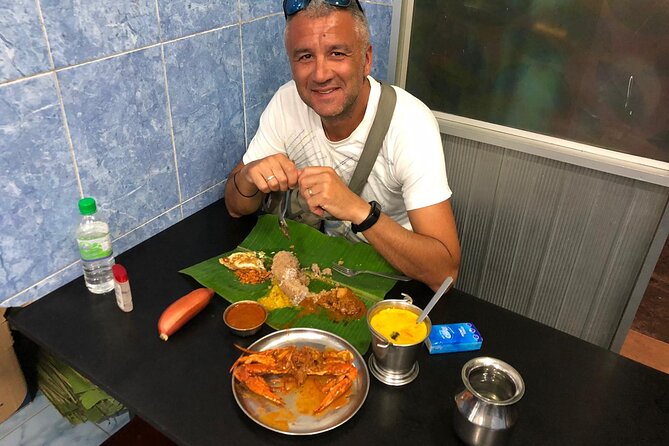
From the foods mentioned, you’ll likely run into bold, spicy Sri Lankan staples alongside sweeter bites. Think spicy crab curry and sambol as part of the broader tasting plan, plus lighter snacks like red banana and other street specialties. That’s the whole idea: a real mix of “snack” and “meal-ish” items.
One reality check
This isn’t a slow, sit-down food class. It’s a stop-and-go tasting route designed to fit a lot into 2 to 3 hours. If you want long explanations at every dish, you may need to keep your questions active as you ride and wait.
Price and value: $35 for more food than you think
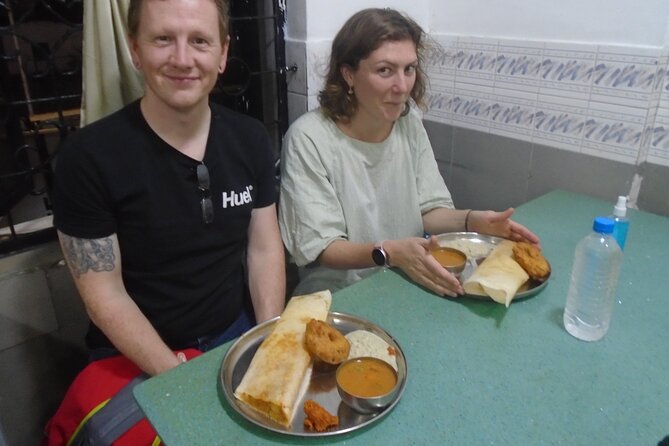
At $35 per person, this is priced like a budget-friendly experience, not a high-end tasting menu. The value comes from volume and logistics:
- You’re paying for 9+ tastings in one window.
- You’re paying for transport by tuk-tuk between multiple stops.
- You’re paying for a driver-guide who chooses places you might not find easily.
And the biggest hidden value is what you’re not doing: walking around with a map, trying to interpret menus, and guessing whether a stall is worth the line. In Colombo, that guesswork adds up fast.
If you eat lightly before you go, you’ll probably regret it. The tour is built to leave you full. That’s a feature, not a side effect.
How the private tuk-tuk format changes the whole experience
A tuk-tuk ride is more than just “fun transport.” It changes how you experience a city like Colombo.
First, it keeps the route flexible. If your driver-guide spots a better stop nearby, the tour can adjust without you losing half your time. Second, you get a moving view of the city while you eat. You’re not only chewing; you’re also watching daily life roll by.



Group size and seating
The tour is private for your group. If you have a larger party, you may be split across more than one tuk-tuk to keep everyone comfortable. Either way, the expectation is still the same: multiple tasting stops, hotel pickup and drop-off, and a driver-guide guiding you through the route.
Mobile ticket and real-world timing
You’ll use a mobile ticket, and your pickup is part of the experience. That matters if you’re trying to fit the tour into a tight schedule in Colombo.
Stop 1 in Pettah: the chicken cheese ball hit
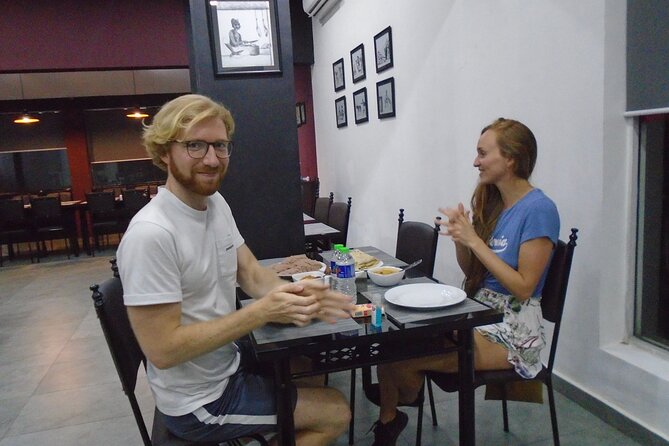
Your first stop is Pettah, one of Colombo’s most energetic food and market zones. Here you’ll try a chicken cheese ball. The standout detail is how it’s made: cream cheese plus canned chicken. It’s fast, easy to eat, and extremely craveable if you like savory bites.
This stop is about 10 minutes. It’s not meant to be a long sit-down snack. It’s meant to start your taste “meter” and get you warmed up for the rest of the route.
Why this works on day one
Pettah sets the tone. You’re getting a familiar comfort-food shape, then quickly moving into more distinctly Sri Lankan dishes. It’s a good on-ramp if you’re new to street food here.
Stop 2 at Zylen Tea: tea and coffee, plus Sri Lanka context
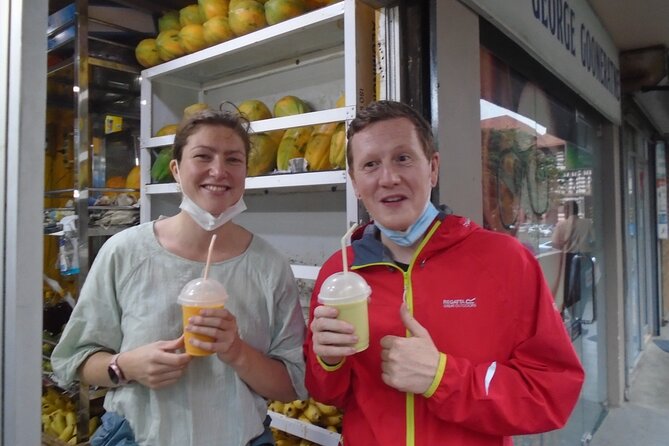
Next is Zylen Tea. This is one of the stops that isn’t just about eating something. It’s also about the story behind the flavor.
You’ll spend about 45 minutes, and tea and coffee are provided at the tea shop as part of the stop. You’ll also get context that Sri Lankan tea became a leading world export and was introduced during the colonial period.
What to expect from the tea shop stop
This stop can be a nice reset if you need a break from spicy food. It also helps you connect what you’re tasting to a major part of Sri Lankan agriculture.
Still, keep your expectations realistic. Some people find the tea-shop portion more sales-forward than “pure street food.” If you care most about roadside kitchens and markets, treat this as the educational/refreshment component of the route, not the main event.
Stop 3 in Colombo: hoppers and the crispy bowl trick
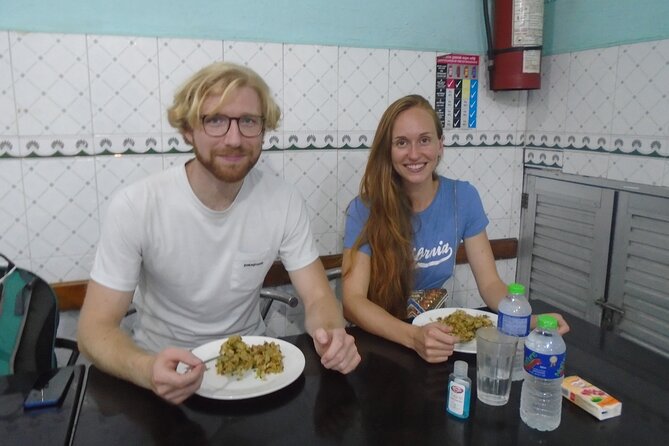
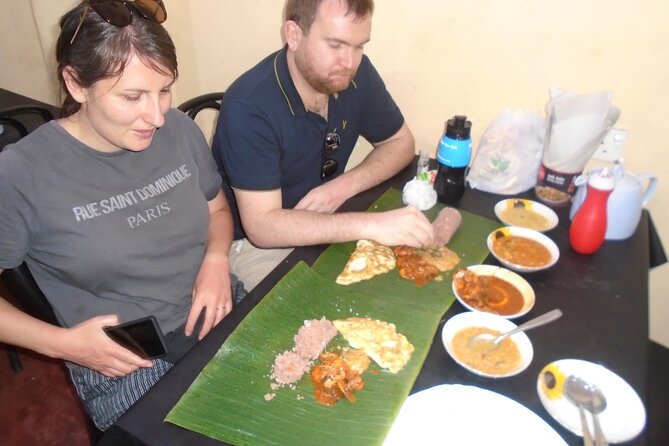
You’ll hit classic hoppers here. Hoppers are thin, bowl-shaped pancakes named for the pan they’re cooked in. The “crisp basins” shape is the key feature. As they start cooking, the chefs create the interior bowl so it’s ready for whatever filling or finish comes next.
This stop is about 30 minutes. You get time to watch, eat, and ask questions while you’re at the stall.
Why hoppers are a great street-food target
Hoppers are hard to replicate on your own without the right pan and technique. On a tasting tour, they’re exactly the kind of dish that makes the trip feel worth it because it’s both simple and specific to Sri Lankan street cooking.
Stop 4 in Colombo: pittu steamed rice-coconut comfort
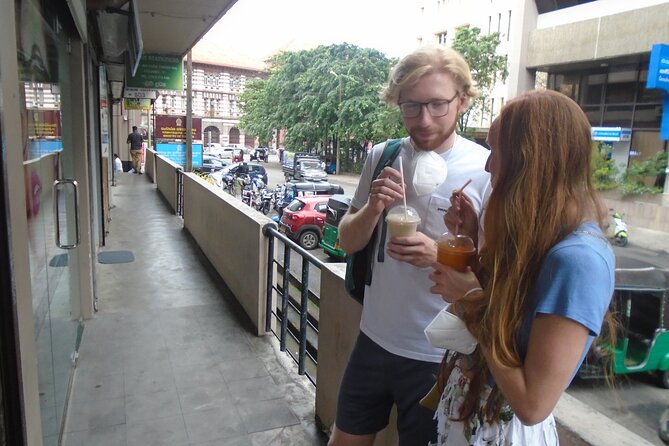
After hoppers, you move to pittu, a traditional breakfast made from steamed rice flour mixed with scraped coconut and salt. What makes it special is the cooking vessel: a pittu bambuwa, a cylindrical vessel made from bamboo and wound with coir.
This stop runs about 45 minutes. That longer window gives you time to see how pittu is steamed and to eat while it’s at its best.
What pittu tastes like in practice
Pittu is not just “rice.” The coconut and the steam do most of the work, so you’re getting warm, fragrant comfort that balances the spicier items earlier in the route. If you need something filling but not overwhelmingly hot, this is likely your recovery bite.
Stop 5 in Colombo: kottu roti, loud, hot, and satisfying
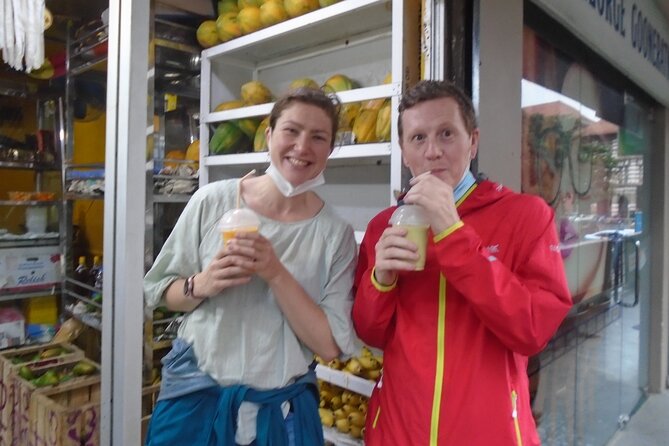
Next is kottu roti, one of Sri Lanka’s iconic street foods. The idea is simple: chopped godhamba roti (flatbread) gets stir-fried on a hot surface with a mix of vegetables. It’s usually served hot, and it’s meant to be filling.
This stop is about 20 minutes. It’s a “show it working” moment, with food that arrives quickly and leaves you ready for the next part of the route.
The best way to enjoy kottu roti
Go in hungry enough that you can handle it. Kottu roti can be heavy. If you’ve already eaten lunch, you might struggle to finish everything on the tour, and it’s a shame to miss bites.
Stop 6: fruit and vegetable market color and variety
Your final listed stop is a visit to a fruit & vegetable market. This is about context. You get to see the variety of produce and how colorful Colombo’s food world is before it lands in kitchens and stalls.
It’s about 15 minutes. Short, but useful.
Why a market stop matters on a food tour
You start connecting the dots. When you see ingredients up close, later dishes make more sense. Even if you only snap a few photos, you’ll still leave with a better feel for what shows up on plates around town.
The extra tastings: what the route suggests you’ll also find
The tour description frames this as a 9+ tastings experience, and it mentions additional specialties beyond the listed itinerary items. That includes flavors like spicy crab curry, sambol, and even ice-cream, plus fruit like red banana.
So even if you’re focused on the big iconic stops (hoppers, pittu, kottu roti), expect smaller bites and “in-between” tastings that keep the variety moving.
Guides, explanations, and the range of experiences you might see
One of the biggest strengths is the driver-guide style. Many guides are friendly and attentive, and some will point out attractions as you ride so you get more than just food.
I’ve seen names like Faizal, Ricky, Romesh, Nuvas, Vizeer, Marin, and Ramesh tied to positive experiences where the guide explained dishes and helped people eat well without feeling lost. If you get a guide who can talk through what you’re tasting, you’ll enjoy the tour even more because you’ll understand why each stop exists.
The other side of the coin
Not every run is paced the same way. Some people felt the tour was rushed or that explanations weren’t consistent. A few also said the tea stop felt like a hard sell, and that the dessert ended up being a basic, store-bought type item.
You can reduce the odds of disappointment by doing one simple thing: ask questions early. If your guide isn’t giving much context, prompt them. It’s your tour too.
Spiciness, timing, and why you should come hungry
Spicy is part of the deal here. One review detail highlighted that spicier items can hit hard, and it helps to go in ready, not already full.
So my practical advice:
- Eat a light breakfast or skip lunch beforehand.
- Bring a water bottle if you’re the type who gets thirsty while tasting.
- Tell your driver-guide if you want it mild, spicy, or anything in between.
Walking and comfort
You’ll do some walking, but it’s usually not intense. The main movement is in the tuk-tuk, with quick in-and-out restaurant stops.
Is this a great first Colombo activity?
Yes, especially if you only have a day or a short window. The tour blends food stops with a quick city sense of where things are happening.
If you’re planning a larger Colombo itinerary, this works well as your “taste and orientation” afternoon. You come out with dishes you can later look for on your own, plus a basic idea of which neighborhoods feel right for more wandering.
Who should book this tour (and who should think twice)
This tour is a good fit if you want:
- Lots of food without meal planning
- A tuk-tuk ride as part of the fun
- Classic Sri Lankan dishes like hoppers, pittu, and kottu roti
- A short, structured way to see parts of Colombo
Think twice if you:
- Want a slow, fully explained, sit-down culinary story at every stop
- Are very strict about “street food only” and dislike tea-shop or packaged-sweet moments
- Get thrown off by a stop-and-go pace
Quick FAQ
FAQ
How long is the Colombo Express Food Tour?
It runs about 2 to 3 hours.
Is this tour private?
Yes. It’s private for your group, not shared with other groups.
Do they offer hotel pickup and drop-off?
Yes, pickup and drop-off are included.
How many tastings do you get?
The tour is described as including 9+ tastings.
What food stops are included?
The itinerary includes Pettah for a chicken cheese ball, Zylen Tea, hoppers in Colombo, pittu in Colombo, kottu roti in Colombo, and a fruit and vegetable market.
Is tea or coffee included?
Yes. Tea and coffee are provided at the Zylen Tea stop as part of that visit.
Do you get to sample spicy foods?
Spicy Sri Lankan dishes are part of the tour description, including options like spicy crab curry and sambol. You should tell your guide your preference.
What if the weather is bad?
The experience requires good weather. If it’s canceled due to poor weather, you’ll be offered a different date or a full refund.
What happens if you cancel close to the start time?
You can cancel up to 24 hours in advance for a full refund. Canceling less than 24 hours before the start time does not receive a refund.
Should you book Colombo Express Food Tour?
Book it if you want a practical, food-forward introduction to Colombo with 9+ tastings and a private tuk-tuk route. It’s one of the more efficient ways to try recognizable Sri Lankan classics without turning your afternoon into a menu-decoding mission.
Skip or temper expectations if you crave an unbroken street-food-only experience with long explanations at every step. This tour is designed for volume and movement. Go hungry, ask questions as you ride, and you’ll get the best version of what it promises.