Udawalawe has a way of turning a simple jeep ride into animal drama. What makes this elephant safari stand out is the private 4×4 setup and the expert guide like Gimhana, who helps you get real sightings (not just passing glimpses). I especially like the open viewing—big grasslands where elephants actually move—and the way the tour balances elephants with other wildlife. One thing to plan for: the park is large, so some sit-tight waiting is normal before the next sighting.
If you’re picking between safaris in Sri Lanka, I’d put Udawalawe near the top for its elephant density and variety of habitats. You’ll also have a strong chance at birds, including endemic species like Sri Lankan junglefowl and spurfowl. The main drawback is simple: this is not the kind of outing that works well if you have mobility limits, or if you’re pregnant.
Key points at a glance
- Open grasslands mean better chances to see elephant herds roaming instead of hiding.
- Expert guiding (Gimhana, Jana, Jayashan, Uditha, Lasindu, and others) helps you spot animals quickly and position for photos.
- Respectful driving habits show up in how good guides keep distance and sometimes turn off the engine near wildlife.
- More than elephants: crocodiles, jackals, deer, water buffalo, lizards, and often jungle cats.
- Birding bonus: Sri Lankan junglefowl and spurfowl are real possibilities, not just a side note.
- Flexible duration: choose a shorter 4-hour option or go longer (10 hours can add lunch and more time on the routes).
In This Review
- Udawalawe Elephant Safari in a Private 4×4: Why It’s Worth Your Time
- The “4 to 10 Hours” Game Plan: What Your Time Actually Feels Like
- Elephant Herds Up Close: How Guides Like Gimhana Improve Your Odds
- More Than Elephants: Crocodiles, Jackals, Deer, and the Stuff You Didn’t Expect
- Birding Bonus: Sri Lankan Junglefowl and Spurfowl on the Route
- Your Guide Matters: What Expert Spotting Looks Like in Real Life
- Price, Park Fees, and Real Value: Is $30 a Good Deal?
- Rules You’ll Actually Feel During the Safari
- Best Match: Who Should Book This Udawalawe Safari
- Should You Book Udawalawe for an Elephant Safari?
- FAQ
- FAQ
- How long is the Udawalawe National Park elephant safari?
- What does the price include?
- Do I need to pay the national park entry fee separately?
- Is this tour private?
- What languages are used during the safari?
- What wildlife can I expect to see?
- Are Sri Lankan endemic birds part of the experience?
- Are drones allowed?
- Is alcohol allowed?
- Is the safari suitable for everyone?
Udawalawe Elephant Safari in a Private 4×4: Why It’s Worth Your Time
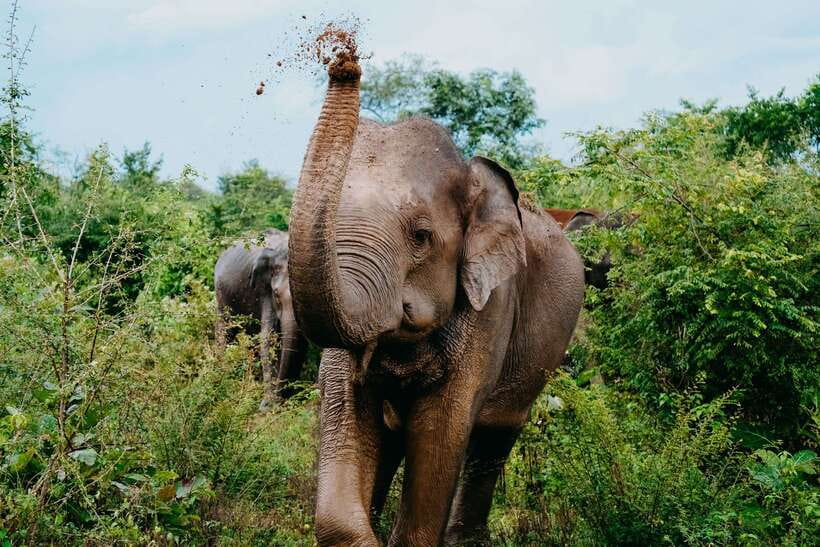
Udawalawe National Park is known for elephants, but what you’re really buying is time in the right places at the right speed. The park covers 308 square kilometers, with a mix of grasslands, forests, and wetlands. That combination matters because elephants roam differently depending on the day’s conditions, and your route changes with what’s moving.
I like that this safari is private, with a dedicated driver-guide and 4×4 Jeep transport. That typically means fewer compromises, more control over where you stop, and easier communication in English or Singhalese. In several safari experiences, the guide’s job isn’t just spotting animals—it’s getting you ready to see them without crowding them.
Here’s the practical reality: wildlife doesn’t follow a schedule. You may have a few slower minutes between sightings. That’s not a failure; it’s just what a big park does. If you go in patient, Udawalawe pays you back.
The “4 to 10 Hours” Game Plan: What Your Time Actually Feels Like
You can choose a half-day range from 4 to 10 hours, and that changes how your day paces out. The shortest options are best if you want the highlights and you’re pairing this with other stops in the area. The longer option makes more sense if you want breathing room—more routes, more chances at rarer sightings, and time to linger when animals appear.
Hotel pickup and drop-off are included within the Udawalawe area, so you’re not piecing together transport on your own. Once you’re in the Jeep, you’re generally scanning for movement—elephants first, then everything else that shares the same space. If you choose the 10-hour experience, lunch and water are included.
What I like about the timing flexibility is that it lets you match your energy level. Morning safaris often feel more active, especially when animals are moving between feeding and water areas. Afternoon safaris can still deliver strong sightings, and they can feel calmer if you like a slower rhythm. Either way, the big value is that you’re in the park for enough time that a single sighting isn’t your only payoff.
You can also read our reviews of more tours and experiences in Colombo.


Elephant Herds Up Close: How Guides Like Gimhana Improve Your Odds
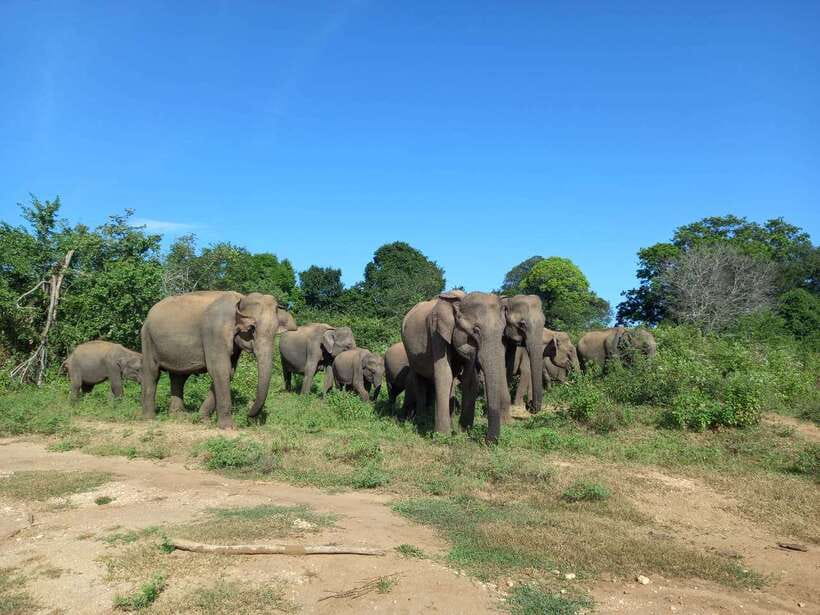
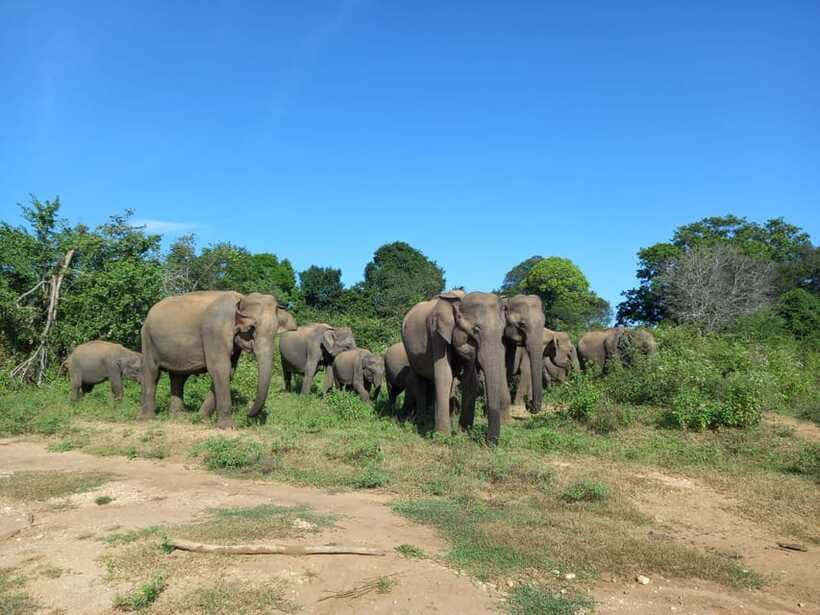
Elephants are the headline here. Udawalawe has one of the largest elephant populations in Sri Lanka, and the park’s open grasslands give you some of the best odds for seeing herds in motion. That’s important, because a close-up elephant photo usually happens when the animal chooses the route—not when the Jeep forces it.
A big theme across the experience is the guide’s ability to read the park. Names that come up often include Gimhana, plus other expert guides and drivers such as Jana, Jayashan, Uditha, Lasindu, and Gayan. These guides are the ones who keep scanning, then call the next move before you lose the moment.
Look for the signals of a good guide: they stop when there’s something worth seeing, they don’t rush you past interesting animals, and they’re mindful about distance. One particularly strong detail is how some guides turn off the engine near animals and let them approach naturally if they want. That kind of driving isn’t just ethical—it also helps animals stay calm, which improves your view.
And yes, calves can appear. You may see baby or younger elephants alongside mothers, which is often the most emotional part of the safari. Udawalawe’s elephants can also come close enough that you feel the scale—so keep your eyes on your surroundings and your hands inside the Jeep.
More Than Elephants: Crocodiles, Jackals, Deer, and the Stuff You Didn’t Expect
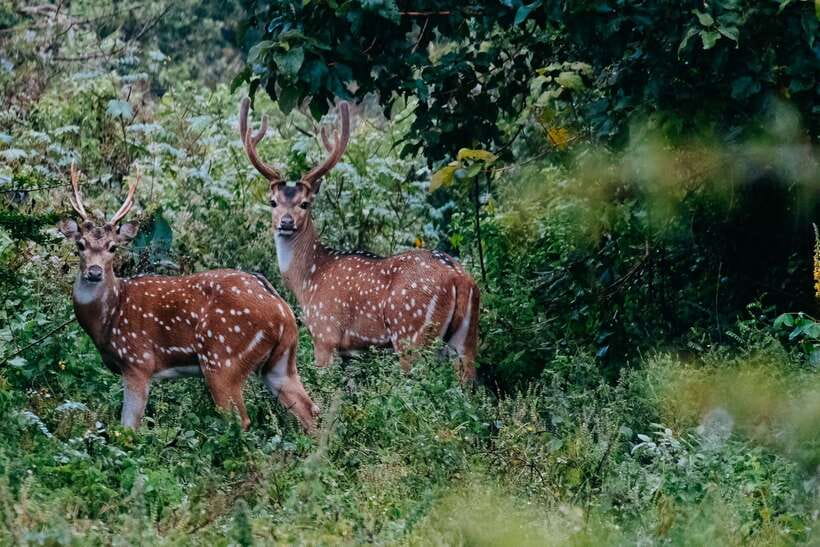
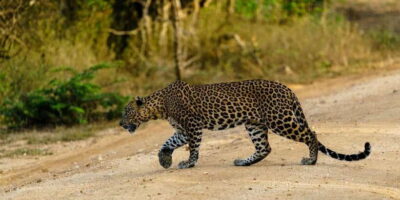
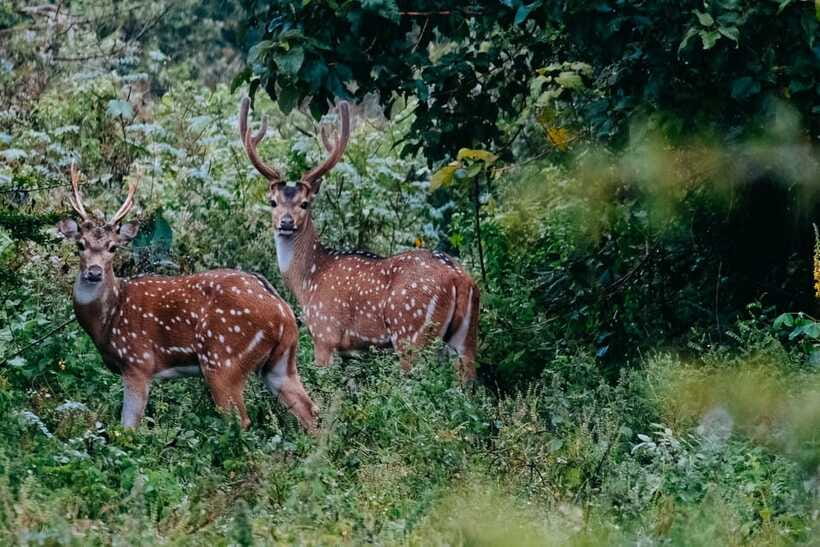
Udawalawe is famous for elephants, but the best safaris treat elephants as the foundation and other wildlife as the bonus. You should keep an eye out for sambar deer, wild boar, mongooses, lizards, and reptiles like crocodiles. Jungle cats and leopards are possible too—harder to predict, but the guide’s route choices can make a difference.
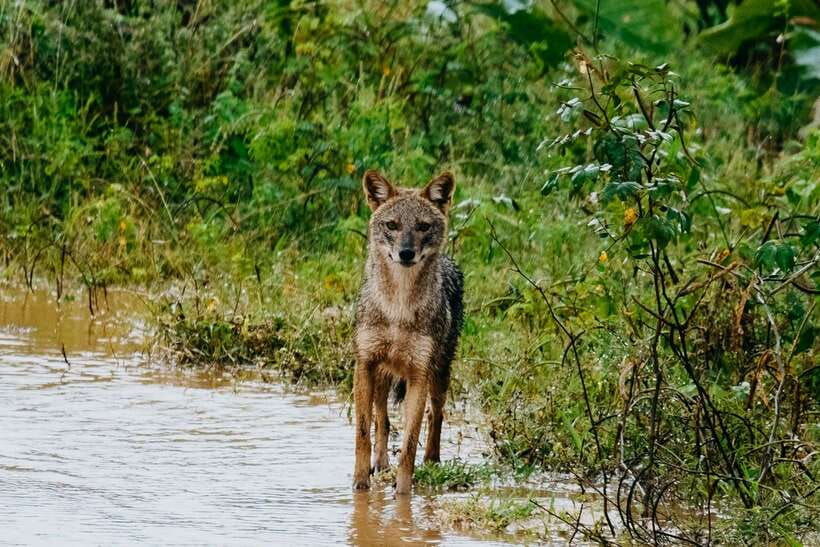
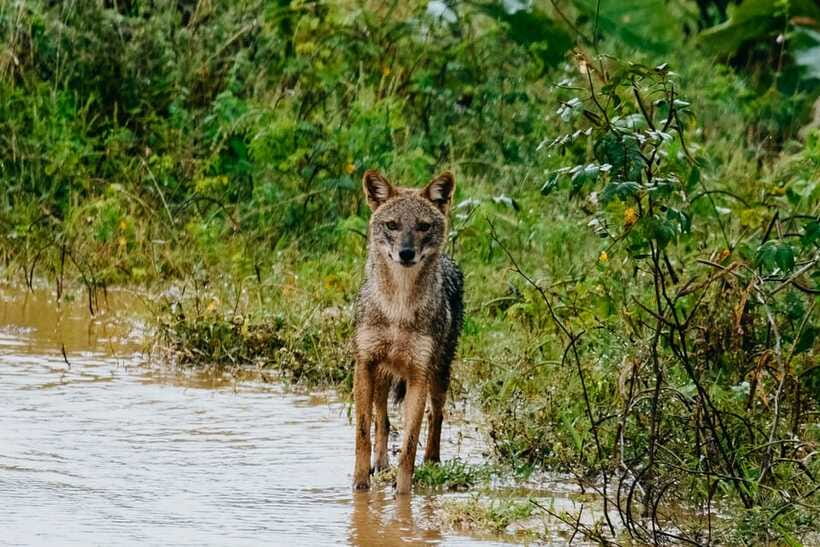
Jackals are another highlight when conditions line up. You might see them on their own terms, including Golden Jackals, which are rare and usually harder to spot. When jackals do appear, it often feels like a small payoff for patience—because they aren’t always out in the open.
Crocodiles can be especially memorable because you tend to notice them after you’ve already been focused on elephants. The water and wetland sections can produce sightings that are quick and easy to miss unless your guide’s eyes are trained. This is where an expert guide earns their fee: noticing small signs early, then positioning you without crowding.
Birding Bonus: Sri Lankan Junglefowl and Spurfowl on the Route
If you care about birds, Udawalawe gives you extra reasons to stay alert. Endemic species like the Sri Lankan junglefowl and spurfowl are a real possibility. These birds aren’t always in the spotlight during elephant-first safaris, so having a guide who also scans for bird activity can change your whole experience.
In practice, this means more frequent stops—sometimes short ones—because a bird motion in the brush might be the clue to a bigger sighting. You may even get a chance to see multiple bird types in the same area, including colorful species that pop against the trees and grass.
Bring your best patience. Bird sightings can happen fast, then vanish into cover. Your best move is to listen when the guide points something out and be ready to shift your view immediately.
Your Guide Matters: What Expert Spotting Looks Like in Real Life
This safari’s quality depends heavily on the person driving and guiding. The experience is built around an experienced driver-guide with 10 years of safari experience, and the guides referenced across the experience clearly know how to manage time and attention in a big park.
Here’s what stands out in how guides operate:
- They look ahead, not just at the immediate elephant.
- They adjust the route to reduce crowding, so you often get calmer viewing.
- They keep the Jeep respectful—distance is part of the skill.
- They answer questions on the spot, including names and facts about animals and birds.
Some guides also add small comfort touches that make the day feel smoother. For example, some morning departures have included a traditional Sri Lankan breakfast for the group, which is a nice idea when you’re heading into the park early. A few experiences also note binocular help, which can be a big upgrade if you’re trying to spot birds or distant animals.
If you have a name preference, you’ll often hear Gimhana praised for spotting, pacing, and staying calm while explaining wildlife. It’s worth asking who’s assigned when you book, especially if you’re doing the 4–6 hour version where every stop matters.




Price, Park Fees, and Real Value: Is $30 a Good Deal?
The headline price is $30 per person, with hotel pickup, private safari tour structure, and 4×4 transport included. The park entry fee is not included and runs $37 per person. That puts your total at about $67 per person before any optional extras.
Is that fair? For Udawalawe, it often is—because you’re paying for time inside the park plus private transportation that helps you reach better viewing positions. Udawalawe isn’t a zoo setup; sightings depend on driving skill and patience. In a private format, you’re less likely to lose a moment to crowd chaos.
A practical note on value: if you’re the type who hates waiting and wants back-to-back sightings, you’ll probably be happier with the longer half-day option. If you’re okay with a few pauses between action, the shorter safari can still be very satisfying since elephant herds can appear quickly in open areas.
Also, the activity includes free cancellation up to 24 hours in advance and offers reserve now, pay later options. That’s useful if you’re building your Sri Lanka schedule around weather or other travel days.
Rules You’ll Actually Feel During the Safari
This is wildlife time, so there are a few clear boundaries: no drones, and alcohol and drugs are not allowed. The no-drone rule is good sense in a national park, and it keeps things focused on respectful viewing.
There are also clear suitability limits. This safari is not suitable for pregnant women and it’s not a good match if you have mobility impairments. The reason is straightforward: you’re getting in and out of a Jeep on rough terrain and spending hours on safari conditions.
Weather also matters. Some mornings can feel cold, and other days can get dusty fast. Dress in layers if you’re doing an early departure, and cover up if you’re sensitive to dust.
Best Match: Who Should Book This Udawalawe Safari
This tour is a strong fit if you want:
- A high-chance elephant experience in a park known for elephant numbers
- A guide who can also find birds and smaller wildlife like lizards and mongooses
- A private format that reduces stress and lets you take photos without rushing
If you’re traveling with kids, Udawalawe can be a hit because elephants are usually the easiest animal to get excited about. If you’re a bird lover, you’ll appreciate the focus on endemic species like Sri Lankan junglefowl and spurfowl.
Skip this one if your mobility needs are significant or if pregnancy makes dusty, bumpy touring uncomfortable. In those cases, you’ll likely have a safer and more enjoyable time with a different style of outing that’s less physical.
Should You Book Udawalawe for an Elephant Safari?
If your goal is elephants plus a good chance at other Sri Lankan wildlife, I think Udawalawe is a smart booking. The combination of open grasslands, dedicated 4×4 transport, and a guide who knows how to spot animals and manage respectful distance can make the difference between a good day and a great one.
Book it if you can handle waiting between sightings and you’re okay with spending real time in the park. Choose the longer option if you want extra chances at rare animals like leopards or if you really care about birds. If you want a shorter highlight hit, the 4-hour option can still work well—just go in knowing elephants are wild, not scheduled.
FAQ
FAQ
How long is the Udawalawe National Park elephant safari?
It runs from 4 to 10 hours, depending on the option you choose.
What does the price include?
You get hotel pickup and drop-off (Udawalawe area), a private safari tour, a driver-guide with 10 years of experience, and transportation by private 4×4 Jeep. Lunch and water are included only if you choose the 10-hour option.
Do I need to pay the national park entry fee separately?
Yes. The Udawalawe National Park entry fee is $37 per person and it is not included.
Is this tour private?
Yes. It’s set up as a private safari tour, and private group options are available.
What languages are used during the safari?
The live tour guide speaks English and Singhalese.
What wildlife can I expect to see?
You have good chances for wild elephants and you may also spot jungle cats, crocodiles, jackals, sambar deer, wild boar, water buffalo, and reptiles like crocodiles and lizards.
Are Sri Lankan endemic birds part of the experience?
You may be able to see endemic birds such as Sri Lankan junglefowl and spurfowl, especially since birdlife is plentiful in the park.
Are drones allowed?
No. Drones are not allowed.
Is alcohol allowed?
No. Alcohol and drugs are not allowed.
Is the safari suitable for everyone?
It’s not suitable for pregnant women and it’s not suitable for people with mobility impairments.