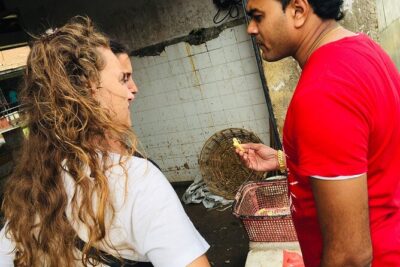
Ten minutes in, the smells grab you. This is a hands-on Sri Lankan cooking class in Galle that starts with market shopping and ends with you eating what you made. I love the small group cap of 10 and the way you learn key basics like fresh coconut milk and getting rice just right. One thing to consider: a few people felt it leaned more toward demonstration than fully hands-on for every step, so if you want 100% nonstop cutting and stirring, set expectations accordingly.
You’ll bounce between two local markets and the kitchen, guided by Wasantha and family. You get a real sense of how Sri Lankans pick ingredients, not just what to cook. Expect a tuk-tuk ride, spice talk, and a meal that’s served buffet style, with you eating the local way.
At about $30 for roughly 4 hours, the value is strong because your ticket covers transport to the markets, fresh ingredients, and lunch. It’s also capped small enough that the experience doesn’t feel rushed.
In This Review
- Quick hits
- Galle Curry Starts at Wasantha’s Kitchen (Unawatuna base, 10:00 start)
- Dutch Market shopping: what you learn before you touch a pot
- Why this market stop is worth your time
- A fair caution
- Fish market stop: choosing tuna like you mean it
- What I like about this stop
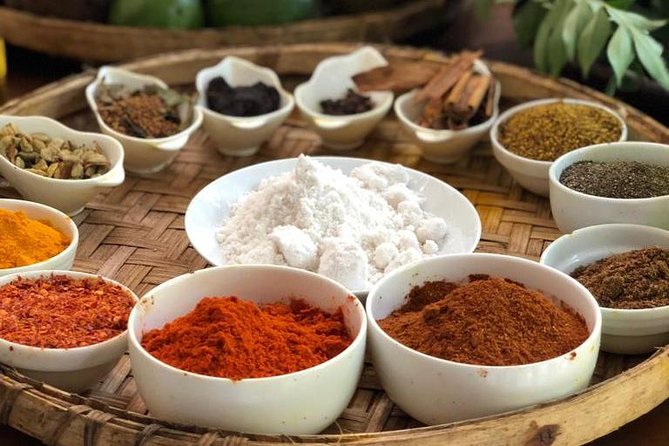
- The spice-and-coconut lesson: the two things that make Sri Lankan curry work
- A specific technique you might notice
- From four vegetable curries to your tuna or chicken curry
- Examples of what curries can look like
- How the hands-on portion tends to feel
- Lunch buffet: eat with your hands, then plan your next attempt at home
- Recipe takeaways you’ll likely want
- What it’s like with Wasantha and family (Sam and Sasa in the mix)
- Price and value: what $30 really covers in real terms
- Who should book Cook with Wasantha (and who might want a different style)
- Should you book Cook with Wasantha?
- FAQ
- How long is the cooking class?
- How many people are in the group?
- What markets do you visit?
- What dishes do you cook and eat?
- Where is the meeting point?
- What if weather is poor or you need to cancel?
Quick hits
- Market shopping first: choose vegetables, fruit, and fish ingredients before you cook
- Coconut milk + fluffy rice lessons: two core Sri Lankan skills, taught step-by-step
- Five curries in one session: four vegetable curries plus tuna or chicken curry
- Family-led energy: Wasantha’s family helps guide the market and cooking parts, including Sam and Sasa
- Buffet lunch you eat immediately: sit down, then taste your work without waiting for a restaurant later
Galle Curry Starts at Wasantha’s Kitchen (Unawatuna base, 10:00 start)
This class runs out of Wasantha’s Sri Lanka Cuisine (180/a Yaddehimulla Rd, Unawatuna). You start at 10:00am and the activity ends back at the same meeting point. It’s a simple setup, which matters in a place where the best food days often turn into a lot of walking and wandering unless someone plans the flow for you.
I like the structure. You’re not just learning recipes in a kitchen while thinking about what you should have bought. Instead, you see the ingredients first, then work with them right away. That makes the cooking feel less like a “show” and more like learning a rhythm you can recreate later.
You can also read our reviews of more tours and experiences in Galle.


Dutch Market shopping: what you learn before you touch a pot
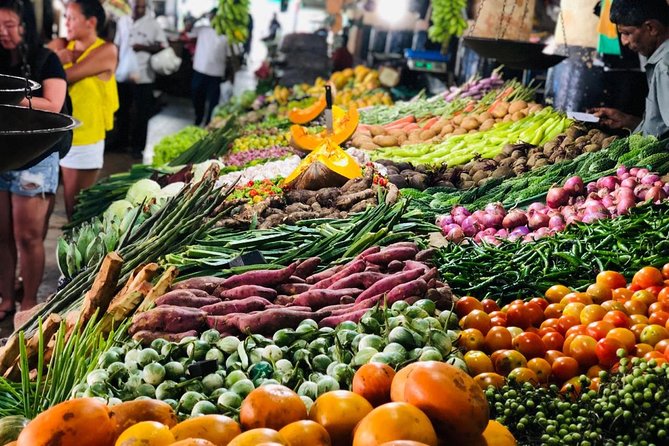
Your first stop is the Dutch Market area. This is where the day turns from “I’m here to cook” into “I actually understand what I’m cooking.”
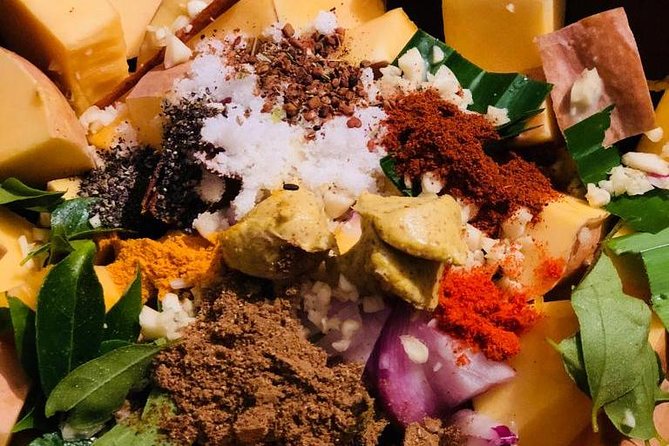
You’ll tour, then buy fresh produce. The part I’d call the most useful isn’t only picking what looks good—it’s learning what to look for in everyday ingredients. In practice, that means you get guidance on choosing vegetables and fruit that match the curries you’ll make later.
One of the smartest touches is that you’re not stuck with one fixed menu. You can pick what you want to cook. In recent sessions, people have chosen options like pineapple, pumpkin, aubergine, and different curry vegetables, and that choice shows up in the cooking you do at the kitchen.
Why this market stop is worth your time
Sri Lankan cooking depends on freshness and balance. Spices, acids, and coconut richness are only as good as the ingredients you start with. When you shop with the cook (not just a tour guide), you learn the logic behind the final taste.
A fair caution
Because the session includes a lot of moving parts—market stops, cooking lessons, and getting food on the table—your hands-on time can vary by role and by group pace. Some people loved the participation level; a few said it felt more like a demonstration for certain tasks. If hands-on is your top priority, focus on asking questions during prep and stay engaged during rice and coconut milk steps, which are the center of the lesson.
Fish market stop: choosing tuna like you mean it
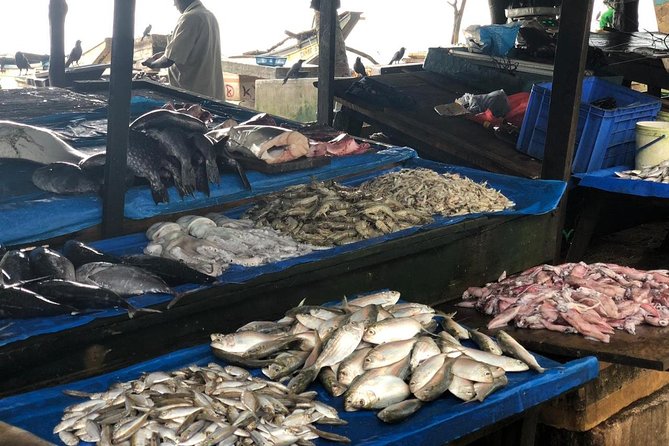
After the Dutch Market, you head to a fish market. This is where you’ll handle the ocean side of Sri Lankan cooking, including fresh fish ingredients. Many sessions include tuna selection.
This matters because fish curries live and die by timing and freshness. You also get a clearer picture of how Sri Lankans think about seafood at home: not as a specialty “restaurant” ingredient, but as part of normal cooking.






What I like about this stop
It’s not abstract. You’re learning ingredient choice with your eyes and your guide’s explanations. When you later see how the curry is built—spices, coconut, heat, and timing—you’ll connect the final flavor to the fish you picked earlier.
The spice-and-coconut lesson: the two things that make Sri Lankan curry work
Once you’re back to the kitchen, the class pivots hard into technique. The highlights you can count on are:
- making coconut milk
- cooking rice so it turns out fluffy
- blending spices for curry bases
Coconut milk can sound simple until you watch someone do it the way they’ve done it at home for years. Getting it right affects thickness, sweetness, and how spices bloom. You’ll learn how coconut fits into Sri Lankan curries as a whole texture—not just as a “creamy add-on.”
Rice is the other make-or-break skill. In Sri Lankan cooking, rice isn’t just a side. It’s part of the balance with curries. If rice is too sticky, too wet, or undercooked, the whole plate feels off. Getting the “Sri Lankan way” of cooking rice means your next dinner at home gets instantly better.
A specific technique you might notice
One reported tip: spice mixing done by smell instead of measuring. That’s not something you can copy exactly without practice, but it’s a good reminder of what great cooks are actually doing—tuning aroma, not chasing a recipe number.
From four vegetable curries to your tuna or chicken curry
The main cooking part ends up with you making a spread of dishes: four vegetable curries plus your choice of tuna or chicken curry. That “choice” is important because it keeps the class personal. If you love seafood, you’re not forced into chicken. If you’re more comfortable with poultry, you can build your plate around that.
Examples of what curries can look like
Exact menus can vary, but recent classes have included combinations like:
- pineapple curry
- dahl (lentil) style curry
- aubergine with onion
- pumpkin curry
And then the tuna or chicken curry option, such as tuna ambitar in at least one experience.
You’ll also see how curries differ even when they share the same core ingredients. That’s the real skill: understanding what changes when a curry goes from vegetable-sweet to fish-forward to lentil-thick.
How the hands-on portion tends to feel
In many classes, you’ll cut and prep some vegetables, then cook alongside the family with step-by-step instruction. The most praised part is usually clarity during the cooking basics—especially rice and coconut milk—plus guidance from Wasantha and family members.
If you’re the type who learns by doing, plan to show up ready to participate: wash, cut, stir when invited, and don’t wait for someone to hand you the “perfect” task. If your goal is a full-on cooking workshop where you do everything, treat this as a family-run cooking experience that mixes instruction and participation.
Lunch buffet: eat with your hands, then plan your next attempt at home
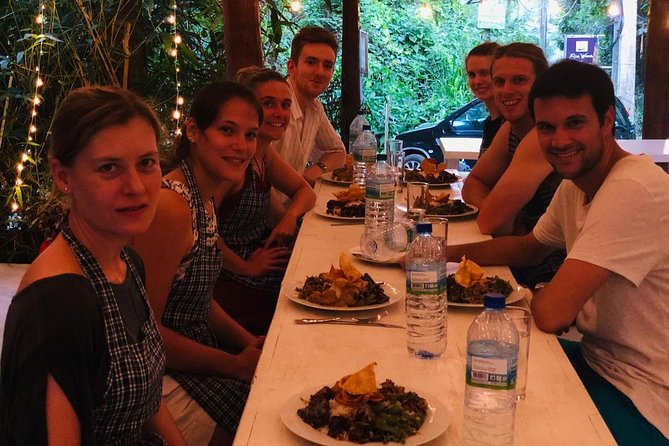
After cooking, you sit down to eat. The meal is served buffet style, and yes, it’s meant to be eaten with your fingers the local way. This isn’t a gimmick. Finger eating changes how you portion food and how you mix rice with curry.
What I like here is the immediate feedback loop. You cooked the flavors. Now you taste them while the lessons are fresh. That makes it easier to remember why something worked—or what you’d tweak next time.
Recipe takeaways you’ll likely want
Many participants receive recipes to take home. In one report, a guest counted 21 recipes provided. Even if you don’t get that exact number every time, you should expect written recipes or recipe cards—enough to help you cook again without guessing.
And yes, there’s a human side. This class is run as a family affair, and the conversation during cooking can be as memorable as the food.
What it’s like with Wasantha and family (Sam and Sasa in the mix)
This isn’t a faceless cooking demo. Wasantha teaches, and family members take active roles. Sam has been noted for leading the market portion and sharing travel-related tips along the way. Sasa has also been mentioned as helping guide the class, especially with market explanations.
That matters because you’re not just learning curry. You’re also learning how Sri Lankans talk about ingredients, markets, and everyday cooking choices. It’s practical cultural knowledge you can use beyond the kitchen.
Price and value: what $30 really covers in real terms
For about $30 and roughly 4 hours, the value is strong because you’re getting more than a meal. You’re getting:
- market transport by tuk-tuk
- guided shopping for produce and fish ingredients
- cooking instruction focused on core skills (coconut milk and rice)
- multiple curries, including both vegetable dishes and a chosen protein curry
- lunch right after cooking
If you’ve done cooking classes elsewhere, you know some are basically a restaurant meal with a bit of stirring. This one is closer to a “learn the workflow” session where ingredient selection and technique both matter.
Who should book Cook with Wasantha (and who might want a different style)
I think this class is a great fit if you want:
- a small group experience (capped at 10)
- real ingredient shopping in Galle’s market scene
- core technique lessons you can repeat at home
- a relaxed, family-run setting rather than a scripted show
It may be less ideal if:
- you need constant hands-on action for every minute
- you’re only interested in cooking (not market shopping or technique explanations)
- you want a purely silent, lab-style workshop
Also, this experience requires good weather. If the weather turns, you may be offered another date or a refund.
Should you book Cook with Wasantha?
If your idea of a great food day includes markets, fresh ingredients, and learning the why behind curry (not only the what), then yes, book it. The small group size, the coconut milk and rice lessons, and the fact that you cook multiple curries and eat immediately make this a high-value Sri Lankan experience.
If you’re picky about hands-on time, message your expectations in advance. Then show up ready to participate during prep and cooking steps that matter most—coconut milk and rice—because that’s where the instruction seems to land best.
FAQ
How long is the cooking class?
It runs for about 4 hours.
How many people are in the group?
This experience has a maximum of 10 travelers.
What markets do you visit?
You’ll visit the Dutch Market and then a fish market to buy fresh ingredients.
What dishes do you cook and eat?
You learn to make coconut milk, cook rice, and prepare five curries: four vegetable curries plus a choice of tuna or chicken curry. Then you eat the meal buffet style.
Where is the meeting point?
You start at Wasantha’s Sri Lanka Cuisine, 180/a Yaddehimulla Rd, Unawatuna, Sri Lanka, and the activity ends back at the same meeting point.
What if weather is poor or you need to cancel?
This experience requires good weather. If it’s canceled due to poor weather, you’ll be offered a different date or a full refund. For cancellations, you can cancel up to 24 hours in advance for a full refund; within 24 hours, the amount paid is not refunded.