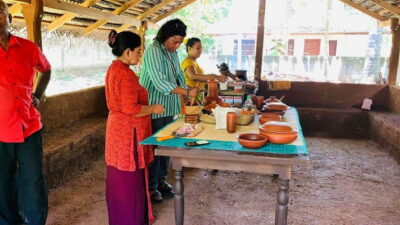
Hands-on silver jewelry beats any souvenir shop. In Galle, this small, family-run workshop lets you get your hands dirty with traditional techniques while choosing a gemstone you’ll actually wear—guided by Ashan and his dad in clear English. Two things I really liked: the chance to do real silversmith work yourself, and the lesson on spotting genuine gemstones versus fake ones.
The one catch is simple: the $16 ticket covers instruction, but to keep the ring (silver and stones), you’ll pay extra for materials. Do that math before you go buy a big lunch after.
In This Review
- Quick highlights
- A silversmith studio visit, not a factory tour
- Silver techniques you’ll do yourself (melting to polishing)
- Choosing gemstones and learning real-vs-fake basics
- Price and value: what’s included vs what costs extra
- The 3 hours: what the timeline feels like in real life
- Who should book this workshop (and who should skip)
- Should you book Chandralal Jewelry Works in Galle?
- FAQ
- What does the $16 per person price include?
- How long is the workshop?
- Can I take home the jewelry I make for the workshop price?
- Do I get to choose gemstones and designs?
- How does pickup and drop-off work?
- Is the workshop taught in English, and is it wheelchair accessible?
Quick highlights
- Traditional silversmithing, step-by-step: melting, soldering, hammering, setting, smoothing, and polishing
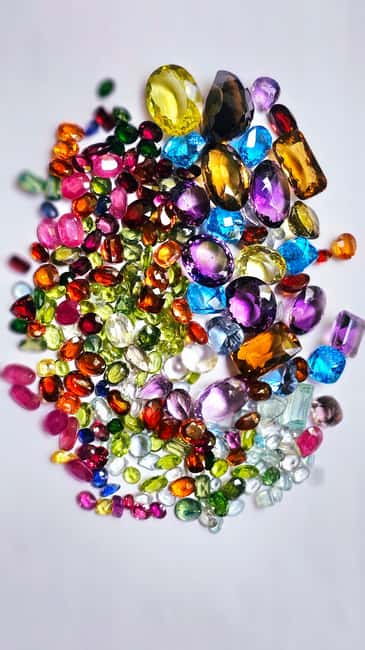
- Gemstone ID practice: how to recognize real stones vs artificial ones, plus you can touch many options
- Small-group pace: limited to 10 people, so you get time to participate
- Galle area pickup by tuk-tuk: included transfers within 12 km of Galle/Unawatuna/Boossa
- Included raw moonstone: you get a rough moonstone at the end
A silversmith studio visit, not a factory tour
This workshop is the kind of activity that feels local because it’s in a working studio inside a home setting. You’re not shuffled through glass cases. You’re in the room where the work happens, watching tools, heat, and tools meet real materials. It’s run by chandralal jewelry works, and the vibe is family-friendly and patient—think warm tea, snacks, and people who genuinely explain what’s going on.
One of the smartest parts for your trip: this is a skill-based souvenir. Sure, you can buy jewelry in Sri Lanka. But when you make the metal and set the stone with guidance, the piece becomes a story you can hold. You’ll also get a clearer feel for what you’re paying for, because you’ll see how much labor goes into shaping and finishing silver.
If you’re traveling with mobility needs, good news: the workshop is listed as wheelchair accessible. Also, it’s limited to a small group of 10, which matters because jewelry making isn’t a “watch from afar” activity. You need a bit of room to learn, try, and ask questions.
You can also read our reviews of more tours and experiences in Galle.

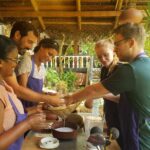
Silver techniques you’ll do yourself (melting to polishing)
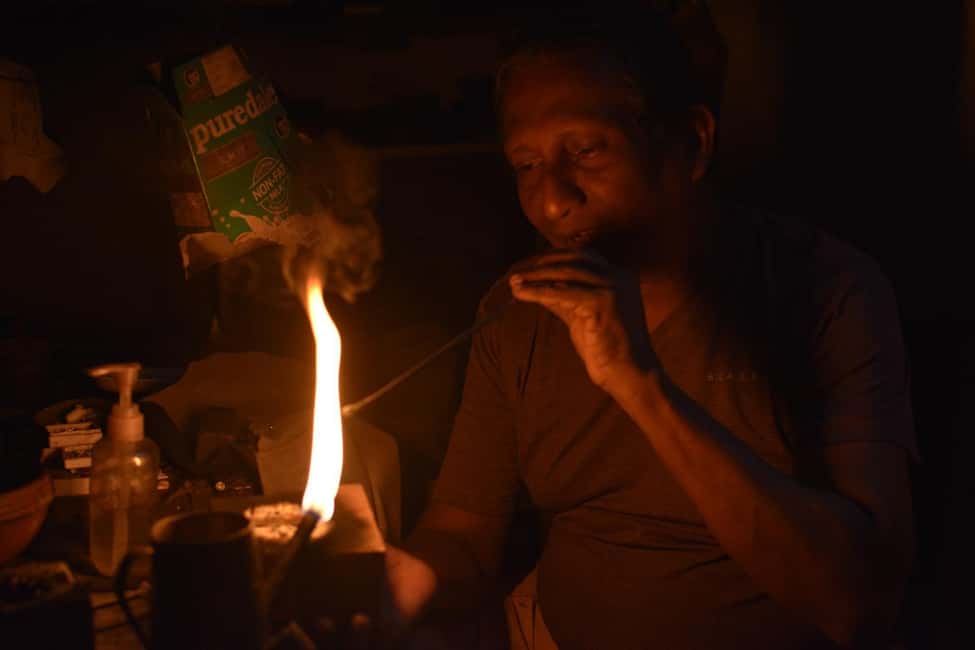
The class is built around participation. You’re not just observing a demonstration while someone else works. You’ll handle tasks like melting metal, doing the basic sizing/gauging work, soldering, hammering, embedding stones, and then moving into the finishing steps—smoothing and polishing.
Here’s how to think about the day. The hardest parts are still done with expert control, but you get a meaningful slice of the work. For example, you might handle steps that don’t require advanced experience, while Ashan and his dad manage the steps that need precision and heat control. That’s why the “3 hours” feels more active than it sounds on paper.
You’ll also get context on traditional methods—like how silversmiths approach melting silver. In one of the accounts, the workshop includes both old and newer ways of melting, so you understand that this craft evolves, even while staying rooted in tradition.
Practical tip: wear clothes you don’t mind getting a little warm or dusty. Jewelry making uses heat and fine metal work. In at least one experience, a participant left with minor heat burns (their own fault for getting too close), so keep a steady distance from hot tools. If you’re the cautious type, you’ll do great here—just listen, watch first, and only step in when invited.
Choosing gemstones and learning real-vs-fake basics
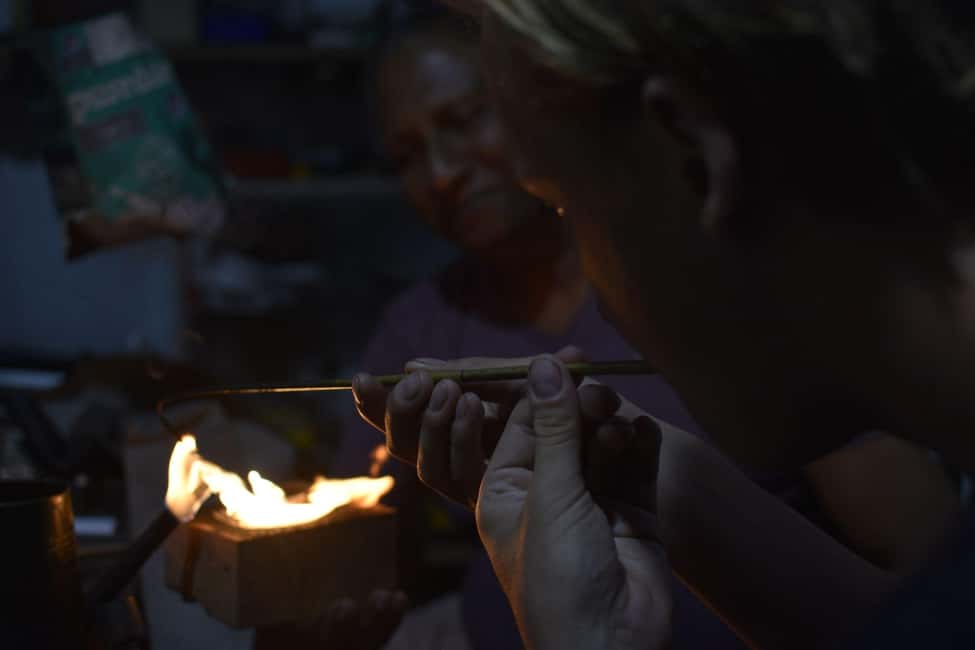
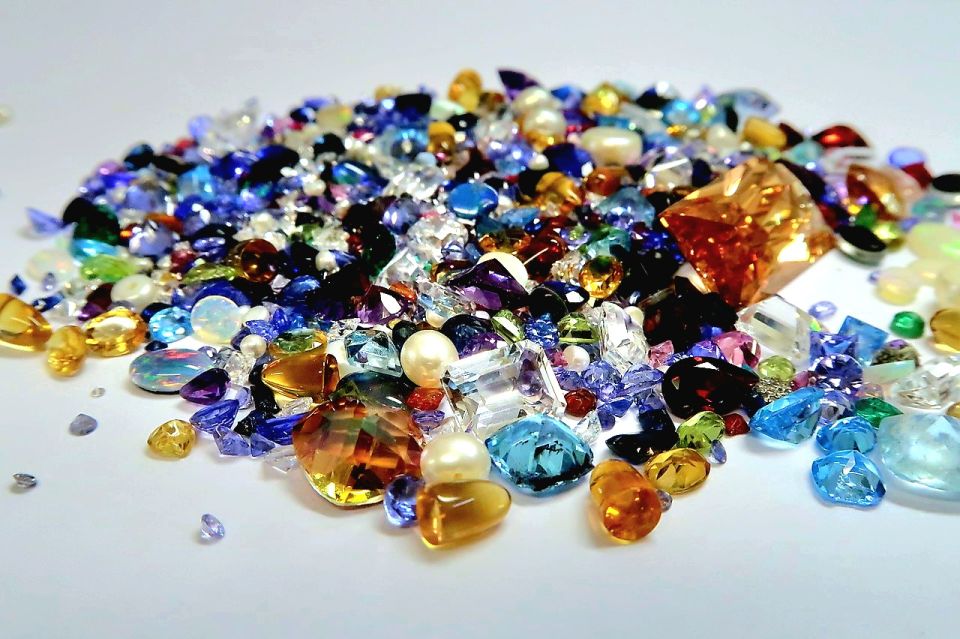
This is where the workshop becomes more than a one-time craft project. You get to touch and examine gemstones up close, including options sourced locally. That physical interaction is big: it trains your eye and hands, not just your curiosity.
You’ll also learn a lesson that pays off beyond the workshop: how to differentiate real gems from artificial ones. The point isn’t that you become a gemologist in three hours. It’s that you leave with practical questions to ask and a better sense of what you’re looking at.
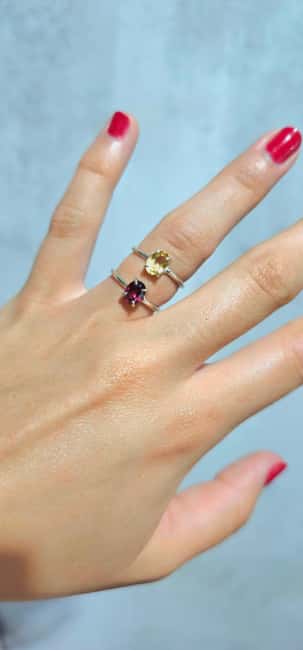
Expect lots of choice. You’ll go through designs and stones and then make decisions about what you want to wear or keep. Many people choose rings, and several accounts mention selecting ring styles and gemstones on-site, then participating in the building process.
One extra value add: you’re getting instruction while you choose, so you’re not stuck in the awkward loop of shopping without context. The family-run team is also described as not pushy about upgrades. You can listen, learn, and still decide only what fits your budget.
And yes, you get a sweet ending. At the end of the experience, you receive a free raw moonstone—not a finished set gem, but a rough one. It’s a nice reminder of the workshop’s “hands-on” theme.
Price and value: what’s included vs what costs extra
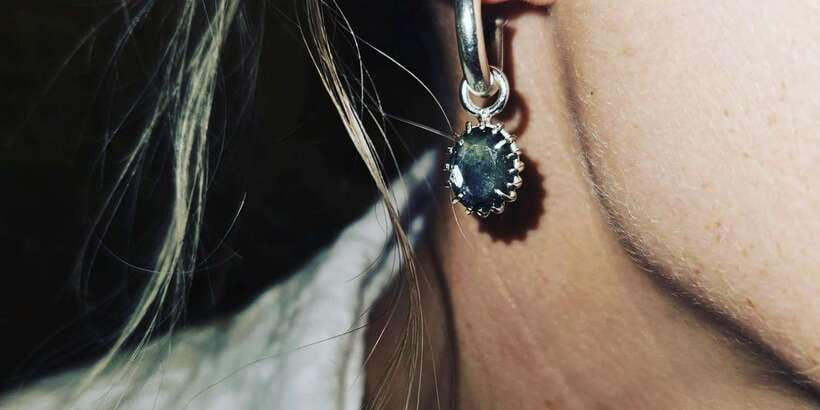
The base price is $16 per person. That covers the jewelry-making lesson and the included rough moonstone. You also get pickup and drop-off by tuk-tuk within a 12 km radius inside the Galle/ Galle Fort/ Unawatuna/ Boossa areas.
What it does not include is the cost of the jewelry itself: gemstones and the metal for the final piece are extra. The workshop is also described as a working demonstration class, meaning you participate, but you still pay for the materials you keep.
Here’s how to keep this from turning into a budget surprise:
- Decide early if you want to make a ring (or another simple piece) and what budget ceiling you’re comfortable with.
- Treat the final payment as part of the craft value, not a random add-on. You’re paying for silver work, the stone, and the labor of setting and finishing.
- Bring enough cash for the day, since one account notes it’s cash only.
On value: multiple experiences point to pricing that felt fair for the level of craftsmanship and the transparent way weight/pricing is checked in front of you. In one case, pricing felt accurate because the team calculated sapphire pricing using the daily rate, not vague estimates. Even if your final choice differs, that kind of process helps you feel in control.
As a rule, I think this is a good deal when you actually plan to buy/keep what you make. If you just want to watch and take photos, you’ll still learn something—but your total spend might feel pointless if you don’t end up with a piece.
The 3 hours: what the timeline feels like in real life
On paper, it’s 3 hours. In practice, you should keep your day flexible. Jewelry work isn’t an assembly line, and you might slow down for questions, stone selection, or repeating a step until it clicks. Some people also take extra time picking their design before starting the metal work.
What happens in that time, step by step:
- You get picked up by tuk-tuk from your hotel area within the defined zone.
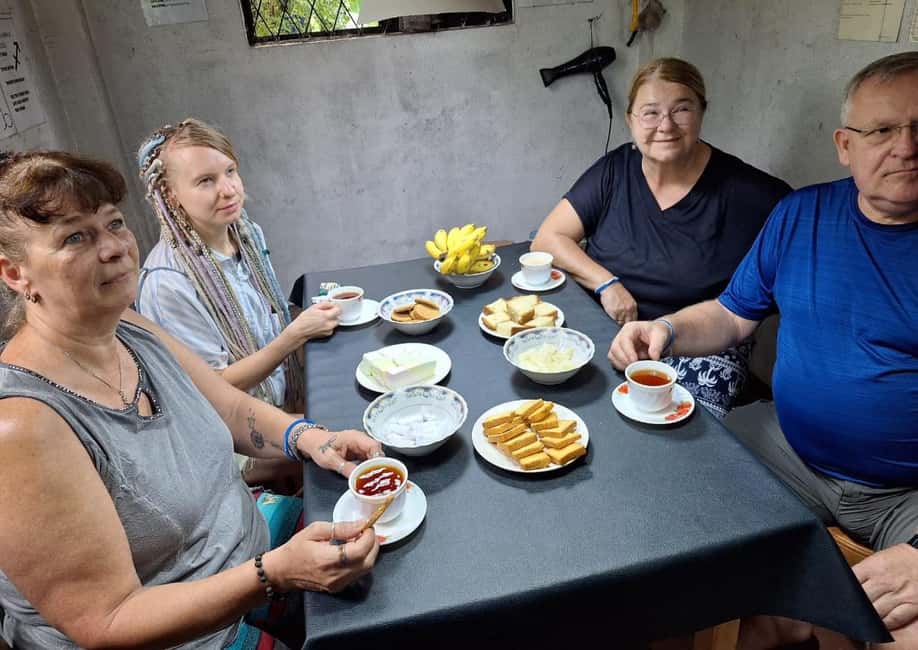
- You arrive, get welcomed with tea/snacks (and sometimes coffee or small sweet treats), and get a short grounding in gemstones and traditional techniques.
- You choose a design and gemstone options.
- Then you do the hands-on part: melting/soldering/hammering/embedding, plus the finishing steps like smoothing and polishing.
- You wrap up with your raw moonstone and return transfer.
One small logistics note that matters: transport can feel a bit “tight” for the ride there in at least one account, and return rides may separate people depending on timing. None of that is unusual for a pickup radius like this, but it’s worth knowing so you don’t plan a rigid next stop.
If you message the host in advance, be aware the team replies only within a short window before the activity date. So once you book, don’t spam follow-up notes right away.





Who should book this workshop (and who should skip)
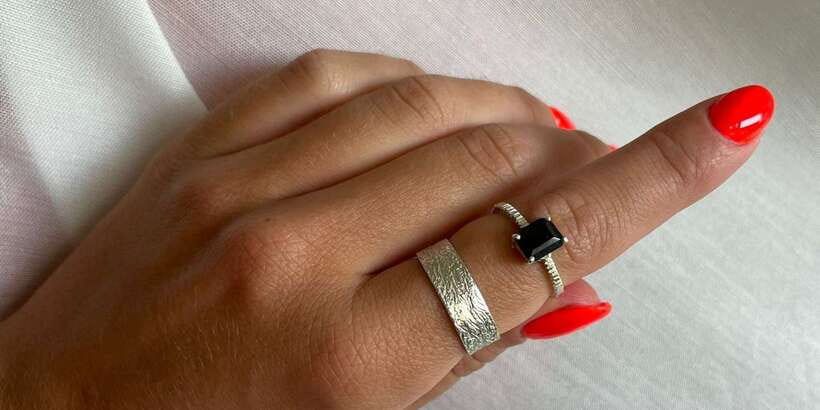
Book this if you want a real hands-on craft in Sri Lanka—not just a lesson you can leave behind. It’s especially good for couples, friends, or families who enjoy making one meaningful item and turning it into a memory. If you like silver jewelry, you’ll get a lot more out of it because the process explains why silver feels different when it’s worked and finished.
You’ll also like it if you enjoy practical learning. The gemstone ID basics and the chance to touch stones gives you more than style inspiration—you gain decision-making tools for the rest of your trip.
Skip (or at least adjust expectations) if you’re hoping the workshop price includes the final ring. Since materials cost extra, you’re basically buying instruction plus a chance to make a custom piece. You need to be ready to spend on the stones and silver if you want the finished item to take home.
Should you book Chandralal Jewelry Works in Galle?
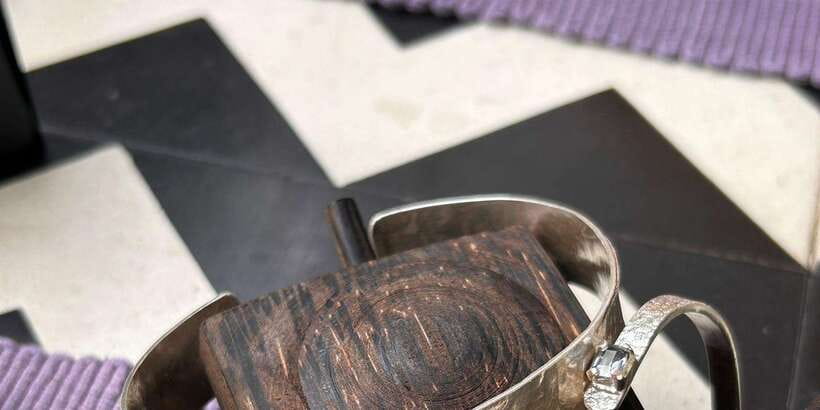
Yes, if you want one of the most hands-on experiences available in the Galle area and you’re willing to budget for the finished piece. The small group size, the direct participation in silver techniques, and the honest gem education make it feel like more than a sales pitch.
I’d book it when you can give it your full attention and not rush the design choices. Go in curious. Ask questions about the stones. Keep your distance from hot tools. And treat the final ring as a craft object you helped create—because that’s what makes it worth it.
FAQ
What does the $16 per person price include?
It includes a jewelry-making lesson, pickup and drop-off within a 12 km radius in the Galle/Unawatuna/Boossa area, and a rough/raw moonstone.
How long is the workshop?
The duration is 3 hours. Starting times vary, so you’ll want to check availability for the specific slot you want.
Can I take home the jewelry I make for the workshop price?
You can take it home, but gemstones and silver (the materials for the piece) cost extra. The class itself is the instruction and participation.
Do I get to choose gemstones and designs?
Yes. You’ll select gemstones and designs during the workshop, and you’ll be able to touch and examine different options.
How does pickup and drop-off work?
Pickup and drop-off are included by private tuk-tuk within 12 km inside the Galle, Galle Fort, Unawatuna, and Boossa area.
Is the workshop taught in English, and is it wheelchair accessible?
The host or greeter speaks English, and the workshop is listed as wheelchair accessible. The group is also limited to 10 participants.