Spice lessons in the middle of Sigiriya are a treat. In Sajee’s Place Cooking Class, Sajeeva and Suzy guide you through Sri Lankan rice-and-curry cooking methods, with time to learn what spices do and why they matter. I especially like that you get to make coconut milk yourself, and you don’t just copy recipes, you learn practical how-to steps you can repeat later. One consideration: the menu includes multiple curries, so if you want meat in every dish, double-check you’re doing the chicken or fish option.
This class also works well for beginners. They explain spices for cooking newbies, including benefits, origins, and tips on how to use them, and the group stays small (up to 10 people).
If you dislike hands-on cooking or strong aromas, this might feel like a lot. You’ll be cooking, smelling, and tasting as part of the lesson, and the pace moves along during the roughly 3-hour session.
In This Review
- Quick hits you will care about
- Why this Sigiriya cooking class is more useful than it looks
- Getting to Sajee’s Place: the No 92 Fourth Mile Post start
- The spice lesson that actually helps: origins, benefits, and practical use
- Coconut milk from scratch: the skill behind many Sri Lankan flavors
- The cooking menu in plain terms: curries, coconut sambol, chicken or fish
- How the class adapts to you: spice level and vegetarian choices
- Timing and pace: what 3 hours feels like in the kitchen
- Eating your results: sharing the meal you cooked
- Price and value: is $35 in Sigiriya fair for all this cooking?
- Who should book Sajee’s Place Cooking Class
- Should you book this cooking class in Sigiriya?
- FAQ
- Where is Sajee’s Place Cooking Class located in Sigiriya?
- How long is the cooking class?
- How much does the class cost?
- What is the maximum group size?
- What dishes will I cook during the class?
- Do we eat the meal at the end?
- How do I contact Sajee’s Place Cooking Class before booking?
- Is free cancellation available?
Quick hits you will care about
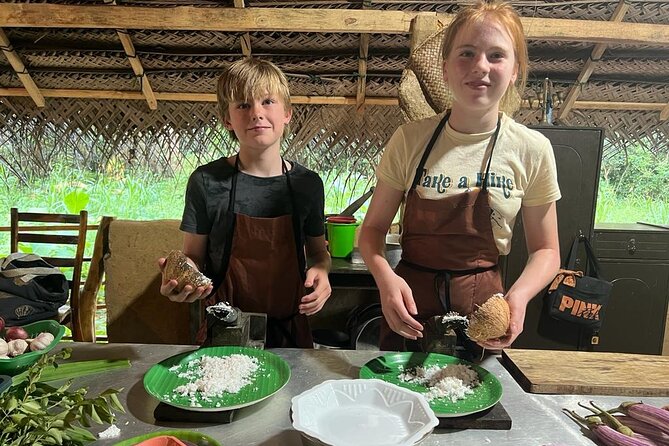
- Small group size (up to 10 travelers): more attention while you cook, and a calmer pace.
- Spices explained with origins and benefits: you learn what to use and how to use it, not just the final flavor.
- Coconut milk made by you: a key Sri Lankan skill, done from scratch during the class.
- A full rice-and-curry spread: you’ll prepare several curries, plus coconut sambol, then eat what you made.
- Vegetarian-friendly options are built in: expect at least some vegetable curries as part of the lineup.
- Easy contact via WhatsApp: you can reach Sajee’s Place by WhatsApp if you want to ask questions before you book.
Why this Sigiriya cooking class is more useful than it looks
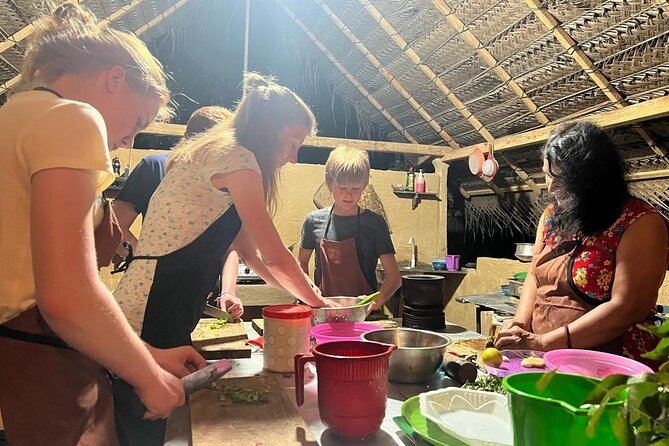
Cooking classes can be hit-or-miss when the focus is just on entertainment. Here, the focus is on learning methods you can repeat at home, which is exactly what you want if you like Sri Lankan food and want it beyond one great meal.
You are also getting a bigger picture than a single recipe. Between spice explanations and multiple curries, you start to understand how Sri Lankan flavors are built: aromatics up front, spices carrying most of the work, and coconut bringing the comfort.
Finally, the small group size matters. With up to 10 people, you are less likely to feel like you are stuck watching while someone else does the real work.
You can also read our reviews of more tours and experiences in Sigiriya.


Getting to Sajee’s Place: the No 92 Fourth Mile Post start
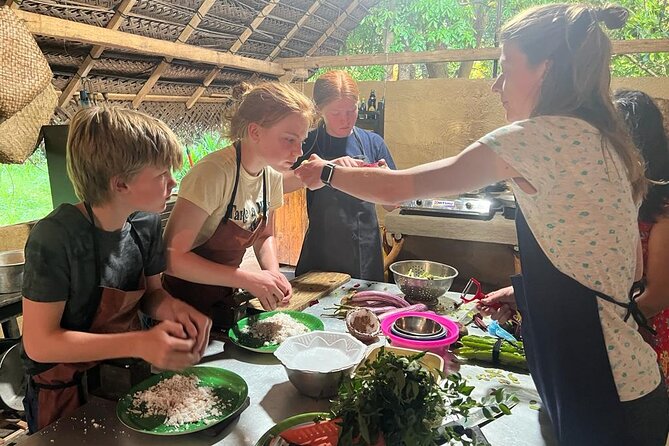
The class begins at Sajee’s Place Cooking Class, No 92 Fourth Mile Post, Sigiriya 21120, Sri Lanka. It ends back at the meeting point, so you are not juggling a long route across town.
It is also listed as near public transportation. That is handy in Sigiriya, where getting around can be a mix of short rides and walking, depending on where you’re staying.
For a smooth start, arrive a few minutes early and come ready to cook. You will likely be doing prep steps and stovetop work soon after you meet.
The spice lesson that actually helps: origins, benefits, and practical use
One of the biggest strengths here is how the class treats spices like tools. You don’t just get a list of ingredients. You learn what different spices are doing, including their benefits and origins, plus tips on how to use them.
That kind of information changes how you cook later. When you know what a spice contributes, you can adjust heat, timing, and intensity without panicking the next time you cook.
You’ll also get direct sensory input. The class includes a chance to taste and smell spices rather than only hearing about them. That helps you connect the aroma to the flavor you will get in the curry.
Coconut milk from scratch: the skill behind many Sri Lankan flavors
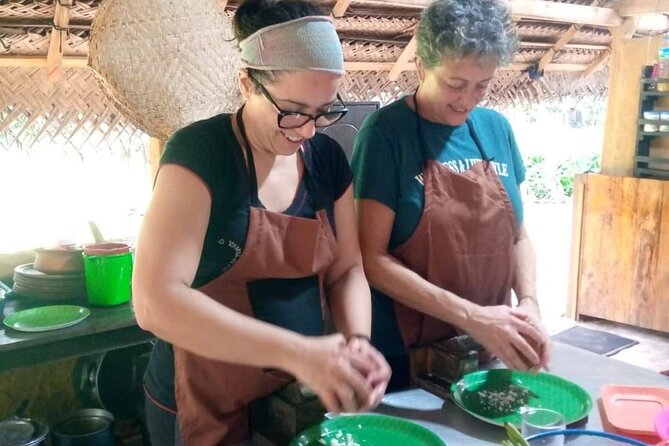
A lot of Sri Lankan cooking depends on coconut. And here, coconut milk is not treated as a shortcut ingredient.
You can expect to make it yourself during the session, which gives you real understanding of texture and flavor. Even if you already cook at home, this is a useful technique to pick up because coconut milk can be tricky to get right if you only ever rely on packaged versions.
Once coconut milk is in the mix, you’ll see how it softens heat, rounds out spice, and creates that classic Sri Lankan “rice-and-curry” comfort. You’ll also understand why some curries feel lighter while others feel thick and deeply spiced.
The cooking menu in plain terms: curries, coconut sambol, chicken or fish
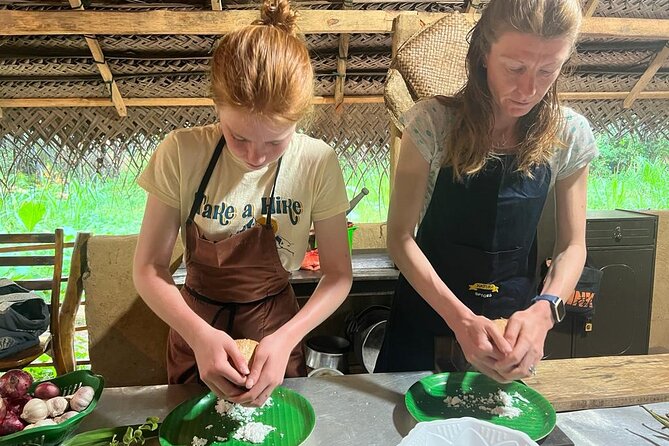
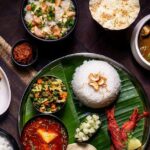
The class is designed around the core Sri Lankan combination of curries and rice. During the session, you will prepare seasonal vegetable curries, coconut sambol, and either a chicken or fish curry.
Based on what’s been prepared in past classes, the vegetable curries can include ingredients like potato, carrot, lentils, pumpkin, and beans or a zucchini-like vegetable. That’s a helpful clue for expectations: you are not just making one plain side. You are making curry after curry, building flavor step by step.
Coconut sambol is another highlight. It is one of those dishes that sounds simple until you experience how much it depends on the right balance of coconut, spice, and seasoning. It also brings freshness and crunch to the meal, which is why it pairs so well with rice and richer curries.
For the animal-based curry, you can choose chicken or fish. That choice is important because it affects how the overall meal feels. Chicken tends to be crowd-pleasing if you want mild richness, while fish can feel brighter and a bit more delicate depending on the curry style.



How the class adapts to you: spice level and vegetarian choices
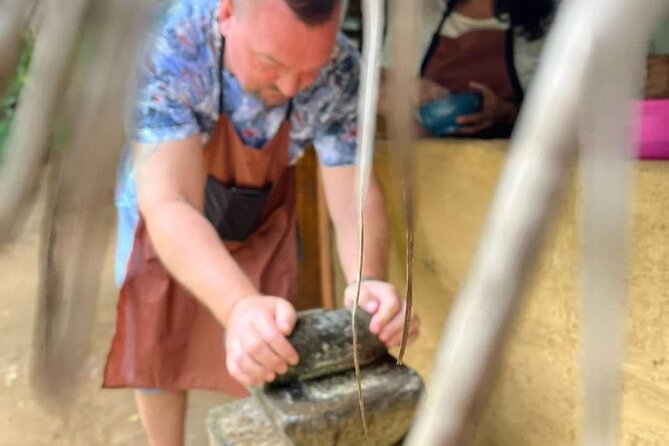
This is not a one-size-fits-all cooking show. The class is set up so you can be part of the cooking process, and they take into consideration whether you want vegetarian dishes or you are a meat eater.
If you’re vegetarian, you are likely to end up with multiple vegetable curries. In at least one past experience, the lineup was mostly vegetarian with just one non-vegetarian curry, which shows the class can flex.
Spice level is also part of the conversation. Even if you love heat, you might not want the same intensity in every pot. The instructors aim to consider how spicy you want things to be, so the meal you eat at the end is more likely to match your taste.
If you are traveling with teens or a family group, this hands-on format is generally a good fit. It gives people something to do instead of only watching.
Timing and pace: what 3 hours feels like in the kitchen
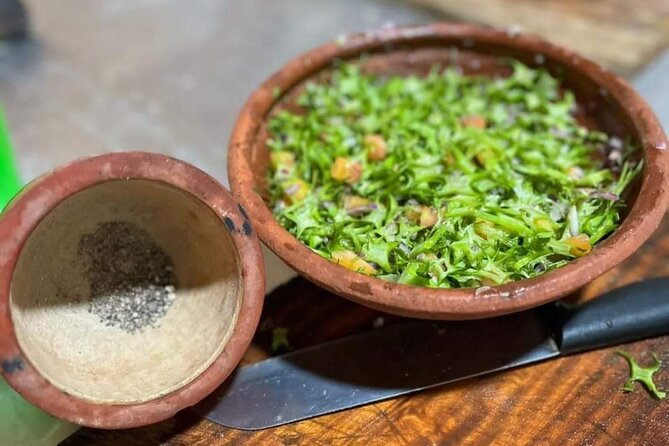
The class runs for about 3 hours. In practice, it can feel like a fast but organized cooking sprint because you are making several dishes in one session.
That pacing is a plus if you are limited on time in Sigiriya. You get a full meal experience and meaningful instruction without needing a whole day.
The trade-off is simple: you need to stay engaged. This is not a sit-and-smile tour. You’ll be active, measuring or mixing, doing prep like basic rice and lentils washing, and moving between curry stations as the cooking continues.
Eating your results: sharing the meal you cooked
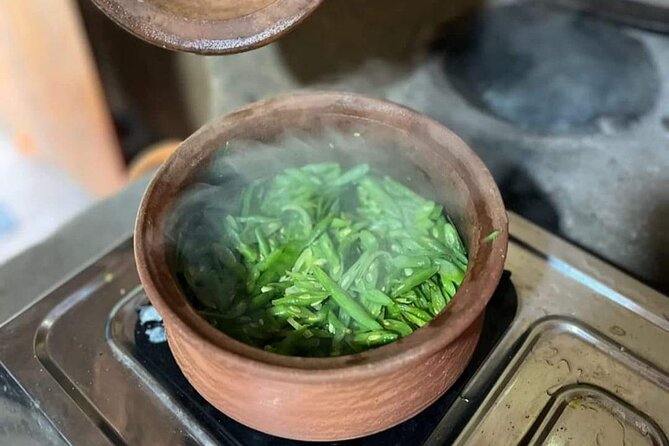
At the end, you eat what you cooked. That might sound obvious, but it matters. You don’t leave with only a list of ingredients; you taste the curry system you just learned.
That also helps you learn faster. You can taste, think, and connect the earlier spice explanations to what’s actually in the pot. If something tastes too strong or too mild, you now understand why.
The meal also tends to feel satisfying in a Sri Lankan way: a mix of coconut richness, spiced depth, and a side like coconut sambol that keeps everything from becoming heavy.
Price and value: is $35 in Sigiriya fair for all this cooking?
At $35 per person, this class is priced like a solid, mid-range activity in a busy tourist area. The value comes from the number of dishes you make and the instruction style.
You are not paying just for one curry. You’re cooking multiple curries plus coconut sambol, and you’re learning spice logic along the way. The ingredient work adds value too, especially with coconut milk made from scratch.
The small group size (maximum 10) and the instructor attention also help justify the price. If you come with friends, there may be group discounts, which can make it even better value.
If you usually pay for a single meal in a restaurant, this can feel like a better deal because it includes both cooking skills and the food afterward.
Who should book Sajee’s Place Cooking Class
Book this if you want:
- A hands-on way to learn Sri Lankan flavors in a short time
- Spice education you can use when cooking at home
- A small-group class run by Sajeeva and Suzy, with a personal feel
- Vegetarian-friendly curries as part of the lineup, plus options for chicken or fish
Consider thinking twice if:
- You dislike strong spice aromas and don’t want to taste and smell spices as part of the lesson
- You want a totally passive experience with no cooking work on your side
- You only want meat dishes and nothing else on the plate (the class includes multiple curries, with vegetarian components built in)
Should you book this cooking class in Sigiriya?
I think it is a strong pick if you want something practical, not just picturesque. For $35, you get a full rice-and-curry meal experience, you learn how spices work, and you practice a key technique like making coconut milk.
If you are unsure about your spice tolerance or dietary preferences, use the WhatsApp contact (0094767419738) to ask before you go. That simple step can help you choose the chicken or fish option that fits your tastes.
FAQ
Where is Sajee’s Place Cooking Class located in Sigiriya?
It meets at Sajee’s Place Cooking Class, No 92 Fourth Mile Post, Sigiriya 21120, Sri Lanka.
How long is the cooking class?
The duration is about 3 hours.
How much does the class cost?
The price is $35.00 per person.
What is the maximum group size?
The class has a maximum of 10 travelers.
What dishes will I cook during the class?
You’ll prepare seasonal vegetable curries, coconut sambol, and either a chicken or fish curry.
Do we eat the meal at the end?
Yes. After cooking, you share and enjoy the meal you created.
How do I contact Sajee’s Place Cooking Class before booking?
You can contact them by WhatsApp at 0094767419738 or by searching Sajee’s Place Cooking Class Sigiriya on Google.
Is free cancellation available?
Yes. You can cancel for a full refund up to 24 hours in advance of the experience start time.