A wood stove and fresh herbs beat any cookbook class. In Sigiriya, you step into the home of Kumara & family to cook a traditional Sri Lankan meal from ingredients to the final plate. The whole setup is organic, with vegetables harvested from their garden and spices made in-house, so it feels both simple and very real.
What I like most is the hands-on pace. You don’t just watch—you help gather ingredients, learn how spices are used, and take part in preparing a multi-dish curry lunch & dinner. I also love the people part: this is a multi-generational family kitchen, and the warmth makes the work feel relaxed instead of rushed.
One consideration: this is hosted at a private rural residence, not a glossy cooking studio. The experience is rustic and practical, so if you expect hotel-level comfort and quiet, that’s probably not the vibe.
In This Review
- Key Things You’ll Notice (Before You Go)
- Why Sigiriya’s Family Kitchen Feels More Real Than Most Cooking Tours
- Finding Kumara & Family Near Sigiriya (and What to Expect There)
- Organic Ingredients and Homemade Spice Lessons in the Garden
- The Wood Stove Workshop: How the Class Likely Moves in Real Time
- Cooking Your Way to a Multi-Dish Curry Lunch & Dinner
- Price and Value: Is $28 Worth It?
- Who Should Book This Cooking Class in Sigiriya
- Practical Tips for a Smooth, Low-Stress Experience
- Should You Book Organic Cooking & Lesson in Sigiriya?
- FAQ
- How long is the organic cooking class in Sigiriya?
- How much does it cost?
- Where does the class take place?
- Is the group size limited?
- What’s included in the experience?
- What’s the cancellation policy?
Key Things You’ll Notice (Before You Go)
- Family kitchen, not a commercial classroom: You’re cooking in Kumara’s home with his family.
- Garden-to-plate organic food: Vegetables are harvested locally from the home garden.
- Homemade spices: Even the spice basics are prepared by the host, not bought pre-mixed.
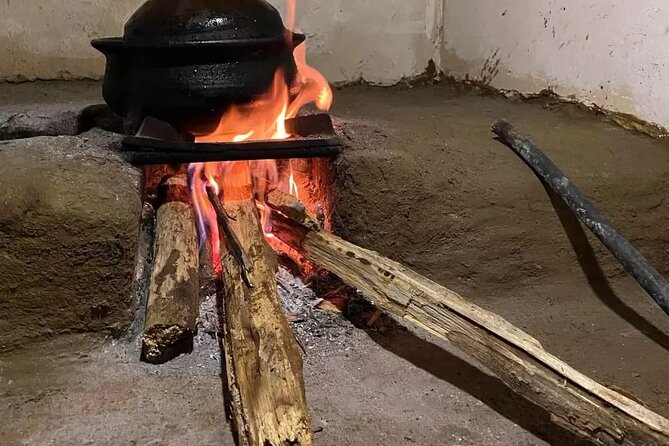
- Wood stove cooking: Expect real cooking heat and a more traditional setup.
- You cook, then you eat: It’s structured around making a curry meal and sitting down to enjoy it.
- Small group size: Max 10 travelers keeps it personal and easier to ask questions.
Why Sigiriya’s Family Kitchen Feels More Real Than Most Cooking Tours
In Sigiriya, most activities try to squeeze history and scenery into your day. This one goes after something more personal: food made the way people actually eat at home. I love that you’re not learning a performance. You’re learning a routine—how ingredients become flavor, and how simple steps create a full meal.
The biggest difference is the sourcing. You’re told the food is organic, and that the vegetables come from the garden. That matters because taste isn’t just about what spices you add; it’s about freshness too. Even if you’ve cooked curry before, you’ll likely notice how different the base ingredients taste when they come straight from the plot.
The other big win is the setting. Cooking at a private residence changes the whole tempo. Instead of a teacher trying to fill a schedule, Kumara & family are running their home kitchen, and you fit into it. You’ll feel why people call this the happiest part of their trip—because you’re invited into daily life, even if it lasts only about 2 hours.
You can also read our reviews of more tours and experiences in Sigiriya.


Finding Kumara & Family Near Sigiriya (and What to Expect There)
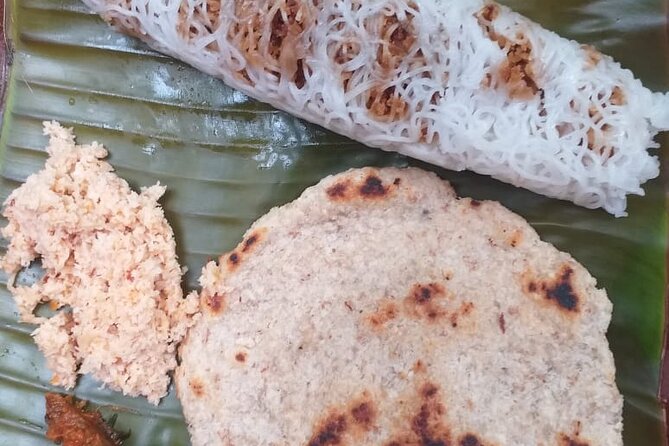
The meeting point is at Organic cooking class sigiriya (kumara & family), 284 kahatagahayaya, kalapuraya, Sigiriya 21120, Sri Lanka. The experience ends back at the same spot, so you’re not dealing with a second pickup or a complicated return.
This matters because it keeps the day simple. You can plan around a short session without losing time to transfers. The class is also capped at 10 travelers, which is a quiet but meaningful detail. Smaller groups usually mean less waiting around and more time with the cook—especially when you’re doing tasks like ingredient prep.
Also note: it’s a private residence near public transportation. If you’re coming from nearby areas, you should be able to connect without it becoming a big ordeal. And if you travel with a service animal, this activity allows service animals, which is a practical plus.
Organic Ingredients and Homemade Spice Lessons in the Garden
A big part of why this cooking class works is that you start with the raw materials. You gather ingredients and learn about Sri Lankan spices as you go. The class specifically highlights that vegetables are harvested from the garden and that the spices are homemade.
Here’s what that means in practice: when spices are prepared in-house, you tend to get a more hands-on understanding of what they smell like before they go into the pot. It also makes the cooking feel less like repeating steps and more like learning flavor logic. You’re not just asked to follow instructions—you learn why a spice is used, and what it contributes to the overall dish.
The garden element adds a second layer. Herbs and vegetables grown on-site often taste more “alive” than produce that’s been stored for days. Even if you can’t measure the difference, your palate will notice it. That’s the difference between tasting a curry and understanding why it tastes like that.
From the reviews, the family also explains not just cooking, but how herbs connect to daily life. One standout theme is that Kumara & family share their knowledge about herbs and taste, and they even talk about natural medication. You may not leave with a medical kit, but you will leave with a deeper respect for how these ingredients fit into the culture.
The Wood Stove Workshop: How the Class Likely Moves in Real Time
The format is simple: you relax at the home, help prepare ingredients, then cook the meal on a wood stove, and finally eat what you helped make. The total duration is about 2 hours.
A short class has a trade-off. There’s less time for long lectures, and you won’t spend hours mastering one single dish. The benefit is that it keeps momentum. You’ll likely feel the flow more than you feel the pressure.
This is the kind of workshop where you benefit from paying attention to small moments:
- how spices are handled before they’re cooked,
- what the family asks you to do when it’s your turn,
- and how the meal comes together across multiple dishes rather than one centerpiece.
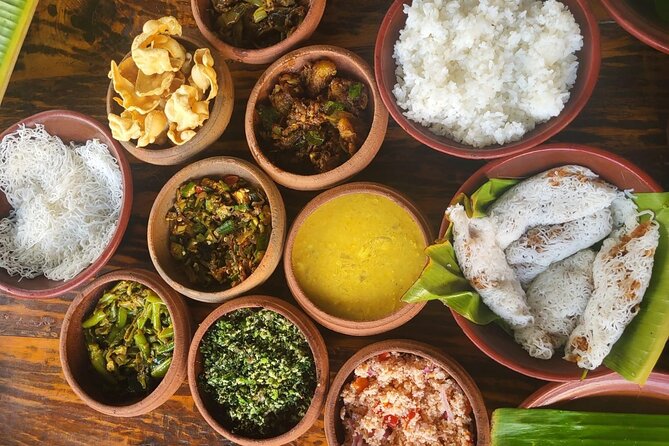
The cooking is described as traditional Sri Lankan and based on a multi-dish curry lunch & dinner. That means you’ll be working toward a table that feels complete, not just a single bowl. The multi-dish approach is a smart way to learn because each dish uses spice and technique differently, even if the ingredients overlap.
Cooking Your Way to a Multi-Dish Curry Lunch & Dinner
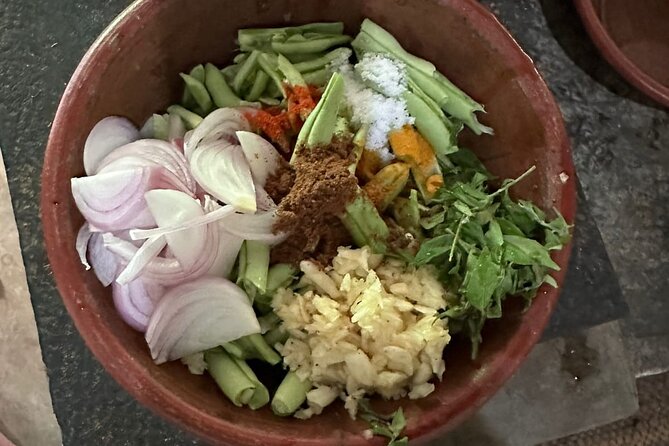
After the garden and spice portion, the kitchen work takes over. You’ll aid in preparing the curry meal, and then you simply sit back and enjoy what you cooked.
I love this setup because it prevents the common “cook for two minutes, eat for ten” problem. You’re involved enough to understand effort and timing, but the meal is still a reward at the end. In other words, you leave with food in your stomach and know-how in your head.
Also, you’re eating at a family home rather than a restaurant dining room. That changes the feel. The meal isn’t just food; it’s part of how the family hosts. Reviews praise the warm welcome and the sense of being treated like part of the home for a while. Even if you’re not speaking much, the tone matters. It makes the experience feel human.
And because spices and vegetables are tied directly to the garden and homemade preparations, the flavors tend to feel coherent. You’re not tasting random dishes. You’re tasting a family-style approach where ingredients and seasoning have been thought through.



Price and Value: Is $28 Worth It?
At $28 for around 2 hours, this class is priced like a small cultural activity, not a big-day tour. The value comes from what’s included in that time.
You get:
- a guided cooking lesson inside a private Sri Lankan home,
- organic vegetables harvested from the garden,
- homemade spices,
- hands-on work with a wood stove kitchen,
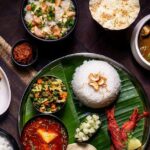
- and the chance to eat a multi-dish curry meal you helped prepare.
If you’ve paid for cooking classes before, you might be used to the “you cook, you eat, then you leave with recipes” formula. This one’s different because the key inputs—garden vegetables and homemade spices—are part of the lesson itself. That means the price is less about the instructor’s time and more about the experience of how ingredients are made and used in a real setting.
The small group limit (max 10) also supports the value. You’re more likely to participate rather than watch from the sidelines.
One small downside to keep in mind: because it’s only about 2 hours, you won’t master every single technique in depth. But for most visitors, that’s a fair trade. You’ll get a strong taste of the process, and you’ll leave hungry in the best way.
Who Should Book This Cooking Class in Sigiriya
This is a great fit if you want:
- a traditional Sri Lankan food experience without fancy staging,
- hands-on cooking rather than passive sightseeing,
- a chance to learn about spices directly from a family kitchen,
- and a smaller, calmer activity during your Sigiriya stay.
You’ll likely enjoy it even more if you like food culture—especially if you’re the kind of person who reads labels, asks how something is seasoned, and pays attention to how fresh ingredients change flavor.
On the other hand, I’d skip it if you want a polished, high-tech classroom vibe. This is rural home cooking on a wood stove. It’s practical, family-run, and warm, but it’s not trying to feel like a modern cooking school.
Practical Tips for a Smooth, Low-Stress Experience
Because you’ll be cooking with a wood stove and working in a home setting, I’d plan to be flexible. You’re joining someone’s daily life for a couple of hours, so approach it with curiosity and a calm mindset.
A few practical notes based on what’s stated:
- You’ll use a mobile ticket.
- You’ll meet at the home address in Sigiriya and return there.
- Expect a small group of up to 10.
- Confirmation happens at booking time.
- Near public transportation, so getting there shouldn’t require complex planning.
- Service animals are allowed.
If you’re the type who likes to ask questions, this is the kind of place where they’ll welcome it. Reviews highlight how much the family shares about herbs, taste, and their way of life. That’s the best part to lean into: ask what something is used for, and listen closely to the explanations.
Should You Book Organic Cooking & Lesson in Sigiriya?
If you’re choosing between another tour stop and a short cooking experience, this one is a smart pick. For $28, you’re buying more than a meal. You’re buying access to a home kitchen where organic ingredients and homemade spices are the lesson.
I think it’s especially worth it when you want your Sigiriya trip to include something that goes beyond photos—something you can taste and remember. The warmth of Kumara & family comes through strongly, and the focus on real ingredients (garden produce, homemade spices, wood stove cooking) makes it feel authentic rather than scripted.
So yes, I’d book it—just go in with the right expectations. Expect hands-on cooking, family hosting, and a rustic setup. If that sounds like your kind of day, you’ll likely leave with a full belly and a better understanding of Sri Lankan flavors.
FAQ
How long is the organic cooking class in Sigiriya?
It lasts about 2 hours (approx.).
How much does it cost?
The price is $28.
Where does the class take place?
You meet at Organic cooking class sigiriya (kumara & family), 284 kahatagahayaya, kalapuraya, Sigiriya 21120, Sri Lanka, and the activity ends back at the meeting point.
Is the group size limited?
Yes. The activity has a maximum of 10 travelers.
What’s included in the experience?
You learn to prepare a traditional Sri Lankan meal with organic ingredients from the garden and homemade spices, you help with the preparation of a multi-dish curry lunch & dinner, and you then eat the meal.
What’s the cancellation policy?
You can cancel for a full refund up to 24 hours before the experience’s start time. Confirmation is received at booking time, and the tour uses a mobile ticket. Service animals are allowed, and the location is near public transportation.