Cooking in Sigiriya’s garden is a fast way to learn. You’ll spend time in Kumara & family’s organic home setup, then cook and eat a multi-dish Sri Lankan meal with herbal tea and lots of spice know-how. Two things I really like: the farm-to-table garden tour that explains what you’re about to cook, and the hands-on pace that gets you chopping, preparing, and cooking rather than just watching. One thing to keep in mind: you’ll be working in an outdoor, countryside setting, so bring sun protection and plan around the weather.
In This Review
- Hands-on, organic, and very practical
- Key highlights you’ll feel right away
- A Private Organic Kitchen in Sigiriya’s Countryside
- Meet Kumara & family at the start point
- Walking the organic garden: where your dinner begins
- Spice prep the traditional way (and why it changes everything)
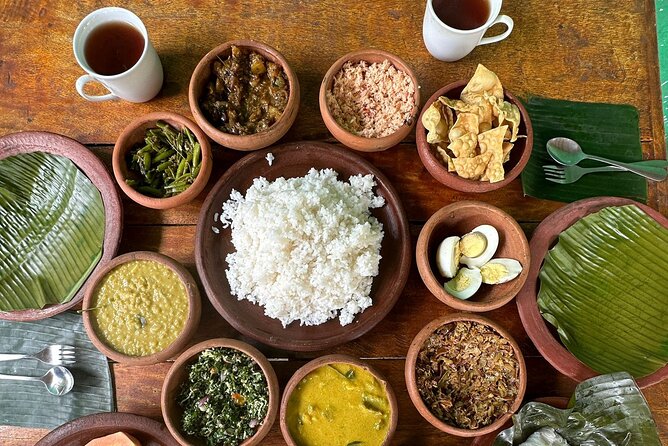
- Cooking the Sri Lankan dinner: curries, sambal, and sides
- The traditional table setup: how you eat matters
- Meal included: herbal tea, water, and what to bring
- Price and value: why $28 is fair here
- Who this class suits best (and who might prefer something else)
- Tips to get the most out of your class
- Should you book Organic cooking class Sigiriya (Kumara & family)?
- FAQ
- Where is the meeting point for Organic cooking class sigiriya (Kumara & family)?
- How long does the cooking class last?
- Is this class private?
- What food and drinks are included?
- Do I cook during the class or just watch?
- Is the cooking done with organic ingredients?
- Will I get recipes to take home?
- What is the cancellation policy?
- What happens if weather is poor?
Hands-on, organic, and very practical
This isn’t a vague cooking show. It’s a traditional how-to lesson focused on curries, spice prep, and the way a Sri Lankan dinner table gets arranged. I also like that you can get recipe guidance you can use later, not just a full stomach. The main drawback is simple: for $28 you’re paying for a small, personal experience, so the menu and timing can vary a bit depending on what’s ready in their garden that day.
Key highlights you’ll feel right away
- Organic garden tour before cooking: you see the ingredients growing on site and learn what they’re used for
- Traditional spice preparation: you’ll learn how spices are handled in a Sri Lankan kitchen style
- Hands-on curries and accompaniments: you’ll cook along with tips, not just observe
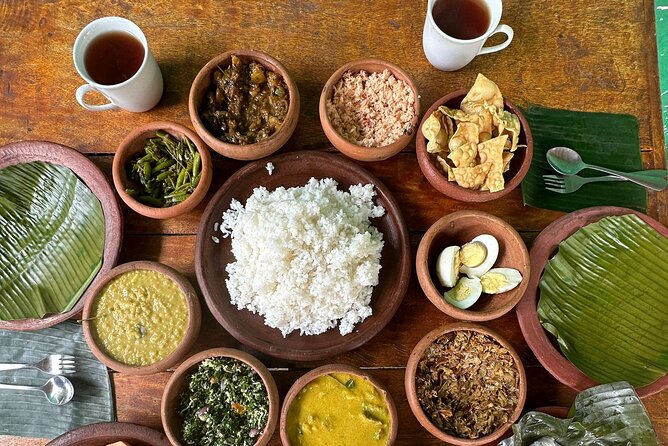
- A full dinner table setup: you’ll learn how the meal is arranged and served at home
- Hot herbal tea with the meal: warm tea to finish the experience comfortably
You can also read our reviews of more tours and experiences in Sigiriya.


A Private Organic Kitchen in Sigiriya’s Countryside
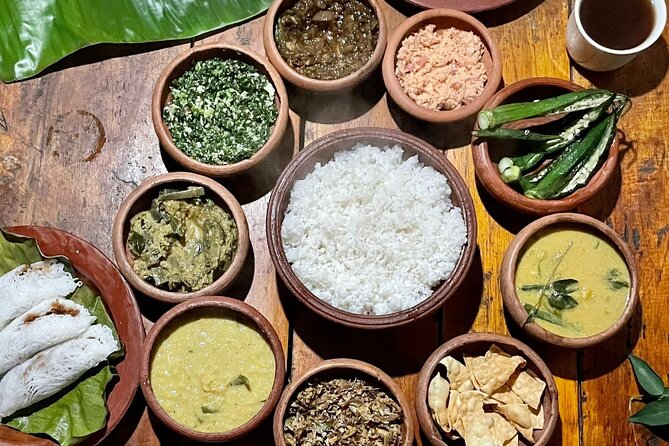
This workshop is set up as a private, half-day cooking lesson in Sigiriya—hosted in the home of a local family. The setting matters here. Instead of cooking in a studio kitchen, you’re cooking in a real family space where the day’s food starts with what’s growing.
It runs about 2 hours 30 minutes (approx.), and it ends back at the meeting point. You’ll get a mobile ticket, which makes the whole thing feel light and easy. More importantly, the class is organized around a true Sri Lankan dinner flow: garden → ingredient prep → curry cooking → dinner table arrangement → eating together.
If you’re visiting Sigiriya and you want something more meaningful than another restaurant meal, this is the kind of activity that gives you context. You don’t just taste curry—you learn why it tastes that way, right down to spice prep and ingredient quantities.
Meet Kumara & family at the start point
The class starts at Organic cooking class sigiriya (kumara & family), 284 kahatagahayaya, kalapuraya, Sigiriya 21120, Sri Lanka. From there, you return to the same meeting point at the end.
Most of the value is in the time you spend with the family. They’re the ones walking you through the garden, guiding you through spice work, and helping you cook the dishes in their style. If you want to get there without stress, you can ask about transport options. Several people note that the host can help arrange a tuk-tuk to and from the location.
Practical tip: if you’re sensitive to heat, plan to arrive ready to spend time outdoors right away. The garden visit comes early in the experience, and you’ll likely be standing and walking around.
Walking the organic garden: where your dinner begins
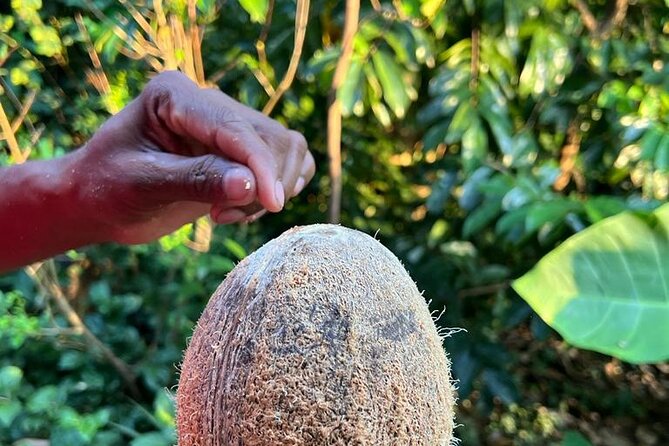
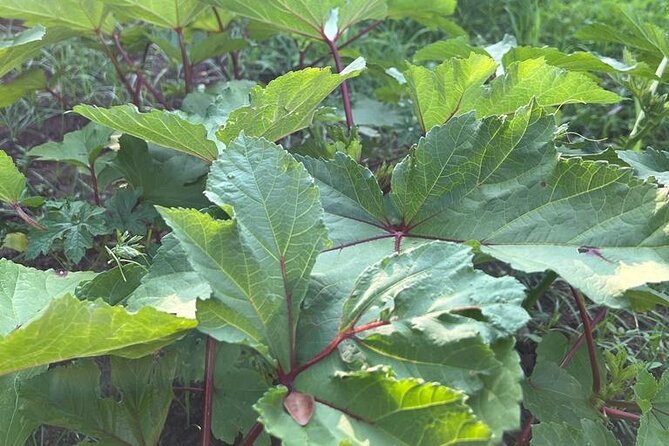
The first stage is a garden tour, and it’s one of the most praised parts of the whole experience. You’ll go through the family’s organic growing area and learn about the plants and herbs used in Sri Lankan cooking. You also get helpful background on traditional herbal and ayurvedic-style eating, not in a lecture tone, but in the way families naturally explain why a plant matters.
From the cooking side, this garden walk is more than scenery. It gives you real context. You’ll see (and then use) the vegetables that later turn into curries and sides. It also helps the spice lesson land better, because you connect ingredients to meals you’ll actually cook.
One detail I think matters for value: the family doesn’t rush this part. When hosts slow down to explain, it tends to lead to better cooking results later because you understand what you’re doing.
Spice prep the traditional way (and why it changes everything)
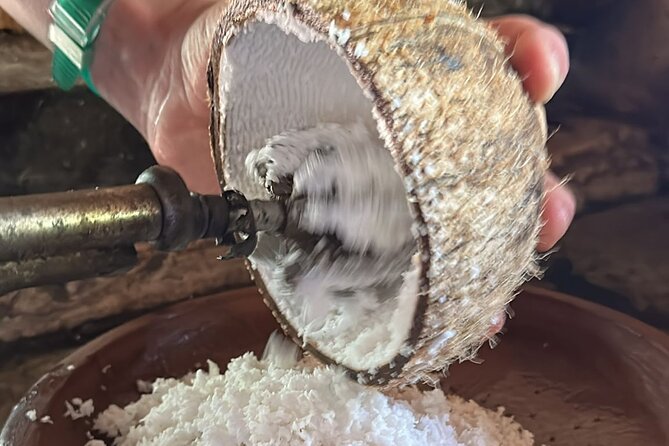
After the garden, the focus turns to spices and how they’re prepared traditionally. You’ll learn how spices are processed and used in curry making, and you’ll also hear about the ingredients and spices used in the dishes.
In practice, this is where a cooking class either helps you cook later—or becomes a one-night show. Here, the emphasis is on the process: how spices are prepared, how ingredient quantities are handled, and how curries come together in a Sri Lankan style.
Many guests note that they start preparing things together—chopping and organizing—then move into cooking over heat sources set up for home-style cooking. One common highlight is the outdoor kitchen feel, including cooking over wood-fired flames. Even if you’ve cooked curry before, this type of environment helps you notice flavors differently.
If you love food science, you’ll still enjoy this. If you just want dinner to taste great, you’ll also benefit—spice prep affects aroma fast.



Cooking the Sri Lankan dinner: curries, sambal, and sides
This is a multi-dish lesson. You’ll get an introduction to the curries cooked and how they’re cooked, plus a guided experience cooking with tips. The exact number of dishes can vary, but the common menu pattern is curries plus accompaniments.
A few dishes that show up in this experience across common class sets include:
- Curry dishes like dhal (lentil curry) and vegetable curries such as aubergine and pumpkin
- A spicy sambal type component
- String hoppers (sometimes called hopper preparation or string hopper style in classes)
- Dessert that finishes the meal
Some people also mention coconut rotis being part of the experience, and others mention making a larger spread—like multiple curries in one night. That variation can actually be a plus. It means the menu can reflect what’s fresh in their garden.
A key value point: you aren’t only sampling. You’re doing the prep and cooking. The family assigns tasks, keeps the pace friendly, and makes sure you understand what you’re adding and why.
Also, because so much is garden-grown and organic, you taste a difference in freshness. That may sound obvious, but it’s noticeable when you’re using ingredients that were likely picked close to cooking time.
The traditional table setup: how you eat matters
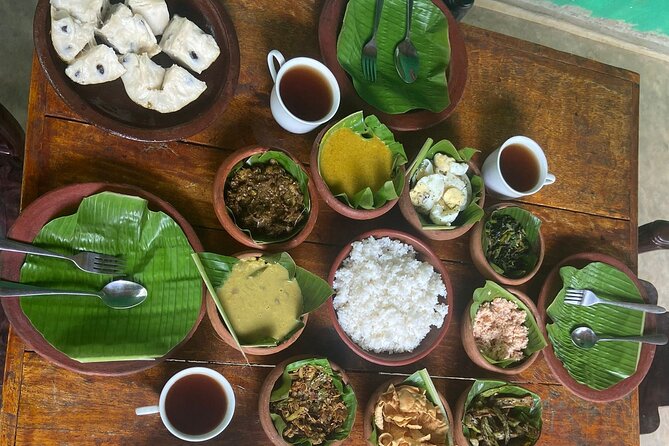
After cooking comes the part that makes this feel like culture, not just food: the dinner table is arranged in a traditional Sri Lankan way. You’ll learn how the meal is set out and how the table arrangement works, then you get to enjoy the food as a full evening meal.
This matters more than people think. How dishes are grouped and how you move through the meal shapes what tastes balanced. With curry dinners, the order and placement can change the flavor experience—especially when there’s a spicy sambal, a starchy side like string hoppers, and multiple curries on the table.
If you’re the kind of traveler who likes to understand how locals actually eat at home, this stage is a real payoff. It’s also a sweet moment because you’re eating what you cooked, together.
Meal included: herbal tea, water, and what to bring
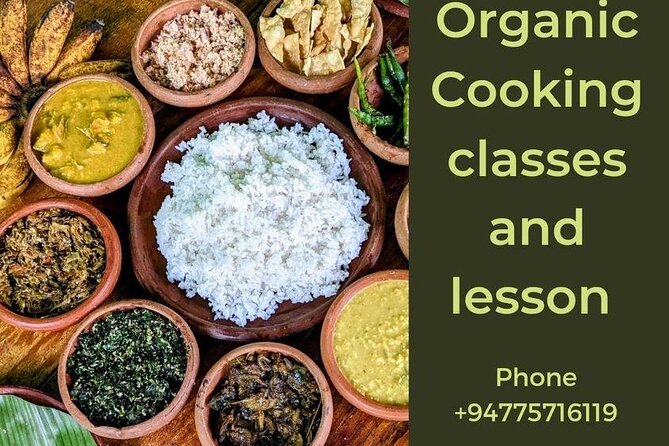
You’ll eat a freshly prepared evening meal with bottled water and herbal tea. That’s the official setup.
At the same time, one practical note from guest feedback is worth listening to: some people say they didn’t get bottled water in the way they expected, and that hot tea and tap water were offered instead. Because of that mismatch, I’d treat this as a comfort issue rather than a dealbreaker.
What I recommend you do:
- Bring your own bottled water if you like to stay extra hydrated in the heat
- Wear something breathable for garden time and cooking time
- Bring sunscreen and a hat, since the experience starts outdoors
The herbal tea is a nice finish. It helps cool you down after spice work and cooking heat.
Price and value: why $28 is fair here
At about $28 for roughly 2 hours 30 minutes, this is priced like an experience, not like a tour bus meal upgrade. For the money, you’re getting several things that normally cost more if bought separately:
- A garden walkthrough that’s tied to the ingredients you’ll cook
- Spice prep instruction in a traditional style
- Hands-on cooking time with guidance
- A full meal with herbal tea (and water)
And you’re not paying extra just for someone to bring you to a restaurant. The value is in the workflow: you learn, cook, and eat in one place with one family.
One more value angle: many reviews describe the ingredients as fully organic, grown on site. If that’s accurate for your booking (it’s consistently described that way), you’re paying less than you would for organic produce or cooking classes in more commercial settings.
Who this class suits best (and who might prefer something else)
This workshop is a strong match if you:
- Want authentic Sri Lankan cooking beyond what you get at restaurants
- Like hands-on experiences where you touch ingredients and learn process
- Enjoy food culture details like table arrangement and how meals are served at home
- Care about organic sourcing and the idea of ingredients coming from the garden
It may be less ideal if you:
- Hate outdoor heat or standing/walking for the garden tour
- Want a fast, fully indoor, timed-to-the-minute class
- Are looking only for vegetarian or only for meat-based cooking—this class focuses on traditional Sri Lankan dinner spreads, and menus can vary
Still, even for picky eaters, you’ll likely find something you enjoy because the experience is structured around balancing curries, sides, and a final dessert component.
Tips to get the most out of your class
A few small moves can make your evening smoother:
- Ask how the spice blends and quantities work, not just what the dish is. That’s the part you’ll reuse later.
- If you’re sensitive to heat or strong smells, tell the family early. They’re good at adjusting tasks.
- Take notes while you’re cooking. Even if recipes are shared afterward, writing a couple key steps helps you cook the same dish at home.
- Bring water (see above) so you can focus on cooking instead of thirst.
Some guests also mention receiving detailed recipes afterward. If that’s part of your session, take advantage and request written guidance for the dishes you enjoyed most.
Should you book Organic cooking class Sigiriya (Kumara & family)?
Book it if you want a real food education in Sigiriya—one that starts in the organic garden and ends with you eating the dinner you helped make. The best part is that it’s hands-on and practical: spice prep, curry cooking, traditional table setup, then an actual meal you can talk about later.
Skip it only if you strongly dislike outdoor, family-style settings or you need a strictly indoor experience. Otherwise, for $28, this is exactly the kind of intimate activity that makes your time near Sigiriya feel personal instead of packaged.
FAQ
Where is the meeting point for Organic cooking class sigiriya (Kumara & family)?
The start point is Organic cooking class sigiriya (kumara & family), 284 kahatagahayaya, kalapuraya, Sigiriya 21120, Sri Lanka. The activity ends back at the meeting point.
How long does the cooking class last?
It’s listed as approximately 2 hours 30 minutes.
Is this class private?
It’s described as a private, half-day organic cooking workshop.
What food and drinks are included?
You’ll enjoy a freshly prepared evening meal, along with bottled water and herbal tea.
Do I cook during the class or just watch?
You cook. The experience includes ingredient and spice introductions, preparation guidance, and then cooking with tips.
Is the cooking done with organic ingredients?
Yes. The workshop focuses on organic ingredients, including garden vegetables, and the experience is described as organic.
Will I get recipes to take home?
Some guests mention receiving recipes afterward, with details to help you recreate the dishes later.
What is the cancellation policy?
Free cancellation is offered. You can cancel up to 24 hours in advance for a full refund.
What happens if weather is poor?
This experience requires good weather. If it’s canceled due to poor weather, you’ll be offered a different date or a full refund.