That first splash of sunrise makes the whole trip feel like a win. This whale watching outing with Whale Watching Club (WWC) runs from Mirissa at 6:00am on their luxury catamaran, the Queen Whale, with early-morning time on the water, snacks onboard, and a mid-trip swim stop. It’s built for comfort too: they cap the group at 45 passengers even though the boat can carry far more.
Two things I like a lot are the clear expectation-setting (you get 90% dolphin odds and 50% whale odds), and the way the crew tries to keep the wildlife experience respectful. The one consideration is simple: you’re on the ocean, so you may not see whales every time, and the boat can roll—plan for seasickness if you’re sensitive.
In This Review
- Key highlights to know before you go
- Mirissa at 6:00am: what the early start buys you
- Queen Whale catamaran: comfort, space, and why it matters for viewing
- What you’ll see: whales, dolphins, and the “sometimes it’s just dolphins” reality
- The planned swim: your 30-minute sea bath stop
- Snacks, breakfast, and the onboard rhythm that keeps energy up
- Ethical whale watching in practice: distance, patience, and no chasing
- Price and value: is $55 fair for Mirissa?
- Seasickness reality check: the one thing you should plan for
- Who this tour is best for in Mirissa
- Should you book Whale Watching Club in Mirissa?
- FAQ
- What time does the whale watching tour in Mirissa start?
- How long is the tour?
- How many people are on the boat?
- Is whale sighting guaranteed?
- What food and drinks are included?
- Is there swimming during the tour?
Key highlights to know before you go
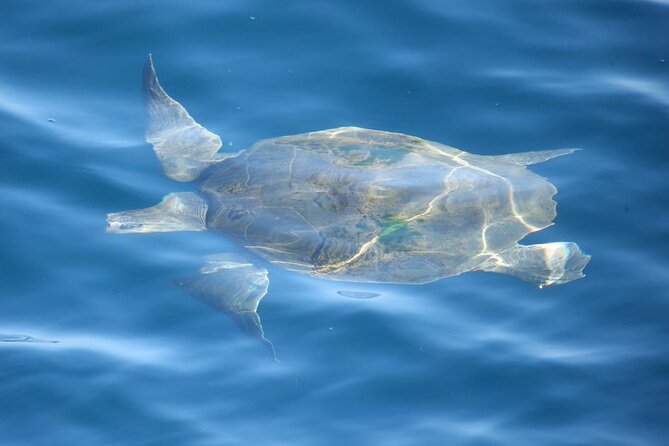
- Queen Whale luxury catamaran: 60ft long, 20ft wide, fast cruising (up to 13 kt) with twin Yamaha 385hp engines
- Small group by design: only 45 passengers for a more comfortable viewing deck
- Realistic wildlife odds: 50% whales and 90% dolphins in the Mirissa area
- Food and drinks onboard: tea/coffee when you step aboard, plus breakfast and later snacks
- A planned sea bath: stop mid-tour for about 30 minutes of swimming—bring the right clothes
- Ethics message is front and center: WWC emphasizes distance and says they don’t chase whales
Mirissa at 6:00am: what the early start buys you

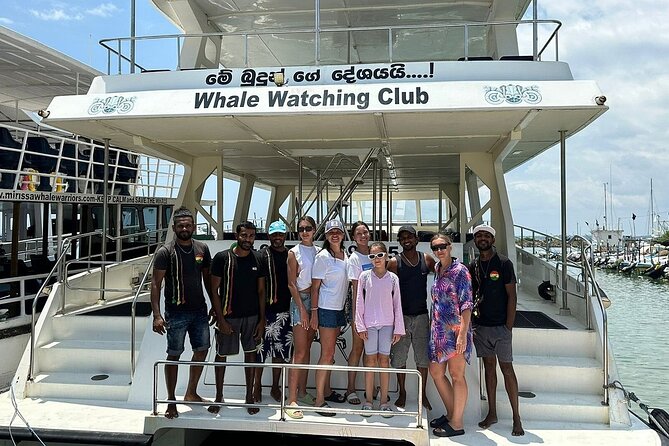
Mirissa whale watching is one of those activities where timing matters more than you expect. WWC meets at Whale Watching Club, Harbour Road, Mirissa (81740) and heads out at 6:00am, returning to the same spot when the trip ends. The early departure helps you get more calm, more “fresh” wildlife energy, and fewer crowds pressing onto the rail at the same time.
This trip is also built around time on the water, not just a quick loop. With the tour clock running around 5 hours (approx.), you’re not rushed into and out of the best marine viewing window. That matters when whales are around unpredictably. You can feel the philosophy in how the crew runs the day: they look hard, but they’re not turning your morning into a chaotic stampede.
You can also read our reviews of more tours and experiences in Galle.


Queen Whale catamaran: comfort, space, and why it matters for viewing
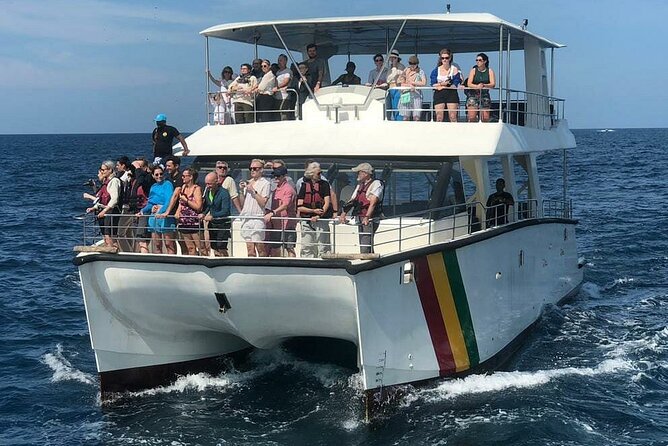
WWC’s main boat is the Queen Whale, described as a 60ft x 20ft luxury catamaran. It’s powered with two Yamaha 385hp engines and can cruise at about 13 knots. That’s a practical combo: speed helps when spotting conditions change, and the catamaran shape generally gives more stable deck time than a small skiff.
The bigger “value” piece here is how they handle capacity. Yes, the boat can facilitate up to 150 passengers, but WWC intentionally limits tours to 45. That translates into:
- more room to move around for photos and viewing
- easier access to the railing without shoulder-to-shoulder crowding
- a better flow when the crew stops for the sea bath and needs space for everyone to get ready
In the feedback you’ll hear repeatedly, the boat feels clean and well kept, and the passenger setup feels less cramped than what you might see on other departures.
One heads-up: even a catamaran rolls when the sea is lively. Several people note that if you’re prone to seasickness, you should treat this as a real possibility, not a maybe.
What you’ll see: whales, dolphins, and the “sometimes it’s just dolphins” reality
WWC is unusually upfront about viewing odds. For the Mirissa area conditions they describe, the whale sighting chance is 50%, and dolphin sightings are 90%. That means you should plan your expectations around dolphins first, whales second.
When the dolphins show up, it’s usually the kind of moment that makes the whole morning feel like it’s working—even if whales don’t appear. In multiple accounts, people describe pods of dolphins, sometimes in big groups, with the animals playing and moving through the water as the boat finds their path.
If you’re lucky, you’ll also get whale sightings. The notes mention things like fin whales and in some trips, even larger whale types. The key point isn’t the species name—it’s the feeling of seeing big animals in their own rhythm: surfacing, moving, and breathing on schedule, without anyone turning it into a human performance.
Also, WWC’s captain Manoj is mentioned as having extensive experience in the southern Sri Lankan waters—over 25 years sailing there and 13 years captaining whale watching boats. That kind of local familiarity matters because the ocean is a big place. “Finding” isn’t just luck; it’s pattern reading, timing, and knowing where to look next.
The planned swim: your 30-minute sea bath stop
Halfway through the tour, the boat stops in the sea for about 30 minutes for a sea bath. This is one of the best parts of the morning because it gives you a break from just standing on a rail with wind in your face.
The practical detail: bring the necessary clothes for the swim. That means swimwear you can actually move in, and something to rinse or change into if you’ll be headed elsewhere after the tour. Also consider how you’ll handle sun and salt—Mirissa mornings can feel bright fast.
Some people describe swimming as a highlight even when whales are not spotted. The swim doesn’t pretend it’s a swim-with-animals moment, and the descriptions emphasize that it’s simply a chance to cool off and enjoy the open sea.
If you’re thinking about it like a “why pay for a boat tour when I could just sit by the beach?” answer: this swim stop is the difference between a passive viewing activity and an experience that actually touches the water.
Snacks, breakfast, and the onboard rhythm that keeps energy up
Food is included, and WWC runs it in a smart way: you’re not left hungry on a long morning out at sea. The tour includes tea and coffee right after boarding. Then you’ll get breakfast while sailing, plus fruit and soft drinks or additional snacks later.
This matters because whale watching can turn into long stretches of waiting. When you’re calm, warm, and fed, you can stay patient for the wildlife. When you’re seasick or underfed, even a great sighting can feel like a blur.
One more practical win: people also note seasickness tablets being available, plus staff checking in and helping during rough patches. Still, don’t treat that as a guarantee that you won’t feel motion. If you’re sensitive, bring your own prevention too.






Ethical whale watching in practice: distance, patience, and no chasing
WWC’s ethics message is clear: they say they don’t chase whales and they’re focused on letting animals continue natural behavior without disturbance. They also talk directly about misunderstandings—some people blame whale watching boats for stress to wildlife, and WWC’s response is essentially: we want to see whales without hunting them or forcing encounters.
You can see this emphasis in the way people describe the distance the boat keeps and how other boats may get closer. While you shouldn’t expect every operator on the sea to behave identically, the consistent praise for WWC is about respect for the animals and a calmer approach to spotting.
Also, when a whale is sighted, multiple boats can converge. WWC’s approach is described as staying focused on natural behavior, not on racing each other for proximity. That’s the part that turns “whale spotting” into “wildlife watching.”
If ethics matter to you, this is one of the main reasons to choose WWC over a cheaper option.
Price and value: is $55 fair for Mirissa?
The price is $55 per person, and the best way to judge value is what you actually get for that morning.
Here’s what’s included based on the tour info:
- boat time for about 5 hours
- tea and coffee upon boarding
- breakfast while sailing
- snacks and drinks later
- a mid-tour sea bath stop
- a small-group setup (cap 45 passengers)
- a boat designed for comfort and visibility (catamaran, ample viewing space)
Now the honest part: $55 does not buy you a guaranteed whale. WWC is explicit that whales are a 50% chance in their stated conditions. But dolphin sightings are 90%, and dolphins are often the animal that shows up consistently and keeps the day exciting.
So the value logic looks like this: you’re paying for a well-run morning on a comfortable boat, with food and a swim, plus a serious effort to spot whales. If whales happen, it’s a bonus upgrade. If not, you still get an experience that’s not just a long ride and a hope.
Seasickness reality check: the one thing you should plan for
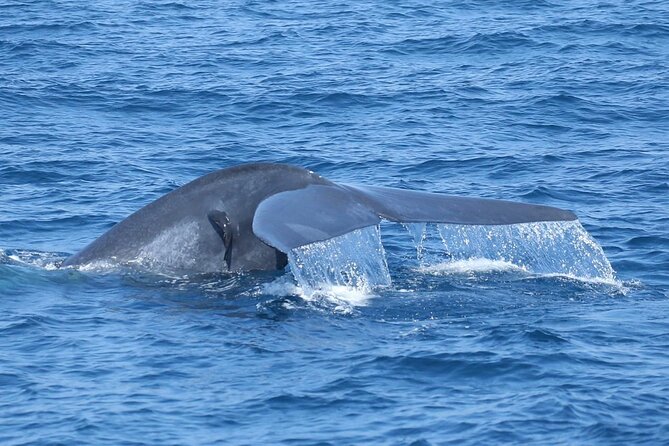
Even with a stable catamaran, ocean motion can surprise you. Multiple notes include a warning that the boat rolls, and a few people say they were affected more than expected. WWC provides seasickness tablets, and some passengers say the tablets worked well—others still recommend taking something on your own before you go.
My practical advice:
- If you’ve ever felt sick on boats, take prevention before boarding.
- Wear something you can move in for the swim stop.
- Keep water nearby, even if you’re not thirsty yet.
Don’t let this scare you away. Just treat it like you would on a long ferry: prepare, and you’ll enjoy more of the ride instead of bracing for it.
Who this tour is best for in Mirissa
WWC works well if you:
- want ethics-minded whale watching with a smaller group
- prefer a smoother passenger layout (only 45 instead of a full-to-the-walls boat)
- care about more than whales—dolphins are almost the “safe bet” here
- like having a swim stop instead of a purely viewing-only tour
- want a morning with built-in comfort: tea/coffee, breakfast, snacks
It might be less ideal if you:
- need a guaranteed whale sighting (the tour itself sets expectations at 50%)
- are very seasickness-prone and can’t take motion seriously
- want a long, beach-like day rather than a set 5-hour ocean schedule
Should you book Whale Watching Club in Mirissa?
Yes, if you want a well-organized Mirissa whale watching trip that treats wildlife carefully and gives you a full morning on the water—even when whales don’t show up. The small group size and the food-and-swim structure are strong reasons to pick WWC instead of a “just get on a boat” style tour.
But book with the right mental checklist. You’re buying a chance, not a contract for whales. Dolphins are the most consistent payoff, and the crew’s job is to look hard and behave respectfully while they do it.
If you’re the type who can enjoy the ocean as much as the animals, you’re exactly their target traveler.
FAQ
What time does the whale watching tour in Mirissa start?
The tour starts at 6:00am and meets at Whale Watching Club, Harbour Road, Mirissa (81740).
How long is the tour?
The duration is about 5 hours (approx.), and it ends back at the same meeting point.
How many people are on the boat?
WWC keeps the group capped at a maximum of 45 travelers.
Is whale sighting guaranteed?
No. WWC states 50% chance of whale sightings and 90% chance of dolphin sightings under local conditions.
What food and drinks are included?
You’ll get tea and coffee when you board, plus breakfast and snacks and drinks during the tour.
Is there swimming during the tour?
Yes. WWC stops mid-tour for about 30 minutes for a sea bath. Bring the necessary clothes for swimming.