Fresh curry starts with coconut milk. That’s the heart of this private Sri Lankan cooking class in Negombo, where you learn hands-on from a local in a family home setting. I love that it’s not a lecture and not a show. It’s practical cooking and you get to eat what you make.
Two things I really like: you’ll learn the Sri Lankan basics step-by-step (including coconut milk) while also choosing your own vegetables for curry, and you finish with dinner plus traditional dessert. The main drawback to consider is that this experience can be weather-dependent, so you’ll want flexibility in your schedule.
Because it’s private, it’s also a great fit for groups who want a quieter, slower pace than bigger classes—but if you strongly prefer a printed recipe you can follow like a cookbook, this style may feel a bit more hands-on than you expect.
In This Review
- Key points before you book
- A private Sri Lankan cooking class in Negombo, built around real home food
- From tea or coffee to coconut milk: the lesson starts fast
- Picking vegetables and chopping like a home cook
- Sri Lankan spices and herbs: learn what you’re tasting
- Cooking the curry and rice together (and getting the taste right)
- Traditional dessert: the calm finish after the heat
- Optional upgrade: market visit for vegetables and local spice context
- Value check: is $45 per person a good deal?
- Who this fits best (and who might skip it)
- Good to know before you go
- Should you book this Sri Lankan cooking class in Negombo?
- FAQ
- How long is the cooking class and dinner?
- What does the experience include?
- Where does it start and where does it end?
- Is this a private activity?
- Can I add a market visit?
- What is the welcome drink?
- Is there a mobile ticket?
- What’s the cancellation policy if plans change?
Key points before you book
- Private class in a family home: You cook as a group with your own guide, not in a crowded kitchen.
- Coconut milk from scratch (the real start): You get the idea first, then you put it into practice.
- You choose the vegetables: Curry ingredients aren’t a surprise; you get to make those calls.
- Spices and herbs explained in context: You learn what you’re using and why it matters.
- Optional upgrade to add a market visit: If you want to see ingredients chosen locally, this is the add-on.
A private Sri Lankan cooking class in Negombo, built around real home food
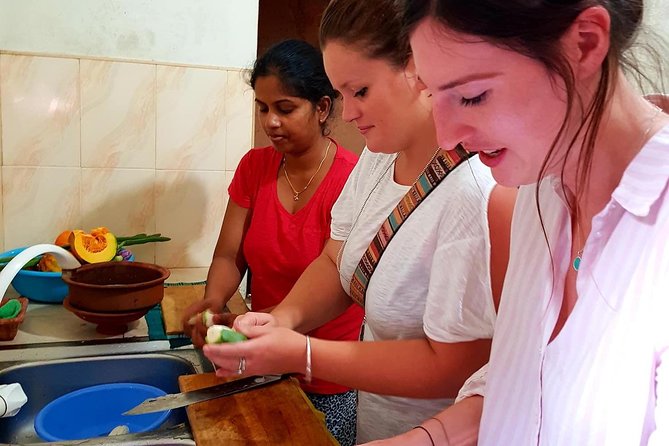
Sri Lanka is famous for spices, but what you actually taste comes down to routine: how people chop, stir, toast, and balance flavors day after day. This cooking class is set up to teach that rhythm, not just the name of dishes.
You’ll spend about 3 hours cooking and eating in Negombo at a family home. The format is simple: you arrive, have a welcome drink, get guided through the key cooking steps, prepare a meal together, then sit down to eat your creations.
It’s priced at $45 per person, which is pretty reasonable for a private experience where you’re learning directly from a local cook and then getting a full dinner out of it. You’re paying for time, instruction, and the fact that this is hard to recreate on your own without local know-how.
You can also read our reviews of more tours and experiences in Negombo.


From tea or coffee to coconut milk: the lesson starts fast
The experience begins at the Negombo Cooking Class meeting point in Andiambalama Katunayake, Negombo area, and it ends back there. That matters because you’re not hunting for complicated directions around town—you can focus on the actual class.
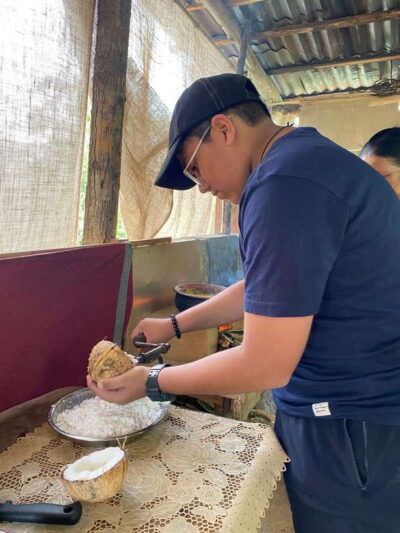
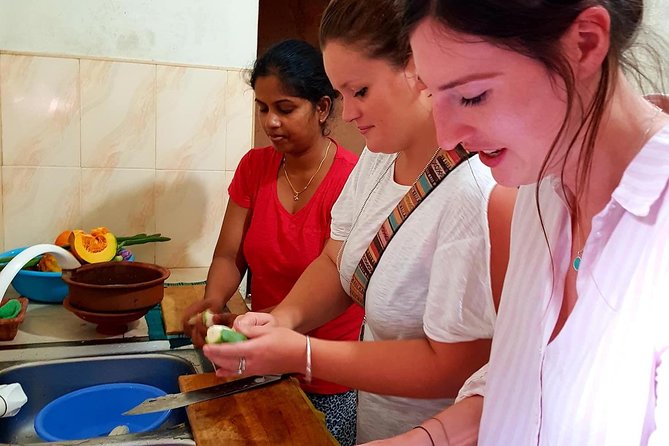
On arrival, you’ll be offered a cup of tea or coffee as a welcome drink. Then the first true cooking lesson kicks in: you’ll learn how to make coconut milk. This is the foundation for so many Sri Lankan flavors, especially when you’re building curries with that creamy, aromatic base.
What’s useful here is the order. Instead of jumping straight to curry paste and guessing, you start with the key ingredient that changes the whole texture and taste of the final dish.
In the kitchen, you’re not just watching. You’ll get hands-on with chopping and prep, and you’ll build confidence as you go. Even if you’re a cautious cook, this kind of step-by-step start helps you avoid the common problem: thinking you can learn Sri Lankan cooking by memorizing one recipe.
Picking vegetables and chopping like a home cook
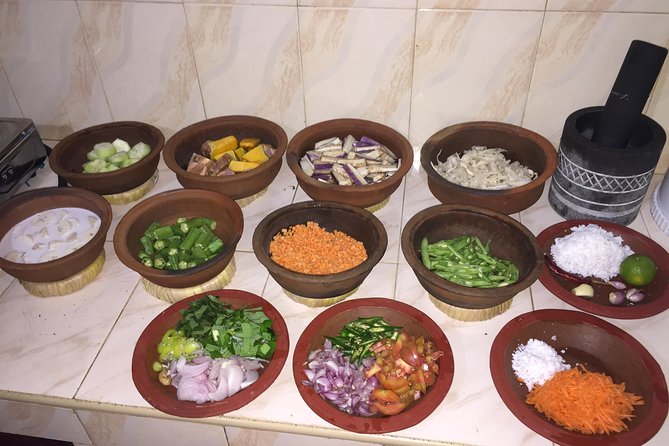
One of the best parts of this class is that you get to choose your vegetables for curry. That turns the session into something personal. You’re not stuck cooking whatever’s available for a generic group menu—you help decide what ends up on the table.
Then comes the work: you’ll cut and chop the vegetables yourself. For many people, that’s where the class goes from interesting to actually memorable. You’ll see how different pieces cook at different speeds, and why home cooks prepare things a certain way so everything finishes together.
If you’re doing this with dietary preferences, the setup is designed for both non-veggies and veggies, so you’re not forced into a one-style menu. That flexibility is a real value add for mixed groups.
Possible drawback: because this is a hands-on cooking lesson focused on learning through doing (not recipe reading), you may want to keep your expectations practical. You’ll get the skills and flow, but you won’t treat it like a step-by-step printed document you can copy perfectly later.
Sri Lankan spices and herbs: learn what you’re tasting
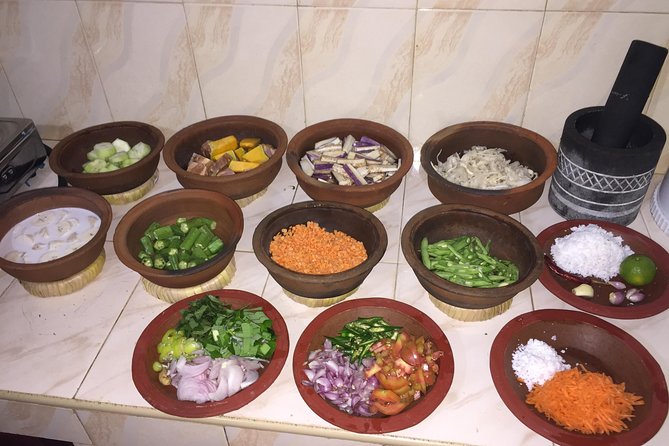
As you prep, you’ll also get an idea about Sri Lankan spices and herbs, and then you’ll learn how to cook them. This is one of those moments that makes cooking classes worth paying for.
It’s easy to buy spice blends later. It’s harder to understand how spices behave in a real dish: when to add them, how they change flavor as they heat up, and how herbs bring freshness without overpowering the curry base.
In the class setup, spices aren’t introduced as trivia. They’re part of the cooking steps you’re performing. That means you can make better choices when you’re cooking Sri Lankan food later at home.
If you want a souvenir you can use again and again, this is the type of knowledge that travels better than a bag of spices.
Cooking the curry and rice together (and getting the taste right)
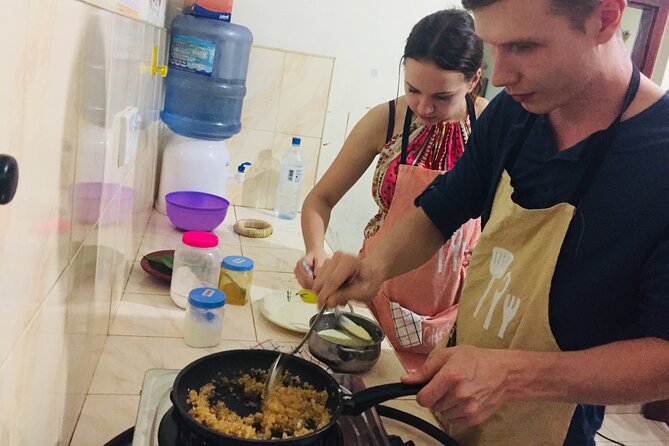
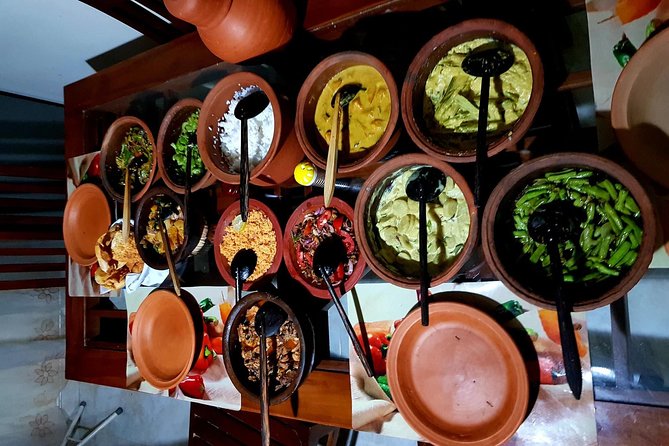
The meal you make centers on Sri Lankan home staples: curry, rice, coconut milk, and additional dishes depending on what you choose and what the kitchen prepares that day.
You’ll learn the cooking process as you go—so the class is structured around getting you from ingredient to finished food, not just sitting through explanations.
From the style of dishes people mention from this experience, favorites tend to include flavors like coconut sambal and dhal. Even if your exact menu differs based on your vegetable choices and the host’s plan, the overall direction is consistent: you’ll come away knowing how the key components fit together.
For your dinner, you’ll sit down and enjoy what you cooked around the host’s table. That’s a big reason these private home experiences feel different from cooking studios. The goal isn’t only to teach; it’s also to feed you properly.





Traditional dessert: the calm finish after the heat
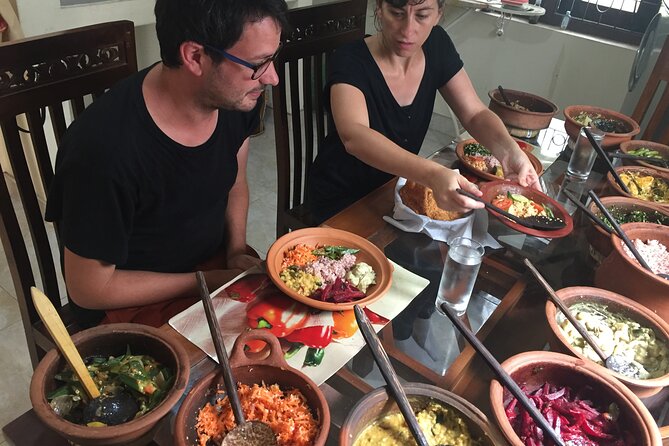
After the main meal, you’ll have traditional dessert. That ending matters more than you’d think.
Curries can be intense—creamy coconut, spice heat, and savory depth. Dessert gives you a slower landing back into sweetness, so you leave feeling like you had a complete meal rather than just a cooking workshop.
Optional upgrade: market visit for vegetables and local spice context
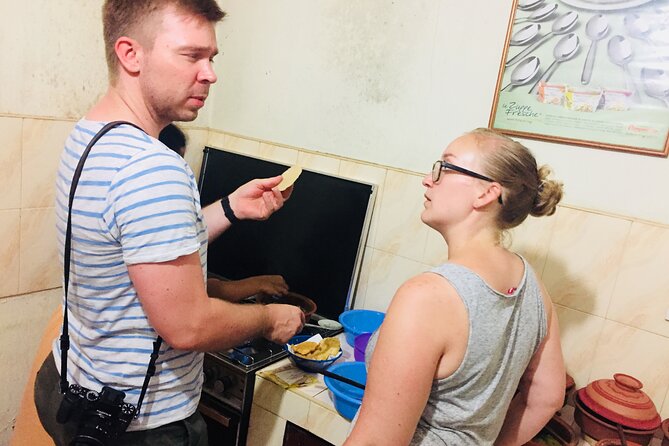
If you want to go one step deeper, you can upgrade to include a market visit. This is the option for you if you like knowing where ingredients come from.
In a market visit, you typically get to choose vegetables with local context—plus you hear about local spices and herbs in a more real-world way. Even without turning it into a lecture, seeing ingredients picked and sorted helps you understand what “good” looks like in everyday Sri Lanka cooking.
Practical note: if you’re tight on time or your schedule is sensitive, skipping the market may keep the class smoother. But if you enjoy ingredient shopping and want the full story behind the food, the upgrade is usually the best way to get there.
Value check: is $45 per person a good deal?
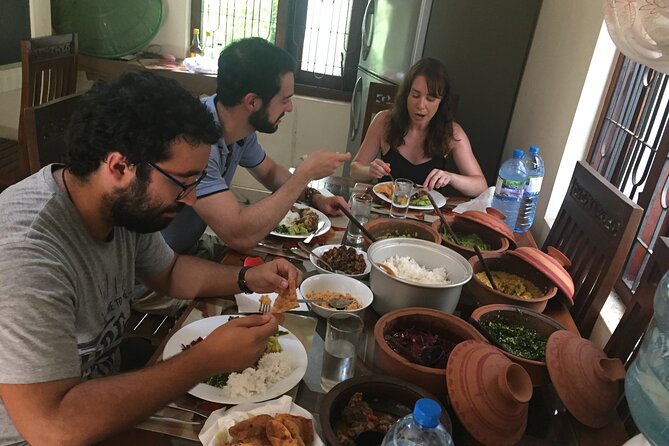
At $45 per person for about 3 hours, this class lands in the “good value” zone for a few reasons.
First, it’s private. You’re not sharing the kitchen with a large crowd. That means you’re more likely to get real attention while chopping, cooking, and asking questions.
Second, you’re not paying just for instruction—you’re paying for a welcome drink, a full dinner, and dessert. When a class includes the meal you make, the per-person cost feels more grounded.
Third, the big advantage is something you can’t easily DIY: learning coconut milk and spice-handling from a local host in a home setting. Cooking demos online exist, but they don’t teach the adjustments locals make in real kitchens.
So if you want more than a short food taste and you like hands-on learning, this is a solid use of money in Sri Lanka.
Who this fits best (and who might skip it)
This experience is a great match if you:
- want a private Sri Lankan cooking class in Negombo
- like hands-on cooking rather than watching from the sidelines
- want to learn the backbone of Sri Lankan dishes, especially coconut milk and curry building
- enjoy both veggies and meat options (the class is built to work for both)
I’d think twice if you:
- need a strict, non-cooking food tour style (you’ll be chopping and cooking)
- prefer a classroom format with lots of printed recipes you can follow exactly
- are traveling with no flexibility at all, since good weather is required
Good to know before you go
This activity uses a mobile ticket and is private, so it’s only your group. It’s described as near public transportation, which is helpful if you’re not driving.
One more thing: confirmation is received at booking, and the experience depends on good weather. If conditions are poor, the provider will offer a different date or a full refund.
Should you book this Sri Lankan cooking class in Negombo?
Yes—if you’re the type of traveler who wants to leave Sri Lanka with skills, not just photos. A private home-based cooking class is one of the most practical ways to understand the food culture, and the coconut milk + curry + rice flow gives you a strong foundation you can use again.
If you’re a foodie who loves spices, and you want to cook with a local hand guiding you, this is a smart pick. If you’re mostly looking for a quick bite and a short show, you’ll probably want a different type of experience.
My call: book it, and if your schedule allows, consider the market visit upgrade for extra context.
FAQ
How long is the cooking class and dinner?
It’s about 3 hours.
What does the experience include?
You’ll have a welcome drink, learn about coconut milk, choose and prepare vegetables, get guidance on Sri Lankan spices and herbs, cook dishes like curry and rice, enjoy your meal, and have traditional dessert.
Where does it start and where does it end?
It starts at Negombo Cooking Class, Andiambalama Katunayake, Negombo 11450, Sri Lanka and ends back at the meeting point.
Is this a private activity?
Yes. It’s private, and only your group participates.
Can I add a market visit?
Yes, there’s an optional upgrade that adds a market visit to choose vegetables and learn about local spices and herbs.
What is the welcome drink?
You’ll be offered tea or coffee on arrival.
Is there a mobile ticket?
Yes, the tour uses a mobile ticket.
What’s the cancellation policy if plans change?
You can cancel for a full refund up to 24 hours before the experience starts. It’s also noted that the experience requires good weather, and if it’s canceled due to poor weather, you’ll be offered a different date or a full refund.