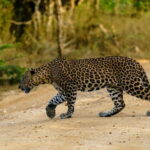
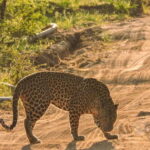
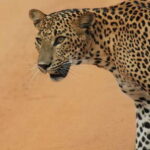
Leopards set the alarm clock in Yala. This Yala National Park safari is interesting because you’re out in the park for dedicated spotting time with a comfortable 4×4 jeep and a guide who actively helps you find wildlife. I like that the operation focuses on the wild side of Yala, and the best guide teams really work at scanning for cats and animals. The one drawback to plan for: a leopard sighting is never guaranteed, so you may end up seeing mostly other wildlife instead.
You get picked up from the south-coast area (Palatupana, Kataragama, Kirinda, or Tissamaharama) and spend about four hours on safari once you’re inside the park. The tour also includes an English live guide plus an English audio guide, which helps when you want both tracking and extra context while you’re bouncing along dirt roads.
Value-wise, the headline price looks budget-friendly, but the national park entry ticket is extra (Rs 13000 per person). I also appreciate the simple rules: no alcohol or drugs, and the day is set up around wildlife viewing, not long stops for extras.
In This Review
- Key things that make this Yala safari worth your attention
- From pickup to park tracks: how the 5 hours plays out
- The jeeps and group size: comfort that affects your spotting
- Your guide team: leopard hunts need more than luck
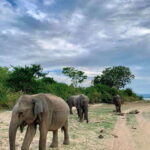
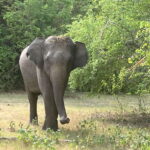
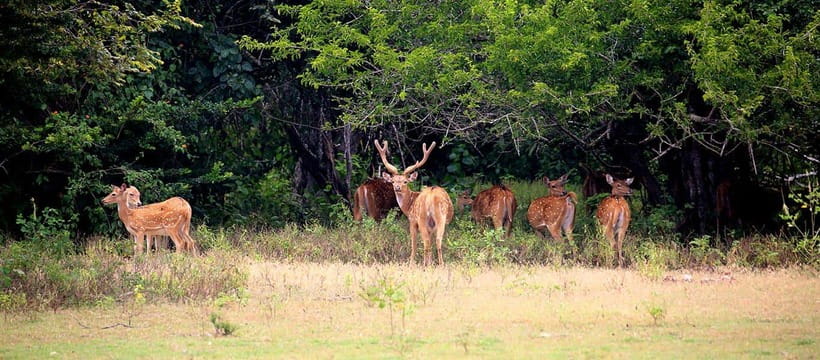
- What you’ll actually see in Yala: beyond leopards
- Photography from a safari jeep: what to expect
- Timing choice: morning or afternoon affects your day mood
- Price and logistics: what $11 really means when entry is extra
- Comfort, safety, and the rules you must follow
- When this safari goes right: signs you’re in good hands
- When it goes wrong: common reasons you might feel disappointed
- Who should book this Yala National Park safari (and who should skip)
- Should you book this tour?
- FAQ
- What’s the total duration of the Yala safari?
- Where are the pickup and drop-off locations?
- Is the national park entry ticket included in the price?
- Are food and drinks included?
- How big is the safari jeep group?
- What language will I get during the safari?
- Can I cancel for a refund, and is there a pay-later option?
Key things that make this Yala safari worth your attention
- Leopard-focused guiding with real effort to spot elusive animals in Yala’s best habitat areas
- Spotting support that can include an extra helper on the hunt (this can make a noticeable difference)
- Comfortable, spacious 4×4 jeeps built for rough park roads, with a small group size up to 6
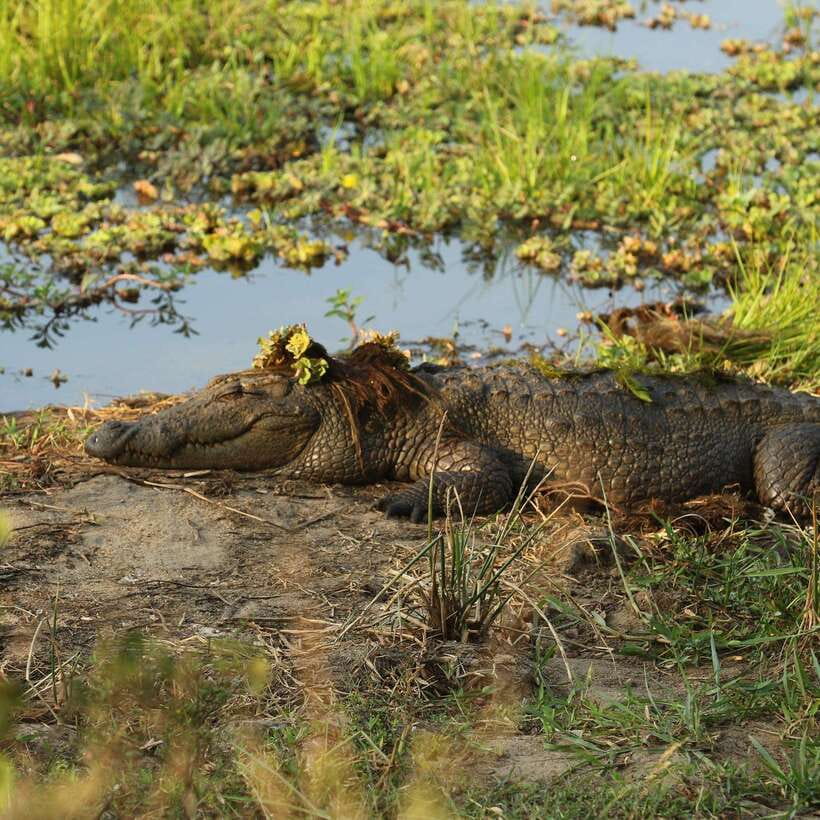
- A real wildlife mix beyond cats, including elephants, crocodiles, deer, black bears, and lots of birds
- Photo-friendly timing where you can capture wildlife moments from the jeep
- A few thoughtful surprises, like water and cookies, depending on the run
From pickup to park tracks: how the 5 hours plays out
This safari is built around a straightforward idea: get you into Yala for meaningful viewing time, then bring you back. You’re picked up from one of four locations—Palatupana, Kataragama, Kirinda, or Tissamaharama—and you’ll return to drop-off at one of Kirinda, Palatupana, Kataragama, or Tissamaharama after the drive back.
The total duration is listed as 5 hours, and the safari time inside the park is about 4 hours. That matters, because Yala is not something you squeeze into a quick stop. The wildlife is spread out, animals move, and leopards in particular can change location fast. With four hours in the park, you’re not just doing a drive-through.
One practical consideration: your day’s success is tied to what happens once you’re in the park. If leopards aren’t in view, a strong guide still helps you switch your attention to the rest of the ecosystem—elephants, bears, crocodiles, and birds can keep the safari interesting even when the cat doesn’t show.
You can also read our reviews of more tours and experiences in Hambantota.
The jeeps and group size: comfort that affects your spotting
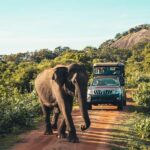
Yala safaris live or die by logistics once the road turns. This tour uses a luxury 4×4 safari jeep with a small maximum group size—up to 6 passengers. That’s a sweet spot for spotting: you get space to reposition, and you don’t end up buried in the “tour van shuffle” where everyone is staring the same direction.
There’s also a note that if you book 5 passengers or more, you can enjoy a more private setup in their safari jeeps (up to 6 passengers). If you’re the type who likes your own pace—fewer opinions, fewer distractions—this matters.
In terms of comfort, one of the most repeated good signs is a clean jeep and a smooth experience once you’re in the park. The flip side is that safari quality depends on how the driver handles the track. I’d treat this as a day where you’ll want to keep your expectations flexible: you’re going to be on rough roads, and the best outcome comes from careful driving and regular stops for animal sightings.
Your guide team: leopard hunts need more than luck
Here’s what I’d pay attention to: the guide is not just a translator. A good Yala guide runs an active search. This safari is designed around leopard chances, and the guides are expected to show you the wild side of Yala’s ecosystem—plus explain what you’re looking at as you go.
Some guide runs are especially strong because there’s support for spotting, with an additional person helping scan for animals. That can change the experience, because leopards and other wildlife often appear briefly at the edge of visibility—then you miss them if you’re only relying on one set of eyes.
I’ve seen names like Isuru and Nuwan come up with strong feedback for being friendly, respectful, and focused on animal behavior and habitat. The most impressive detail in those comments wasn’t just that they found animals—it was that they handled the moment with care, aiming for the wildlife experience rather than pushing too close.
One drawback to keep in mind: if the guide is late or isn’t giving clear English explanations, you lose value fast. This isn’t about being strict; it’s about getting the full “why this matters” part of Yala. When the communication is weak, the safari can feel like you’re just sitting and waiting for something to happen.
What you’ll actually see in Yala: beyond leopards
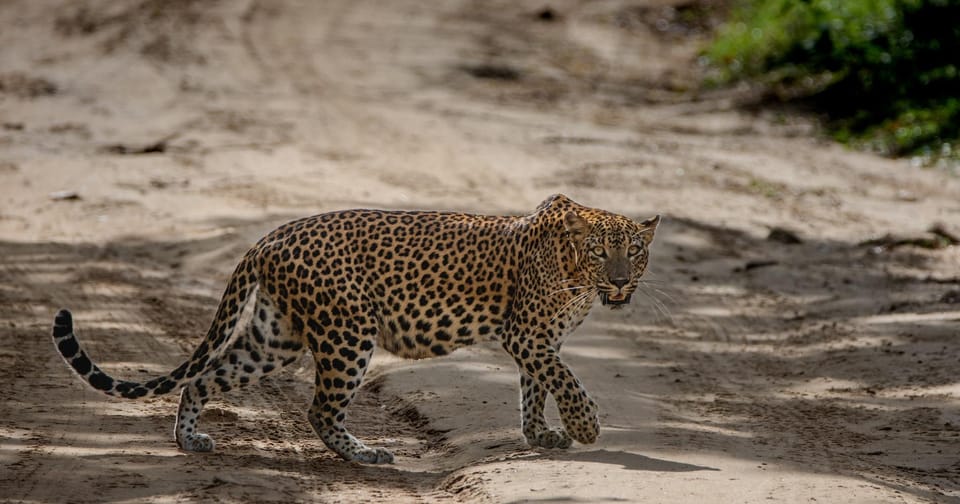
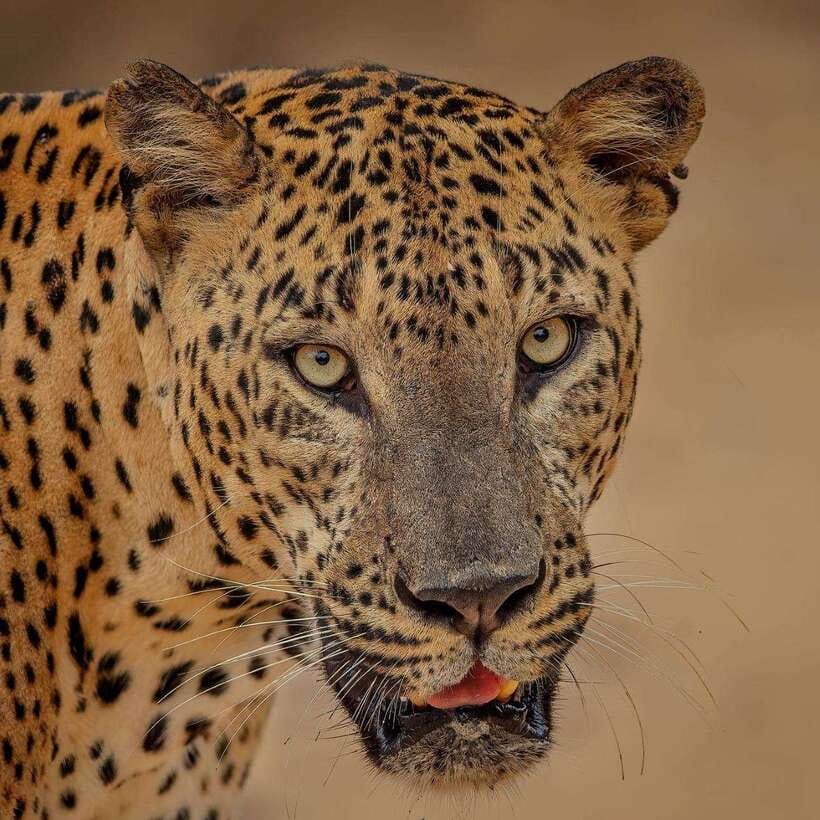
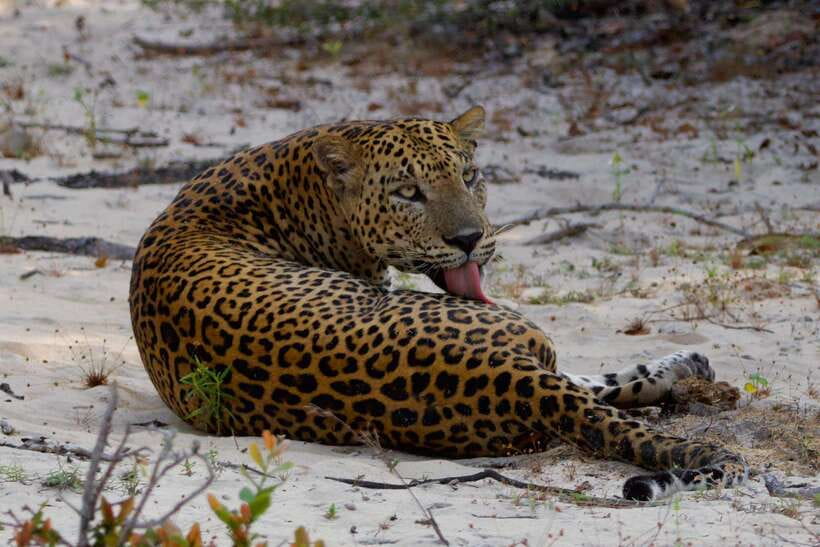
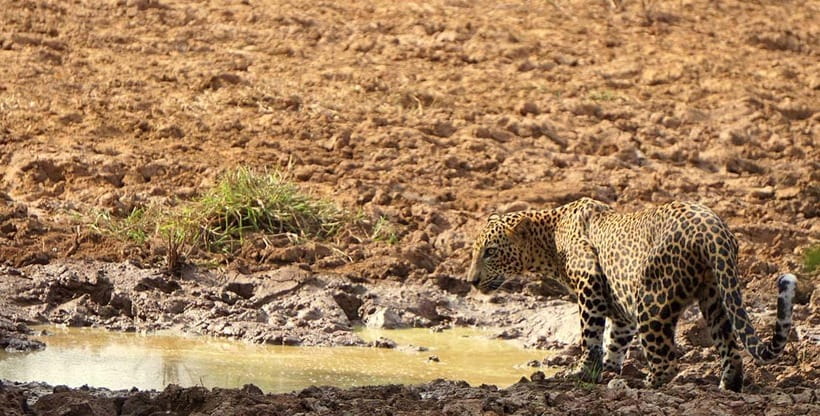
The star is the leopard. Yala is known for one of the highest leopard densities in the world, and that’s why this safari is marketed the way it is. But even when cats don’t show up, the park can still deliver an animal-rich day.
Based on what shows up across these experiences, here are the wildlife categories you should expect to take seriously:
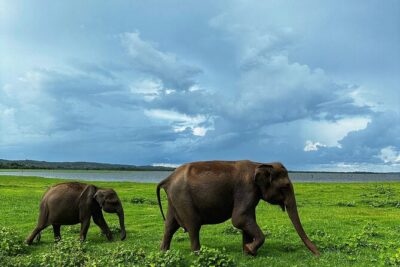
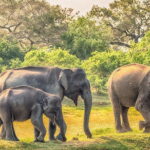
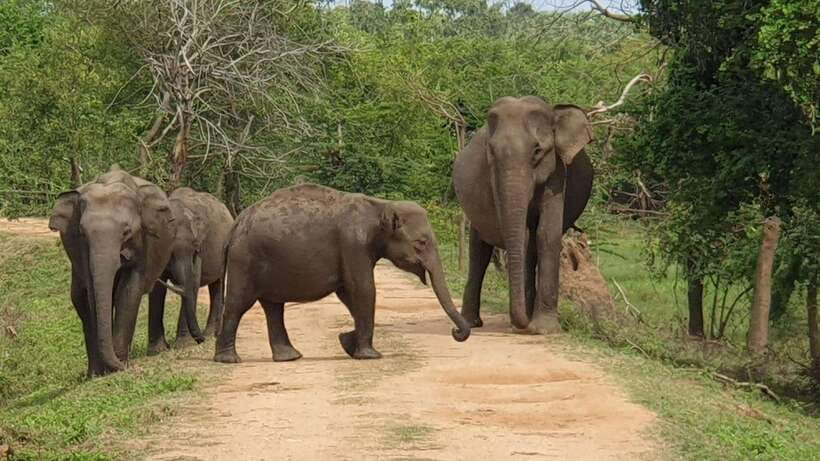
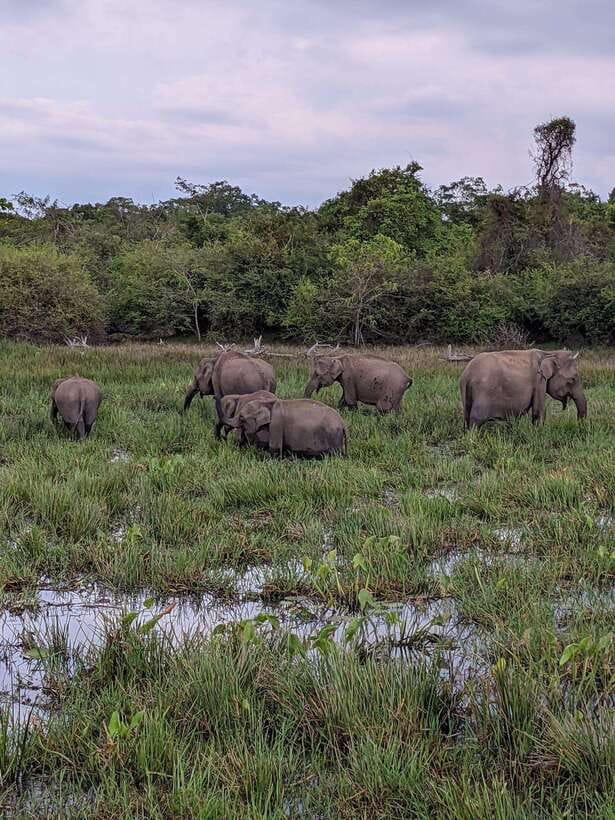
- Elephants: you may see elephant families and regular movements through the area
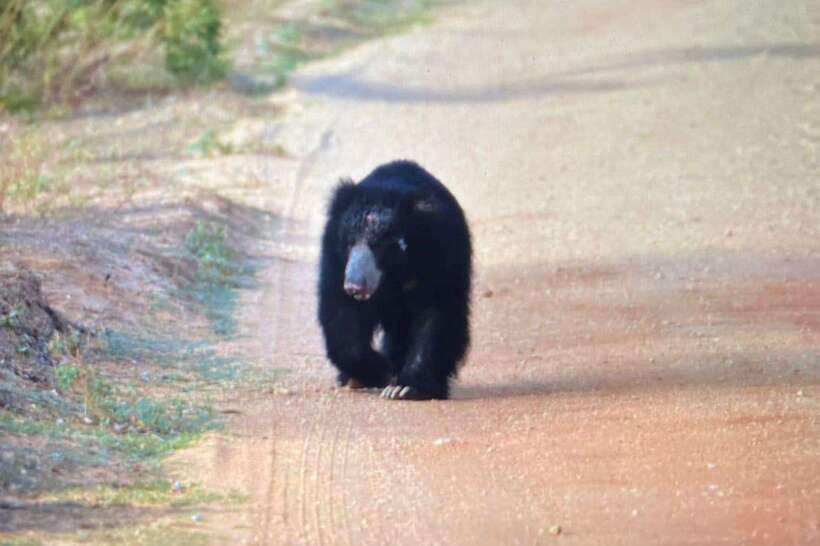
- Black bears: this seems less common than the bigger mammals, but bear sightings happen
- Deer and other medium wildlife: often part of the background action as you drive
- Crocodiles: they can appear near water edges, depending on the route and time
- Birdlife: lots of sightings, and even when animals are quiet, birds help keep the day alive
One important reality check: the leopard is still a wild-animal mystery. You might be able to tick off elephants, crocodiles, bears, and birds and still leave without seeing the cat. If you’re going in with a plan to enjoy the whole ecosystem, the day feels fuller.
Photography from a safari jeep: what to expect
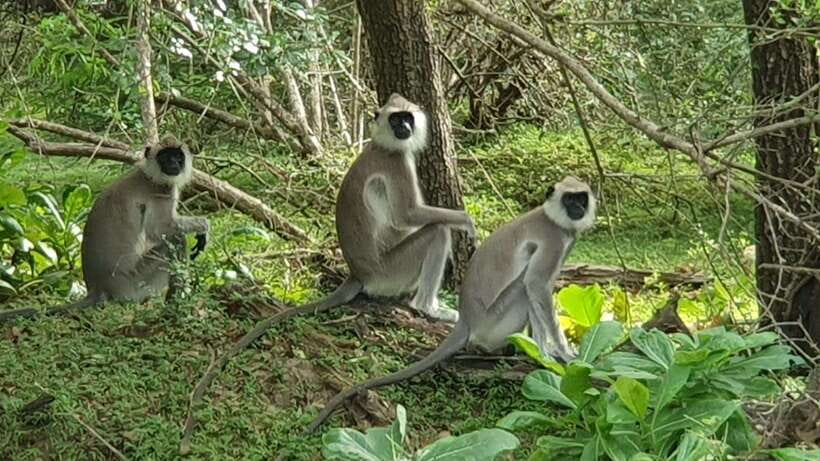
This tour is set up so you can take pictures of wildlife during the safari. That sounds simple, but in practice it’s about timing. When your guide actually finds animals and then stops long enough for you to get views, your photos improve fast.
One small but memorable detail: in at least some good runs, the guide helps with photo moments—capturing images when leopards are spotted—then shares the memories afterward. I wouldn’t count on a post-safari photo transfer as a guarantee, but it’s a good sign that this team thinks about the experience beyond just driving.
The bigger point is this: your best shots will usually happen right after the guide identifies the animal and you’re positioned well. Keep your expectations realistic about distance and brief appearances—Yala wildlife isn’t trained for your camera.
Timing choice: morning or afternoon affects your day mood
The safari is offered as morning or afternoon (both are part of the same 5-hour format). Since the schedule is designed around a fixed amount of time in the park, the main difference is the wildlife rhythm you run into during your four hours.
If you’re choosing between morning and afternoon, I’d use a simple strategy: pick the slot that matches your overall itinerary and energy level, and then rely on the guide’s search once you’re in the park. Leopard hunting is chance-based, but a good guide still gives you multiple chances to see something good during the day.
Also, keep in mind that driving time and pickup timing can shape your mental state. A late pickup can shorten your effective “wildlife time,” and it changes how patient you feel once you’re inside the park.
Price and logistics: what $11 really means when entry is extra
On the surface, $11 per person looks like a bargain. But Yala National Park entry is not included. The entry ticket is listed as Rs 13000 per person, so the real cost has two parts: the safari service plus the park fee.
That’s the first value decision you should make: are you willing to pay the extra entry fee to get a guided 4×4 safari experience? If yes, the service price starts to look more reasonable, especially because you’re getting pickup/drop-off from multiple areas and a small group jeep experience.
The second logistics point is payment method for entry. One experience described having to pay the entry fee at the entrance in cash rather than handled by the operator at the gate. That’s not stated as a universal rule in the provided tour info, but it’s enough of a risk that I’d plan for cash just in case.
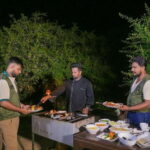
Food and drinks are listed as not included. Still, some runs include practical surprises like water and a small snack such as cookies, and a Coca-Cola was mentioned too. Don’t treat that as a sure thing, but it’s reassuring that the team sometimes adds comfort where they can.
Comfort, safety, and the rules you must follow
This tour clearly sets boundaries. Alcohol and drugs are not allowed, and the safari is focused on wildlife viewing rather than party vibes.
There’s also an age and health suitability note:
- Not suitable for pregnant women
- Not suitable for people over 95 years
And it’s listed as wheelchair accessible. If mobility is part of your planning, this is a meaningful checkmark because many safari experiences assume you can climb in and out easily.
Safety also depends on the driving style and how the vehicle handles the track. One negative experience described dangerous-feeling driving and insufficient attention to animal safety, including honking around animals and not stopping when they should. I can’t say that’s typical, but it’s a strong reminder: if the driver’s behavior feels reckless to you, speak up early. Safari rules matter.
When this safari goes right: signs you’re in good hands
If you want to spot the difference between an average safari and a great one, look for these patterns:
- Your guide explains what you’re seeing as you drive, not just after the fact
- Stops happen often enough that sightings can turn into real views
- You get help finding animals, not only “drive and hope”
- The team acts with respect around wildlife distance and movement
- The jeep stays clean and comfortable for the full time
The highest praise also includes gestures that make the experience feel cared for—like sharing water and snacks during the day and helping with memorable photos when an animal appears.
When it goes wrong: common reasons you might feel disappointed
The leopard is the obvious risk, but it’s not the only one. A few operational issues can change your day fast:
- No leopard in sight: sometimes you’ll see buffaloes and peacocks and then struggle to locate other animals within the viewing windows
- Late pickup or rushed schedule: if you arrive behind schedule, your time inside the park shrinks in practice
- Poor English communication: if the guide can’t clearly explain what you’re seeing, the safari becomes less engaging
- Group mismatch: the tour describes a comfortable setup with small numbers, but one negative experience claimed the jeep wasn’t as private as expected
- Vehicle problems on rough roads: one bad experience described getting stuck in mud for a long time and limited wildlife time afterward
None of these negate Yala as a destination. They just mean you should protect your expectations: plan for wildlife variety, not a guaranteed cat encounter, and make sure you’re ready for the reality of animal spotting time.
Who should book this Yala National Park safari (and who should skip)
This safari fits best if you:
- Want a guided Yala National Park safari with a small-group 4×4 jeep
- Care about seeing more than one type of wildlife, including elephants, bears, and birds
- Prefer an English guide and audio guide to add meaning to what you spot
- Like the idea of leopard-focused searching but can enjoy the day even if the cat doesn’t appear
Skip it (or at least reconsider) if you:
- Need a guaranteed leopard sighting
- Are uncomfortable with the idea that timing and guide execution can vary
- Fall under the tour’s stated suitability limits (pregnancy, age over 95)
Should you book this tour?
If you’re excited by Yala’s wildlife and you want a practical, guided 4×4 experience from the south-coast pickup areas, I think this is a solid option—especially because the operation aims specifically at leopard hunting while still putting real attention on the wider ecosystem. The small-group jeep and English guide setup also add value for first-timers.
But book with the right expectations. Bring a leopard mindset (it’s possible, not promised), and make sure you’re prepared for the park entry fee being separate. If you do that, you’ll likely come away feeling you spent your time where it counts: out on the Yala tracks, watching real animals do real things.
FAQ
What’s the total duration of the Yala safari?
The tour duration is listed as 5 hours total, with about 4 hours of sightseeing inside Yala National Park.
Where are the pickup and drop-off locations?
Pickup is available from Palatupana, Kataragama, Kirinda, or Tissamaharama. Drop-off is available at Kirinda, Palatupana, Kataragama, or Tissamaharama.
Is the national park entry ticket included in the price?
No. The national park entry ticket is listed separately as Rs 13000 per person.
Are food and drinks included?
Food and drinks are not listed as included. However, at least one experience noted that water and cookies (including Coca-Cola) were offered.
How big is the safari jeep group?
The jeep is described as accommodating up to 6 passengers. The tour also mentions a private tour in their safari jeeps for bookings of 5 passengers or more.
What language will I get during the safari?
The live tour guide and the audio guide are both listed as English.
Can I cancel for a refund, and is there a pay-later option?
Yes. Free cancellation is listed up to 24 hours in advance for a full refund. A reserve now & pay later option is also listed.