Mangroves first, temples next, then a famous garden. This Bentota day trip strings together three very different kinds of Sri Lanka scenery in one 10-hour schedule. I like that it feels structured, but you still get small pockets of breathing room at each stop.
Two things I really like are the Madu River boat safari through the mangrove maze, and the island setting of Kothduwa Raja Maha Viharaya in the Madu Ganga Estuary. After that, Lunuganga gives you a calmer, artsy pause at Geoffrey Bawa’s country home, now run as a place you can visit.
One drawback to plan around: you’ll pay extra for Lunuganga entrance and you need to budget for food. Also, this is not a comfortable fit if you’re expecting long, flat surfaces and minimal walking.
In This Review
- Key things to know before you go
- How the day runs from Avengard Hotels to Bentota-area highlights
- Madu River mangrove boat safari: your best chance to slow down
- Kosgoda Sea Turtle Conservation: a short stop with real purpose
- Kothduwa Raja Maha Viharaya: temple on an island within the estuary
- Lunch, then Lunuganga: Geoffrey Bawa’s country home in garden form
- Price and value: what $65 buys in a full-day circuit
- The driver factor: why prompt pickup and clear help matter
- Timing, comfort, and what to bring for a 10-hour day
- Who should book this Bentota full-day tour
- Should you book this tour or not?
Key things to know before you go
- Madu Ganga mangroves by boat for a slow, shaded ride through channels and open-water stretches
- Kothduwa Temple on an island inside the Madu Ganga Estuary, tied to a Buddha relic story
- Geoffrey Bawa at Lunuganga: his home, now managed by the Lunuganga Trust and operated as a country hotel
- A Kosgoda sea turtle conservation stop with time to look around and walk
- Long day pacing: transfers depend on traffic, so the order and timing can flex a bit
How the day runs from Avengard Hotels to Bentota-area highlights
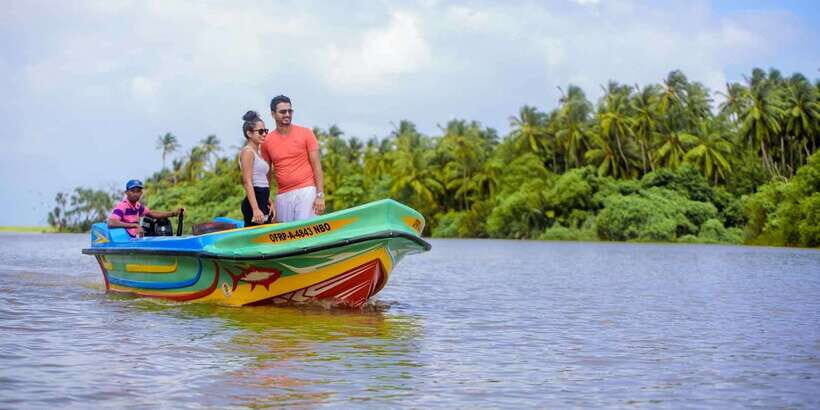
Your day is built around morning starts and a full circuit of stops. Pickup is from Avengard Hotels, and your transport is an air-conditioned vehicle with an English-speaking driver plus bottled water.
The plan starts at 8:00 AM at the Madu River in Balapitiya for the boat safari. In practice, traffic can shift things, so I recommend being ready at pickup time and not assuming a perfectly minute-by-minute schedule.
The tour lasts about 10 hours, which is just enough time to see several iconic places without feeling like you’re rushing every five minutes. Still, it’s a long day. If you like a slow, early-night pace, build that in afterward.
You can also read our reviews of more tours and experiences in Negombo.
Madu River mangrove boat safari: your best chance to slow down
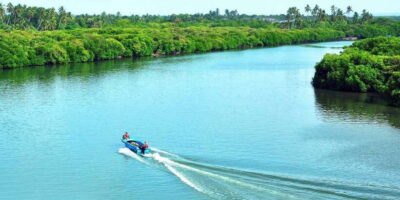
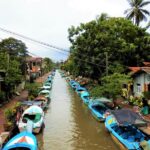
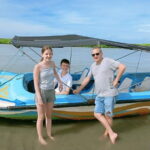
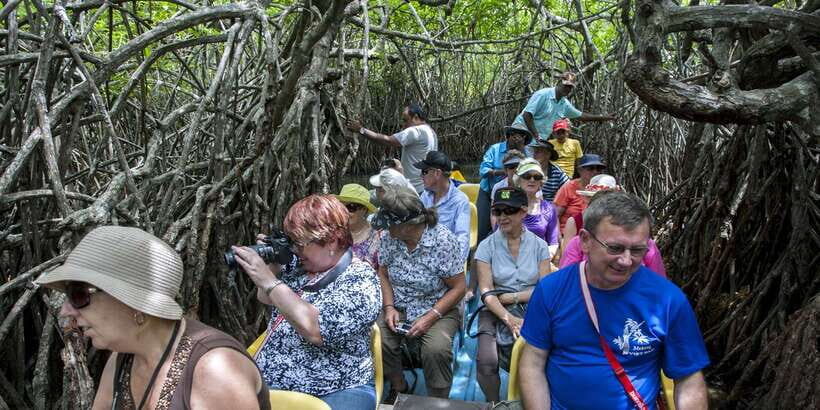
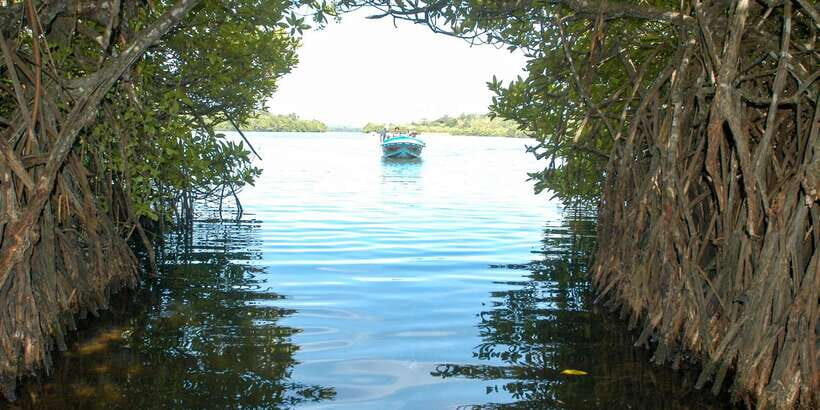
The most memorable piece here is the boat safari on the Madu River in Balapitiya. You’ll spend time cruising through mangrove marshes, where the channels can feel shaded and tight. Then you get stretches of brighter open water, so the scenery changes as you go.
The boat portion is described as about one hour in the tour write-up, while the day plan lists 2 hours for the cruise segment. Either way, think of it as a water-based break from driving, with your focus on what you can see along the banks rather than what you can check off quickly.
What to do before you board:
- Wear comfortable shoes since you’ll likely move on uneven ground around the dock areas.
- Bring sunglasses and a sun hat. Even on a boat, glare can sneak up on you.
- Keep your expectations simple. The point is the mangrove world and the water travel, not museum-style narration.
Why this safari is worth the time: the mangroves are a working ecosystem, not just scenery. The channels and “tunnel-like” feeling from thick mangrove stands give you that Sri Lanka estuary character that photos don’t fully capture.
Kosgoda Sea Turtle Conservation: a short stop with real purpose
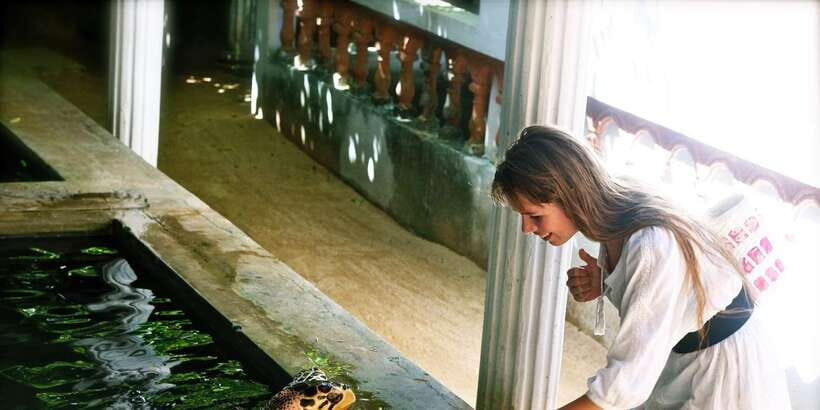
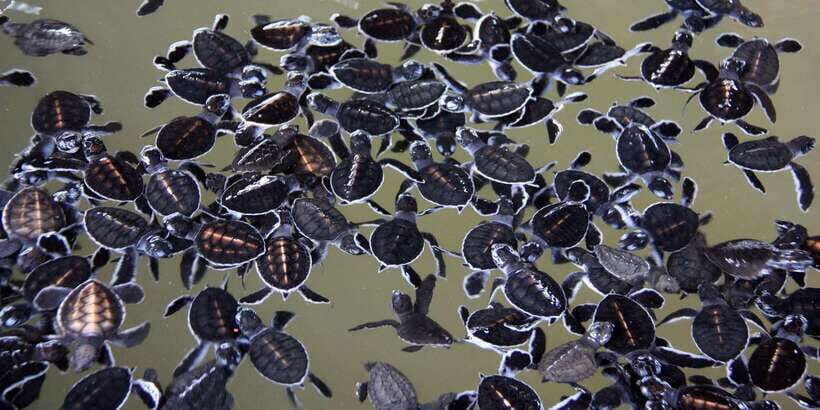
Before the deeper estuary moments, the route includes a visit to Kosgoda Sea Turtle Conservation. The schedule gives you time for sightseeing and a walk, but it’s not positioned as a long, sit-and-read museum visit.
How to make this stop meaningful:
- Use the free time to watch, ask questions, and connect what you see to the conservation work.
- Pace yourself. This is part of a full-day flow, so don’t burn all your energy here.
One practical note: the tour details only say the Lunuganga entrance fee isn’t included. They don’t specify whether there’s any cost at the turtle stop. If you want zero surprises, check with your operator or confirm on the day.
Kothduwa Raja Maha Viharaya: temple on an island within the estuary

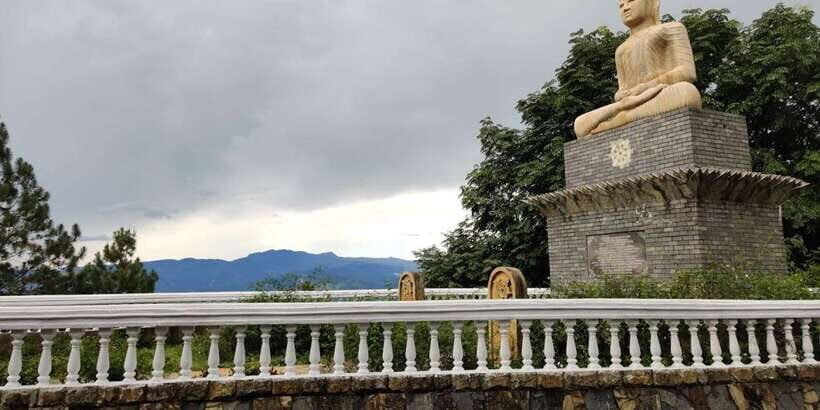
After the safari, you head to Kothduwa Temple, officially known as Kothduwa Raja Maha Viharaya. The defining feature is the setting: it’s on an island inside the Madu Ganga Estuary.
The Madu Ganga Estuary is described as an archipelago of fifteen islands and a lagoon. Standing at a temple that’s physically part of that water-and-island system makes the whole place feel tied to daily landscape life, not just to tourist routes.
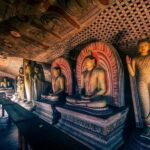
The temple also comes with a long religious story. It’s believed that a relic of Lord Buddha was sheltered there around 340 CE. Even if you don’t focus on dates, this is a great stop for atmosphere. A temple on its own island, reached through the wider estuary world you just experienced, creates a strong mental link between water nature and spiritual place.
What to watch for as you visit:
- Dress respectfully, since you’re in a working Buddhist temple environment.
- Take it slow. Island temple paths and stairs can feel uneven, especially if the ground is damp near the water.
Lunch, then Lunuganga: Geoffrey Bawa’s country home in garden form

Lunch comes next, and then the day shifts into the calmer, design-focused mood of Lunuganga. This is where Geoffrey Bawa comes in. He’s recognized as one of Asia’s finest architects, and his home was his country retreat until he passed away in 2003.
Lunuganga is now managed by the Lunuganga Trust, and it’s run as a country hotel. For you, that means the estate is maintained with the kind of care a private residence can justify, but it’s still accessible as a visitor experience.
A few things to understand before you go in:
- The tour notes that the entrance fee to Lunuganga Garden is not included, so plan to pay that separately.
- The details also say food or drink is not included on the tour, so your lunch may be on your own or part of a purchase during the free time.
- Bring your “walk-ready” items. Even if you’re not doing a long hike, garden estates often involve wandering paths.
Why Lunuganga hits differently after the boat:
You go from mangrove water paths to quiet garden space and long views. The contrast helps you feel like you’ve truly changed environments rather than just hopping between checklists. I also like the practical payoff: this stop works even if temples aren’t your top priority. It’s about architecture, atmosphere, and how a place is curated through outdoor design.


Price and value: what $65 buys in a full-day circuit
At $65 per person for a 10-hour day, the value mostly comes from the included logistics and the big ticket activities.
Here’s what you’re paying for directly or indirectly:
- Pickup and drop-off at your accommodation (from Avengard Hotels, per the tour setup)
- An English-speaking driver
- Bottled water
- The major paid experiences tied to the itinerary (including the Madu Ganga boat cruise and the listed visits)
What you need to budget extra for:
- Lunuganga Garden entrance fee
- Food or drink during the day
So is it good value? For many people, yes—because you’re buying time-saving transport and bundling multiple iconic stops into one day with less hassle than DIY. If you already plan to rent a driver for the day anyway, this kind of packaged route can be a convenient shortcut.
One extra value signal: the tour has an average rating of 4.6 from 7 reviews, which lines up with the idea that the boat safari and the driver experience tend to deliver.
The driver factor: why prompt pickup and clear help matter
This isn’t the kind of tour where you can zone out and just follow along blindly. You’re moving between ports, temples, and an estate garden, and you’ll want someone who can keep the day running smoothly.
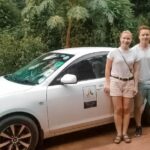
The tour includes an English-speaking driver, and some travelers specifically praised the driver’s knowledge, helpful attitude, and prompt pickup. That matters because timings can flex with traffic, and you’ll want quick guidance on where to go next.
There’s also one small money-related caution from experience: tipping expectations can be a little murky in places where customs vary. If you’re unsure what’s appropriate, ask your driver ahead of time what people commonly do. That simple question can prevent an awkward moment at the end of a long day.
Timing, comfort, and what to bring for a 10-hour day
This is a practical checklist tour. I’d treat it like a day out that blends sun, walking, and boat movement.
Bring:
- Comfortable shoes (you’ll want grip and support)
- Sunglasses
- Sun hat
Plan for:
- Sun exposure. Even if you’re shaded at points, the day is long enough that you should assume strong light.
- Walking around dock and garden areas. It’s not framed as intense hiking, but garden estates and temple islands can mean uneven ground.
And don’t plan to bring:
- Large luggage or extra bags
- Pets
- Anything that involves smoking during the tour
Accessibility note: the tour is not wheelchair accessible. It also lists pregnant women as not suitable, so if that’s your situation, you’ll want a different style of itinerary with less walking and easier rest breaks.
Who should book this Bentota full-day tour
This is a good fit if you want a day that mixes nature and culture without needing to plan routes, tickets, and timing yourself. It’s especially well-suited to people who love water settings—because Madu Ganga is the star experience—and who also enjoy visiting a real temple site that sits inside that watery landscape.
You’ll probably enjoy it if:
- You want a single full-day circuit from your accommodation
- You like garden and architectural design enough to spend time there after lunch
- You’re comfortable with a long day and some walking
You might skip it if:
- You want minimal movement and lots of sitting time
- You need wheelchair access
- You’re not willing to pay extra for Lunuganga entrance and your own meals
Should you book this tour or not?
Book it if you’re craving the best of Sri Lanka’s southwest “in one day”: the mangrove estuary feel of Madu Ganga, a distinctive island temple at Kothduwa, and the calmer, design-led mood of Lunuganga under Geoffrey Bawa’s legacy.
Don’t book it if extra costs and food on your own are a problem, or if your priorities are only one type of experience (like only beaches, or only temples). Also think twice if you need full accessibility support, because this one isn’t set up for wheelchairs and it’s not classed as suitable for pregnancy.
If you do book: pack for sun and walking, bring a little cash for Lunuganga Garden and meals, and ask about tipping expectations early so your day ends feeling easy, not uncertain.