This boat tour is birdwatching with a tailwind. You’re heading into Muthurajawela Wetlands for a calm 2-hour boat ride where you can study wetland life up close. The best part is the shortcut it gives you to both scenery and wildlife, without needing to master a marsh on your own.
I like the way the tour is built around finding birds, not just sitting and hoping. The English-speaking guide (on at least one outing, Praneeth) helps you read the waterways and increases your odds of spotting species like kingfishers, plus other wetland animals. One consideration: if the weather turns rainy, bird activity can slow down, so your sightings may be a bit less dramatic.
In This Review
- Key things I’d pay attention to
- Why Muthurajawela Wetlands Are Worth a Morning from Negombo or Colombo
- Getting There: Tuk Tuk Pickup and a Fresh-Early Start
- Visitor Center Time: Getting Oriented Before You Head Out
- Two Hours Afloat: What the Boat Ride Feels Like
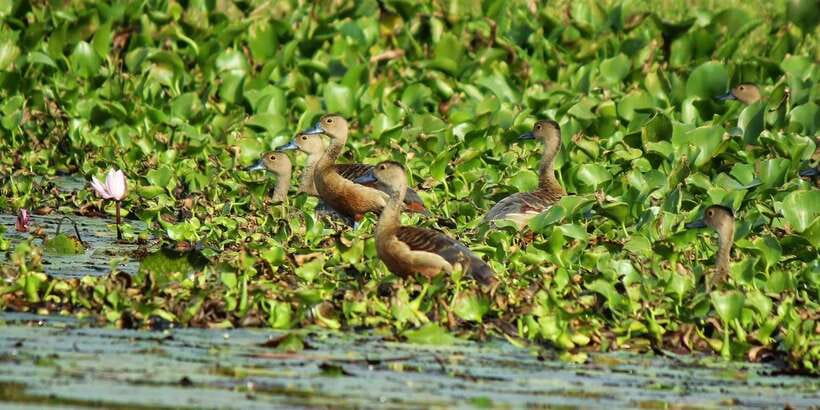
- What You Can See: Birds, Mangroves, and Wetland Life
- Monkeys and Snacks: The Light Refreshments Moment
- Binoculars, Camera, and How to Maximize Your Sightings
- Price and Logistics: Is $49 Good Value for This Tour?
- Weather and Bird Activity: Why Rain Can Change Everything
- Who This Tour Fits Best (and Who Should Skip It)
- The Bottom Line: Should You Book This Muthurajawela Bird Tour?
- FAQ
- How long is the Muthurajawela Bird Watching Tour?
- Where does pickup happen for this tour?
- What time does the tour start?
- How long is the boat ride?
- Do I need to buy a ticket on arrival?
- What’s included besides the boat ride?
- What should I bring for birdwatching?
- Is this tour private?
- Is it suitable for everyone?
- Is free cancellation available?
Key things I’d pay attention to
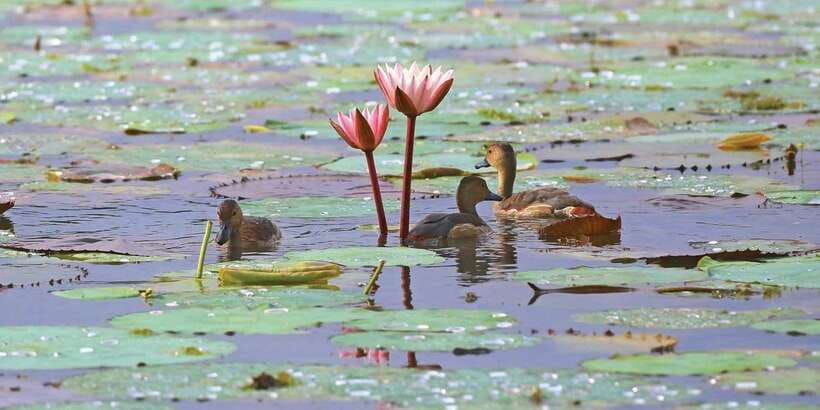
- Real wetland diversity, not a quick stop: the area supports large numbers of plants and animals, including mangroves and ferns.
- A guided search for birds during your boat time: the route is chosen to help you spot birds rather than pass by randomly.
- Short, well-paced schedule from Negombo or Colombo: morning pickup keeps the day from getting away from you.
- Light refreshments included: you’ll have a snack break while you wait for wildlife to show.
- Bring binoculars and a camera: the tour is designed for close viewing, not just sightseeing.
Why Muthurajawela Wetlands Are Worth a Morning from Negombo or Colombo
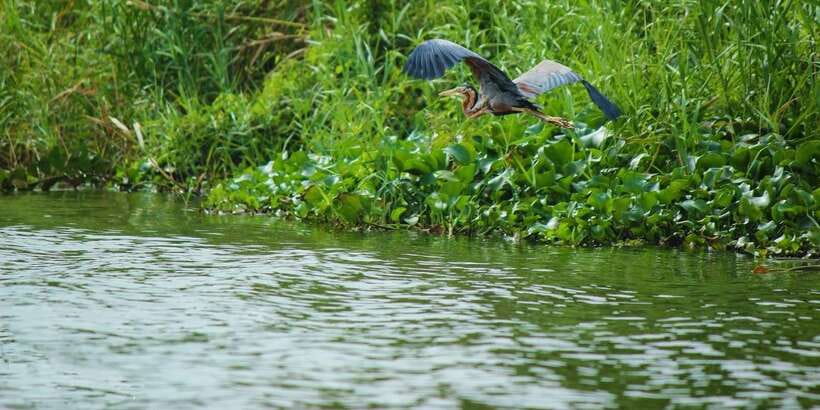
If you’re spending time in Sri Lanka’s west coast, Negombo and Colombo can feel a bit like a launchpad for bigger trips. Muthurajawela Wetlands is a better use of a morning because it puts you into a living ecosystem. You’re not just looking at nature—you’re in the kind of wetland that helps keep the wider area healthy.
What makes Muthurajawela special is the scale of life it supports. The tour info highlights over 192 plant species, 209 species of fauna, and over 100 bird species associated with the wetlands. That’s the kind of number that matters for you, because it translates into chances: different spots, different sounds, and different birds showing up through the day’s movement.
You’ll also learn that wetlands aren’t just pretty. They’re working systems. In Muthurajawela, mangroves and ferns are part of that story, forming habitat, shelter, and food sources for wildlife along the waterways.
You can also read our reviews of more tours and experiences in Sri Lanka.

Getting There: Tuk Tuk Pickup and a Fresh-Early Start
This tour is designed to be easy to fit into your schedule. You get pickup by tuk tuk from hotels in either Negombo or Colombo, depending on which you choose. The day starts at 07:00 AM, when you’re greeted and driven to the wetlands.
Once you arrive, you’re not immediately shoved onto a boat. You’ll reach the Muthurajawela Wetlands Sanctuary Visitor Center and get a short introduction to the tour and safety basics. Then you set off on the water.
That pacing matters. It helps you get oriented fast—what to look for, how the boat moves through the marsh, and what behavior signals wildlife activity. It also means you’re not arriving mid-morning already tired, sweaty, and distracted.
Visitor Center Time: Getting Oriented Before You Head Out
You spend about 1.5 hours at the sanctuary visitor area, which is a nice buffer for a wildlife tour. This isn’t time wasted in a museum. It’s your chance to understand what kind of wetland you’re walking into—mangroves, marsh edges, and the plant zones that support birds.
Even a short briefing can dramatically change what you notice. You’ll hear how the guide approaches the search for birds and why certain waterways are more productive. If you’re bringing binoculars, this is the moment to make sure you’re using them comfortably and quickly.
Also, this is where the tour sets expectations. The goal is to spot as many birds as possible, so the guide’s explanations connect directly to what you’ll be doing next.
Two Hours Afloat: What the Boat Ride Feels Like
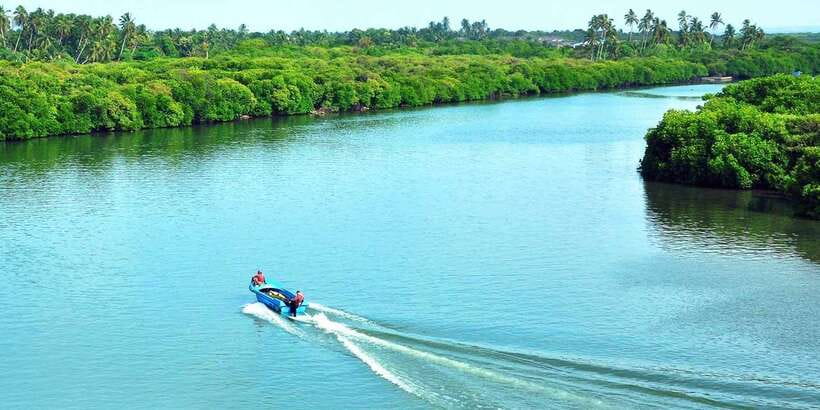
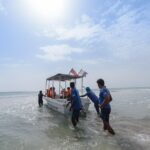
The core experience is the time on the water: you do a 2-hour boat ride through Muthurajawela’s marsh and waterways. This matters more than it sounds. Wetlands are hard to scan from land. On the boat, your eye level matches the habitat, and you get access to channels that you’d miss on foot.
Your guide steers the experience toward bird viewing. Instead of a generic loop, the approach is about finding places where birds feed, rest, or move between cover. The result is that the boat ride feels like active birdwatching, not a slow sightseeing cruise.
One of the best details in the tour info is that the wetlands include some species considered indigenous to the area. That gives the experience a stronger sense of place—you’re not just passing through a scenic swamp. You’re in a system with its own life patterns.
During at least one recent outing, the boat was guided carefully through lagoon waterways, and the group ended up seeing plenty of bird life plus other wildlife. The calmer you stay, the better you can hear calls and spot movement in the water’s edge.
What You Can See: Birds, Mangroves, and Wetland Life
This is the tour for people who want variety, not just one or two show birds. The wetlands support a long list of plants and animals, and that diversity shows up in what the guide can point out.
You’ll be surrounded by wetland vegetation such as mangroves and ferns, which isn’t just scenery. Different plants create different shelter and feeding options. That’s why your bird sightings often connect to vegetation zones.
The tour info also calls out slender loris as part of the fauna profile for the area. You might not see every species on every trip, but it’s a helpful reminder that this isn’t only about birds. It’s a broader ecosystem where mammals and birds overlap in the same habitat.
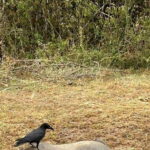
And yes, bird life can be specific. On one tour, the group spotted kingfishers, including two birds that were new to the visitor after weeks in Sri Lanka. That’s a strong sign the guide is thinking in terms of bird-finding, not just generic nature viewing.
You might also notice other creatures. One outing included a sighting of a monitor lizard on the wetlands waterways. Small surprises like that are part of the value of boat-based wetland watching—you get movement and texture that’s hard to get from a viewpoint.
Monkeys and Snacks: The Light Refreshments Moment
The tour includes light refreshments, and one outing included bananas and fresh coconut. Wildlife has a sense of timing here, and monkeys may show up for the snack moment.
If you’re sensitive to close animal encounters, keep your expectations realistic. This is a wild wetland. The good news is that the interaction tends to be brief and observational—watching from the boat or at the snack break, not getting pulled into anything intense.
This is also why I like the inclusion of snacks. Wetland birdwatching can involve waiting for movement—then suddenly having to focus quickly. A simple snack helps you keep your energy up without turning the day into a long meal hunt.
Binoculars, Camera, and How to Maximize Your Sightings
The tour explicitly suggests bringing binoculars and a camera, and I agree. In wetlands, birds often show up as quick flashes: a movement through cover, a call, a wing angle in the distance. Binoculars help you turn those moments into real sightings instead of guesses.
For your camera, prioritize speed and consistency over perfection. Wetland birds can be skittish, and you may need to take photos quickly when a bird lands or calls from a mangrove edge. Keep your lens ready and your settings simple. If you’re not sure what you’ll get, multiple quick shots beat one slow frame.
One practical tip: keep your attention split in the right order. First scan for motion along the water and plant edges. Then use your binoculars to confirm the bird, and only then start framing photos. That keeps you from burning time on birds that were only briefly there.
And if your trip includes rain, don’t panic. You may still get wildlife, but your best bet is to stay patient through quiet stretches and let the guide reposition as needed.
Price and Logistics: Is $49 Good Value for This Tour?
At $49 per person, this tour can be good value if you count what’s included. You’re getting hotel pickup and drop-off by tuk tuk from Negombo or Colombo, an English-speaking guide, the cost of the boat ride, light refreshments, and all government taxes.
The value isn’t just the boat. It’s the fact that you don’t have to arrange transportation, tickets, and guiding separately. A guided wetland boat is also the kind of activity where local expertise pays off. The tour’s purpose is bird spotting, and that makes the guide’s role more than a cultural explanation—he’s helping you work the habitat.
There’s also a practical time-saving element. Pickup happens at 07:00 AM and you’re dropped back around 11:00 AM, depending on whether you’re in Negombo or Colombo. It’s short enough to fit into a busy itinerary without eating the whole day.
Weather and Bird Activity: Why Rain Can Change Everything
Birdwatching comes with a reality check: wildlife responds to conditions. One recent outing noted fewer birds due to rain, even though the atmosphere stayed great and other wildlife still appeared.
So here’s how I’d plan your mindset. If the forecast looks iffy, don’t assume you’ll see less overall. Instead, expect different behavior. Birds may call less, stay closer to cover, or move later. The best approach is to show up prepared, stay flexible, and let the guide make route choices based on what’s active.
If you want maximum bird action, early mornings tend to help, and this tour starts that way. You’re also on the water while the day is still getting warmed up.
Who This Tour Fits Best (and Who Should Skip It)
This tour is a strong fit for you if you:
- love birdwatching and want a focused wetland experience
- like nature that’s close to the city, without the full-day commitment
- prefer a guided route that helps you spot wildlife efficiently
It’s also great for people who want something off the usual tourist path. Muthurajawela isn’t a postcard stop from a distance. It’s a living system with birds, plants, and animal movement that you can actually observe.
On the other hand, the tour is not suitable for people with back problems and not suitable for pregnant women, based on the activity details provided. Since you’ll be moving on a boat, it’s worth respecting those limits.
The Bottom Line: Should You Book This Muthurajawela Bird Tour?
I’d book this tour if you want a short, efficient birdwatching experience that’s tightly focused on the wetlands. Two hours on the water, an English guide, and pickup from Negombo or Colombo make it an easy win, especially when you’re trying to balance nature time with city time.
The biggest reason to hesitate is weather risk. If it rains hard, bird sightings may slow down. But even then, the setting stays peaceful, and you still have a decent chance of seeing wildlife activity—plus the tour includes refreshments to keep you comfortable.
If you’re hoping for one or two big dramatic moments, you might be disappointed on a quiet day. If you’re the type who enjoys steady birdwatching and wetland details, this is the kind of tour that keeps rewarding you as the guide reads the marsh.
FAQ
How long is the Muthurajawela Bird Watching Tour?
The total activity is listed as 2 hours, with the schedule showing morning pickup and drop-off around late morning.
Where does pickup happen for this tour?
You can choose pickup from Negombo or Colombo, with tuk tuk transport from hotels near those areas.
What time does the tour start?
Pickup starts at 07:00 AM, and the guide briefing happens around 08:00 AM after arrival at the starting point.
How long is the boat ride?
The experience includes a 2-hour boat ride in the Muthurajawela Wetlands.
Do I need to buy a ticket on arrival?
The tour description says you can skip the ticket line.
What’s included besides the boat ride?
Pickup and drop-off, a English-speaking guide, the boat ride cost, light refreshments, and all government taxes are included.
What should I bring for birdwatching?
Bring binoculars and a camera.
Is this tour private?
Yes, it’s listed as a private group.
Is it suitable for everyone?
It is listed as not suitable for people with back problems and not suitable for pregnant women.
Is free cancellation available?
Yes, you can cancel up to 24 hours in advance for a full refund.