Kumana National Park can feel like a nature highlight reel. This 6-hour safari from Arugam Bay, Pottuvil, or Panama is built around wildlife spotting and serious birdwatching in Yala East, with photo-friendly stops and an English guide.
What I like most is the focus. You’re not just driving around hoping for the best; you get guided viewing at key areas like Kumana Villu and along Kumbukkan Oya, where birdlife is a big deal. One thing to plan for: food and drinks aren’t included, so bring your own water and snacks if you’ll get hungry.
In This Review
- Key Things That Make This Kumana Safari Worth It
- Why Kumana (Yala East) Works for Both Birds and Big Animals
- Pickup From Arugam Bay, Pottuvil, or Panama (and Why Timing Matters)
- Comfort in a 4×4 Safari Jeep (It Helps You Stay Focused)
- Your Kumana Safari Flow: Photo Stops, Guided Watching, and Key Areas
- Kumana Villu Mangrove: Where Birdwatching Becomes the Main Event
- Kumbukkan Oya: A Scenic River Stop That Lets Wildlife Make Sense
- Wildlife Expectations: Leopards, Elephants, Deer, Bears, and Crocodiles
- Birds, Cameras, and How to Not Miss the Moment
- Price and Value: Is $78 for a 6-Hour Safari a Fair Deal?
- What to Bring (and What to Skip) for a Smooth Day
- Who Should Book This Kumana Safari (and Who Might Want Another Option)
- Should You Book This 6-Hour Kumana Safari?
- FAQ
- How long is the Kumana National Park safari?
- Where do pickup and drop-off happen?
- What is included in the $78 per person price?
- Are food and drinks included?
- What wildlife can I expect to see at Kumana?
- Is the guide language English?
- Is this safari suitable for everyone?
- Are there any restrictions on alcohol or drugs, and what should I bring?
Key Things That Make This Kumana Safari Worth It
- Kumana birdwatching at scale, with the park known for 200+ species of birds
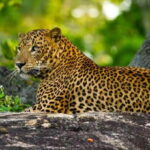
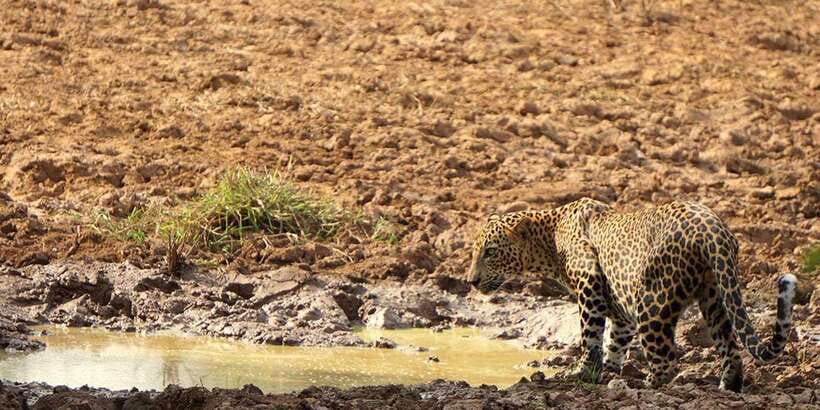
- Leopard chances, including sightings like multiple leopards in a single outing (rare luck, but it happens here)
- English live guide + English audio, so you’ll follow what’s going on without guessing
- 4×4 safari jeep comfort, helpful on park roads and for longer wildlife drives
- Kumana Villu mangrove area, a standout for bird spotting and calm viewing
- Kumbukkan Oya river scenery, a natural place for wildlife to show up and for the pace to reset
Why Kumana (Yala East) Works for Both Birds and Big Animals
Kumana National Park sits in Sri Lanka’s Eastern Province and is often linked with Yala East. The big reason to come is that it can satisfy two very different safari moods: birdwatching and mammal-watching.
If you care about birds, Kumana is famous for variety. The park supports 200+ bird species, including rare and migratory birds, so even when mammals are quiet, you can still enjoy active feeding, calls, and the constant motion of winged life. If you care about larger animals, the same habitats can also reward you with elephants, deer, and reptiles like crocodiles.
The best part for most people is that this tour is designed for real wildlife time. You’re not stuck in a classroom. You’ll be on a safari jeep, guided through prime areas, with stops timed so you can look, photograph, and reset your eyes between sightings.
You can also read our reviews of more tours and experiences in Sri Lanka.
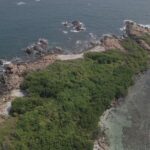
Pickup From Arugam Bay, Pottuvil, or Panama (and Why Timing Matters)
Your day starts with a complimentary pickup from your hotel or a designated nearby spot. Pickup areas include Panama, Arugam Bay, and Pottuvil, and you’ll also be dropped back at the same locations after the safari ends.
Expect about one hour of driving each way, which matters because it sets expectations: you’re spending roughly four hours inside the park itself. That’s a sweet spot for a wildlife outing. Long enough to do meaningful searching, but not so long that your energy tanks before the best viewing windows.
Because this is offered as a morning or afternoon safari, you’ll also want to think about your own camera and animal-spotting habits. One booking highlighted how stunning the sunrise over Kumana can be—so if you’re a morning person and you like soft light for photography, that timing can pay off.
Comfort in a 4×4 Safari Jeep (It Helps You Stay Focused)
You’ll travel in a comfortable 4×4 safari jeep with the kind of spacious layout that makes a long wildlife drive easier. When you’re scanning for movement—especially at dawn or when birds get active—comfort isn’t luxury. It’s practical.
In plain terms: you spend less time shifting around, and more time keeping your eyes where the action is. That’s important in Kumana because wildlife can appear quickly and then disappear behind trees, brush, or water edges.
Also, the tour includes sightseeing and scenic pass-by moments on the way into the park. You’re still traveling toward wildlife, not just sitting in traffic. Those short view breaks can be great for steadying your nerves and getting your bearings before the guided portion begins.
Your Kumana Safari Flow: Photo Stops, Guided Watching, and Key Areas
Inside the park, the focus stays on a mix of guided tour time, sightseeing, and photo stops. You’ll have a guided component designed to improve your odds of noticing what’s happening, not just what you hope to see.
The tour’s pacing is built around Kumana’s natural attraction points. Instead of bouncing randomly, you’re taken to places that make sense for wildlife behavior—especially water-adjacent habitats that bring birds, mammals, and reptiles into the same viewing zones.
A helpful mental model for Kumana: you’re watching for patterns. Birds and mammals react to food sources and water. That’s why the tour highlights places like Kumana Villu and the Kumbukkan Oya river. If you understand that, you’ll feel less frustration when you don’t see a leopard immediately. You’re moving through habitat, not chasing a rumor.
Kumana Villu Mangrove: Where Birdwatching Becomes the Main Event
Kumana Villu is a large mangrove swamp, and it’s one of the park’s standout areas for birdlife. Mangroves concentrate food and shelter, and the result is constant activity—calls, feeding, and movement through tangled branches.
This is the part I’d treat like your birdwatching “golden hour,” even if you’re doing an afternoon safari. You’ll likely spend time observing with your guide, which is exactly where an English live guide and audio guide can help you connect the dots faster (what you’re seeing, why it’s there, and where to look next).
If you like photography, this mangrove area also makes sense because birds don’t all move at once. While one group flies off, another may start feeding. That rhythm gives you chances to track behavior without feeling like everything is happening in a single instant.
Kumbukkan Oya: A Scenic River Stop That Lets Wildlife Make Sense
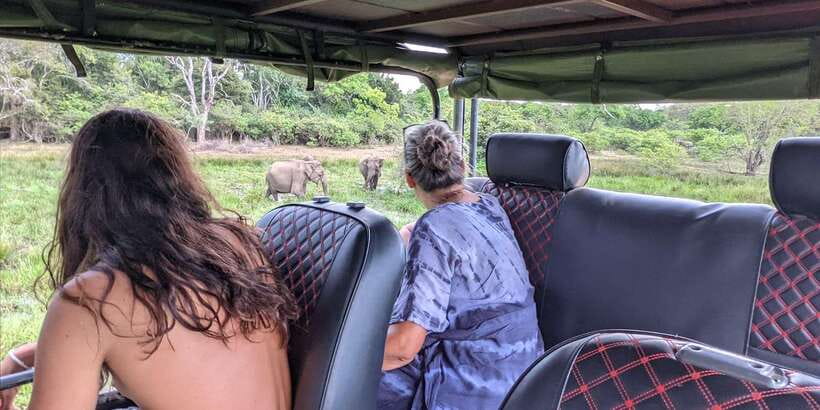
Kumbukkan Oya is a scenic river that flows through the park. Rivers pull wildlife toward water, and they create edges—where animals travel, drink, and sometimes linger longer than you’d expect in open grassland.
For your safari experience, this matters because it creates “viewing structure.” Instead of searching across featureless ground, you can scan along a natural line. That helps your eyes and makes spotting feel less like luck.
It’s also a good place for a calmer rhythm during the safari. Wildlife doesn’t always cooperate on a schedule, and water edges often keep the action steady. If you’ve been tense about seeing big mammals, this is one of those stretches where you can refocus without giving up on the chance of a sighting.
Wildlife Expectations: Leopards, Elephants, Deer, Bears, and Crocodiles
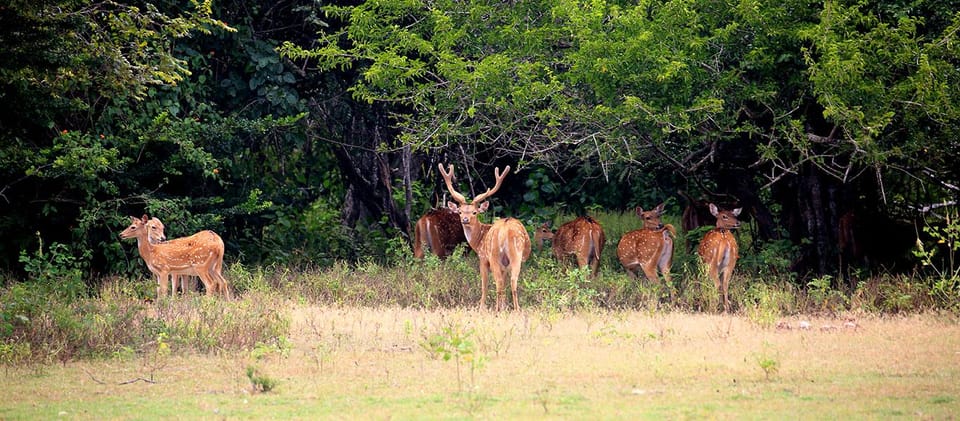
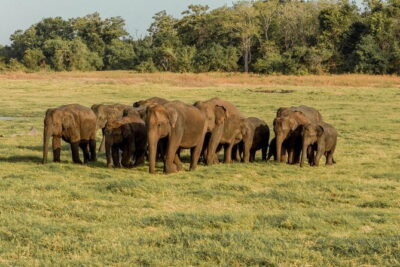
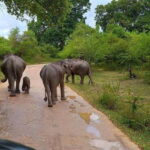
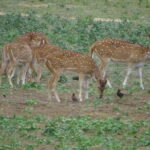
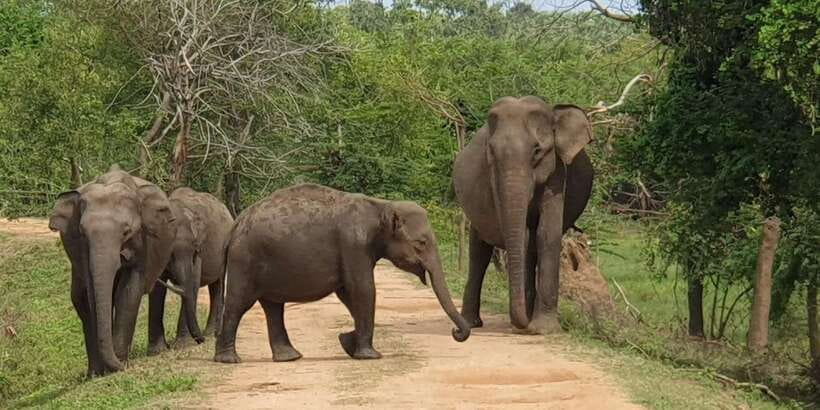
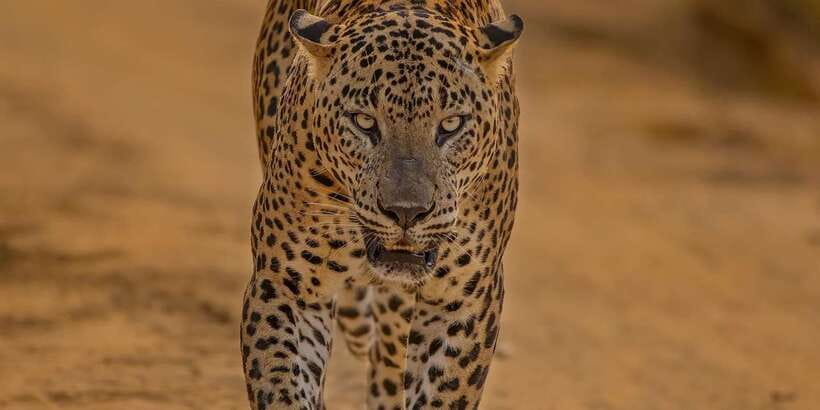
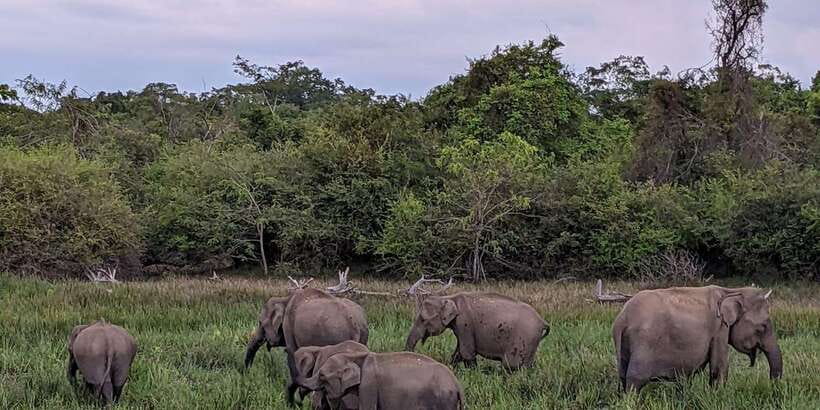
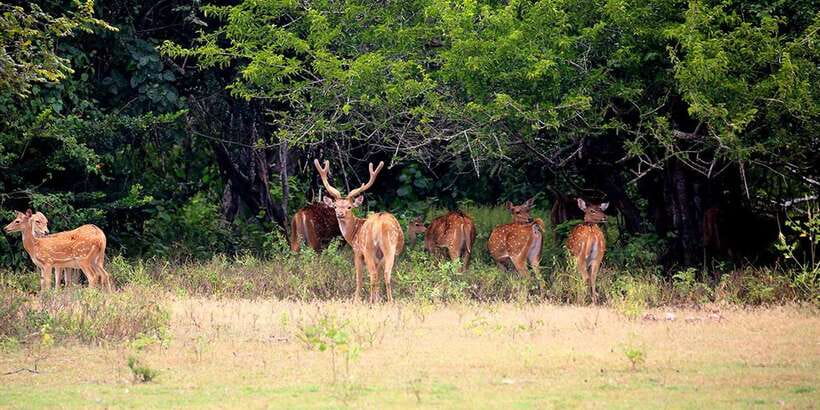
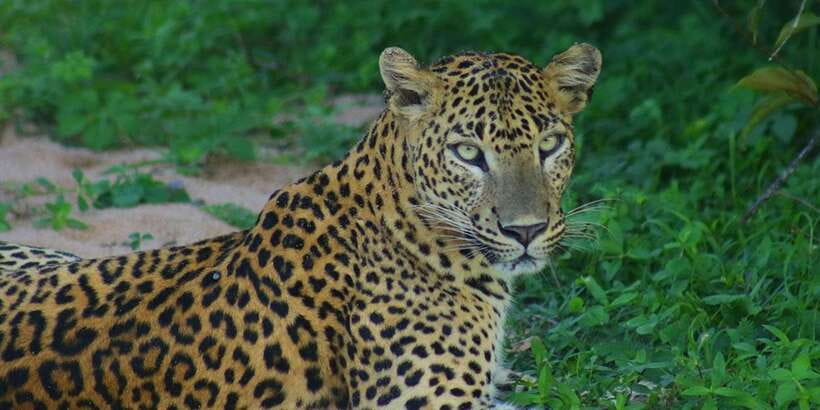
Kumana is known for a range of wildlife: leopards, elephants, deer, bears, and crocodiles. That list is broad on purpose, because Kumana’s habitats can support very different animals in the same day.
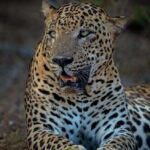
Let’s talk about the leopard angle first. One highly rated booking described the luck of seeing three leopards, which tells you the odds can be real here. Still, it’s smart to keep your expectations flexible. Leopards can be unpredictable, and your best strategy is to stay alert, follow your guide’s direction, and trust the habitat approach.
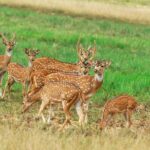
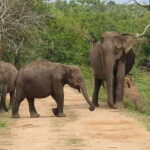
Elephants and deer tend to fit a different pattern: they may not be instant, but when you’re near the right areas, they can show up for stretches of time. Crocodiles also make sense in a river system like Kumbukkan Oya. If you’re the type who enjoys reptiles, you may find the viewing mood is different here—more patient, more watch-and-wait, less chasing.
Bears are on the possibility list too. Since the tour doesn’t promise species timing, the practical takeaway is this: plan your day around the experience of searching and observing, not around guaranteed sightings.
Birds, Cameras, and How to Not Miss the Moment
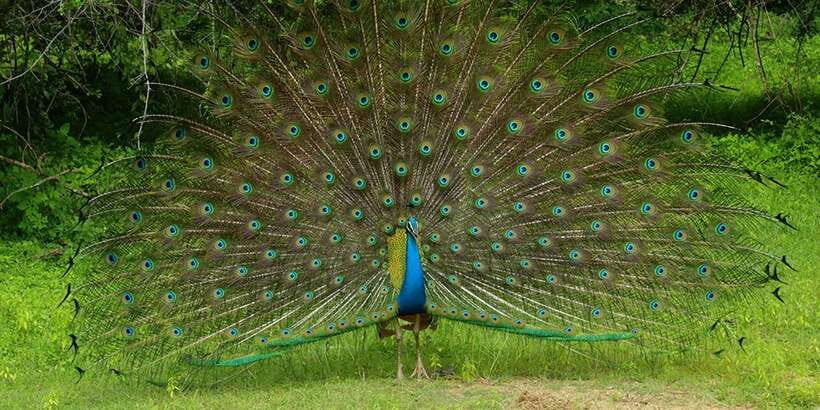
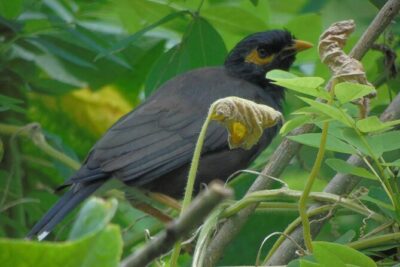
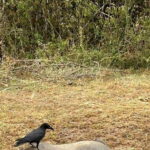
This safari is especially strong if you love birds. With 200+ species in the park, you’re not hunting for a single rare bird. You’re watching a living system where different species show up based on time of day, weather, and feeding areas.
Here’s the practical part for your camera: think in sequences, not single photos. Birds often move in short bursts—land, feed, call, and move again. When you set your camera to stay ready, you’ll capture more than one “good enough” shot. You’ll get the behavior that makes bird photos worth keeping.
Also, let your guide help with your attention. The tour includes both a live English guide and an English audio guide, which means you can focus on spotting while also understanding what you’re looking at. In a park like Kumana, that combination can turn random sightings into a more confident kind of watching.
And yes, you’ll have opportunities to take pictures during the safari. The key is to treat photo stops as part of the wildlife process. Stop, shoot, and then keep your eyes scanning as soon as the jeep is rolling again.
Price and Value: Is $78 for a 6-Hour Safari a Fair Deal?
At $78 per person for a 6-hour outing, the value depends on what you’d otherwise pay for separately. Here’s what’s covered: national park entry fees, all taxes and charges, complimentary pickup and drop-off (from Arugam Bay, Puttuvil, Panama, and the Kumana near area), and a comfortable 4×4 safari jeep. You also get experienced guides plus English live guiding and English audio.
The standout value item is the transportation and access. Park entry fees plus guide-led safari time can add up fast if you try to piece it together yourself. This package bundles those costs and keeps you from having to negotiate local logistics day-of.
The one gap is straightforward: food and drinks aren’t included. If you budget a small snack plan, this price becomes easier to justify. If you already know you prefer to travel light and keep water on you, the tour fits well.
Overall, if your goal is wildlife time inside Kumana with guided help and a comfortable jeep, this pricing feels aligned with that mission.
What to Bring (and What to Skip) for a Smooth Day
You’ll want the basics ready. Bring your passport or ID card. You’ll also want your essentials for a wildlife drive: sunglasses, sunscreen, and a camera or phone with a charged battery, since you’ll be doing both viewing and photo stops.
One rule is clear: alcohol and drugs are not allowed. It’s worth planning your day with non-alcoholic hydration and snacks instead.
The tour also has fit considerations. It isn’t suitable for pregnant women or people with back problems, likely because safari driving and park roads can be physically demanding. If either applies to you, it’s safer to choose a gentler day trip.
Who Should Book This Kumana Safari (and Who Might Want Another Option)
This is a great fit for you if you want one structured day in the field: birdwatching, animal spotting, and guided direction without the stress of driving yourself. It also works well if you’re based around Arugam Bay, Pottuvil, or Panama and want Kumana without complicated transfers.
You’ll also enjoy it if you like the idea of combining water habitats (mangroves and a river) with the chance of mammals like elephants and leopards. That mix is exactly what makes Kumana interesting: birds keep you busy even when big animals take their time.
I’d think twice if you can’t handle uneven safari travel (back issues) or if pregnancy makes this kind of day uncomfortable. If you’re in that group, choose a different format that’s designed around comfort and reduced movement.
Should You Book This 6-Hour Kumana Safari?
I’d book it if you want a guided Kumana day that’s built around the park’s strengths: bird diversity, water habitats, and real wildlife chances. The combination of English guidance, a comfy 4×4 jeep, and focused park time makes the day feel efficient rather than random.
It’s also an easy decision if you’re traveling from Arugam Bay or Pottuvil and want a full safari package. Just remember the simple trade-off: plan your food and drinks, and bring your ID.
If you’re comfortable with safari-style driving and you’re aiming for birds plus big-game possibility, this one checks the boxes.
FAQ
How long is the Kumana National Park safari?
The safari is 6 hours in total.
Where do pickup and drop-off happen?
Pickup and drop-off are available in Panama, Arugam Bay, and Pottuvil, with pickup also provided near Kumana.
What is included in the $78 per person price?
The price includes national park entry fees, all taxes and charges, complimentary pickup and drop-off, and a comfortable 4×4 safari jeep, plus experienced guiding.
Are food and drinks included?
No. Food and drinks are not included.
What wildlife can I expect to see at Kumana?
The tour focuses on birds and wildlife such as leopards, elephants, deer, bears, and crocodiles.
Is the guide language English?
Yes. There is a live tour guide in English, and an English audio guide is included.
Is this safari suitable for everyone?
It is not suitable for pregnant women or people with back problems.
Are there any restrictions on alcohol or drugs, and what should I bring?
Alcohol and drugs are not allowed. Bring a passport or ID card.