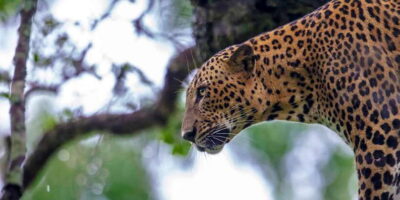
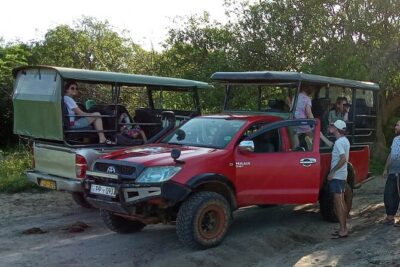
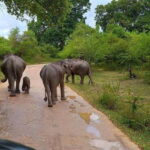
A short safari, long on wildlife sightings. This 3-hour Udawalawe National Park ride puts you in the plains and grasslands where elephants roam, while also keeping your eyes busy for birds and even butterflies. I like that it’s run in a 4×4 safari jeep (max 6 passengers), so you don’t feel packed in, and I also like that you get a driver who doubles as a tracker. The one real consideration: you’ll be on rough terrain in an open vehicle, and you should plan around the heat and the time of day.
In This Review
- Quick Take: The Best Parts, Plus One Thing to Plan For
- Key Highlights Worth Bookmarking
- Udawalawe in 3 Hours: What This Safari Really Delivers
- The Open Jeep Experience: Comfortable Viewing With Real-World Terrain
- Your Guide and Tracker Role: Why It Changes the Game
- Itinerary Walkthrough: Stop by Stop in Udawalawe
- Stop 1: Udawalawe National Park
- Where you start and end
- Timing That Actually Makes Sense: Morning, Evening, and the Midday Lull
- Price and Value: Why $27 Works If You Know the Small Print
- Comfort and Safety: What You Should Expect in Real Life
- Who This Safari Is Perfect For (and Who Should Reconsider)
- Practical Tips Before You Go
- Should You Book the Udawalawe National Park Safari?
- FAQ
- How long is the Udawalawe National Park Safari?
- What’s included in the safari price?
- Are entrance fees included?
- What time should I choose for a 3-hour safari?
- Do I get pickup if I’m staying farther away?
- What happens if the safari is canceled due to weather?
Quick Take: The Best Parts, Plus One Thing to Plan For
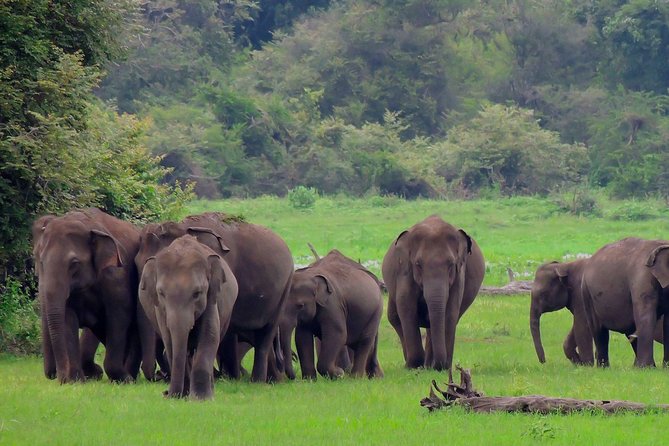
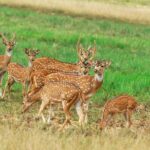
Udawalawe works well as a quick hit. You’re out for about 3 hours, you’ll cover good wildlife areas, and you’ll have time to spot more than one type of animal—elephants up front, plus birds and butterflies if you keep your eyes open. The safaris I’d recommend most are the morning runs around 06:00 am, when the park tends to feel active, and the evening option around 03:00 pm.
One drawback to keep in mind: it’s an open safari format for most of the trip, and while your guide may suggest getting closer for birds, you should expect to stay in the jeep around larger wildlife for safety—especially with elephants that might react if disturbed.
Key Highlights Worth Bookmarking
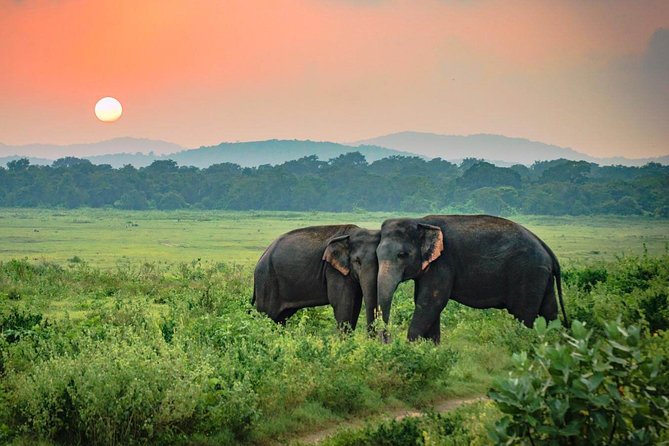
- Max 6 passengers per jeep for a more comfortable ride and better viewing
- Driver-tracker combination who can read animal behavior and guide you efficiently
- Morning (around 06:00 am) or afternoon (around 03:00 pm) timing options for a 3-hour wildlife window
- Open jeep with safety-first rules: you’ll learn when to stay put for elephants
- Water bottle per person included, so you’re not scrambling right after pickup
- Bird and butterfly-friendly focus, not just elephants
You can also read our reviews of more tours and experiences in Sri Lanka.

Udawalawe in 3 Hours: What This Safari Really Delivers
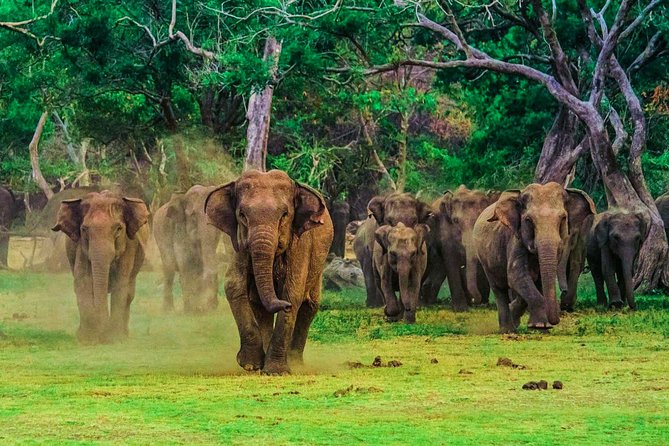
If you’re the type who wants wildlife but not a full day commitment, Udawalawe is a smart target. The park’s open areas—plains and grasslands—are built for sightings. That matters because a lot of “wildlife viewing” tours get stuck in slow loops where you only catch glimpses. Here, the structure is short, vehicle-based, and guided with an eye for where animals are likely to show up.
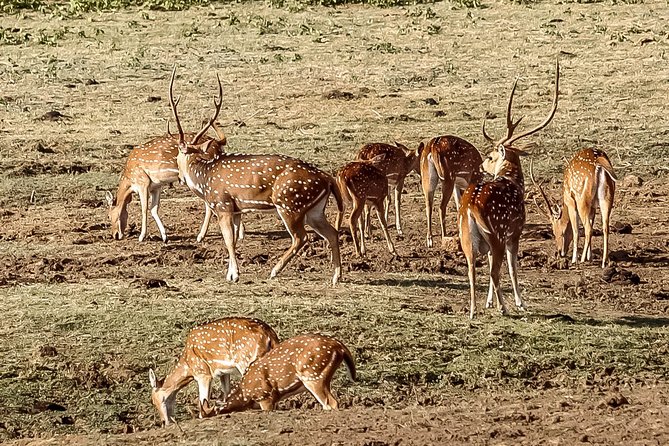
You’re also not locked into a single-theme safari. Yes, elephants are the headline. But you’re also set up for birds (including endemic and migratory types) and for butterflies if you’re the kind of traveler who stops and looks at small movement instead of only big ones. That balance is what makes a short safari feel less repetitive and more satisfying.
The Open Jeep Experience: Comfortable Viewing With Real-World Terrain
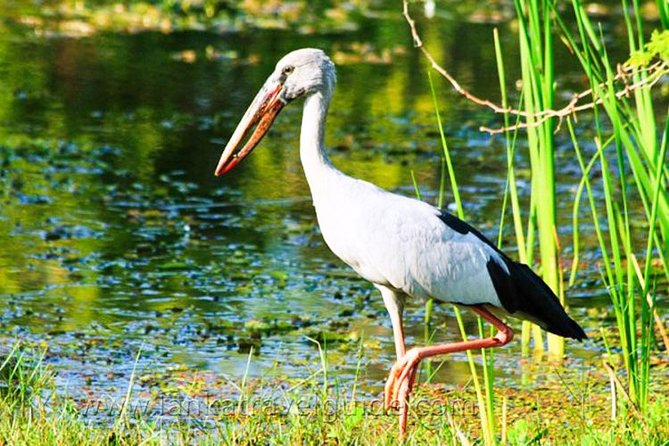
This is mostly an open Safari Jeep ride, and that’s part of the point. Open vehicles give you better sightlines for wildlife, and they make it easier to spot animals quickly when they appear in the grass. The terrain is rough at times, so expect a bumpy ride rather than something smooth like city transit.
Here’s what I’d plan for:
- Dress for dust and sun, not just “warm weather.” Even if it’s not scorching, park air can feel dry.
- Bring a light layer for early mornings or if you get breeze during the ride.
- Keep your phone/camera secure but ready. You won’t have time to fumble.
The maximum of 6 passengers per jeep is a big practical win. With fewer people, it’s easier to lean for views, shift positions, and keep your space for your gear.
Your Guide and Tracker Role: Why It Changes the Game
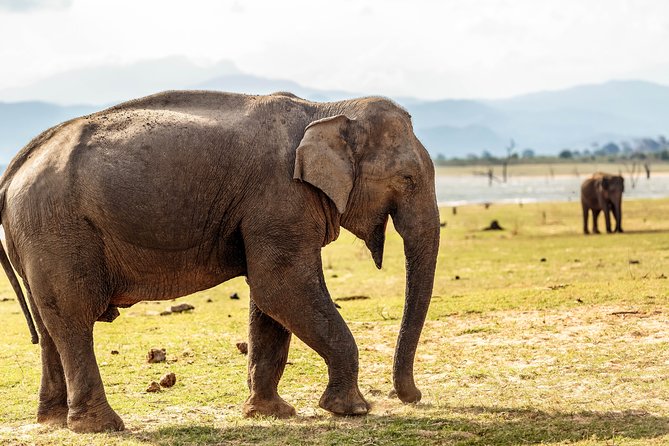
This safari isn’t just a driver who follows a route. You get an experienced driver who also acts as a tracker. In elephant country, tracking is everything. Animals don’t hold still for perfect photos, and they move—sometimes faster than you expect.
What you can learn from that setup is simple:
- You’ll spend less time guessing and more time checking likely areas.
- You’ll get a better sense of how to read the environment (where animals tend to appear, and when they’re likely to be close enough to matter).
- If you come upon larger wildlife, you’ll get safety guidance that’s based on what the guide sees in real time.
That’s also where the “stay in the jeep” rule matters. The safari may suggest walking closer at times for birds or small wildlife, but the instruction is clear: don’t descend for safety around elephants and other larger animals. It’s not a vibe thing—it’s practical animal behavior and risk management.
Itinerary Walkthrough: Stop by Stop in Udawalawe
Stop 1: Udawalawe National Park
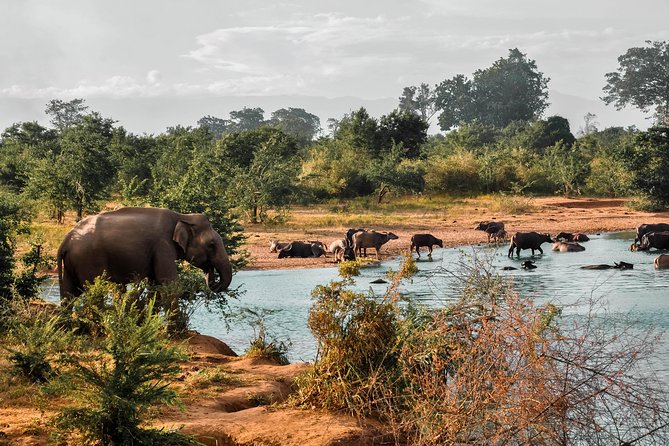
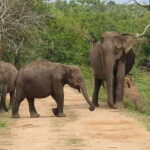
Everything centers on Udawalawe National Park. Your 3-hour session is built to take you to the park’s best wildlife haunts—especially the areas that make elephants easier to spot in open country.
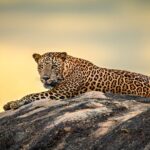
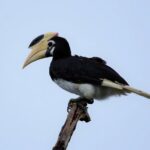
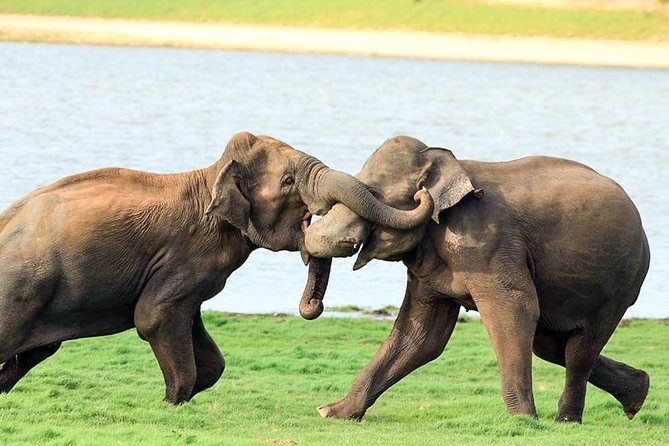
What makes this stop work is that it’s not just “drive around and hope.” You’re out in the reserve zones with the help of your guide’s tracking, and you’ll have opportunities for multiple kinds of sightings. Elephants are the big draw, but you’ll also be scanning for birds across different zones of the park—endemic species and migratory ones can show up depending on conditions. If you’re interested in smaller wildlife, Udawalawe can reward patience: butterflies and other light-motion sightings are part of the experience when you slow down and look carefully.
The main drawback of this stop is also the only one worth thinking about: since this is a short ride, you won’t get unlimited time in any one spot. If you’re hoping for a specific shot or a long close-up encounter, you may have to accept a “quick look, then move” rhythm.
Where you start and end
You start and end back at the meeting point in the park area. That keeps logistics simple: no long after-safari transfers that chew up your day.
Timing That Actually Makes Sense: Morning, Evening, and the Midday Lull
You’ll see recommended start times for the 3-hour safari:
- Morning safari: 06:00 am
- Evening safari: 03:00 pm
- There’s also mention of a 10-hour option starting at 07:00 am, if you want more time than the 3-hour version.
Also note the stated time to avoid: between 12:00 pm and 01:00 pm. That’s typically when heat and glare can make wildlife spotting harder and the ride less comfortable. You’ll also want better light for photos earlier or later in the day.
If you’re choosing between morning and evening, I’d pick based on your energy:
- Morning: best for people who like early starts and want a lively start to the day.
- Afternoon/evening: better if you don’t do well with very early wake-ups, while still giving you decent viewing time.
Either way, you’ll be in the park long enough to feel like you saw real wildlife activity—not just a token drive-by.
Price and Value: Why $27 Works If You Know the Small Print
At $27 per person for a 3-hour safari, this is one of those deals that can feel surprisingly fair—especially because you’re getting more than “just transport.”
Here’s what the price covers:
- A 4×4 safari jeep (max 6 passengers)
- An experienced driver who also tracks
- Free pickup and drop-off within 5 km of the park gate
- A water bottle per person
And here’s what’s not included (and can affect what you pay overall):
- Entrance fees for Jeep-only bookings, paid in cash
- Food and beverages
- Gratuities
So the value equation is simple. If you’re within that 5 km pickup radius, your overall cost stays straightforward. If you’re farther away, you’ll need to arrange your own ride to the meeting area—or pay extra for transport. The safest move is to plan your budget with the cash entrance fee in mind so there are no last-minute surprises.
Comfort and Safety: What You Should Expect in Real Life
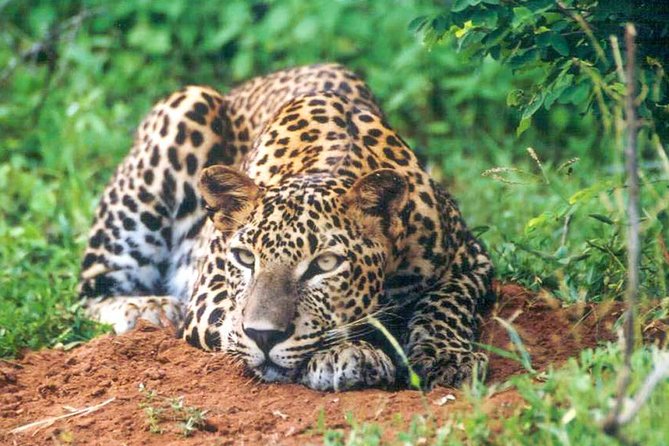
Safety here is not vague. You’re in an open jeep for most of the ride, and you should plan for a rougher path through the park. That’s the trade: better animal visibility, more movement and dust.
When animals are close—especially elephants—your guide’s job becomes very clear: keep you safe, keep the jeep positioned, and manage when you can get closer. You may be asked to stay seated for larger wildlife. If you’re the kind of traveler who wants to hop out for that perfect close view, this tour is a good match only if you’re willing to follow the safety rules.
The good news: the tour explicitly considers your safety around wild elephants and other large animals, so the experience is built to keep you in the right place at the right time.
Who This Safari Is Perfect For (and Who Should Reconsider)
This is a strong choice for:
- First-time safari folks who want a short, focused wildlife outing
- People who prefer a small group feel (max 6 passengers)
- Bird lovers who don’t want to miss the chance to spot endemic or migratory species
- Travelers who enjoy butterflies or smaller wildlife as well as big animals
It may not fit as well if:
- You want a long, slow, deep-watching safari with lots of walking time
- You need smooth, comfortable transport the whole way
- You’re traveling with someone who struggles with early mornings or outdoor heat
Practical Tips Before You Go
You’ll get the most out of your 3 hours with a little prep:
- Bring sun protection: hat, sunscreen, and sunglasses help a lot in open jeeps.
- Bring binoculars if you have them, especially if you care about birds. The experience is set up for bird watching.
- Pack light snacks and water if you’re worried about energy—food isn’t included.
- Wear shoes you don’t mind getting dusty.
If you’re aiming to maximize sightings, show up early for the safari start time, especially for the morning run.
Should You Book the Udawalawe National Park Safari?
Yes, if your goal is to see real wildlife without losing half a day. This safari is priced to be reachable, it runs for a sensible 3-hour window, and the setup is practical: 4×4 jeep, small group size, and a driver-tracker who helps you find animals instead of just driving randomly.
I’d book it if:
- you can do a 06:00 am morning start or 03:00 pm evening option
- you’re okay with open-vehicle viewing and rough terrain
- you want a mix of elephants, birds, and butterflies rather than a one-note experience
Skip it (or at least rethink timing) if you can’t handle sun and outdoor conditions or if you want extensive walking and long viewing blocks.
FAQ
How long is the Udawalawe National Park Safari?
It’s approximately 3 hours.
What’s included in the safari price?
You get a 4×4 Safari Jeep (up to 6 passengers), an experienced driver who also acts as a tracker, free pickup/drop-off within 5 km of the park gate, and a water bottle per person.
Are entrance fees included?
Entrance fees for Jeep-only bookings are not included. You’ll need to pay entrance fees in cash.
What time should I choose for a 3-hour safari?
Morning is recommended around 06:00 am, and evening around 03:00 pm. The time to avoid is between 12:00 pm and 01:00 pm.
Do I get pickup if I’m staying farther away?
Pickup/drop-off is free only within 5 km of the park gate. If you’re outside that radius, hotel pickup and drop-off are not included.
What happens if the safari is canceled due to weather?
If it’s canceled due to poor weather, you’ll be offered a different date or a full refund.