Nilaveli’s underwater world is hard to beat, and these fun scuba sessions make it feel easy. I like the small group size (max 5 divers) and the way the team mixes site types, with options from shallow coral gardens to deeper walls (about 6 to 30 m). One thing to plan for: Pigeon Island Marine Park has an extra entrance fee (15 euros), so the final price can tick up.
You also get a real “dive center workflow,” not chaos. You’ll register at 8:30 am for the morning sessions or 1:30 pm for afternoon trips, then head out on one of their boats with guided support, tanks, and weights handled. The possible downside is simple: you must be certified, and the schedule depends on weather and site distance, so the exact return time can shift.
In This Review
- Key highlights I’d circle before booking
- Nilaveli’s reef sites match certified diver goals
- What you actually get for the price (and why it’s fair)
- Morning vs afternoon timing: how the day really moves
- The small-group boat setup (and why max 5 feels better)
- Pigeon Island Marine Park: corals, turtles, and the shark odds
- The animal list: what you’re likely to see
- Depth range and site types: picking the right comfort level
- Gear comfort in the tropics: renting what you need, not what you fear
- Getting from the shop to the sites: what “pickup offered” means for you
- Safety and service style: what the guides seem to do well
- Price-to-experience fit: who gets the best value
- Entrance fees and the real cost check before you go
- Should you book Divinguru Nilaveli’s Fun Scuba sessions?
- FAQ
- Do I need scuba certification?
- What time do I need to arrive for the morning option?
- What time do I need to arrive for the afternoon option?
- How many dives do I do during the 4-hour experience?
- What’s included in the price?
- Is Nitrox available?
- Are there extra fees for Pigeon Island?
- What if weather is bad or plans change?
Key highlights I’d circle before booking
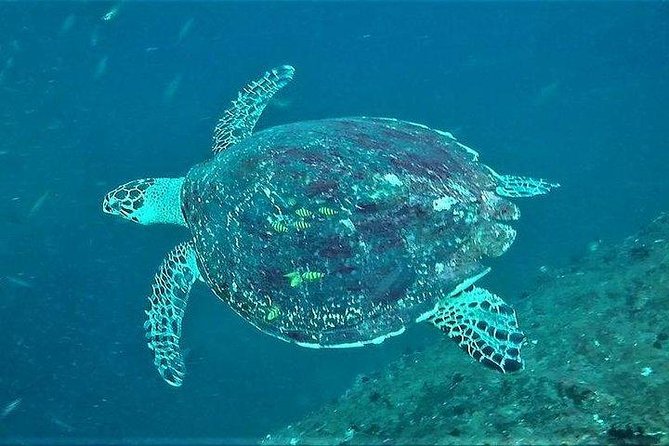
- Max 5 divers per group on boats designed for a smooth day at sea
- One-stop variety: reef, rock, wreck, and night-style underwater sessions depending on conditions
- Nitrox is free of charge, a big value if you’re certified to use it
- Marine life density: over 1,000 species at the sites, plus turtles and eagle rays
- 12L aluminum tanks (INT & DIN) and guide support included, so you don’t scramble for essentials
- If you’re planning Pigeon Island, budget the 15 euros entrance fee
Nilaveli’s reef sites match certified diver goals
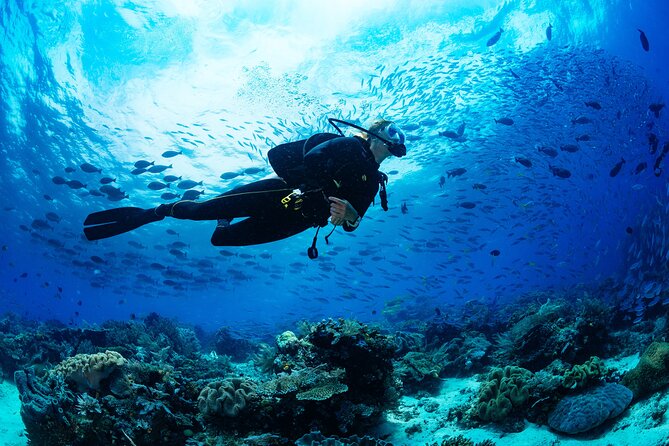
If you’re already certified, you usually want two things: good bottom time and a plan that doesn’t waste it. This outing is built for that. You’ll do either one or two guided underwater visits, with a surface interval on the boat when it’s two spots.
The local area around Nilaveli is especially worth it because you’re not stuck with one bland habitat. The program is set up to move between different kinds of underwater scenery—coral reefs and harder “structure” sites, plus deeper options when it fits your profile and the day’s plan.
And yes, the marine life is the headline here. Expect a strong chance of turtles and plenty of schooling fish, and at some times of year you might see larger pelagics, though those are never guaranteed.
You can also read our reviews of more tours and experiences in Sri Lanka.


What you actually get for the price (and why it’s fair)
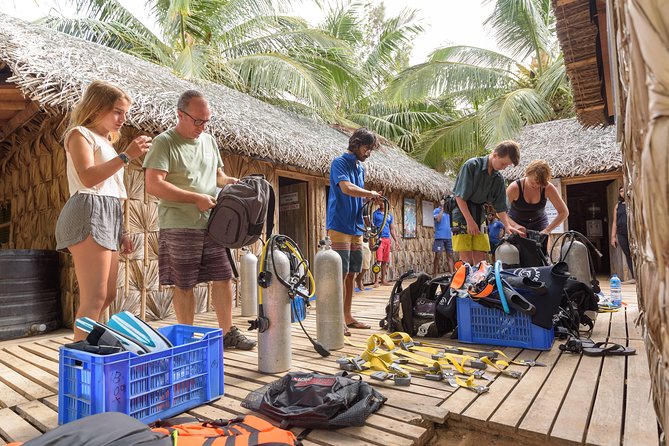
The price is $52.33 per person for about 4 hours, and it includes the practical stuff that usually adds up. You get tank, weights, guide support, plus the dive equipment rental: BCD, regulator, mask, fins, and wetsuit (your own gear also works).
On top of that, they feed you small comforts: bottled water, coffee and/or tea, and snacks are included. Lunch isn’t included, but the center has an on-site restaurant/cafe, which makes it easy to eat after you’re back (I like that this avoids the “what now?” feeling when you’re wet and tired).
The other value point: Nitrox is free of charge. If you’re Enriched Air certified (or planning to use Nitrox), that can meaningfully change the economics of a short outing like this.
What’s not included is also clear: lunch. So if you’re the type who gets hungry fast after a boat ride, plan to buy or eat after the session.
Morning vs afternoon timing: how the day really moves
The day is structured around registration times, not vague meeting windows. For the morning sessions, you check in at 8:30 am and you’ll typically be back around 10:30 am (for one spot) or 12:30 pm (for two spots). For the afternoon sessions, registration is 1:30 pm, with returns around 3:30 pm or 5 pm.
That matters because you can build the rest of your trip around it. If you’re staying nearby, you can still fit beach time, meals, or a light activity after you get back. If you’re on a tighter schedule, the one-spot option tends to keep things shorter.
Also pay attention to the “surface interval” if you book the two-site option. That break is built into the plan on the boat, so you’re not rushing between locations.
The small-group boat setup (and why max 5 feels better)
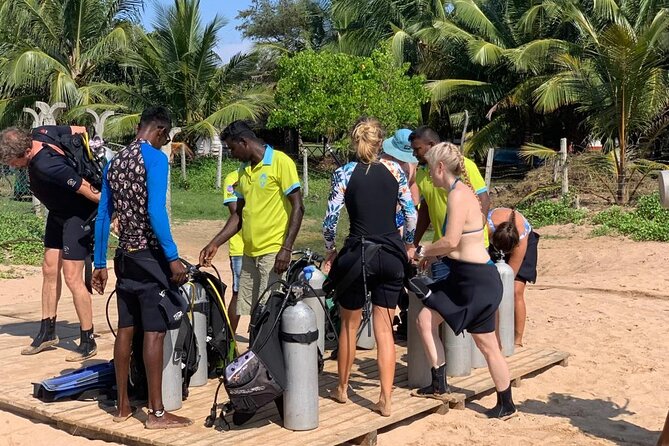
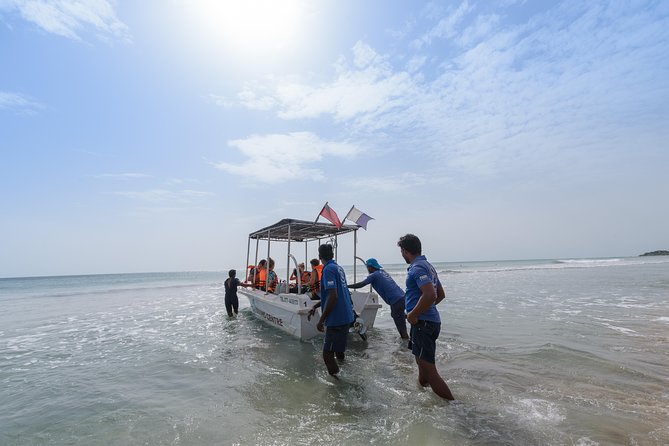
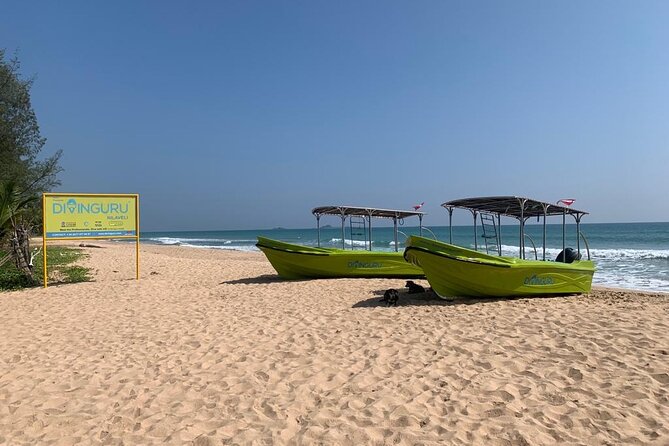
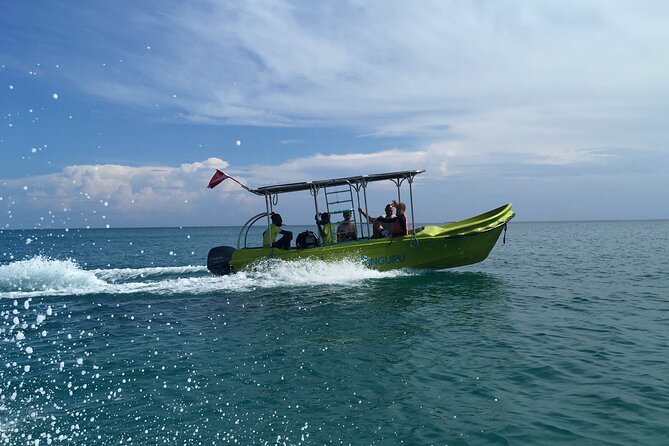
This is a small group operation. They typically run up to 5 divers, supported by one dive guide and one boatman. They have five boats, each using environmentally friendly four-stroke Yamaha outboard engines (built for short transfers and manageable speed).
I like this setup because it keeps the logistics calmer. When boats carry fewer divers, you spend less time waiting, and equipment checks can be more careful. Several divers also described the staff as professional and safety-focused, and that lines up with the “small group” design.
Another practical detail: in general they provide 12L aluminum tanks with both INT and DIN valves. If you use a different tank standard at home, it’s still handled here, which keeps the day moving.
Pigeon Island Marine Park: corals, turtles, and the shark odds
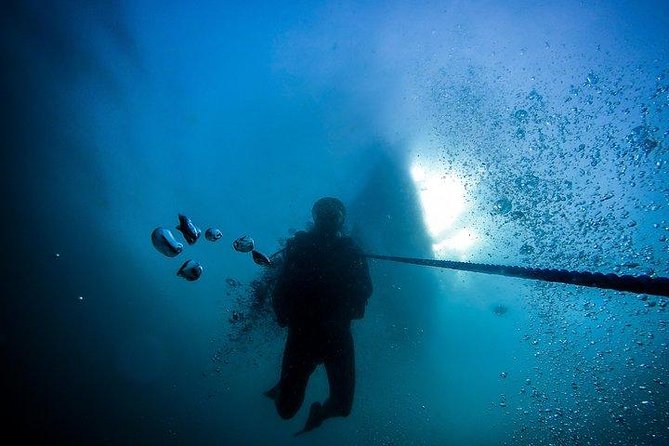
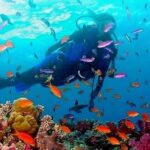
For many people, Pigeon Island Marine Park is the anchor site. The shallow areas are mostly covered in hard and soft corals, with tons of reef fish. You can also find black tip reef sharks and turtles in the shallow coral areas.
If you like the kind of diving (I mean scuba sessions) where you can look around without fighting strong currents, this is the kind of place that fits. It’s also a good choice if you’re trying to maximize variety—reef structure, schooling fish, and the chance of bigger sightings in the right season.
Just remember the cost reality: Pigeon Island requires an additional entrance fee of 15 euros. That’s separate from the tour price, so check before you go. If you’re traveling as a group, ask them to confirm how it will be collected.



The animal list: what you’re likely to see
This area can be very alive. The program describes reefs with over 1,000 species, and the common sightings can include:
- Eagle rays
- Blue-spotted stingrays
- Turtles
- Cuttlefish
- Barracuda and trevally
- Surgeon fish, fusiliers, and soldier fish
- Lionfish, sea stars, and more
Coral coverage is also a big part of the story: they mention over 200 species of hard corals and a wide mix of soft corals. That combination matters because it supports both fish life and the bigger animals that cruise around to feed.
Bigger animals like whale sharks, reef sharks, and mantas are described as possible, mostly from April to June, but also “really seldom.” That’s important: plan around the strong reef experience, not the large-animal lottery.
Depth range and site types: picking the right comfort level
One of the best parts of this offering is that it isn’t only “one type of reef.” The sites can range from about 6 to 30 meters, and the program mentions several categories:
- Reef sites
- Rock sites
- Wreck sites
- Night sessions (depending on conditions and what’s offered)
How does that help you as a certified diver? It gives you options. If you want an easier profile for relaxing and photography, you can often lean toward the shallower reefs around Pigeon Island. If you’re aiming for more depth experience, you might get deeper sites as the plan allows.
Also, you’ll get guided support throughout, so the site choice can adapt to the group’s comfort and the day’s conditions.
Gear comfort in the tropics: renting what you need, not what you fear
They rent complete scuba equipment: BCD, regulator, mask, fins, and wetsuit. In other words, you’re not stuck hunting for rentals on your own. They generally use 12L aluminum tanks, and the rental setup is designed to work with common standards.
One detail that stood out from divers is that the team may have short wetsuits available if you don’t want a full suit in the tropics. If that matters to you, ask ahead when confirming your booking.
What you should bring yourself is straightforward: your certification card, and any personal comfort items you prefer (like mask defog, a compass if you use one, or a small camera). Since the program provides the core equipment and support, the big value is showing up light and ready.
Getting from the shop to the sites: what “pickup offered” means for you
Pickup is listed as offered, and the meeting point is Divinguru Nilaveli (PADI 5 Star IDC Dive Resort). If you’re staying in the Nilaveli area, this can save time and hassle.
Even if you don’t use pickup, the logistics are still simple because the operation is local and the sites are close enough that you’re back in a few hours. That’s the key for a short “fun scuba” outing: you’re spending most of your time underwater and on the boat, not stuck in long transfers.
Safety and service style: what the guides seem to do well
Across the experience, divers highlight a common theme: instructors and guides who balance calm control with a real sense of fun. Names you may run into include Ellie and Norbert as instructors/guides, plus other team members like Rob and Geetha at the center.
In practice, that kind of service shows up in small ways: clear communication, patient equipment checks, and no rushed feeling during your setup. One recurring comment is that there’s time to breathe, ask questions, and get comfortable before you go under.
If you’re the type who gets anxious with gear or buoyancy, this is exactly the kind of operation you should look for because they’re set up to keep the group small and the attention per diver higher.
Price-to-experience fit: who gets the best value
This outing is best for certified divers who want:
- Varied sites without planning a full multi-day schedule
- A short, well-run session window
- The convenience of equipment rental and tank/weights handled
- Nitrox for free if you plan to use it
You may get less value if you’re a very advanced diver who needs specialized training, complex decompression planning, or a very long bottom time. This is built for “fun scuba sessions” and smooth days, not an extended technical program.
It also helps if you’re in decent physical shape. The program lists moderate physical fitness as appropriate, which makes sense for boat entry, gear handling, and some water movement.
Entrance fees and the real cost check before you go
The one clearly stated extra cost is the Pigeon Island Marine Park entrance fee (15 euros). Everything else on the gear and guidance side is included, including tank, weights, and the guide.
So when you budget, think like this:
- Start with the headline price
- Add the Pigeon Island fee if your plan includes that park
- Add lunch separately (since it’s not included)
I like that this keeps surprises limited.
Should you book Divinguru Nilaveli’s Fun Scuba sessions?
If you’re a certified diver and you want a calm, well-organized outing with strong reef life and small groups, I’d say yes. The max 5 divers setup, the included gear/tank/weights, and the fact that Nitrox is free are the big reasons this makes sense, especially for a short trip.
Book with confidence if:
- You want to see lots of reef life and coral diversity
- You prefer guided, structured sessions rather than DIY planning
- You’re okay with Pigeon Island potentially adding the 15 euro entrance fee
Skip or reconsider if:
- You’re not certified
- You’re hoping for guaranteed large pelagics (whale sharks/mantas are possible but rare)
- You want a long, training-heavy day rather than a short, fun, guided experience
If you time it well for the local season (notably April to June for the larger-animal odds), you’re set up for an excellent reef-focused day with minimal hassle.
FAQ
Do I need scuba certification?
Yes. The activity requires you to have a diving certification.
What time do I need to arrive for the morning option?
You need to be at the Divinguru Nilaveli center at 8:30 am for registration.
What time do I need to arrive for the afternoon option?
You need to be at the Divinguru Nilaveli center at 1:30 pm for registration.
How many dives do I do during the 4-hour experience?
You do either one fun scuba session (one boat ride with one dive spot) or two fun scuba sessions (one boat ride with two different dive spots and a surface interval on the boat).
What’s included in the price?
The price includes tank, weights, guide, and use of scuba equipment (BCD, regulator, mask, fins, wetsuit), plus bottled water, coffee and/or tea, and snacks. Lunch is not included.
Is Nitrox available?
Yes. Nitrox at the Divinguru Nilaveli diving center is free of charge.
Are there extra fees for Pigeon Island?
Yes. For Pigeon Island you must pay an additional entrance fee of 15 euros.
What if weather is bad or plans change?
The experience requires good weather. If it’s canceled due to poor weather, you’ll be offered a different date or a full refund. You can also cancel for a full refund up to 24 hours in advance; changes inside 24 hours aren’t accepted.

![Adam’s Peak Night Hike Experience [One Day & ALL INCLUSIVE] - Weligama pickup, mobile ticket, and a private group day](https://m.exploringsrilanka.com/wp-content/uploads/adams-peak-night-hike-experience-one-day-all-inclusive-400x267.jpg)