Your first underwater certification starts in Nilaveli.
This PADI Scuba Diver course with Divinguru Sri Lanka turns you from curious on the surface into a confident, coached diver for up to 12 m with a PADI professional. I like the way the setup feels organized and beginner-friendly, and how the instructors (including Ellie and Norbert, plus Gita and Yannis) consistently emphasize calm, patient instruction.
Two parts of this experience really stand out for me. First, you get a clear learning path: theory in the morning/early hours, then confined-water skills practice, then open-water training with a tight focus on control and safety. Second, the package includes the practical stuff that usually adds hassle on a short trip: private transportation, equipment, bottled water, snacks, and coffee/tea.
The main drawback to plan for is cost and depth limits. The course fee does not include the 70 euros PADI fee for the manual/certification materials, and this certification caps you at 12 m while staying with a professional (not independent buddy diving to 18 m).
In This Review
- Key Things You’ll Notice Right Away
- Nilaveli Setup: Where the Training Starts (and Why It’s Easy)
- What PADI Scuba Diver Really Means: 12 m With a Pro
- Your Course Breakdown: Theory, Confined Water, Then Open-Water Training
- The half-day theory block
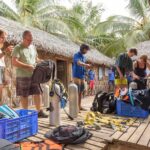
- The half-day confined-water practice
- The open-water training day (two sessions)
- Equipment, Snacks, and the Logistics That Reduce Stress
- Instructors and Safety Style: Calm Coaching Makes the Difference
- Price and Value: The Course Fee vs the 70€ PADI Portion
- Who This Is Best For (and Who Might Choose Open Water Instead)
- Practical Tips to Get the Most From Your Training
- Should You Book This PADI Scuba Diver Course in Sri Lanka?
- FAQ
- What does the PADI Scuba Diver certification let me do?
- How long is the course?
- Is the PADI fee included in the course price?
- What’s included in the course fee?
- What is not included?
- Where does the course start and end?
- Are there any limits on group size?
- Does weather affect the schedule?
Key Things You’ll Notice Right Away
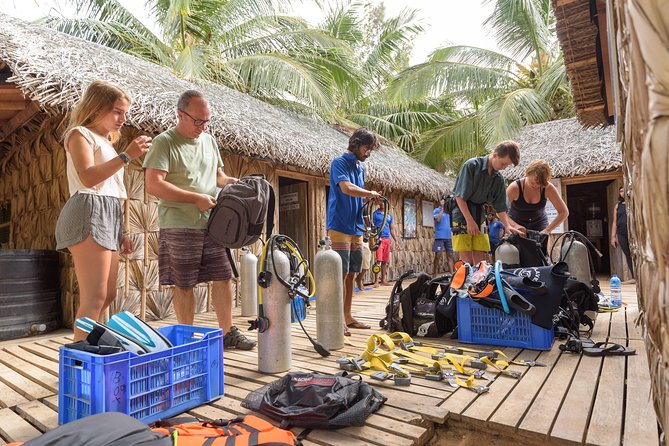
- Small groups (max 8): More hands-on attention when you’re learning buoyancy and basic skills
- Clear PADI structure: Theory (first 3 sections, no exam), confined-water skills, then open-water training
- Equipment and comfort basics included: Scuba gear plus bottled water, snacks, and coffee/tea
- Professional-led limits: Max 12 m and you dive with a PADI professional under this credential
- Cost split matters: Course price excludes the PADI fee of 70 euros for manual/certification items
Nilaveli Setup: Where the Training Starts (and Why It’s Easy)
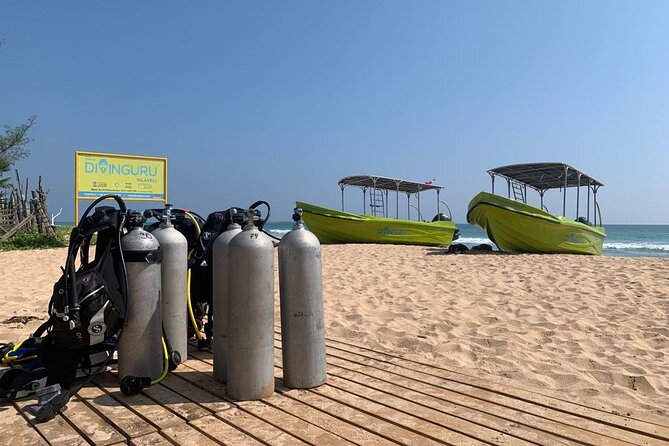
The meeting point is Divinguru Nilaveli at the PADI 5 Star IDC resort in Nilaveli (Trincomalee area). This matters because it keeps your first day simple: you’re not trying to figure out logistics after a long travel day. The course also includes pickup offered, plus private transportation, so you’re less likely to waste energy on directions and timing.
Nilaveli is known for diving conditions, and in this course context that’s helpful because your training needs consistency. You’ll spend your time learning fundamentals—breathing control, buoyancy, equipment handling—so the smoother the environment, the faster you connect the classroom concepts to what your body needs underwater.
One more practical point: your group size is capped at 8 travelers. In a skills-based course, that’s a real quality-of-life detail. Smaller groups tend to mean fewer “waiting your turn” moments when you’re still building comfort with mask, regulator, and breathing pace.
You can also read our reviews of more tours and experiences in Sri Lanka.


What PADI Scuba Diver Really Means: 12 m With a Pro
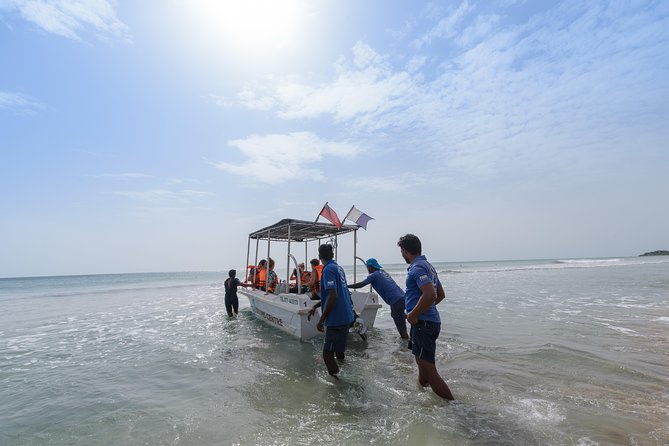
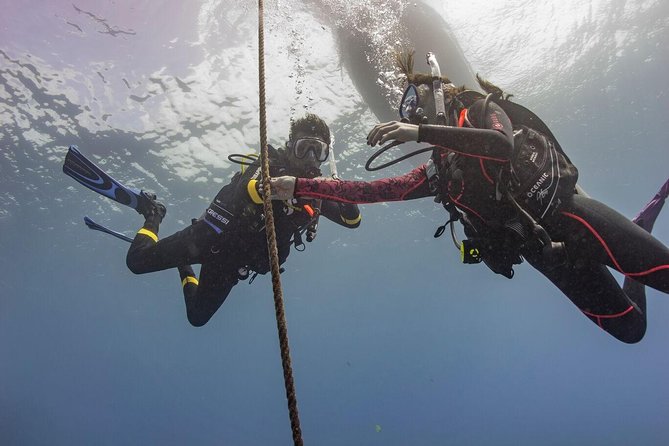
This is a subset of the PADI Open Water Diver course, meaning it’s the entry point and not the full license. The key rule is straightforward: the PADI Scuba Diver certification allows you to dive together with a PADI Professional to a maximum of 12 m.
If your end goal is to be completely independent and dive with your buddy up to 18 m, you’ll want the PADI Open Water Diver course instead. That choice affects your budget and time, but it also affects how you’ll plan future trips. If you think you’ll want more freedom soon, you might decide to treat this as step one and upgrade later.
So the “value question” isn’t only whether you like the underwater experience. It’s also whether you want a lightweight entry credential now or a more independent one right away. This course is ideal if you want to start diving confidently and safely, with training wheels in the form of professional-led limits.
Your Course Breakdown: Theory, Confined Water, Then Open-Water Training
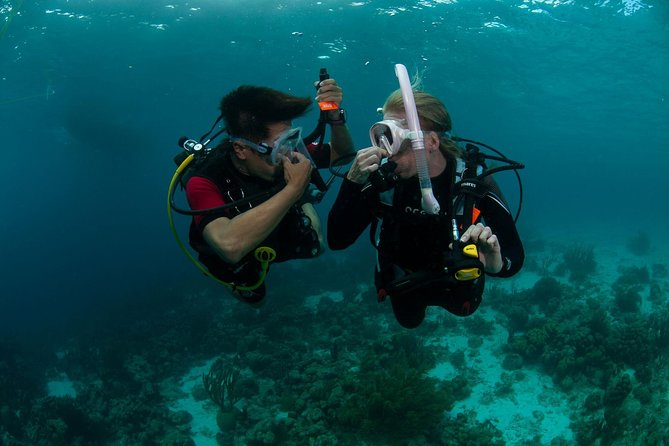
The course runs around 2 to 3 days (often about 2 days in practice), with a mix of classroom/theory and in-water skill development. The schedule is built around how adults actually learn: first the concepts, then controlled practice, then the real setting with open water.
The half-day theory block
You’ll complete the theoretical part using the first 3 sections of the PADI Open Water course, but without the exam. This is a smart design for beginners. Instead of turning the course into a test, you focus on understanding what your body and equipment are doing—how buoyancy works, how to communicate, what to do in common situations, and how the safety framework fits together.
You should expect this to feel more like learning how to think underwater than memorizing facts. If you’re the type who likes clarity and structure, this approach usually clicks fast.
The half-day confined-water practice
Next comes the confined-water training, described as the first 3 dives of the PADI Open Water curriculum. Confined water is where you build muscle memory: you repeat key skills until they feel normal. For many people, this is the first time they really understand how breathing pace and posture affect everything.
This is also where instructor quality really shows. A patient coach can correct small things quickly—mask position, body angle, pacing—so you don’t develop habits that you’ll struggle with later.


The open-water training day (two sessions)
On the open-water day, you’ll do two open-water training sessions. The timing listed is 8:30 am to around 1 pm, so plan for an early start and a busy morning. These sessions are where you integrate what you learned: you’ll apply the basic skills in a more realistic setting, still under close supervision.
If you’re worried about nerves, remember this pacing. By the time you reach the open-water portion, you’ve already had theory plus confined-water practice, so you’re not going in cold.
Equipment, Snacks, and the Logistics That Reduce Stress
Included in the course are scuba equipment, plus bottled water, snacks, and coffee/tea. That sounds basic, but in a short certification timeline, small comforts add up.
Why it matters:
- Gear included means you’re not shopping, renting, or guessing what model fits you.
- Bottled water, snacks, and coffee/tea help you stay steady during early starts, especially if you’re learning while tired.
- Private transportation keeps the day from turning into a group “wait and shuffle” situation.
You’ll also receive a mobile ticket, which simplifies check-in on the day. No one wants to lose time hunting for documents.
The only “missing” item you should plan around is lunch. Since the open-water window ends around early afternoon, you’ll want to have a plan for food after the sessions, either through the resort nearby or by asking the center what’s convenient that day.
Instructors and Safety Style: Calm Coaching Makes the Difference
This is the part you can’t see in the brochure, but it shows up in how beginners feel. The feedback around this center consistently highlights a safety-first attitude and patient teaching.
Specific instructor names come up often:
- Ellie is praised for being patient, informative, and making people feel safe and comfortable.
- Norbert gets credit for explaining things clearly and staying calm underwater, which is huge for beginner confidence.
- Gita is noted for being patient and supportive and for helping the whole group feel secure.
- Other instructors mentioned include Yannis, Nico, and a team that includes staff such as Patrick and Tharshanth for safe, competent handling.
Even without getting overly technical, you can use this pattern to judge fit. If you’re a nervous learner, you’ll probably appreciate instructors who don’t rush you and who explain why each skill matters. If you’re comfortable learning by doing, you’ll still benefit from calm coaching because your body relaxes when the instructor’s communication is steady.
Also, the center’s group structure (maximum 8) supports this approach. Fewer students usually means fewer distractions, and you’re more likely to get corrections before habits form.
Price and Value: The Course Fee vs the 70€ PADI Portion
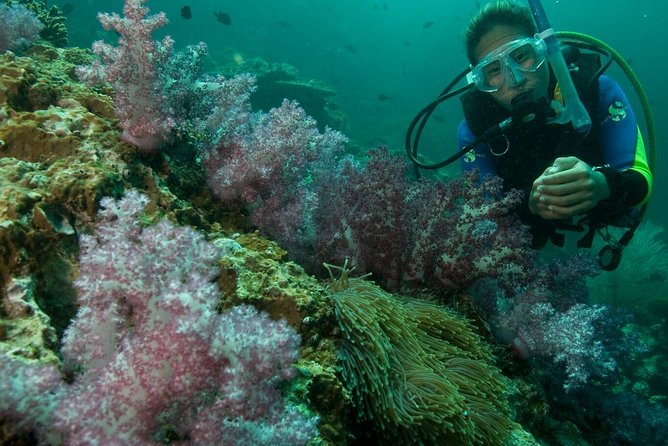
The price listed is $232.57 per person, and that’s for the course package provided by the operator. The fine print you must catch: the PADI fee of 70 euros is not included in the course fee.
That 70 euros is for the PADI Scuba Diver Manual and certification costs (and it’s noted as not included unless you do it via PADI eLearning). The note also mentions that certificate and teaching materials are not included except the PADI eLearning component.
So how do you judge value?
Think of the price as two layers:
- What you pay for the training experience: equipment use, supervision, transport, and the learning days.
- What you pay to PADI for the official materials and certification: the 70 euros fee.
If you only compare the $232.57 number, you’ll be surprised later. If you add the missing 70 euros to your total planning, you’ll get a much more accurate picture.
One more value note: this course is short. For many people, that’s the point. You’re buying a structured start with real instruction, not a long program stretching your vacation.
Lunch not included is the other small cost detail. It’s minor, but on a half-day schedule you’ll feel it.
Who This Is Best For (and Who Might Choose Open Water Instead)
This PADI Scuba Diver course is a great choice if:
- You want a first certification that focuses on fundamentals and safety.
- You’re okay with diving up to 12 m with a PADI professional.
- You’d rather get started soon and build confidence, then decide if you want full independence later.
It may not be ideal if:
- You specifically want to dive independently to 18 m right away. In that case, the PADI Open Water Diver course is the better match.
- You’re trying to minimize total cost and you don’t want separate certification/material fees. Because the 70 euros PADI portion is separate, your planning needs to reflect that.
Fitness is also mentioned: travelers should have moderate physical fitness. That doesn’t mean you need to be an athlete. But you should be comfortable with basic swimming, equipment comfort, and staying calm during breathing exercises.
Finally, weather matters. This experience requires good weather, and if it’s canceled due to poor conditions, you’ll be offered a different date or a full refund.
Practical Tips to Get the Most From Your Training
You can’t control the sea, but you can control how prepared you show up.
- Take the theory sections seriously. Even without an exam, understanding the “why” helps your skills click faster.
- Treat the confined-water practice as your foundation. If you nail buoyancy and breathing here, the open-water sessions feel far less stressful.
- Listen for calm corrections. Instructors like Ellie and Norbert are repeatedly praised for steady, confidence-building guidance. Lean into that style instead of trying to muscle through.
- Plan for lunch afterward. Your schedule ends around early afternoon, and being hungry makes everything feel harder.
Also, if you’re thinking about future certifications, this course can act like your entry ticket. The PADI Scuba Diver credential is built to get you going, and many people follow with more advanced training once they know how they feel underwater.
Should You Book This PADI Scuba Diver Course in Sri Lanka?
Yes, if you want a well-structured first certification in Nilaveli with a center that clearly focuses on safety and beginner comfort. The small group size (max 8), included equipment, and the instructor track record around patience and calm coaching are the big reasons this feels like good value.
I’d think twice if you want full independence to 18 m immediately, because this certification keeps you within 12 m with a PADI professional. And make sure you budget for the 70 euros PADI fee that’s not included.
If you want a confident start and you’re okay with the limits of the Scuba Diver credential, booking is a smart move.
FAQ
What does the PADI Scuba Diver certification let me do?
It allows you to dive together with a PADI Professional to a maximum depth of 12 m.
How long is the course?
The PADI Scuba Diver course takes around 2 to 3 days.
Is the PADI fee included in the course price?
No. A PADI fee of 70 euros for the PADI Scuba Diver Manual and certification costs is not included.
What’s included in the course fee?
Included items are bottled water, coffee and/or tea, private transportation, snacks, and the use of scuba equipment.
What is not included?
Lunch is not included, and the PADI manual/certification-related fee of 70 euros is also not included (certificate and teaching materials, except for PADI eLearning).
Where does the course start and end?
It starts at Divinguru Nilaveli, PADI 5 Star IDC Dive Resort, and the activity ends back at the same meeting point.
Are there any limits on group size?
Yes. The maximum group size is 8 travelers.
Does weather affect the schedule?
Yes. The experience requires good weather, and if canceled due to poor weather you’ll be offered a different date or a full refund.