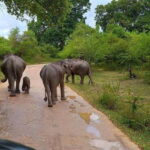
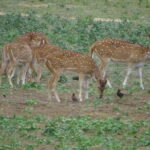
You’ll trade traffic for animal sightings. This private Udawalawe safari mixes 4×4 game-drive time with a stop at the Elephant Transit Home, so you get both wild behavior and human care in one trip. I like that it’s flexible, and you can take as much time as you want watching animals, not just rush to the next spot. I also like the guide focus: an English-speaking driver/guide with 10 years’ experience who aims for the best viewing areas. The one catch is the cost of entry tickets, since park and transit home tickets are not included in the tour price.
Udawalawe National Park covers 308 square kilometers and sits on the boundary of the Sabaragamuwa and Uva provinces. It was established in 1972 to protect the catchment area of the Udawalawe Reservoir, so the wildlife here is tightly connected to water and open grassland. Add the Elephant Transit Home visit, and you’re not only looking for elephants—you’re learning how this ecosystem and conservation work together.
Plan for about 5 hours total, with the safari portion described as a 4-hour experience. It’s also not the best choice if you have mobility limitations, since a safari jeep ride can be bumpy and getting in and out of the vehicle isn’t designed for wheelchairs or walkers.
In This Review
- Key highlights at a glance
- Why Udawalawe is such a good wildlife choice
- Private 4×4 safari jeep: control and comfort
- The 5-hour rhythm: pickup, safari time, and the transit home stop
- Where you’ll spot wildlife: grasslands, forests, wetlands
- Wildlife spotting tips that actually matter on this safari
- Listen for the guide’s logic, not only the sighting
- Be ready when the action starts
- Elephant Transit Home: what this adds to the day
- Price and value: the safari cost vs. real total spend
- What’s included (and what you need to bring)
- Practical comfort and who this tour suits best
- FAQ
- FAQ
- How long is the Udawalawe safari and Elephant Transit Home experience?
- Is this tour private?
- What’s included in the tour price?
- Are park and Elephant Transit Home tickets included?
- What wildlife might I see in Udawalawe?
- Is there an English guide?
- Is the tour accessible for people with mobility impairments?
- Should you book this Udawalawe National Park Safari and Elephant Transit Home tour?
Key highlights at a glance
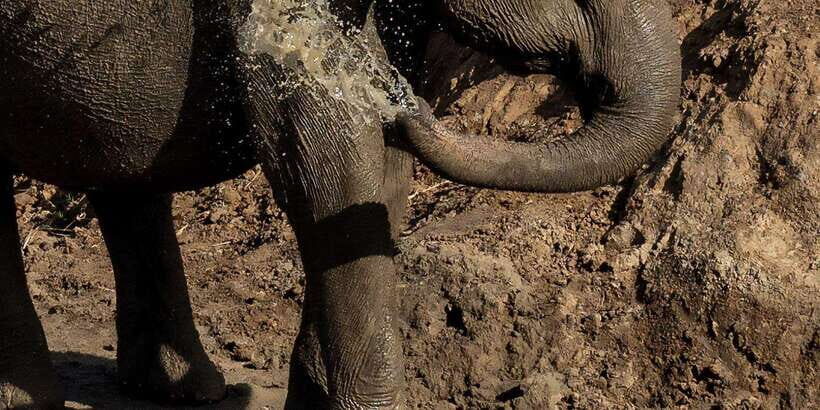
- Private 4×4 safari jeep for a calmer ride and more control over pacing
- English live guide with 10+ years’ experience spotting wildlife
- Flexible animal viewing time so you can slow down when you find action
- Elephant Transit Home visit included as a second “why this matters” stop
- Snacks and bottled water included during the outing
- Free hotel pickup/drop within the Udawalawe area
Why Udawalawe is such a good wildlife choice
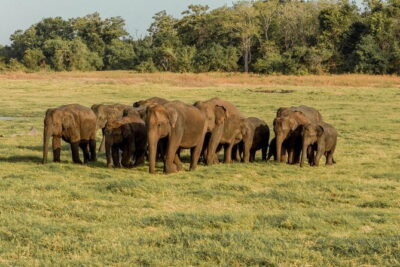
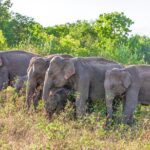
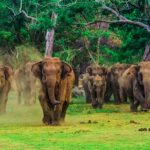
Udawalawe is one of Sri Lanka’s top places for wildlife viewing, and the reason is simple: the park’s water and grassland layout pull animals into view. You’re not guessing in the dark. The guide steers you toward productive areas based on what’s happening that day.
The park itself is built on a smart conservation purpose. It was established in 1972 to protect the catchment area feeding the Udawalawe Reservoir. That matters because it keeps the habitat functioning—grasslands, forests, and wetlands all connected by water. When habitat stays stable, animals tend to show up more consistently.
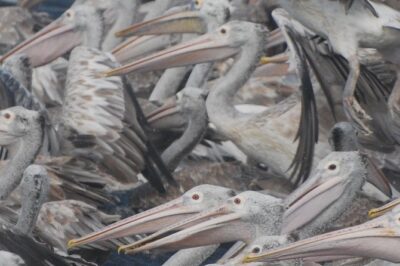
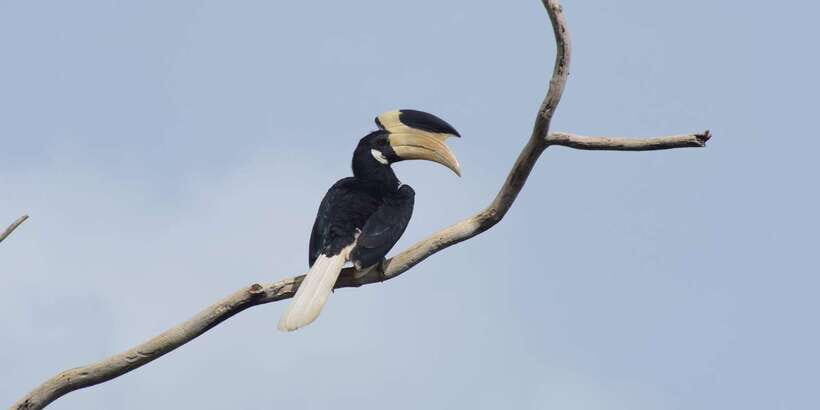
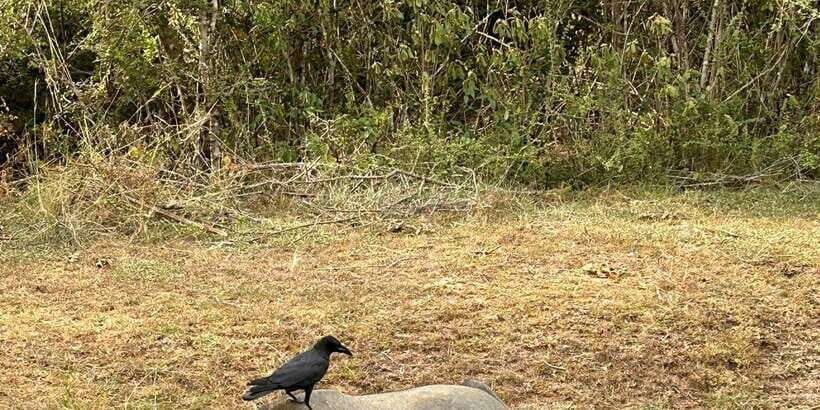
Also, you’re in prime “endemic bird” country. If you like birdwatching, Udawalawe can be satisfying beyond elephants. The park is known for endemic species like the Sri Lankan Jungle fowl, Sri Lankan Spurfowl, and Sri Lankan Wood shrike. Even if you don’t bring fancy gear, your guide can help you identify what you’re seeing.
You can also read our reviews of more tours and experiences in Sri Lanka.

Private 4×4 safari jeep: control and comfort
This is a private tour, which instantly changes the experience. You’re not stuck behind a huge group that needs to keep moving, and you’re not negotiating where the jeep parks. With a private setup, you can pause when an animal appears at the edge of the road.
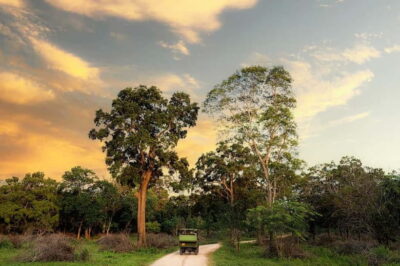
The vehicle is a 4×4 safari jeep. That’s not just marketing. These tracks can be uneven, and the jeep is meant for getting you through the park without turning the ride into a stress test. You’ll also have a guide who’s driving and spotting, so you can focus on scanning and listening rather than coordinating everything yourself.
One small but important detail: the tour includes snacks and bottled water. Even if you’re not hungry, having something to nibble during the drive keeps energy steady, especially if animal sightings stretch your waiting time.
The 5-hour rhythm: pickup, safari time, and the transit home stop
Your day is built around two main blocks: a safari game drive and the Elephant Transit Home visit. Total duration is listed as 5 hours, which usually means you get a full outing without feeling like you lost most of your day to logistics.
Here’s the flow to expect:
- Free pickup and drop (Udawalawe area)
You start with hotel pickup, so you’re not dealing with finding your own route into the park. That convenience is real value, especially if you’re staying in town or don’t want to spend your daylight hours on transportation.
- Safari in the national park (4-hour safari experience)
During the safari, the guide takes you to likely spotting areas across grasslands, forests, and wetlands. You’ll have time to watch and re-watch as animals move. This tour is described as allowing you to take as much time as you want during sightings, which helps if you’re the type who likes to confirm behavior rather than just grab a quick photo.
- Elephant Transit Home visit
After the safari portion, you’ll head to the Elephant Transit Home. The tour includes the visit itself, but the transit home entry tickets are not included, so plan for that extra cost. This stop adds a different kind of “up close” learning—more about elephants and how care and rescue efforts fit into the landscape you just saw from the jeep.
- Snacks and bottled water during the outing
Expect those during the tour window rather than a full meal. It’s important because the listing specifies snacks and water, not breakfast or lunch.
Where you’ll spot wildlife: grasslands, forests, wetlands
Udawalawe isn’t one single habitat. You’ll experience multiple types during the safari, which is why it’s possible to see different species in the same trip.
- Grasslands: Great for animals that rely on open visibility. This is often where you’ll spot larger mammals moving or feeding.
- Forests: Useful for smaller predators and animals that prefer cover, plus birds that work the edges.
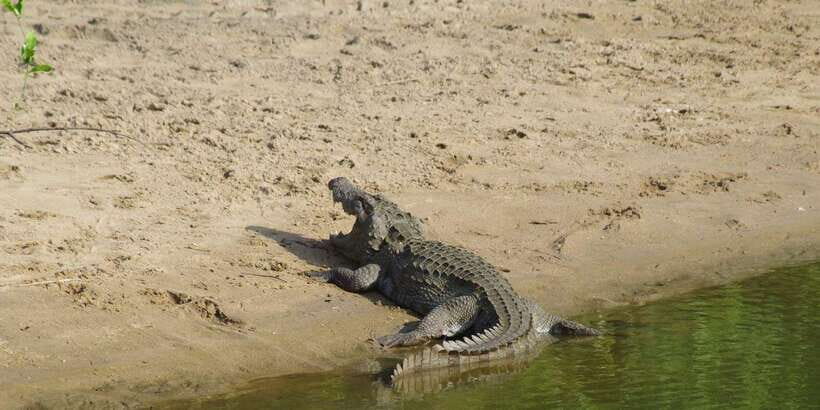
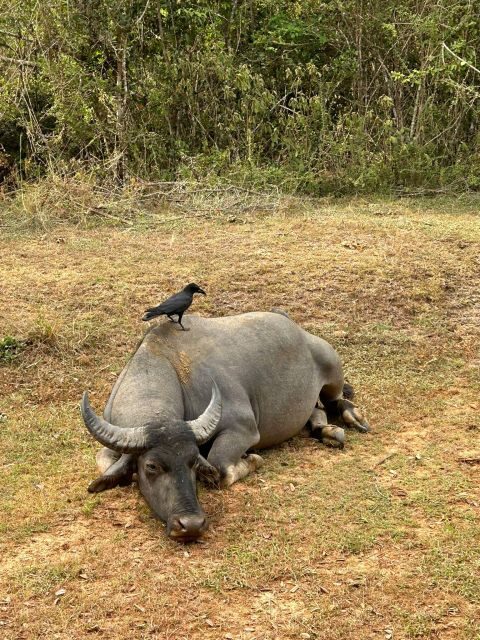
- Wetlands: Where water draws wildlife. If you’re hoping to see crocodiles or water buffalo, this is where your odds tend to improve.
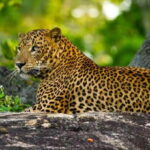
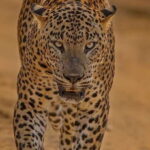
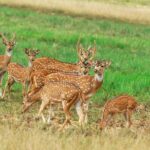
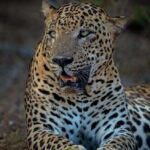
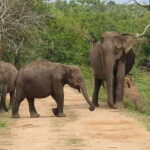
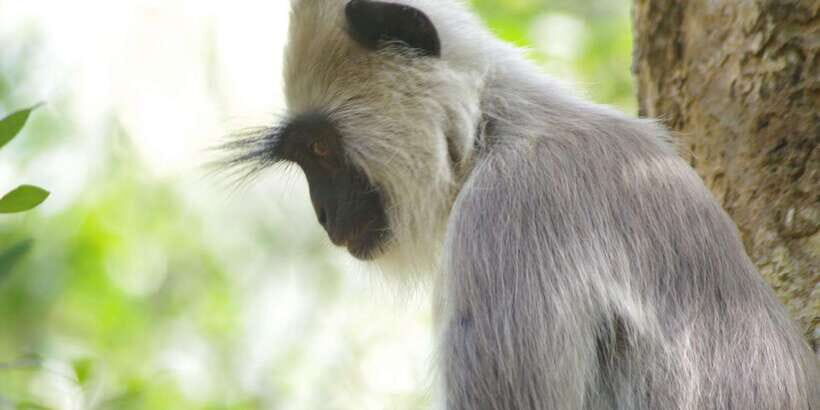
This tour explicitly calls out a wide range of potential sightings, including elephants, leopards, sambar deer, jungle cats, crocodiles, water buffalo, foxes, mongooses, jackals, and wild boar. You’ll also see a variety of birds, including endemic species.
Now, a balanced note: the guide can do a lot, but wildlife has its own schedule. The value here is that your guide is actively searching and positioning the jeep for good viewing windows.
Wildlife spotting tips that actually matter on this safari
The biggest advantage of an experienced guide is not just knowing the park. It’s knowing where to put the vehicle when animals are likely to appear. The tour notes that the guide has 10 years of experience, and that shows up in practical choices like driving routes and stopping strategies.
Based on how the experience is described, you should look for two things:

Listen for the guide’s logic, not only the sighting
When you hear the guide explain what you’re looking for, the spotting gets easier. It turns your time in the jeep into something educational, not just “wait and hope.”
Be ready when the action starts
One of the strongest themes in the feedback is that the guides work hard to find animals and adjust routes—sometimes using less crowded roads—so sightings can be closer and more relaxed. That’s good news for your photos and for your patience.
If you want a smooth day:
- Bring a camera strap or secure grip for quick moments.
- Keep your phone charged enough for a full safari window.
- Dress for a warm day and cooler shade, since you’ll bounce between sun and tree cover.
Elephant Transit Home: what this adds to the day
The Elephant Transit Home stop is included, and tickets are listed as not included. That’s worth planning for, because it’s easy to mentally budget only for the safari jeep portion.
Why is the transit home visit a good pairing with a national park safari? Because you get two angles at once:
- In the park, you’re watching elephants as part of a wild ecosystem.
- At the transit home, you’re seeing how elephants are handled and supported during transitions.
Even if you know nothing about elephant rescue or rehabilitation going in, the visit tends to add meaning. You’re not only chasing sightings—you’re understanding why conservation depends on both habitat and care.
Price and value: the safari cost vs. real total spend
The tour price is listed as $40 per person, and the safari lasts about 5 hours total. That’s a fair base price for a private 4×4 safari jeep, plus an English live guide and pickup/drop within the Udawalawe area.
But here’s the part you should budget for early: Udawalawe National Park entry tickets are not included and are listed at $37 per person. Elephant Transit Home entry tickets are also not included (ticket price not provided here).
So, the realistic planning number is at least:
- $40 (tour) + $37 (park entry) = $77 per person minimum, plus transit home ticket cost.
Is it still good value? For many people, yes—especially if you value a private vehicle, flexible viewing time, and a guide who actively tries to locate animals rather than just driving a fixed loop.
Also, if you’re splitting the difference between doing this yourself vs. hiring a private driver, the “included” pickup/drop plus guide time often reduces hassle costs you can’t easily put a dollar figure on.
What’s included (and what you need to bring)
Included:
- 4×4 private safari jeep
- Elephant Transit Home visit
- Driver/guide with more than 10 years’ experience
- Free hotel pickup and drop (Udawalawe area)
- Snacks and bottled water
- Live English tour guide
Not included:
- Udawalawe National Park entry tickets (listed $37 per-person)
- Elephant Transit Home entry tickets
- Breakfast or lunch
Not allowed:
- Drones
- Alcohol and drugs
That “no alcohol” rule is normal for wildlife days, but it also signals the trip is run with a safety-first mindset—less chaos, more focus.
Practical comfort and who this tour suits best
This tour uses a safari jeep and a guided route through the park. That usually means it’s best for people who can comfortably sit for long stretches and move in and out of the vehicle.
Not suitable for people with mobility impairments, based on the provided info. If that affects you or someone in your group, look for an alternate format that offers a higher level of accessibility.
Who I think will love it:
- Wildlife fans who want elephants and more than elephants
- Birdwatchers interested in endemic species
- People who want a calmer, private experience rather than a group scramble
- Anyone who likes guided context—this is more than just a drive around
Who might find it less ideal:
- People on a super-tight budget after factoring in entry tickets
- Anyone needing a full meal included (snacks and water are covered, not lunch)
FAQ
FAQ
How long is the Udawalawe safari and Elephant Transit Home experience?
The total duration is listed as 5 hours, with the safari portion described as a 4-hour safari.
Is this tour private?
Yes. It’s a private tour with a 4×4 private safari jeep.
What’s included in the tour price?
Included are the private 4×4 safari jeep, the Elephant Transit Home visit, an English live driver/guide with 10+ years of experience, and free hotel pickup and drop in the Udawalawe area. Snacks and bottled water are also included.
Are park and Elephant Transit Home tickets included?
No. Udawalawe National Park entry tickets are not included (listed at $37 per person), and Elephant Transit Home entry tickets are also not included.
What wildlife might I see in Udawalawe?
The tour information lists possible sightings such as elephants, leopards, sambar deer, jungle cats, crocodiles, water buffalo, foxes, mongooses, jackals, wild boar, and various bird species (including endemic birds).
Is there an English guide?
Yes. The tour includes a live tour guide in English.
Is the tour accessible for people with mobility impairments?
No, it’s not suitable for people with mobility impairments.
Should you book this Udawalawe National Park Safari and Elephant Transit Home tour?
If you want a wildlife day that feels organized but not rushed, I’d book it. The private jeep setup, flexible viewing time, and a guide with 10+ years of experience are the real reasons it works.
Just do one homework step before you confirm: budget the extra entry ticket costs. With park entry at $37 per person plus additional Elephant Transit Home ticket costs, your final spend will be higher than the $40 tour price.
For most people chasing elephants, birds, and a meaningful conservation stop, this is a strong use of half a day in Sri Lanka’s eastern wildlife zone.