Kumana’s wildlife happens fast. This Kumana National Park safari in Sri Lanka’s Eastern Province is built around getting you into the park at the right time for birds, elephants, leopards, deer, and crocodiles, with the kind of birdwatching payoff you’d expect from a place with 200+ species. I like that the day is structured for real sightings (not just driving by), and I also like the comfort factor: 4×4 safari jeeps with small groups. One drawback to keep in mind: the experience can be affected by rain and transport comfort, so pack smart and don’t assume every vehicle will feel the same.
You can also choose morning or afternoon, which matters because wildlife activity shifts through the day. It’s a good fit if you want nature time with guided help, and you’re okay paying park entry separately.
Key things to know before you go
- Birdwatching focus at Kumana Villu: mangrove habitat that attracts lots of birdlife, including migratory species
- A real wildlife search, not a scenic drive: the route is designed around chances for big mammals
- Small-group comfort: safari jeeps max at 6 passengers; for 6+ people, you may get a private jeep
- 4 hours inside the park: enough time to do some serious spotting and repositioning
- English live guide plus audio: guidance is part of the value, not an afterthought
- Rain and seating can change the experience: if it rains, plan for wet conditions in the back
In This Review
- Kumana National Park (Yala East): Why This Safari Feels Different
- Morning vs Afternoon: Picking the Right 6-Hour Window
- Pickup Routes from Panama, Pottuvil, or Arugam Bay
- The 4×4 Jeep and Small-Group Comfort (Max 6)
- Inside Kumana: Kumana Villu Mangroves and Kumbukkan Oya
- Kumana Villu (Mangrove swamp)
- Kumbukkan Oya (scenic river through the park)
- Wildlife Targets That Drive the Day: Birds, Leopards, Elephants, Deer, Crocodiles
- What to expect on a real safari day
- How the Guide Adds Value (and When It Can Fall Flat)
- Price and Value: What $47 Gets You (Plus What’s Extra)
- Practical Tips That Make a Difference in Kumana
- Who This Safari Fits Best (and Who Should Rethink It)
- Should You Book This Kumana Morning or Afternoon Safari?
- FAQ
- How long is the Kumana National Park safari tour?
- Where are the pickup and drop-off locations?
- Is the national park entry ticket included in the price?
- What wildlife and birds can I expect to look for?
- What language is the tour guide, and is there an audio guide?
- Is food or drinks included?
Kumana National Park (Yala East): Why This Safari Feels Different
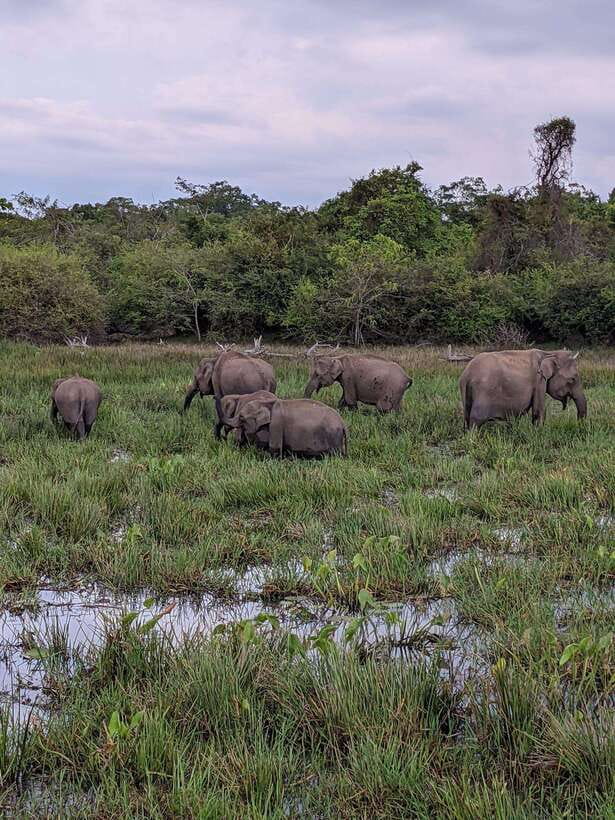
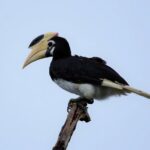
Kumana National Park, often called Yala East, is one of the best reasons to spend time in Sri Lanka’s east. The big draw here isn’t only mammals. It’s birds. The park holds over 200 bird species, including migratory types that show up seasonally. If you’re the kind of person who actually enjoys bird IDs and quick scans for motion in the trees, this is where that hobby pays off.
The best thing about this tour style is that it’s designed around spotting chances. You aren’t just “going to a national park.” You’re getting guided help through the park’s key areas, where the habitat makes wildlife more likely to show up when you’re looking for it.
And you’re not stuck with a huge bus-load. The safari vehicle is a 4×4 jeep for up to 6 passengers, which usually makes it easier to move, keep eyes on the same direction, and take photos without constant crowding.
Morning vs Afternoon: Picking the Right 6-Hour Window
You’ll typically be choosing between a morning or afternoon departure (exact start times depend on availability). That choice isn’t just a preference form. It affects how the day feels in the field.
Here’s the practical way to think about it:
- Morning safari often works well when you want the day to feel active from the start and you like getting your first wildlife hits early.
- Afternoon safari can still be excellent, especially for birds and animals that move later as temperatures shift.
Since the total duration is about 6 hours, your day has a built-in rhythm: pickup, then travel to the park, then about 4 hours of sightseeing inside. If you’re deciding between morning and afternoon, choose what matches your energy level and your tolerance for a longer day in sun or rain.
One more reality check: weather changes the experience quickly here. If rain is in the forecast, you’ll likely want a light waterproof layer and a way to protect your camera bag.
You can also read our reviews of more tours and experiences in Sri Lanka.
Pickup Routes from Panama, Pottuvil, or Arugam Bay
The tour uses three pickup options near Kumana: Panama, Pottuvil, and Arugam Bay. That’s helpful because you don’t have to reorganize your whole trip around a single meeting point.
Pickup is complimentary, and you should plan to wait about 10 minutes early in the lobby. The transfer portion is listed as about 1 hour by jeep/SUV, which means you’re not burning half a day just getting there.
The ride time matters for two reasons:
- You’ll want to arrive at the park when visibility and animal activity are best for your chosen time slot.
- Comfort matters because you’ll likely be scanning for wildlife almost nonstop once you reach the park.
Small practical tip: if your hotel is far from the actual lobby area, ask the operator ahead of time where the driver expects you to meet. You’ll lose less time and stay on schedule.
The 4×4 Jeep and Small-Group Comfort (Max 6)
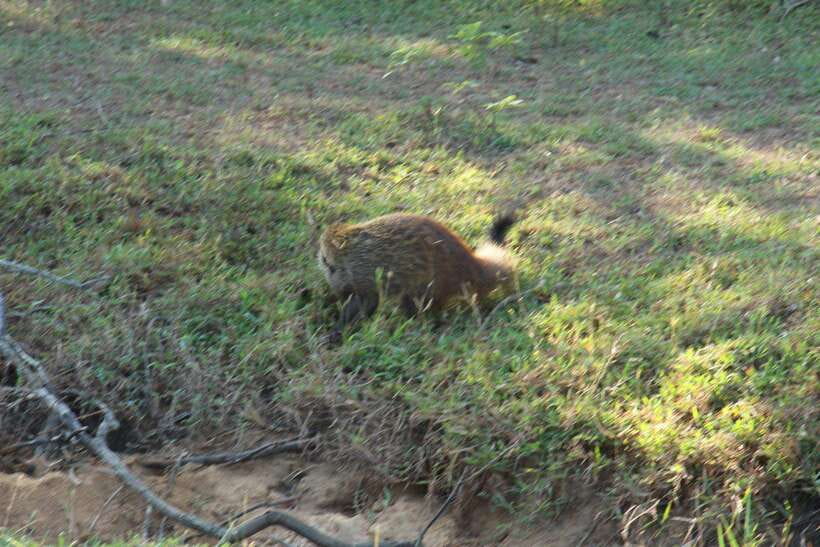
This safari is run in a 4×4 safari jeep and is designed around a small group: up to 6 passengers. If your booking includes 6 or more people, you may get a private jeep setup, which usually helps with spacing and photo angles.
The tour’s marketing leans hard into comfort and ease, and in many cases that tracks with what you actually want on a long wildlife hunt: a seat you can stay in, enough room to turn your head, and a vehicle that can handle off-road tracks.
That said, one practical consideration matters. Some people have reported transport discomfort tied to the specific pickup/vehicle setup. So if you have a sensitive back or you’re not comfortable on rougher roads, I’d plan for it:
- Bring a small cushion if you have one.
- Pack a dry layer for your lower half.
- If it’s a bumpy day, keep your grip and give your body time to adjust during the first hour of travel.
Inside Kumana: Kumana Villu Mangroves and Kumbukkan Oya
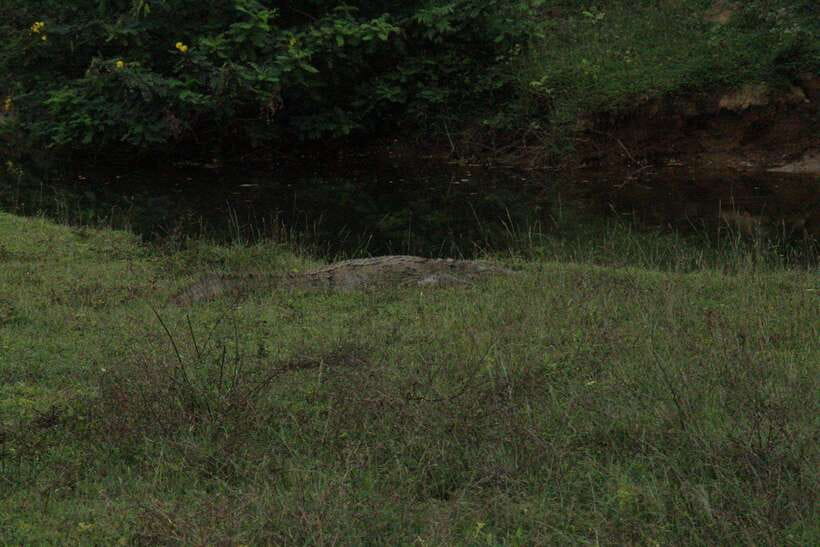
Once you reach the park, you get about 4 hours of sightseeing guided by your driver/guide. Two stops are highlighted as key areas:
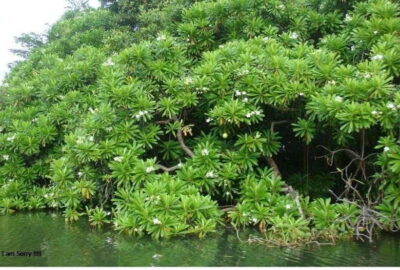
Kumana Villu (Mangrove swamp)
Kumana Villu is a large mangrove swamp, and mangroves are excellent bird habitat. The ecosystem concentrates food and shelter, which is why birdwatchers pay attention to places like this. You’re likely to spend time scanning for birds perched along edges and in the shallow areas where motion gives them away.
If you like photos, this is one of the better environments for sharp sightings because you can keep your eyes moving and your camera ready instead of constantly guessing where animals might be.
Kumbukkan Oya (scenic river through the park)
Kumbukkan Oya is the river that flows through the park. Rivers bring water close to feeding and drinking zones, and that often increases the chances that mammals and birds cross your route.
This is also a reminder that the park’s “where” matters. Birds and animals aren’t random here. Water and mangrove habitat create patterns, and your guide’s job is to work with those patterns.
Wildlife Targets That Drive the Day: Birds, Leopards, Elephants, Deer, Crocodiles
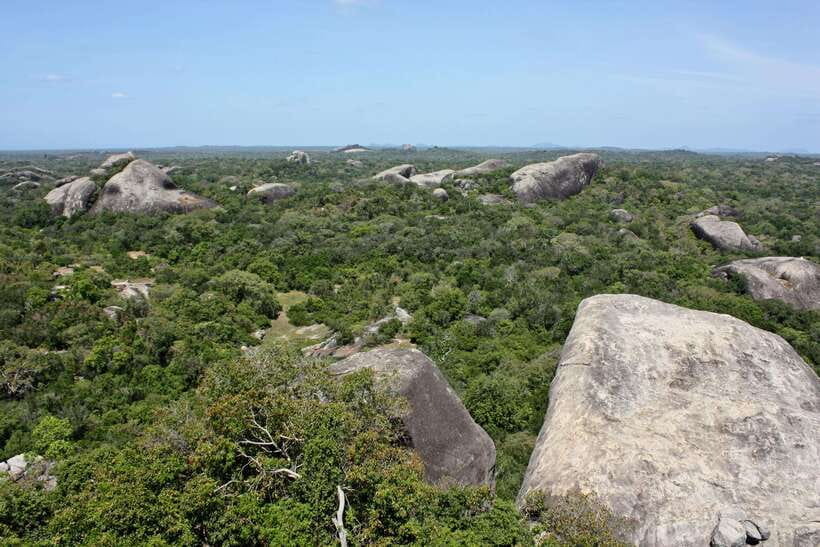
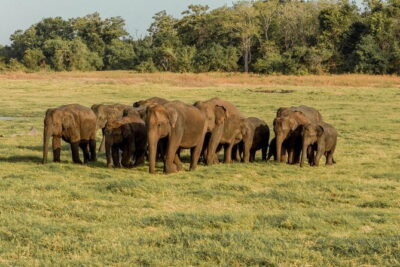
This safari’s mission is clear: show Kumana’s wildlife, with a special emphasis on birds and big mammals. The tour description calls out:
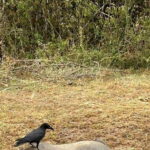
- Birds (over 200 species, including migratory birds)
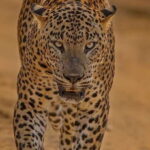
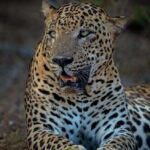
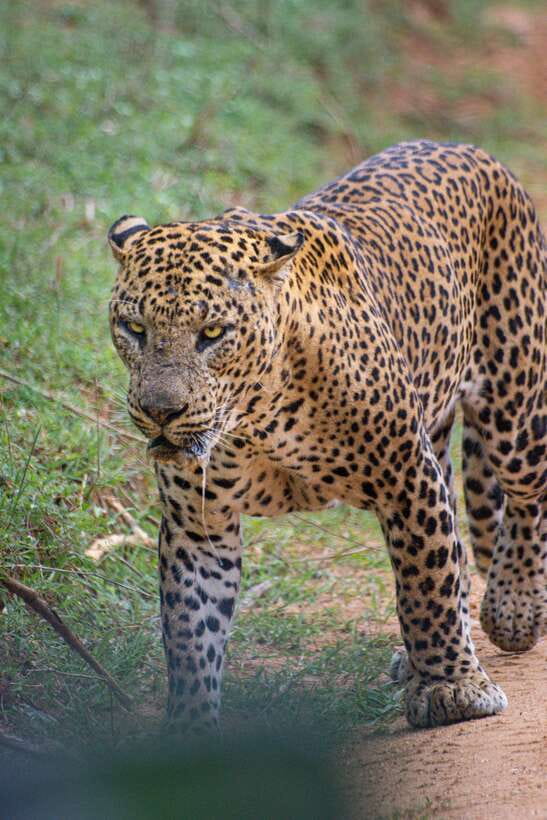
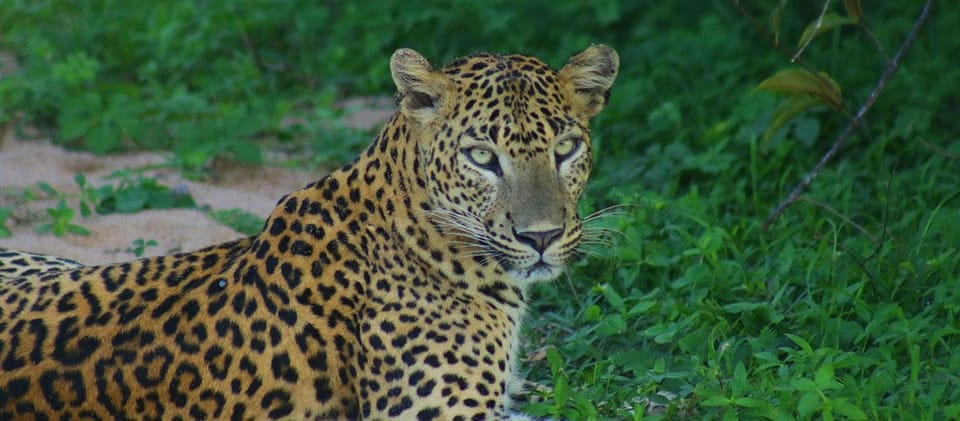
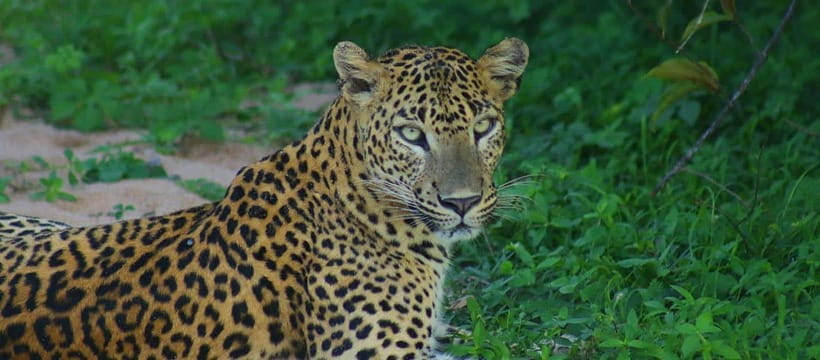
- Leopards (spotting is always a chance game)
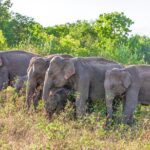
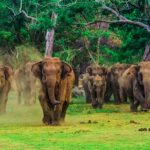
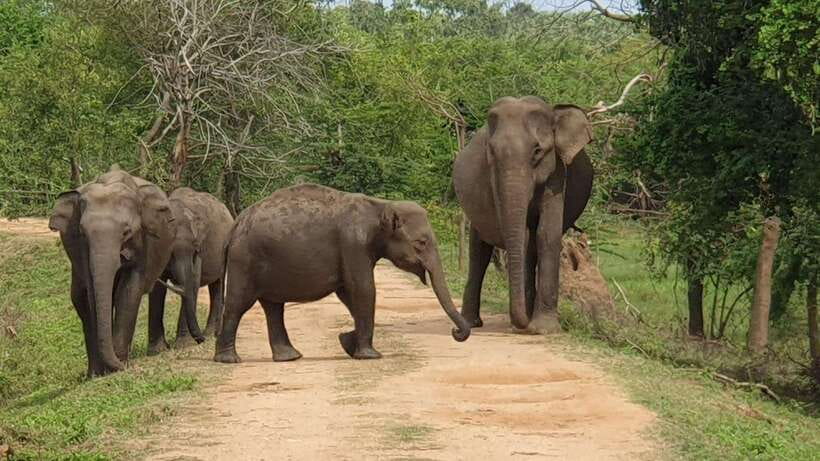
- Elephants
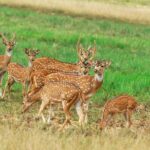
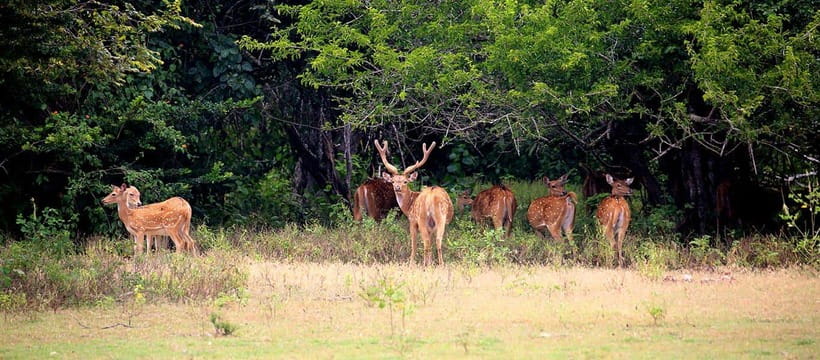
- Deer
- Crocodiles
It also mentions bears in the overall aims. In a place like Kumana, you can’t treat any sighting as guaranteed. But you can treat this tour as a focused attempt: you’re going out specifically for the right habitats and the right species mix, not just for a general look-around.
What to expect on a real safari day
A good safari day can feel like a rhythm:
- Slow scanning while you reposition.
- A sudden stop when movement appears.
- Flashing lights and quick photo bursts.
- Then waiting again, because wildlife doesn’t follow your schedule.
So if your expectation is that you’ll see everything listed, adjust it slightly. If your expectation is that you’ll get multiple good wildlife sightings with a strong bird component and honest chances at big mammals, you’ll likely feel satisfied.
How the Guide Adds Value (and When It Can Fall Flat)
The tour includes a driver/guide with information in English, plus an audio guide in English. This helps because wildlife viewing in a national park is faster and more rewarding when someone can point out what you’re seeing and where to look next.
In practice, the quality of the explanation can vary. Some safaris are more “spot-first,” others are more “tell-you-what-everything-is.” If you’re the kind of traveler who wants deeper animal education during every stop, go in expecting that you’ll get help, but not every moment will be a full lecture. You’ll still get strong value from the guide’s spotting effort and route choices.
On photo days, the guide’s positioning also matters. If it’s raining, for example, you may notice different levels of protection inside the vehicle. The main thing you can control: bring the right rain gear and keep your camera protected. Then even a wet day stays productive.
Price and Value: What $47 Gets You (Plus What’s Extra)
The listed price is $47 per person for a 6-hour safari. That’s a fair mid-range price for a guided wildlife outing with hotel pickup and a 4×4 jeep, especially when the focus is both birds and big-game chances.
What’s not included is important for planning: national park entry tickets (about $19) and food and drinks.
So your real budget is roughly:
- Safari cost ($47)
- Plus park entry (about $19)
- Plus your own water/snacks or meals
Value tip: because food and drinks aren’t included, you should bring a small plan. Even if the day feels exciting, wildlife time can turn into waiting time. A bottle of water and simple snacks help you stay patient without needing to leave the field.
Also, park entry being separate isn’t a problem. It just means you should confirm your total with the operator so there are no surprises on the day.
Practical Tips That Make a Difference in Kumana
A few small things can turn a good safari into a great one:
- Bring waterproof cover for your camera bag. Rain can mean you end up with wet gear even if you’re not getting soaked yourself.
- Wear layers you can move in. You might be in-and-out of vehicle positions, and warm humid air can shift quickly.
- Expect photo pauses. Animals don’t pose on command. The waiting is part of the job.
- Have patience for repositioning. Guides adjust the route based on sightings and habitat, so don’t treat every drive as “wasted time.”
- Respect the park rules. Alcohol and drugs are not allowed, so keep the day clean and calm.
If you’re sensitive to vehicle comfort, pack a small cushion and plan for some bumpy roads. It’s not about being dramatic; it’s about staying comfortable so you can keep scanning longer.
Who This Safari Fits Best (and Who Should Rethink It)
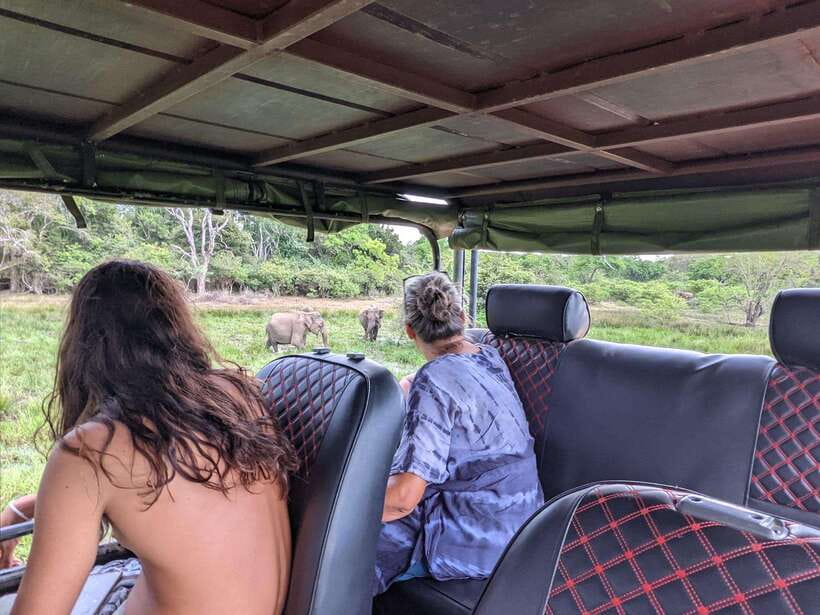
This tour is a strong match if you:
- Love wildlife spotting and especially birdwatching
- Want guided help in a park where good sightings depend on being in the right place
- Prefer a small-group safari jeep over big groups
- Need pickup from Panama, Pottuvil, or Arugam Bay
It may not be the right fit if you:
- Are pregnant (this is listed as not suitable)
- Need guaranteed smooth rides with zero jolt (some people have reported transport discomfort)
If you’re traveling with mobility needs, it’s good to know the tour is listed as wheelchair accessible. Still, ask the operator how they handle vehicle transfer and what “accessible” looks like in practice for your specific situation.
Should You Book This Kumana Morning or Afternoon Safari?
Yes, you should book if your main goal is wildlife time with a guide, and you want a bird-heavy safari in Kumana (Yala East). The combination of 4 hours in the park, a small jeep setup, and targeted stopping points like Kumana Villu makes this a practical choice for people who want sightings and photos, not just driving around.
I’d think twice only if:
- You know you’re very sensitive to uneven road rides.
- You need a lot of formal animal lecturing at every stop.
- You want food and drinks included (they aren’t).
If you go in prepared—especially for rain and comfort—you’ll likely come away feeling that the day was worth the effort and the money.
FAQ
How long is the Kumana National Park safari tour?
The tour duration is 6 hours, with about 4 hours spent sightseeing inside Kumana National Park after pickup and travel time.
Where are the pickup and drop-off locations?
Pickup is available from Panama, Pottuvil, and Arugam Bay. Drop-off is also available at Panama, Arugam Bay, and Pottuvil.
Is the national park entry ticket included in the price?
No. National park entry tickets are not included and are listed at about $19.
What wildlife and birds can I expect to look for?
The tour focuses on birds and wildlife, including elephants, leopards, deer, and crocodiles. The bird component is a major part of the experience, with the park home to 200+ species.
What language is the tour guide, and is there an audio guide?
The live tour guide and audio guide are both available in English.
Is food or drinks included?
No. Food and drinks are not included, so you’ll want to plan your own water/snacks for the 6-hour day.