Jeep rides meet birdwatching in Sri Lanka. A half-day Kumana National Park safari from Arugam Bay pairs big wildlife energy with bird watching chances, plus a clear plan to get you out early or on the heat-buildup afternoon. The one thing to keep in mind is that animal viewing depends on good weather, and the park is wild, not a zoo with scheduled sightings.
What I like most is the way this tour is set up for convenience and time. You’ll get hotel pickup and drop-off in Arugam Bay, and you spend about 4 to 6 hours in the park rather than wasting half a day getting there. I also like that it’s a private jeep experience for just your group, with an admission ticket included and a mobile ticket to simplify the day.
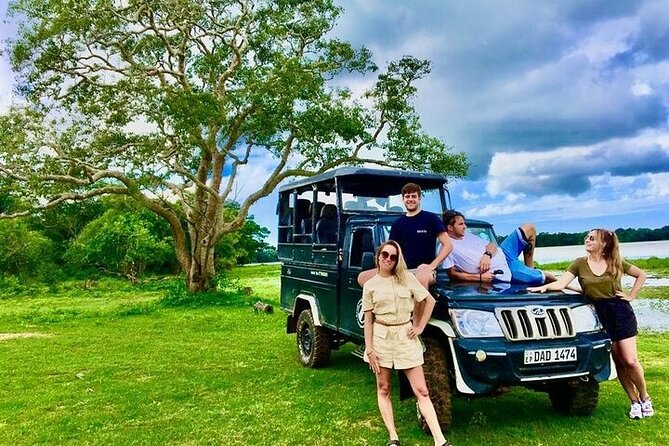
Kumana covers a huge 35,664 hectares, so even a half day can feel like a proper safari. You can choose the morning slot (when light is gentler) or the afternoon slot (when the heat ramps up), and either way the goal stays the same: slow, patient spotting across open areas and water-adjacent habitat.
In This Review
- Key things to know before you go
- Kumana National Park: why this half-day safari works
- The best timing: morning sun vs afternoon heat from Arugam Bay
- Inside the jeep safari: what you’ll be watching for
- Birdwatching in May and June: the 200-hectare focus area
- Wildlife beyond birds: reptiles, turtles, and more
- What the 4–6 hour format really gives you
- Logistics that make the day feel simple
- Price and value: is $94 per person fair?
- Who should book this safari (and who might skip it)
- Should you book Kumana National Park with Arugambay Tours?
- FAQ
- How long is the Kumana National Park half-day jeep safari?
- Where does the safari start and end?
- Is hotel pickup included?
- Is this tour private or shared?
- What’s included in the price?
- Do I need to print anything for the safari?
- What wildlife can I expect to see?
- Is bird watching a big part of the safari?
- What happens if the weather is bad?
- Can I cancel for free?
Key things to know before you go
- Two timing choices from Arugam Bay: early-morning or peak-afternoon heat, both built for a half-day outing
- A birdwatching-focused zone in May–June: about 200 hectares allocated for bird watching during those months
- Reptiles and turtles are part of the plan: not just birds, so your eyes stay busy
- A private jeep for your group: more control over how you spend the spotting time
- Admission ticket included: you’re not scrambling for park entry on arrival
Kumana National Park: why this half-day safari works
Kumana National Park has a reputation for birdlife, but the experience doesn’t stop at binoculars and stillness. The park spreads across 35,664 hectares, which matters because it gives the wildlife room. In a small, fenced reserve, you often feel like you’re waiting for a chance. Here, you’re moving through habitat where different animals use different areas.
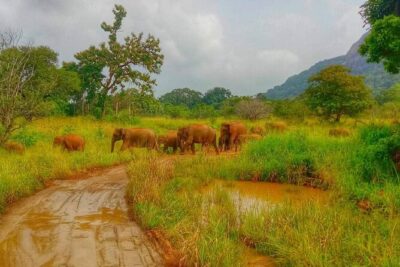
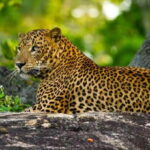
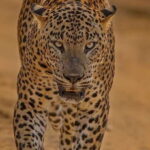
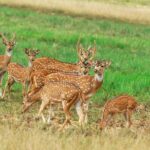
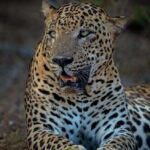
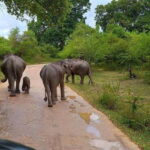
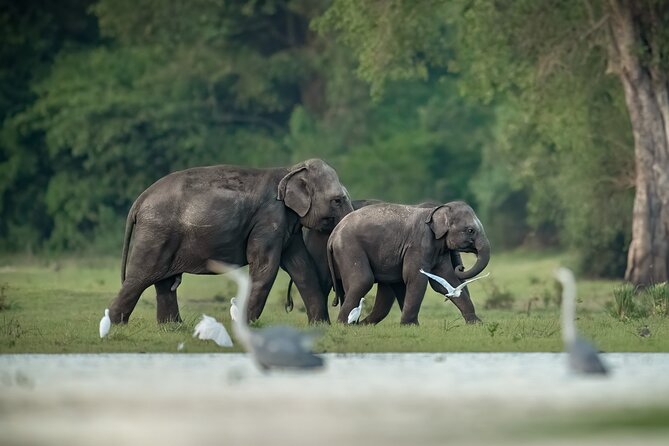
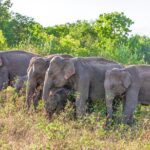
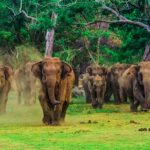
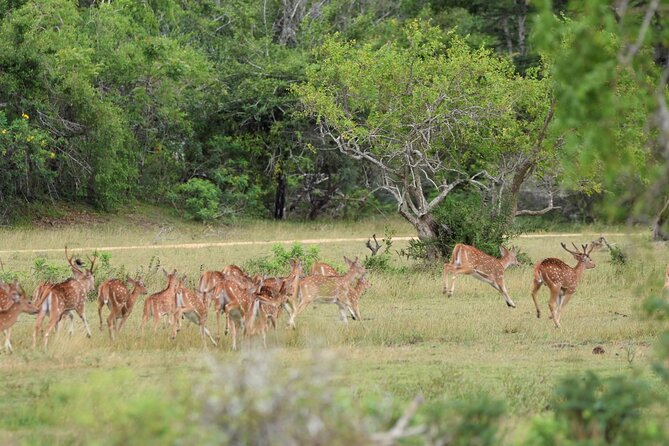
In practical terms, that means your time has variety. You’re not only scanning for birds. You’re also looking for reptiles and turtles, and you may spot bigger wildlife too. The tour description highlights a mix of possible sightings, including elephants and even leopards, plus animals like golden jackal and wild boars. That variety is a big part of why people like this setup when they’re staying around Arugam Bay and want one standout nature outing without committing to a full day.
One other reason Kumana feels special is how it’s managed for bird viewing. During May and June, about 200 hectares are set aside specifically for bird watching. That gives you a more intentional birding focus than a generic “maybe we’ll see something” promise.
You can also read our reviews of more tours and experiences in Sri Lanka.
The best timing: morning sun vs afternoon heat from Arugam Bay
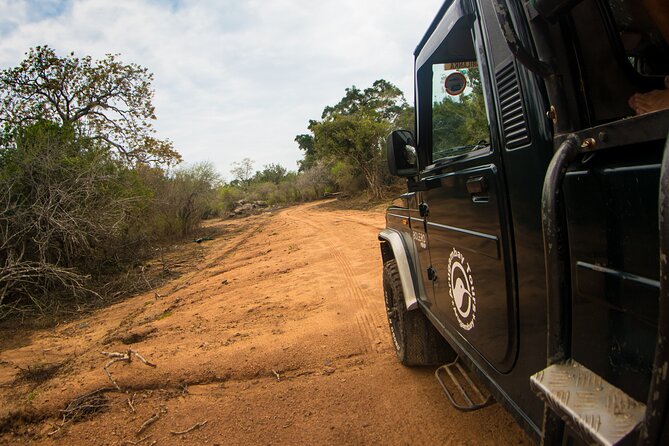
This safari lets you choose your departure time, and the tour is designed around two very different conditions: morning light and afternoon heat. If you’re the type who likes cooler starts and calmer motion, the morning outing tends to feel more comfortable. If you’re okay with stronger sun and you want to maximize time in the park during the afternoon peak, the later slot can be appealing too.
Here’s the decision-making angle I’d use:
- Pick morning if you want softer light and a more forgiving start for photos and spotting.
- Pick afternoon if you’re flexible with heat and want a slot that runs through hotter hours.
Either way, the day starts with pickup from Arugam Bay and ends with drop-off back at the same meeting point area. That hotel-to-jeep flow matters. You lose fewer minutes to logistics, and you can actually enjoy the safari part rather than treating it like a transfer.
Also, remember this is a jeep safari. Even though it’s half a day, you’ll still be doing a lot of looking—up, across, and sometimes toward water edges. Choose the time that matches your comfort level in Sri Lanka sun.
Inside the jeep safari: what you’ll be watching for
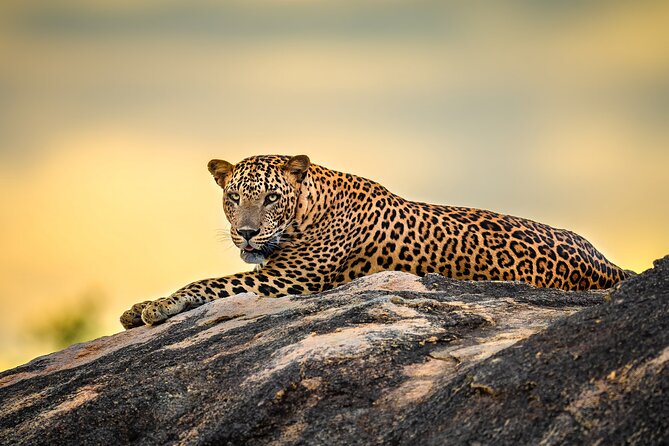
The heart of the experience is your time in Kumana spotting wildlife from the jeep. The tour focuses on birdlife, reptiles, and turtles, but it also mentions the possibility of a wider range of animals. That variety is important because it changes how you watch.
You might end up working in layers:
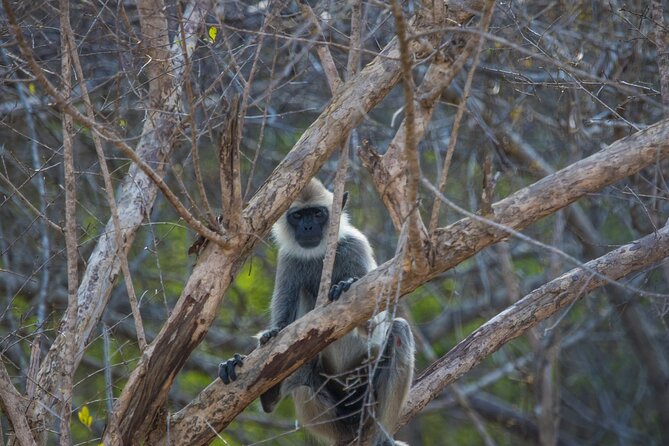
- Birds first: because Kumana is famous for them, and the tour calls out lots of bird species.
- Then reptiles and turtles: because you’re not only reading feathers, you’re also checking for movement and shapes near suitable habitat.
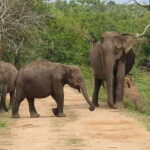
- Then larger mammals if you’re lucky: the description includes elephants, golden jackal, wild boars, and even the chance of leopard sightings.
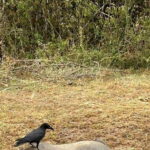
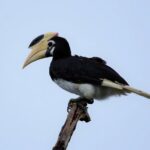
The bird list in the tour details is quite specific, which tells me the guide likely pays attention to the small stuff, not just “big bird, yay.” Some species mentioned include pelicans, painted storks, lesser whistling glossy ibis, purple heron, great egret, Indian pond heron, spoonbills, and herons and egrets in general. There’s also mention of purple swamphen and white ibis, plus ducks like black-crowned night heron.
On the reptile and turtle side, the tour explicitly includes mugger crocodiles and turtles, which is a big deal for spotting because those animals often relate to water and slow-moving zones. The European otter is also listed, so keep an eye out in the right habitat types (especially if you’re near water edges during the ride).
And yes—there can be a lot happening at once. One moment you’re watching for a long-legged heron, the next you’re scanning for darker shapes that could be reptiles. This is a good safari for people who don’t want the day to feel like one long wait.
Birdwatching in May and June: the 200-hectare focus area
If you’re visiting in May or June, this safari has an extra layer of value. The tour notes that about 200 hectares are allocated solely for bird watching during those months. It also mentions that birds come in during this period and you may see several different species of birds that fly here to hibernate.
That detail matters because it suggests birdlife may be more concentrated or easier to target than outside that season. In other words, you’re not just riding through the park hoping birds will show up. You’re timing your visit to a period where Kumana gives bird watching a dedicated space.
How to use that as a visitor:
- Bring your patience. Bird viewing is often about repeated scanning rather than instant success.
- Keep your eyes up and around. Many of the species listed are tall, long-legged birds that can blend into grass and shallow edges until the light hits right.
Even if you’re not traveling in May or June, Kumana is still described as a top activity for bird-focused visitors. The dedicated area just makes the birdwatching angle more compelling during those months.
Wildlife beyond birds: reptiles, turtles, and more
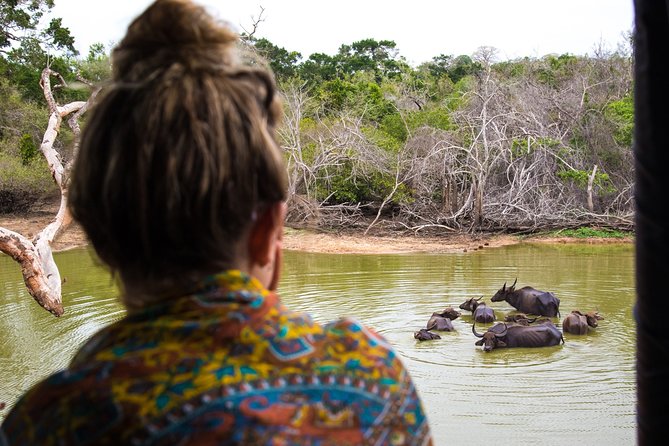
A common safari mistake is expecting only one kind of wildlife. Kumana doesn’t really do that. The safari details explicitly mention reptiles, turtles, and crocodiles, alongside mammals and birds.
Here’s what’s called out in the tour:
- Mugger crocodile and turtles
- Reptiles as part of the viewing focus
- Potential larger mammals including elephants and leopards
- Water- and habitat-linked animals listed like the European otter
This is where your expectations should be balanced. You might see a variety of animals, but you’re in a national park. The point is the chance, not a promise. Still, the fact that the tour is designed to look for reptiles and turtles means your spotting route and stops are likely to include the kind of habitat where these animals make sense.
If you’re someone who loves “non-feather” wildlife—crocodile forms near water, turtles resting, subtle movement in vegetation—this safari can feel more complete than bird-only outings.
What the 4–6 hour format really gives you
A half-day safari can feel short on paper. In practice, it’s often ideal when you’re based around Arugam Bay and want something memorable that doesn’t chew up your whole day.
You should expect:
- A focused chunk of time inside Kumana, roughly 4 to 6 hours
- Time to stop, look, and reposition as sightings come up
- Hotel pickup and drop-off that keeps the day efficient
That time window is also why choosing morning versus afternoon matters. If you pick morning, you’re often starting with gentler conditions. If you pick afternoon, you’re betting on your comfort with heat while you maximize time during the hottest stretch.
Also, because it’s described as a private tour/activity for your group, you’re not dealing with the constant shuffle of many different needs and schedules inside the same jeep (as long as you stay with your own group). That often leads to a more relaxed, less rushed spotting pace.
Logistics that make the day feel simple
This experience is run by Arugambay Tours, and the basics are set up to reduce hassle. Pickup is offered from Arugam Bay hotels, and you’re returned back to the meeting point at the end. A mobile ticket is provided, and admission is included.
Those are not flashy details, but they’re the difference between a smooth morning and a chaotic start. With a mobile ticket, you’re less likely to scramble for paperwork. With pickup and return, you’re less likely to lose time trying to find transport once you’re already excited and ready to go.
And because the safari is private for your group, you should feel less like a number. You’re more likely to have a calmer, more personal pace within the jeep ride.
Price and value: is $94 per person fair?
At $94 per person for about 4 to 6 hours, the value equation depends on what you care about most.
From a value perspective, three things help justify the price:
- Hotel pickup and drop-off in Arugam Bay are included, which saves time and transport hassle.
- Admission ticket is included, so you’re not paying extra at the gate.
- It’s a private tour for your group, which often costs more than shared options but can be worth it for comfort and flexibility.
If you’re comparing alternatives, the biggest thing to ask yourself is whether you want a shared, bus-style safari experience or you prefer a private jeep day where your group sets the tone. When a tour is priced like this, you’re paying for convenience plus a lower-friction experience.
Given the strong rating and the many 5-star reviews noted for this safari, the pricing also looks aligned with what people feel they’re getting: prompt service and a good use of time in the park.
Who should book this safari (and who might skip it)
This Kumana National Park half-day jeep safari is a strong match if you:
- Want a single, high-impact wildlife day while staying near Arugam Bay
- Enjoy both birds and other wildlife like crocodiles, turtles, and reptiles
- Prefer private outing time rather than a large mixed group
- Are traveling with enough flexibility to choose either a morning or afternoon slot
It may not be ideal if:
- You’re very sensitive to sun and heat, especially for the afternoon option
- You need guaranteed sightings. In a national park, viewing is always a chance game.
Should you book Kumana National Park with Arugambay Tours?
If your goal is to get out into a big, wildlife-filled national park for a half day—without spending hours on logistics—this is a sensible choice. The mix of bird watching, reptiles, turtles, and the possibility of larger mammals makes the safari feel like more than a one-note outing.
I’d book it if you’re visiting in May–June and want the birdwatching angle with the 200-hectare focus area in mind. And I’d choose it even outside those months if you want a serious wildlife day that doesn’t ignore non-bird sightings.
Quick tip for your decision: pick the time slot that matches your heat comfort. The safari length is fixed-ish at 4 to 6 hours, so your enjoyment will mostly come down to whether the morning or afternoon conditions fit your body and photo gear.
FAQ
How long is the Kumana National Park half-day jeep safari?
It runs for about 4 to 6 hours.
Where does the safari start and end?
It starts in Arugam Bay, Sri Lanka, and ends back at the meeting point.
Is hotel pickup included?
Yes. Pickup is offered from and drop-off is back at your hotel at Arugam Bay.
Is this tour private or shared?
This is a private tour/activity. Only your group participates.
What’s included in the price?
An admission ticket is included.
Do I need to print anything for the safari?
No. A mobile ticket is provided.
What wildlife can I expect to see?
The tour details list possible sightings such as elephants, leopards, golden jackal, wild boars, European otter, mugger crocodile, turtles, pelicans, painted storks, and several herons and egrets, among others.
Is bird watching a big part of the safari?
Yes. The tour notes that about 200 hectares are allocated for bird watching during May and June, when different species may be seen.
What happens if the weather is bad?
The experience requires good weather. If it’s canceled due to poor weather, you’ll be offered a different date or a full refund.
Can I cancel for free?
Yes, you can cancel up to 24 hours in advance for a full refund.