A day underwater in Sri Lanka can feel either rushed or touristy. This one stays small and tightly run, with clear guidance and a schedule that fits normal vacation time. I especially like the max five divers setup and the mix of reef, rocks, and wreck-style underwater locations—plus instructors such as Elie, Irina, Alex, and Alexandros keep the experience calm and well explained. One thing to consider: you must already be certified, and the time commitment is real even on the shorter option, since you’ll be on the boat and back at specific windows.
You’ll also see the value in how they handle the basics. Equipment (BCD, regulator, mask, fins, wetsuit) is included, and they offer Nitrox free of charge at their center. The main drawback is practical: lunch isn’t included, so you’ll want to plan food before or after, especially if you pick the longer, two-stop option.
In This Review
- Key Highlights You’ll Actually Feel On the Day
- Unawatuna From the Waterline: Why This Setup Works
- Morning vs Afternoon: The Time Windows That Make Planning Easy
- Morning session rhythm
- Afternoon session rhythm
- One Stop or Two: How to Choose the Right Amount of Underwater Time
- One underwater stop (the shorter option)
- Two underwater stops (the longer option)
- Meet at the Center: What the Day Feels Like Before You Enter the Water
- Equipment and Nitrox: What’s Included and What You Still Need to Plan
- Gear that’s provided
- Tank, weights, and guide
- Nitrox is free
- Lunch is not included
- The Boat Ride and the Underwater Plan: Efficient, Not Chaotic
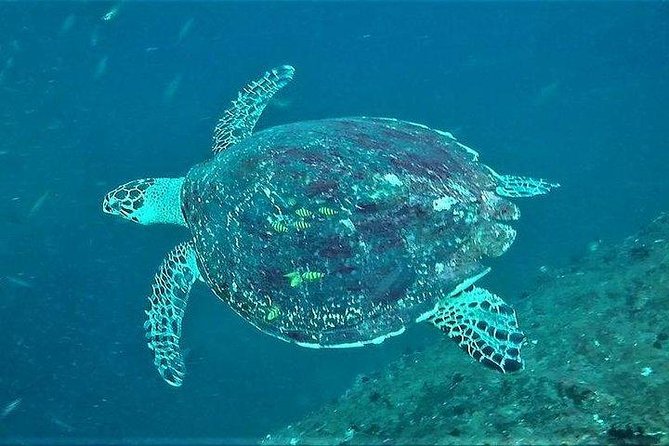
- What You Can Expect to See: Stingrays, Nudibranchs, and Bigger Reef Fish
- Understanding the Variety: Reefs, Rocks, and Wreck-Style Structures
- Safety and Comfort: A Real Guide Presence, Not a Quick Check-in
- Price and Value: Why $54.42 Can Make Sense
- Who Should Book This (and Who Might Skip It)
- Should You Book? My Practical Recommendation
- FAQ
- Do I need scuba certification to join?
- What’s the difference between the one and two underwater options?
- Is scuba equipment and tank gear included, and is Nitrox extra?
- When do I need to arrive for morning or afternoon?
- How many divers are in each group?
- What if the weather is poor and the trip can’t run?
Key Highlights You’ll Actually Feel On the Day
- Max 5 divers per group for a calmer, more hands-on guide experience
- One or two underwater stops in the same half-day window (with a boat surface interval for the longer option)
- Scuba equipment included (BCD, regulator, mask, fins, wetsuit) plus tank and weights handled
- Nitrox available free at the dive center
- Small-boat feel with four-stroke Yamaha engines designed for short, efficient water time
- Marine life focus: stingrays, nudibranchs, and a chance at bigger reef fish like Napoleon wrasse
Unawatuna From the Waterline: Why This Setup Works
Unawatuna is a classic Sri Lanka base for getting on the water fast. What makes this experience practical is that it’s built around short logistics and predictable timing. You’re not stuck in a long, chaotic day of changing plans. Instead, you register at set times, get kitted up, and go.
The biggest “you’ll feel it” benefit is the group size. With a maximum of five divers, you’re not squeezed into a cattle-car configuration. That matters for comfort, gear checks, and staying relaxed during the briefing. It also helps the guide keep eyes on everyone throughout.
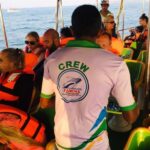
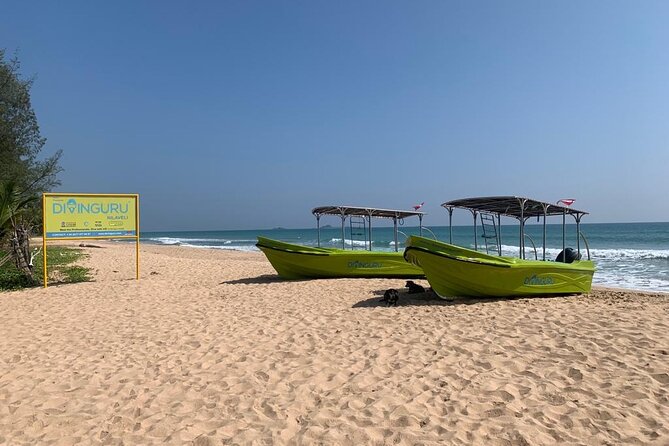
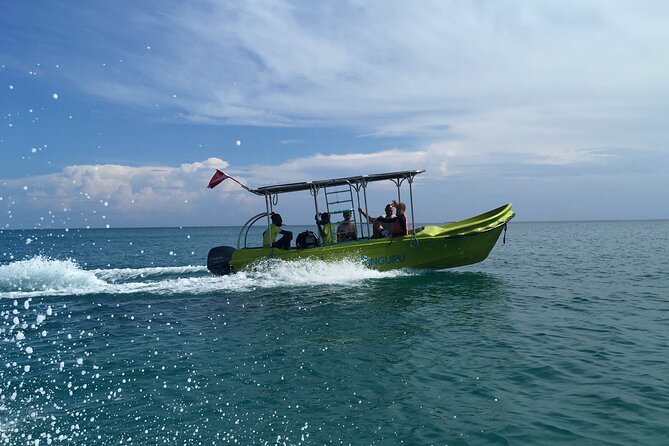
Another point I like is the way they handle the boat side. They run multiple boats with environment-friendly four-stroke Yamaha outboards, and each setup is designed for small loads. For certified divers, this often means less waiting around and more consistent underwater time.
And yes, you’ll probably hear names like Elie, Irina, Alex, and Alexandros tied to good experiences. The consistent theme from the team is clear: explain things, keep safety steady, and don’t make the day stressful.
You can also read our reviews of more tours and experiences in Galle.


Morning vs Afternoon: The Time Windows That Make Planning Easy
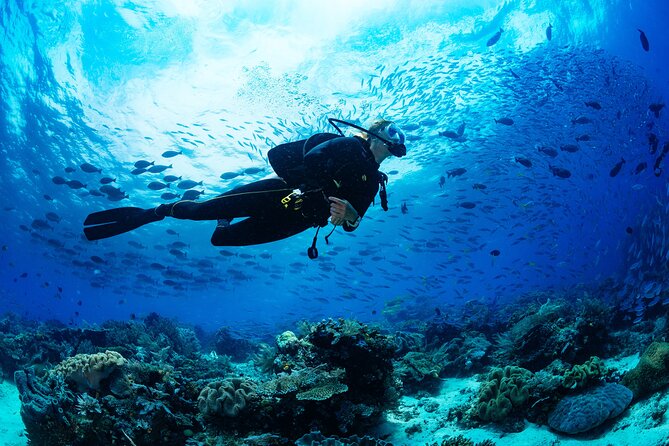
This trip is built on two blocks, and both are designed around getting you back before the day turns into a scramble.
Morning session rhythm
For the morning option, you arrive at the center for registration at 8:30 am. The schedule starts with water time around 9:00 am and returns roughly 10:30 am for the shorter option or around 12:30 pm if you’re doing two underwater stops. The exact return time depends on how far the sites are.
The practical win here: you can still do beach time, lunch, or local exploring after you’re back. It’s the best choice if you like having your evenings free.
Afternoon session rhythm
For the afternoon option, registration is at 1:30 pm and the start is around 2:00 pm. You’ll return around 3:30 pm for one stop or around 5:00 pm for two stops, again depending on distances.
This is ideal if you prefer a slower morning—coffee, a stroll in town, maybe a tuk-tuk ride—before heading out for a late-day underwater window.
One Stop or Two: How to Choose the Right Amount of Underwater Time
You get two package sizes, both for certified divers. Picking the right one is mostly about your energy and what you want from the day.



One underwater stop (the shorter option)
Think of this as one boat ride with one underwater location. It’s the simpler plan: you get the guided water time, the tank/gear support, and you’re back sooner.
If you’re a diver who wants a good experience without overcommitting, this is a strong pick. It also works well if you’re still dialing in your comfort with gear after travel.
Two underwater stops (the longer option)
This option is one boat ride with two different underwater locations and a surface interval on the boat. In plain terms: you’re getting more variety. You also get a more “full day at sea” feel, even though the time window is still compact.
If you like seeing different habitat types—reef vs rock formations vs wreck-style structures—this is often the better fit. You’ll also have more opportunities for those small critters you might miss on a shorter outing.
Meet at the Center: What the Day Feels Like Before You Enter the Water
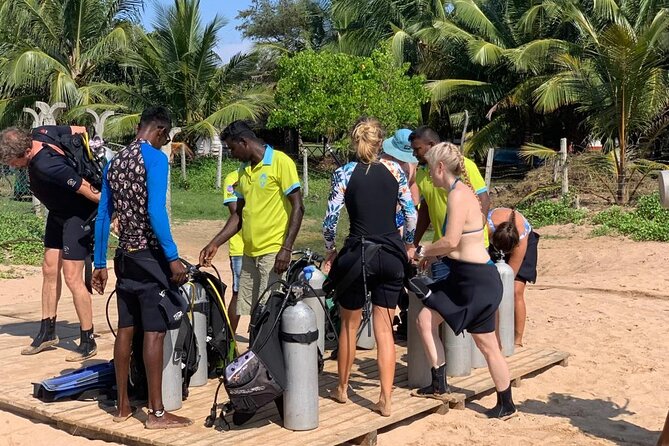
Your meeting point is DIVINGURU Unawatuna, at their Matara Rd address in Unawatuna. Pickup is offered, which can reduce the hassle if you don’t want to coordinate your own transport.
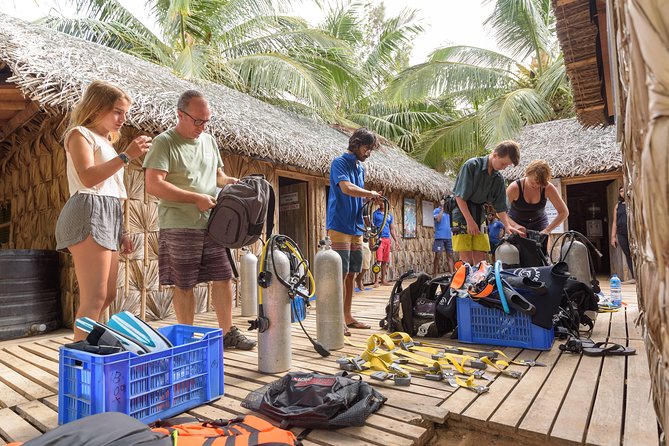
Once you arrive, you’ll check in and handle the basics. The day runs like a tight operation: equipment selection and fit, then the briefing, then boat loading. They keep the schedule anchored to the registration time, which is a big deal in places where traffic and weather can throw off loose plans.
You’ll also get snacks and bottled water, plus coffee and/or tea. That’s not just a nice touch—it helps when you’re starting early or heading out in the afternoon and you don’t want your energy to crater.
Equipment and Nitrox: What’s Included and What You Still Need to Plan
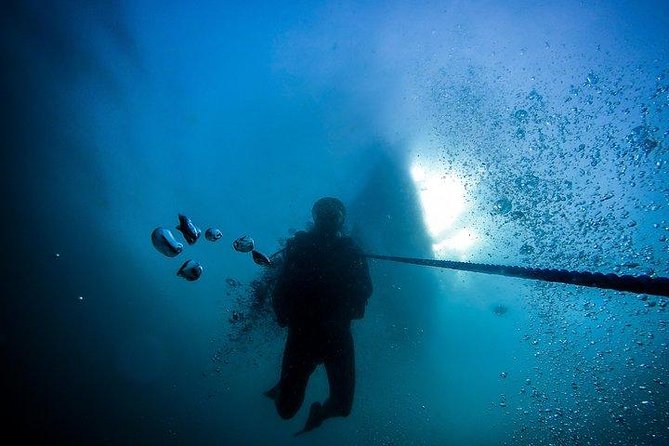
Here’s where this experience quietly earns its value.
Gear that’s provided
You get standard scuba equipment included: BCD, regulator, mask, fins, and wetsuit. For most certified divers, that’s exactly what you want to avoid the hassle of bringing gear through airport and local transport.
Tank, weights, and guide
The tank and weights are handled, and the guide support is included as part of the experience. In other words, you’re not paying extra just to be able to go in the water.
Nitrox is free
Nitrox is available at the center and is free of charge. That’s a meaningful upgrade if you’re trained for it. If you’re not nitrox trained, you’ll still do fine with standard air, but it’s good to know that the option doesn’t cost extra.
Lunch is not included
Lunch isn’t included, so plan for food on your own before or after. If you choose the two-stop option, this matters even more. You’ll want something waiting for you when you get back.
The Boat Ride and the Underwater Plan: Efficient, Not Chaotic
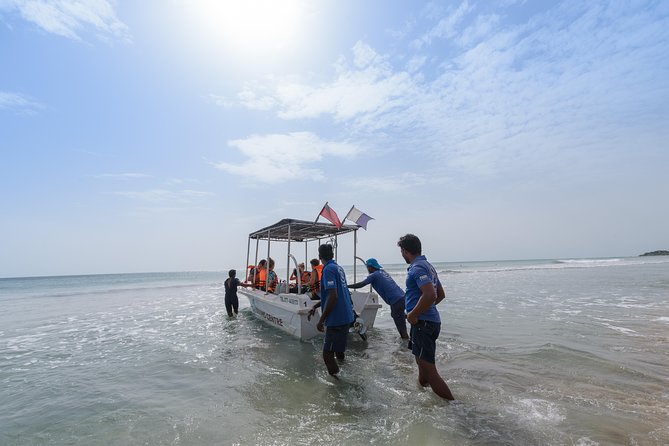
This is the part you’ll feel in your body. How the boat ride runs often determines whether the underwater time feels relaxing or like a chore.
The center operates with small boats and a setup designed for small groups. With multiple boats available (so the divers aren’t stacked into one crowded vessel), the day tends to move with less friction. Their four-stroke Yamaha outboards also signal a focus on practical power and reliable travel.
On the water, the longer option adds a surface interval between the two underwater locations. That break is useful: you can hydrate, check how you’re doing physically, and reset mentally before the second stop.
What You Can Expect to See: Stingrays, Nudibranchs, and Bigger Reef Fish
Marine life is the reason most people book any underwater outing. Here, the promise is specific enough to help you set expectations.
You can look out for:
- Stingrays
- Nudibranchs (the small, colorful slug-type critters that reward slow, patient looking)
- A chance at larger reef fish such as Napoleon wrasse
You may also encounter other reef fish and the kind of reef-and-rock biodiversity that makes people love this region. The exact mix depends on conditions and site choice, but the centers focus on fish and critters is consistent with what you’ll likely want from a fun, guided experience.
The small-group size helps here. When you’re not constantly surrounded by random spacing, you get more freedom to observe. You also spend less time chasing the group or waiting for someone who’s still rethinking their buoyancy.
Understanding the Variety: Reefs, Rocks, and Wreck-Style Structures
One of the most compelling parts is that you can choose among 16 underwater locations. That matters because Sri Lanka isn’t just one kind of scenery underwater. Some sites tend to be best for reef life, others for rock formations, and wreck-style structures can add a whole different layer of fish behavior.
Even if you’re not hunting for anything specific, variety keeps the day from feeling repetitive. One stop is great for a solid “best of” feeling. Two stops gives you more chances to line up the habitat you personally prefer—reef drift energy, rock crevice searching, or the way wrecks tend to gather marine life.
A practical tip: if you’re the type who loves small animals (nudibranchs, tiny reef creatures), you’ll benefit from slowing down and listening to your guide’s cues. If you’re more into bigger fish, make sure you don’t miss the early part of each stop when water visibility and fish movement often feel most active.
Safety and Comfort: A Real Guide Presence, Not a Quick Check-in
Safety is the part people don’t always think about while booking, then quietly become grateful for once they’re in the water.
The team runs with a guide in the water alongside the group, and the group size keeps that support meaningful. You’ll also use standard equipment and follow the center’s briefings so you can stay within your comfort zone.
In many places, “fun” can sometimes mean “loose.” Here, the tone appears steadier: the team is clearly focused on professional guidance and on keeping divers feeling safe. With instructors like Elie and Alexandros referenced in the team lineup, the common thread is calm instruction—exactly what you want when you’re doing your day’s first check-in after traveling.
Price and Value: Why $54.42 Can Make Sense
Let’s talk money honestly.
At $54.42 per person, this isn’t a premium-price, luxury-resort excursion. But it isn’t bare-bones either. For that price, you get:
- Included equipment (BCD/regulator/mask/fins/wetsuit)
- Tank and weights handled
- A guide included
- Snacks, bottled water, and coffee/tea
- Nitrox free of charge (if you’re nitrox-trained)
Lunch isn’t included, so you should budget for that separately. And your time window still includes travel to the center and returning by the set schedule.
Still, when you factor in gear + tank/weights + guide + nitrox option + refreshments, the value becomes clearer. The price is mainly covering a managed small-group day with multiple boat resources and structured timing.
If you were to rent gear plus pay for guided tank support separately, this price often looks more reasonable. The small-group limit also supports the idea that you’re not just buying access—you’re buying attention.
Who Should Book This (and Who Might Skip It)
This works best for:
- Certified divers who want a guided day with manageable group size
- Divers who like seeing marine life without the stress of big crowds
- People who want flexible half-day options (morning or afternoon)
- Divers who are nitrox-trained and want it without extra cost
You might skip it if:
- You aren’t certified (this is a must)
- You’re not comfortable with the physical routine of getting suited up and handling a boat schedule
- You strongly need lunch included in the price (it’s not part of the package)
If you’re returning to the water after a break, this kind of structured guidance can help. The key is that you still respect your own limits and ask for any extra clarity during the briefing.
Should You Book? My Practical Recommendation
I’d book this if you want a straightforward, well-run certified-diver day around Galle/Unawatuna. The standout reasons are the small-group format, the included gear and tank/weights, and the fact that Nitrox is free.
Choose the one-stop option if you want good underwater time without pushing your schedule. Choose the two-stop option if you want more variety across different underwater locations and you’re comfortable with a longer afternoon or morning block.
If your priority is maximum sightseeing on land and you only have short time, morning or afternoon timing makes this easy to fit. If your priority is quality time observing marine life, this setup is designed for exactly that—less crowd pressure, more guide attention, and plenty of opportunity to watch critters up close.
FAQ
Do I need scuba certification to join?
Yes. You must have a diving certification to participate.
What’s the difference between the one and two underwater options?
The shorter option includes one boat ride with one underwater location. The longer option includes one boat ride with two different underwater locations and a surface interval on the boat.
Is scuba equipment and tank gear included, and is Nitrox extra?
Yes. You’ll get BCD, regulator, mask, fins, and wetsuit. Tank and weights are included as well, and Nitrox is free of charge. Lunch is not included.
When do I need to arrive for morning or afternoon?
For morning, arrive at 8:30 am for registration (water time starts around 9:00 am). For afternoon, arrive at 1:30 pm for registration (water time starts around 2:00 pm).
How many divers are in each group?
In general, groups are small, with a maximum of five divers per group.
What if the weather is poor and the trip can’t run?
The experience requires good weather. If it’s canceled due to poor weather, you’ll be offered a different date or a full refund.