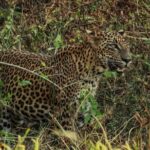
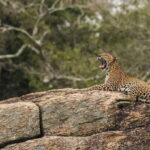
Leopards tend to show up early.
This safari’s focus is simple: hit the Golden Hours when spotting odds are best, then adjust your driving style once the morning window closes. I also like that you’re not wasting time only for the easiest animals; the plan is built around leopard spotting when activity is most likely.
You also get real comfort for the long bumpy ride: hotel pickup and drop-off plus a safari jeep that fits a small crew. Many guides in this area are the difference-maker, and names like Mudhu, Tikiri, and Rashandra come up for their ability to keep eyes on motion, not just trees and grass.
One key consideration is the cost reality: the $20 ticket isn’t the whole bill because park entrance & service fees are not included, and you should plan for that before you go.
In This Review
- Key things to know before you go
- Entering Yala at 6 AM: timing that actually matters
- Golden Hours leopard strategy: what the guide is trying to do
- Park driving and stops: how the day flows in practice
- The Big 3 targets: what you’re really chasing in Yala
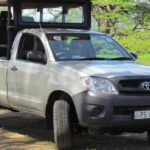
- Jeep comfort in Yala: small group, big impact on your day
- Cost and value: the $20 ticket vs the real Yala total
- Picking your timing: 4 to 14 hours, and why length can change the experience
- The human factor: guides, spotting, and when English becomes a non-issue
- Optional picnic meals: extending the golden-day feeling
- Where the tour starts and ends: plan around timing, not GPS vibes
- Should you book this Leopard Safari in Yala National Park?
- FAQ
- What’s included in the $20 per-person tour price?
- What’s not included in the tour price?
- How long is the safari?
- Is hotel pickup offered?
- How many people are in each safari jeep?
- Can I cancel for a full refund?
Key things to know before you go
- 6 AM Park Gate timing: the day is structured around being in quickly.
- Golden Hours driving plan: first ~2 hours and last ~2 hours are treated as leopard prime-time.
- Small-jeep setup: max 6 passengers per safari jeep, so you’re not packed in like a bus.
- Big 3 focus: Leopard, Sloth Bear, and Elephants are the targets.
- Optional breakfast and lunch: you can extend the day with picnic meals for extra cost.
- Real-world guiding varies: some guides bring great spotting and explanation; English levels can differ.
Entering Yala at 6 AM: timing that actually matters
Yala National Park runs on a schedule, and this tour leans into it. The park gate opens at 6 AM, and the plan is to drive in early, aiming to beat the bigger rush. That matters because wildlife doesn’t read calendars. But it does respond to light, temperature, and how much disturbance is in the area.
The tour also lines up your day with the two windows when animals often feel less pressured: early morning and later in the day. The idea is straightforward. If leopards are going to move, you want to be in the right places when movement is most likely.
If you’re the kind of traveler who likes doing things early to avoid crowds and wasted time, you’ll appreciate the pacing. If you’re hoping for a leisurely start, it may feel like wake-up-and-go.
You can also read our reviews of more tours and experiences in Yala National Park.
Golden Hours leopard strategy: what the guide is trying to do
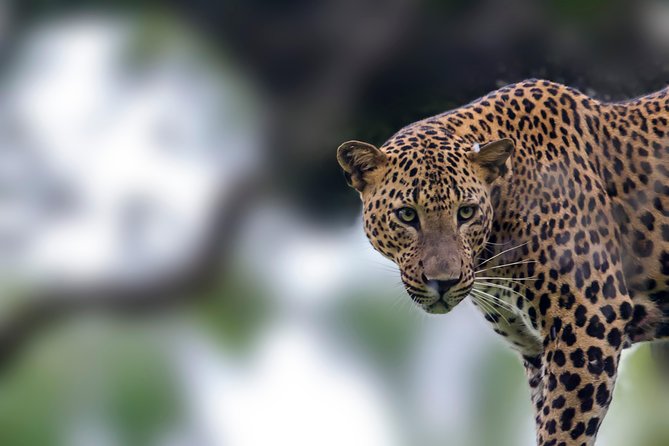
This safari has a clear rhythm. During the first two hours and the final two hours, the driving style is geared toward finding leopards. The approach is not to stop and chat about every bird and “probably wildlife” moment. Instead, the plan is to spend those blocks searching for the big answer.
Then, after that leopard-focused timing, the route shifts. You’ll spend more time explaining what you’re seeing and stopping to look at details along the way. That’s a smart trade. If the leopard doesn’t appear right away, you’re still building a good safari experience rather than just “waiting in suspense.”
What you should take from this: this tour is built for people who want a targeted chance at leopards, not a slow scenic drive. The best outcomes usually come when you’re open to the idea that some parts of the safari feel more intense than others.
Park driving and stops: how the day flows in practice
Inside Yala, your time goes into positioning: moving to where sightings happen, then slowing down to confirm. The tour description hints at a route that prioritizes leopard chances, but in real life you’ll likely feel the day in segments.
- Early segment: fast entry, leopard search mode, fewer “bonus stops.”
- Middle segment: more time spent explaining animals and observing.
- Late segment: leopard search mode returns, often with a strong push as you approach exiting time.
One review mentioned a late dash to exit as the park closes, which is normal for any timed safari. The takeaway for you is simple: don’t plan on a calm, no-pressure finish. If you want the best final sightings, you’ll go with the flow as the jeep moves.
Another practical note: roads in Yala can be rough, and weather can change what’s accessible. If there’s rain, expect detours and closures that affect how “predictable” the route feels.
The Big 3 targets: what you’re really chasing in Yala
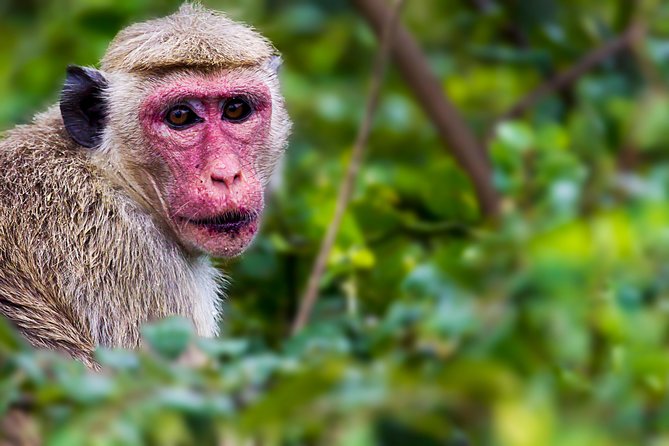
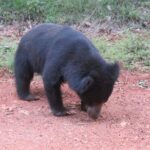
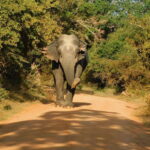
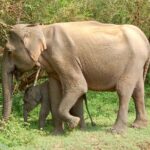
The tour is organized around the Big 3: Leopard, Sloth Bear, and Elephants. That’s helpful because it gives the day a focus. Yala can feel like a long game of hide-and-seek, so knowing the main targets helps you judge whether the safari is hitting its goals for you.
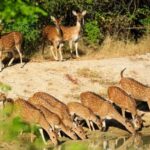
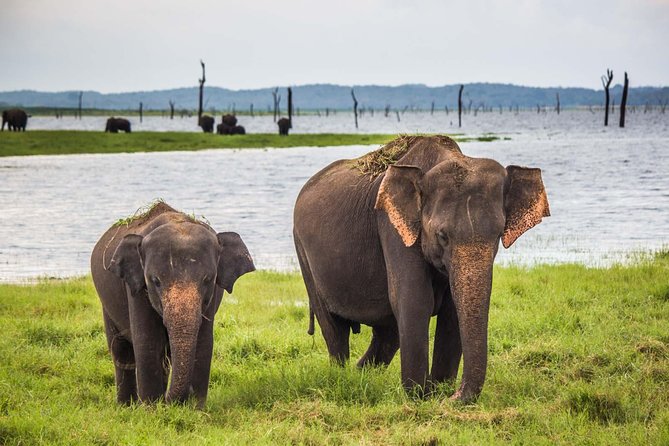
And even when the leopard is distant, other animals can still make the day feel worth it. From the guide examples that show up in the information here, spotting has often included elephants, water buffalo, peacocks, crocodiles, iguanas, and toucans, plus the kinds of birds that stay visible while big mammals keep their distance.
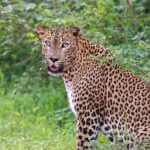
One highlight that stands out is the possibility of a mother leopard and cub. That kind of sighting is rare anywhere, but the tour’s emphasis on timing is what gives it a real shot.
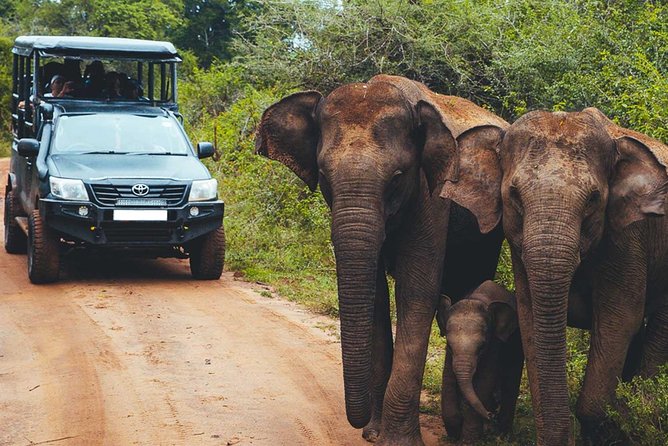
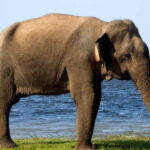
Sloth bears are another reason to like a dedicated Yala safari. They’re not guaranteed, but when they appear, they can steal the show. Elephants are often easier to find than leopards, which means you’re not starting from zero, even if the leopard is stubborn.
Jeep comfort in Yala: small group, big impact on your day
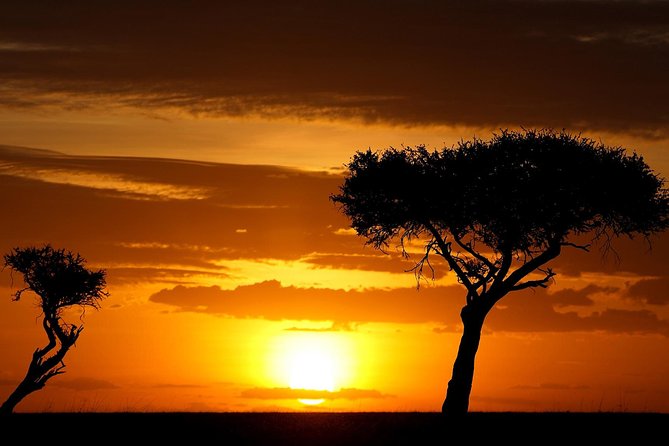
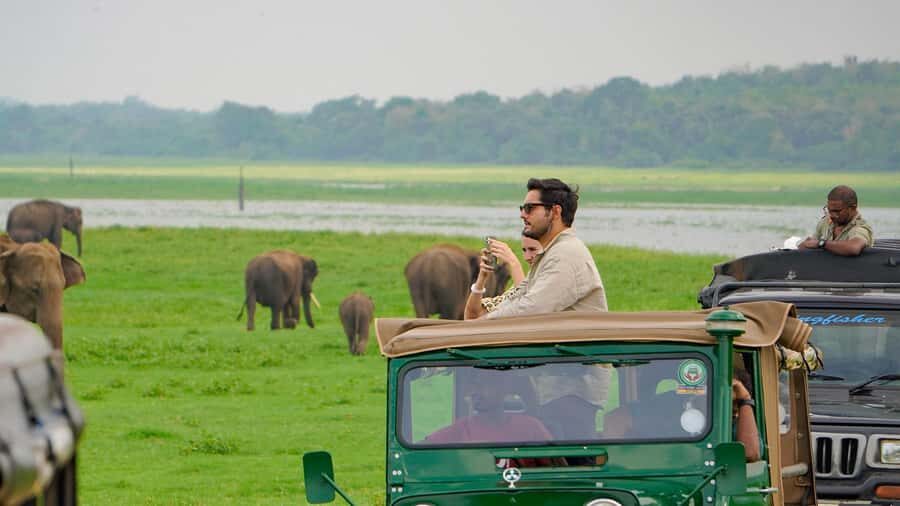
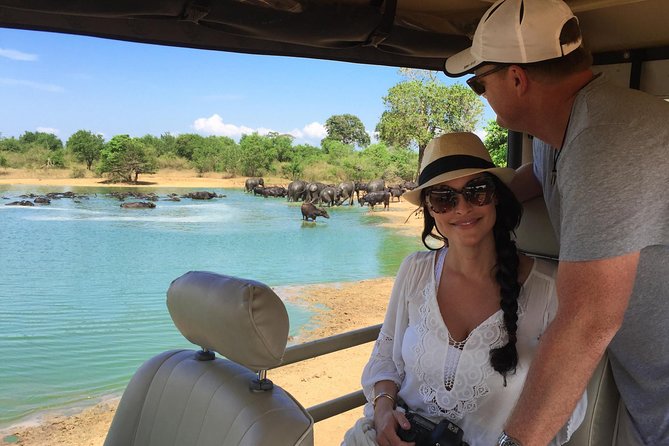
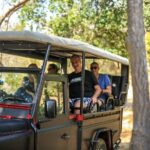
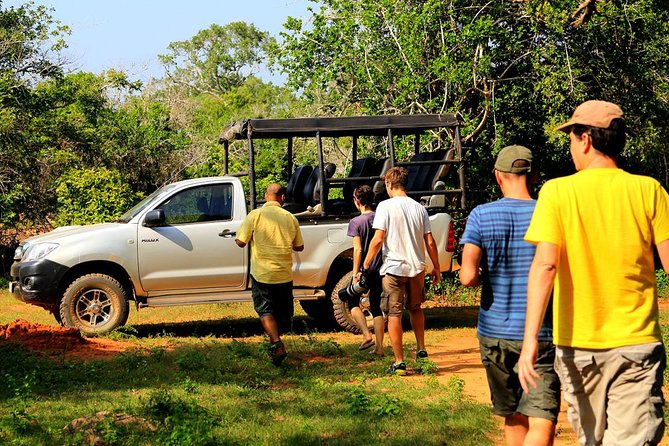
This is one place where the small details matter. The safari jeep is listed as max 6 passengers per jeep, which is the sweet spot. You get enough people for shared eyes and photos, but not so many that the whole jeep becomes a noisy argument about which direction to look.
Still, comfort can be inconsistent. One piece of feedback notes that some jeeps have no side covers, so rain or splash from muddy roads can soak you. If you’re traveling in wetter months, pack a simple rain layer for yourself and a small bag for your phone/camera.
You might also notice that what counts as good driving is personal. Some drivers are fast and aggressive in tricky areas; others drive smoothly and stop often. The tour’s success relies heavily on your driver/guide’s ability to read the terrain and react quickly when wildlife appears.
Good safari etiquette helps you enjoy whatever you see next. The best guides reduce extra noise—turning off the engine while waiting can make animals less spooked. If your guide does that, you’ll feel the difference.
Cost and value: the $20 ticket vs the real Yala total
Here’s the part you should budget for early. The listed price is $20 per person, but park entrance and service fees are not included. The info provided says park fees are around 13,000 Sri Lankan rupees (about 43 USD) per person.
That means your real per-person total can be much higher than the headline price once you add the mandatory park fee. It doesn’t mean the safari is “bad value.” It means you should compare apples to apples: the $20 covers your guide, jeep arrangement, and hotel pickup, while you still must pay for park access.
Also, if you’re thinking about extending the day with breakfast and lunch, there’s an additional cost for meals. The exact price isn’t given here, so you’ll want to confirm before you add the extras.
One more money-related point: a review mentioned that SAARC countries might receive a discount that wasn’t clearly stated. I can’t confirm that detail from the core tour info you have, so I’d just ask directly if there are any discount rules you qualify for, and bring whatever documentation you’re asked for.
Picking your timing: 4 to 14 hours, and why length can change the experience
The duration is listed as roughly 4 to 14 hours, which is a huge range. That’s why you should choose based on how you like to spend your day.
- If you want a focused safari, a shorter option can still work well. One review argued that a shorter drive felt like it delivered similar value, especially when the longer day included a long break.
- If you want more chance at late-day action, the full-day plan can be worth it because the tour is built around both early and late leopard windows.
One review also mentioned a break of around two hours during a longer experience. Breaks happen in safaris for logistics, but they can feel like dead time if you expected continuous driving. If you’re paying park fees anyway, the “active time” matters.
So my practical advice: match the tour length to your tolerance for waiting. If you hate downtime, ask what the schedule looks like day-of. If you’re happy to wait for wildlife (and snack, breathe, and watch), then a longer safari can be more rewarding.
The human factor: guides, spotting, and when English becomes a non-issue
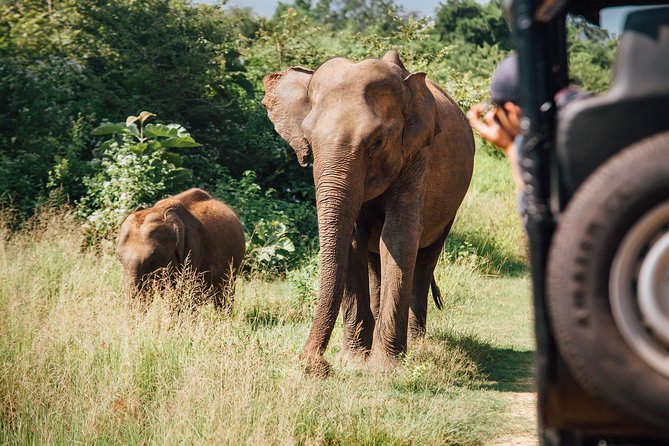
This safari is not only about animals. It’s also about eyes on motion and the confidence to reposition. The names Mudhu, Tikiri, and Rashandra show up here as examples of guides who stayed alert, kept stops productive, and helped passengers spot animals even when they were partially hidden.
What I like about that kind of guiding is that it changes your role. Instead of you scanning randomly, you start learning how to look: where animals move, how they pause, and what tracks and tree lines might mean.
That said, English levels can vary. One piece of feedback suggests that a driver didn’t speak much English and mostly drove without much explanation. If you care about commentary, you may want to ask your operator what language support you can expect.
Also, some experiences can feel more like pure driving while others include more explanation. If your goal is photography and spotting, driving intensity can be a positive. If your goal is learning about behavior and habitats, you’ll prefer a guide who talks more during stops.
Either way, bring patience. In Yala, your best sighting might be at the last minute, after a long stretch that looks quiet from a distance.
Optional picnic meals: extending the golden-day feeling
The tour offers an option to add breakfast and lunch, described as picnic-style, with additional cost. This matters because Yala safaris can run long, and food is often the difference between enjoying the day and getting cranky.
If you add meals, you can plan for a smoother day without hunting for snacks mid-safari. And if you’re doing the longer version, meals can help you actually stay present during the waiting time between wildlife chances.
If you’re the type who travels light, you might still prefer to skip meals and pack your own. But the provided meal option can reduce decision fatigue, which is underrated on a big wildlife day.
Where the tour starts and ends: plan around timing, not GPS vibes
The start point is listed as the Yala National Park Office (Palatupana area). The meeting location is the anchor for pickup and navigation inside the park system.
Even though hotel pickup and drop-off are included, you’ll want to clarify drop-off location specifics for your day. One part of the info says hotel pickup and drop-off, while the activity also says it ends back at the meeting point. In real travel, this can vary by hotel location and routing.
If you’re coming from far away, take screenshots of the meeting info and be ready for an early start. This is not the kind of tour where you want to negotiate with your alarm at the last second.
Should you book this Leopard Safari in Yala National Park?
I’d book it if your top priority is leopard chances timed around morning and late-day Golden Hours, and you’re comfortable paying park fees on top of the $20 ticket. The structure—early gate, focused leopard search blocks, and the chance to see the Big 3—is exactly what you want in Yala.
I’d think twice if you hate rough roads and unpredictable driving, or if you’re very sensitive to extra costs you weren’t expecting. Once you add park entrance/service fees, the price landscape changes fast. Also, if you want lots of commentary in your language, you should ask what level of guide explanation you can expect.
If you go in with the right mindset—patient, ready for bumpy terrain, and prepared for costs—this is one of the more purposeful ways to experience Yala. When it clicks, it can deliver the kind of wildlife moment you’ll remember long after the dust settles.
FAQ
What’s included in the $20 per-person tour price?
The tour includes a driver/guide, hotel pickup and drop-off, and transportation in a safari jeep with a maximum of 6 passengers per jeep.
What’s not included in the tour price?
Park entrance & service fee are not included. The provided estimate is 13,000 Sri Lankan rupees per person (about 43 USD).
How long is the safari?
The duration is listed as approximately 4 to 14 hours.
Is hotel pickup offered?
Yes. Hotel pickup and drop-off are listed as included.
How many people are in each safari jeep?
The safari jeep is listed as maximum 6 passengers.
Can I cancel for a full refund?
Yes. Free cancellation is offered up to 24 hours in advance for a full refund. If you cancel less than 24 hours before the start time, the amount paid is not refunded.