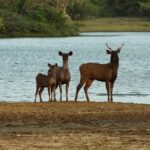
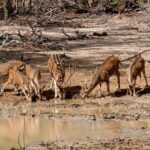
Yala National Park at golden hour feels like a live wildlife documentary. You get hotel pickup in the Yala area, then a 4WD jeep plus an English guide who focuses your best light on the animals that make people come back. I especially like the park-covering approach, with scouting across light forests, scrub, grasslands, and lagoons, and the small-group format that keeps eyes on the same targets.
Two things I really love: the timing strategy (leopard-focused in either the first two hours or last two hours), and the way guides actively find you animals, not just drive past them. The main drawback to plan for is that leopard sightings are never guaranteed, and the park entrance fee is extra and payable in cash rupees at the gate.
In This Review
- Key things I’d watch for on this Yala golden-hour safari
- Golden hour in Yala: why timing is the whole game
- Hotel pickup and small-group jeep comfort (max 6 passengers)
- Morning golden-hour safari: 5am pickup and park opening at 6am
- Afternoon safari from 2pm to sunset: late light with a clear finish
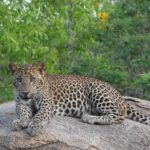
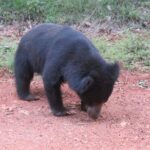
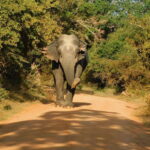
- What you can realistically spot in Yala: leopards, elephants, sloth bears, and the extras
- Guides make the difference: how the best days happen on the drive
- Roads, dust, and muddy tracks: comfort tips that match reality
- Cost reality: the $10 tour price plus the Yala entrance fee
- Lunch, timing, and how to stay ready for a long day
- Who this Yala safari suits best (and who should skip it)
- Should you book this Yala Morning or Afternoon Golden Hour Safari?
- FAQ
- What time does the morning golden-hour safari start?
- What are the hours for the afternoon golden-hour safari?
- Is the Yala National Park entrance fee included in the price?
- Can I pay the park entrance fee in foreign currency?
- Is lunch included?
- What is the cancellation policy?
Key things I’d watch for on this Yala golden-hour safari
- Golden-hour timing for leopard odds: Your schedule uses the best light window to concentrate on leopard spotting
- 4WD jeep, max 6 people: Less crowd pressure, better chance to get good viewing angles
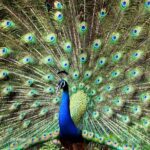
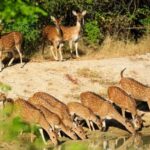
- Target list beyond leopards: Elephants, sloth bears, crocodiles, sambars, jackals, spotted deer, and birds like peacocks
- Guides who work hard in the field: Names like Dilan, Muthu, Ishan, Tikiri, and Wishwa show up in strong spotting-focused stories
- Entrance fee is not included: You must budget roughly SRL 13,000 per person and pay in Sri Lankan rupees cash
- Road conditions matter: Mud and dust are part of the day, and rain can make leopard spotting harder
Golden hour in Yala: why timing is the whole game
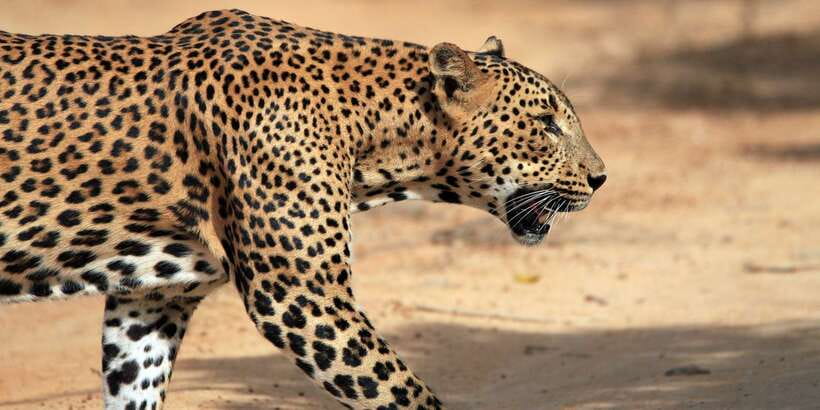
Yala works on animal time, not human time. The park is open in daylight, but the animals you came for are most visible when light is kinder and shadows make movement easier to spot. That’s why this safari is built around the “golden hours” concept, using the first or last part of the day as your leopard push.
Your tour structure is simple: you drive through Yala’s mix of habitats—light forests, scrub, grasslands, and lagoons—while your guide and driver concentrate effort on leopard sightings during a dedicated window. In the morning version, that means the early hours when visibility and animal activity often line up nicely as the park opens. In the afternoon version, it’s late light until the park closes.
If you care about photography, this timing helps. Even if you don’t consider yourself a photographer, it makes a difference for spotting: bright midday glare can wash out details, while softer light helps you see coats, faces, and movement sooner.
You can also read our reviews of more tours and experiences in Yala National Park.
Hotel pickup and small-group jeep comfort (max 6 passengers)
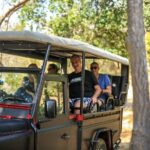
This is not a packed bus safari. You ride in a safari jeep with a maximum of 6 passengers, which changes the feel right away. You’re not constantly adjusting for elbows or trying to see around shoulders. You stay focused on what’s in front of you.
Pickup covers the Yala area, including Kirinda, Palatupana, Tissamaharama, Weerawila, and Kataragama. That matters because it reduces dead time. You want your time inside Yala, not stuck driving in circles before the gate.
Also, the jeep is described as 4WD, and you should expect bumpy roads. Some guides are specifically praised for handling muddy sections and dusty stretches with skill. That’s not just comfort—it’s safety and stability when you’re rolling through rough park terrain in search mode.
Morning golden-hour safari: 5am pickup and park opening at 6am
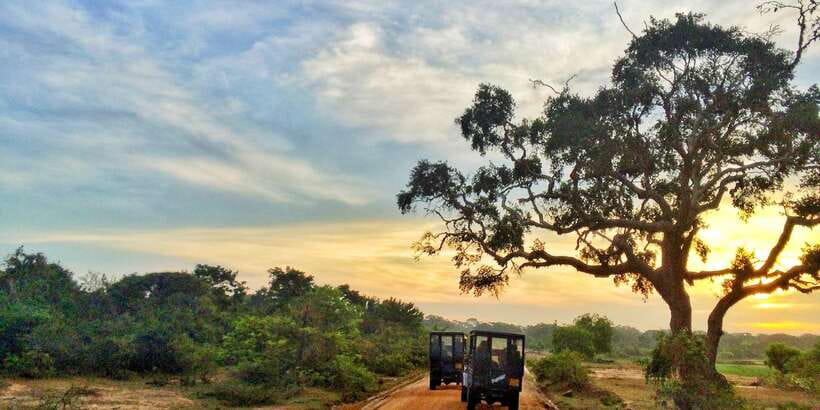
The morning option starts with pickup around 5am. The key moment is the park opening at 6am, so you’re positioned to get your eyes working while the landscape is waking up.
A morning schedule also fits the safari rhythm. For the first part of the drive, you’re usually scanning for movement in cover, listening for guide calls, and learning the habits of what’s around. Then the plan narrows into that leopard-focused window during the early hours. The rest of the time is about broad searching: elephants at waterholes, crocodiles near water, and birds moving through trees and open patches.
What I like about the morning approach is the balance. You’re not stuck in one “waiting spot” forever. You can still enjoy the wider Yala habitat variety—forests, scrub, grassland edges, and lagoons—while still getting a concentrated leopard effort.
One practical reality: early light also means cool air and dew for some days, so you’ll want layers. The tour itself doesn’t provide details here, so treat it like a “prepare for changing conditions” type of start.
Afternoon safari from 2pm to sunset: late light with a clear finish
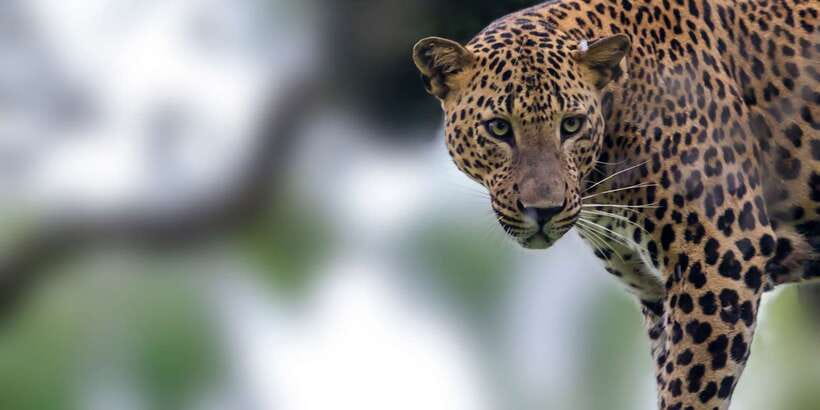
The afternoon option runs from about 2pm until sunset, when the park closes at 6pm. This is a tighter window than morning, which means you’ll feel the “time matters” pressure more. The good side: you can sleep in a bit, then head out for a focused late-day hunt.
That late-day focus is built into the safari concept. The leopard attention shifts to the last part of your drive, when light softens again and animals that prefer cooler late hours may become easier to spot. It also often pairs well with lagoon and shoreline scenes—Yala has water areas where crocodiles and elephants can show up, and late light can help you see shapes clearly.
If you’re doing only one safari, afternoon is a smart pick if you don’t want an ultra-early start. If you’re sensitive to long days, it also feels more manageable: you know the park gate timeline, and you’re not guessing when it ends.
What you can realistically spot in Yala: leopards, elephants, sloth bears, and the extras
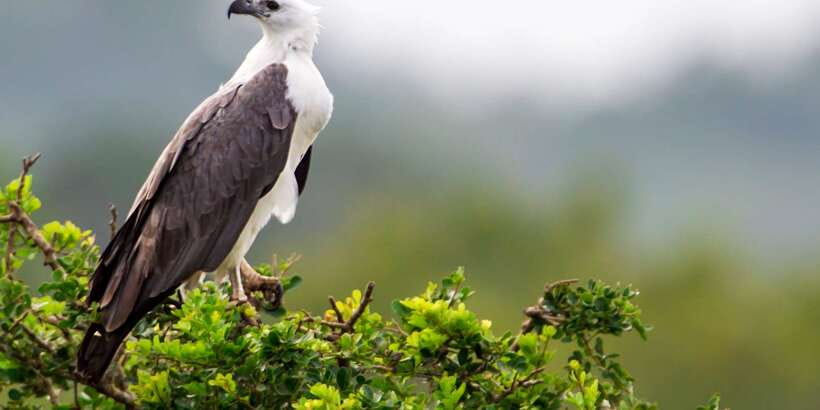
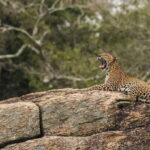
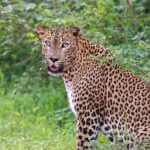
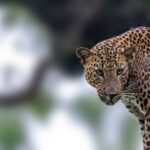
Let’s talk about the real target list. Yala National Park is famous for its leopard population, and this safari is structured to hunt leopards while also tracking other major species.
Here’s what the tour data highlights you can see in Yala:
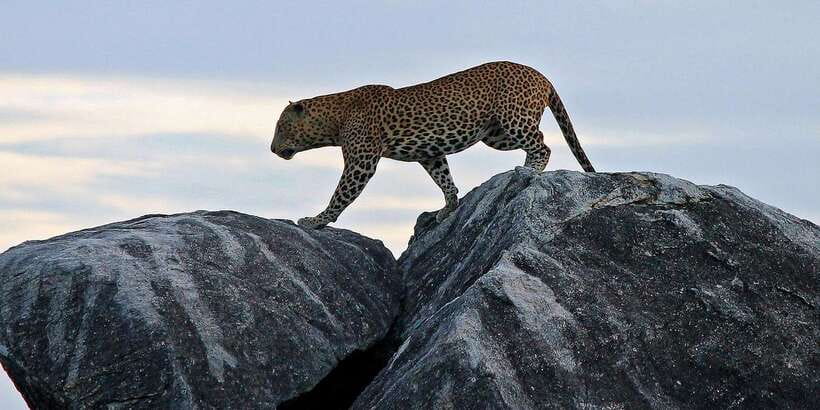
- Leopards (primary focus during your golden-hour window)
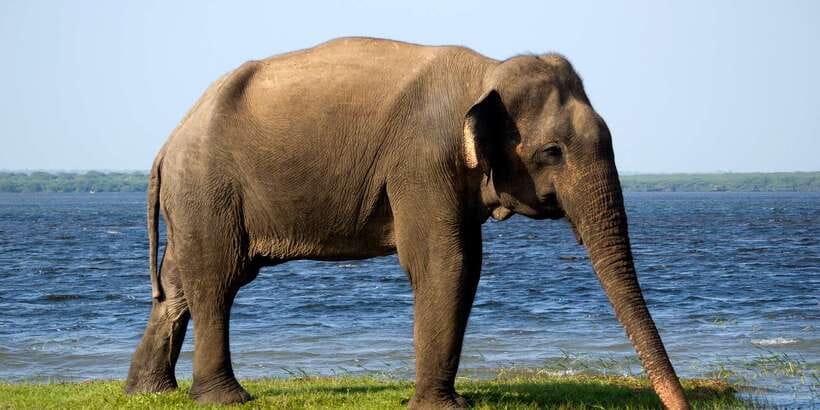
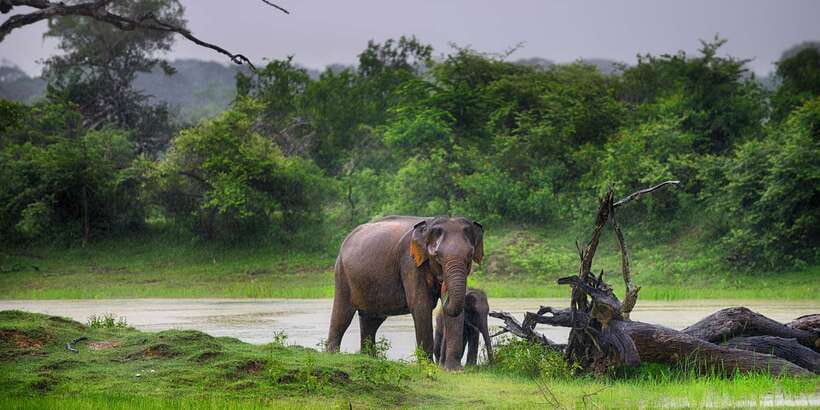
- Elephants
- Sloth bears
- Water buffalo
- Sambars
- Jackals
- Spotted deer
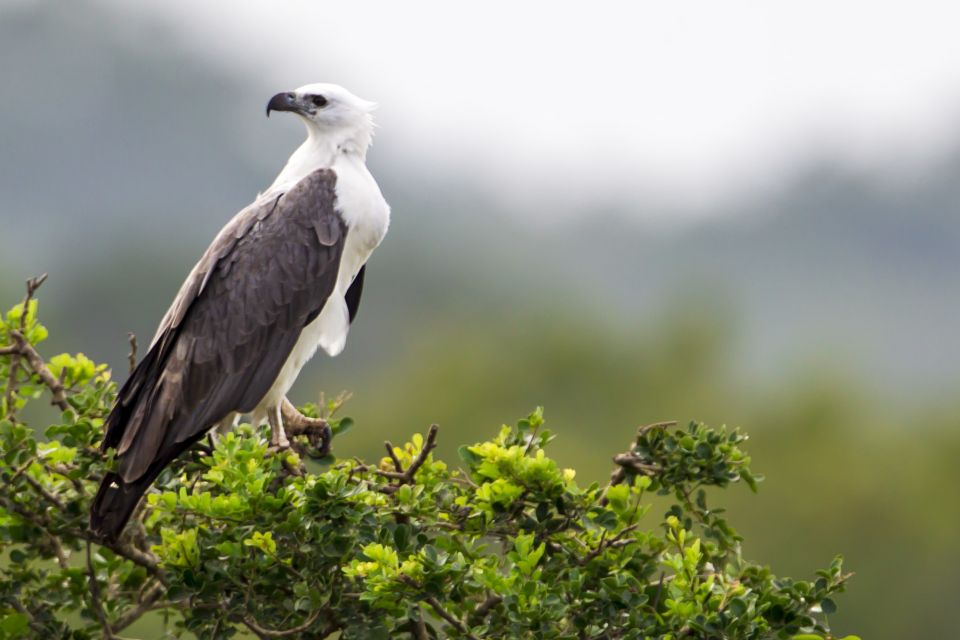
- Peacocks
- Crocodiles
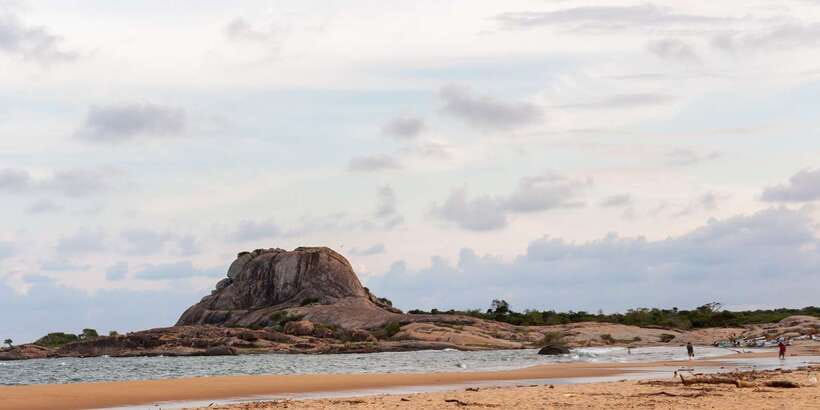
What makes this valuable is not just the animal names—it’s the habitat range you pass through. Yala is described as having varied environments: light forests, scrub, grasslands, and lagoons. That mix increases your chances beyond one ecosystem. Even if a leopard doesn’t show itself, you may still get a strong day with elephants moving through cover, a crocodile near water, or a bird moment you’d never find on your own.
Also, Yala is listed as a wildlife sanctuary with 44 mammal varieties and 215 bird species. That doesn’t mean you’ll see all of them on one safari, but it does explain why guides spend time scanning and why bird spotting is often part of the experience.
Guides make the difference: how the best days happen on the drive
The biggest pattern across strong safari experiences here is effort and animal-finding skill. Several guide names show up with praise that’s pretty practical, not just “nice person” compliments.
- Dilan is repeatedly described as knowing the park well and working hard to point out animals, with guests highlighting elephant and even bear sightings on their day.
- Ishan appears with credit for locating leopards and elephants, plus careful bird knowledge.
- Muthu is praised for hard work in the muddy parts with strong 4WD handling, plus vigilant spotting.
- Tikiri is highlighted for being quick to get to sightings, with elephants, crocodiles, and leopards mentioned as outcomes.
- Wishwa is noted for professional driving efforts in heavy rain, even when leopard spotting was tough that day.
- Sasanka is credited with speed and good response to a leopard alert, helping people get the right viewing position.
Here’s the takeaway for you: the guide isn’t a passenger. The tour works because a good driver-guide duo reads the park in real time, then gets you to the right place at the right angle. If you’re trying to maximize your odds, this is where your money is really going.
And yes, leopard luck matters. Some experiences still come with no leopard sighting, but strong guides keep the day moving by showing what they can and using videos when live sightings don’t land. That’s not a consolation prize; it’s how you protect your time in a place where animal appearances can be short.
Roads, dust, and muddy tracks: comfort tips that match reality
This safari is on 4WD jeep roads inside a national park. That means dust and mud are part of the story. One guest even suggested wearing a mask because dust can get uncomfortable.
So here’s what I recommend you do to match the conditions:
- Bring something to manage dust (a mask can help)
- Expect bumps and ruts, especially after rain
- Plan for a day where your “viewing position” changes as the jeep moves
Rain is another variable. One experience described heavy rain limiting leopard spotting, but the guide still handled difficult driving. That tells you two things: (1) weather can affect visibility and animal movement, and (2) driver skill matters when the ground is slippery or muddy.
If you’re the type who hates discomfort, plan for it anyway. If you can handle a bit of dirt and noise to get real wildlife, you’ll enjoy this far more than you might expect.
Cost reality: the $10 tour price plus the Yala entrance fee
Let’s get honest about value. The listed tour price is $10 per person, but the Yala entrance & service fee is not included. You’ll need Sri Lankan Rupees 13,000 (around $37–$40) per person, paid in cash at the entrance in Sri Lankan rupees.
That means your real per-person budget is closer to the entrance cost plus the tour fee—still not crazy for a jeep-based guided safari, but it’s not a $10-only day either.
Where the price feels fair is in what’s included:
- Hotel pickup within the Yala-area zones
- Safari jeep transport (max 6 passengers)
- English live tour guide
- Full-day or half-day timing depending on your selected option
- Picnic lunch only if you choose the option that includes it
Where you should be cautious is in the cash requirement. The tour data is clear that there aren’t facilities to pay with foreign currency at the entrance. So if you’re traveling with limited rupees, this is a place where you want to fix that before you arrive.
Food and drinks are not included either, so if you’re doing a half-day plan, bring your own snacks or be ready to buy what you can outside the park.
Lunch, timing, and how to stay ready for a long day

Some options include a picnic lunch, and others don’t, depending on whether you choose the longer format. The safest way to think about it is: if you’re going for a full-day experience, you’re more likely to get that included lunch; if you’re doing a half-day golden-hour ride, plan around the fact that food isn’t included.
Time-wise, you’re looking at 4 to 12 hours depending on what you select. That range is huge, so your best move is to match the length to your tolerance for early starts or late afternoons, plus your budget for entrance and on-the-go food.
Also, the tour is focused on spotting. That means you’ll want to feel physically comfortable enough to stay alert: sitting, scanning, and reacting quickly when your guide spots something.
One more practical note from guest experience: the mention of ablution facilities being in poor condition came up in at least one case, so if hygiene is a big deal for you, keep it in mind and plan accordingly.
Who this Yala safari suits best (and who should skip it)
This safari is a strong match if:
- You want a guided jeep experience in Yala, not self-driving
- You care about maximizing leopard odds using the golden-hour timing
- You prefer a smaller group (max 6) so everyone can see
- You’re comfortable with dust, bumps, and early start logistics
It’s not a good match if:
- You’re pregnant, since the tour is listed as not suitable for pregnant women
If you’re on a tight schedule, the afternoon option offers a clear finish at park closing. If you want the best chance at early activity patterns, the morning option gives you the park opening window plus the leopard-focused drive in the early hours.
Should you book this Yala Morning or Afternoon Golden Hour Safari?
I’d book it if you’re going to Yala anyway and you want a structured plan that uses timing instead of hoping for luck. The golden-hour strategy, small-group jeep setup, and the consistent spotlight on leopard-focused windows make it a practical choice.
I’d also book it if you value guide effort. The strongest stories in the experience set point to guides who hustle to sightings and drivers who can handle rough park conditions, with names like Dilan, Ishan, Muthu, Tikiri, and Wishwa showing up as examples of that style.
One decision point before you hit reserve: make sure you can cover the entrance fee in Sri Lankan rupees cash. If you’re not sure you’ll have that currency ready, that’s when the experience turns from smooth to stressful.
FAQ
What time does the morning golden-hour safari start?
The morning tour begins with pickup around 5am so you can catch sunrise, and the park opens at 6am.
What are the hours for the afternoon golden-hour safari?
The afternoon option runs from about 2pm until sunset, when the park closes at 6pm.
Is the Yala National Park entrance fee included in the price?
No. The entrance & service fee is not included. It’s listed as Sri Lankan Rupees 13,000 (around $37–$40) per person, and you pay it at the entrance.
Can I pay the park entrance fee in foreign currency?
You need to pay the fee in cash in Sri Lankan rupees. The data notes there are no facilities at the entrances to make cash payments in foreign currencies.
Is lunch included?
A picnic lunch is included if you select an option that includes the longer/full-day experience. Food and drinks are not included otherwise.
What is the cancellation policy?
You can cancel up to 24 hours in advance for a full refund.
If you tell me your travel dates and whether you prefer morning or afternoon, I can help you decide which window is smarter for your schedule and comfort level.