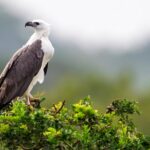
Bundala starts with a scream of wings, not a ticket line. This Bundala Birds Safari by Jeeps is built around serious bird-spotting help, plus wildlife moments that can pop up fast. I especially like that the guides are English-speaking and that the jeeps are set up for comfort, so you can focus on spotting rather than squinting and fuming. One thing to consider: to pick out some smaller birds, you’ll do a lot better with binoculars or a telescope, even with a good guide.
You’re heading to Bundala National Park, southeast of Colombo in Hambantota, a well-known bird sanctuary where visitors (and migrating birds) come for both birds and mammals. The trip is also short enough to fit around a tight schedule, which matters when you’re doing Sri Lanka in limited time. At the same time, the shorter format means you’re not getting an all-day deep wilderness marathon.
From what’s offered, you’re also not stuck in a big crowd. With a maximum of 5 travelers, pickup included, and a mobile ticket, the day feels more like a focused safari outing than a bus tour. If you’re hoping for a laid-back, high-success wildlife-bird mix, this setup is a strong match.
In This Review
- Key highlights worth planning around
- Bundala Birds Safari by Jeeps: why this 3-hour safari feels efficient
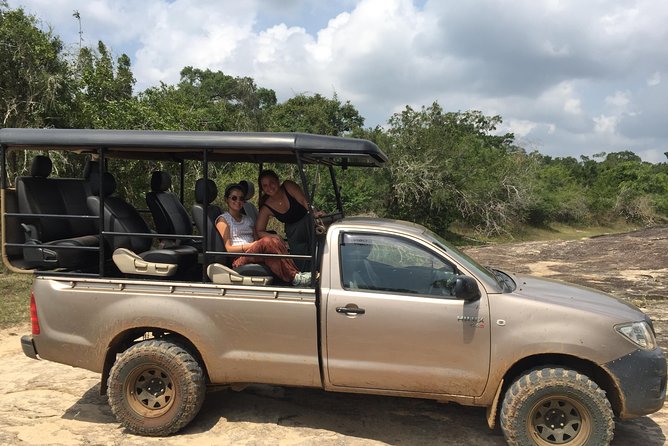
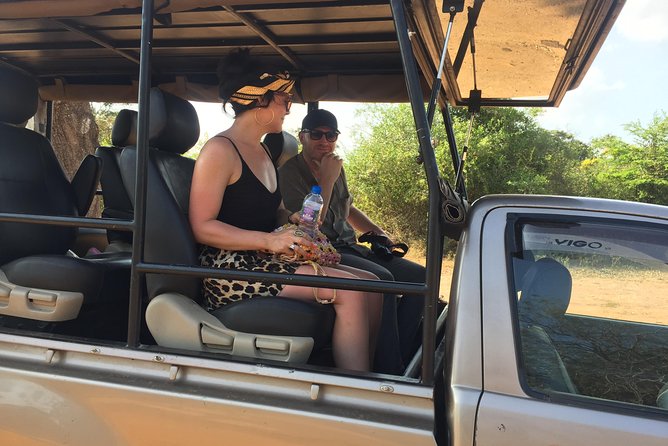
- Inside the jeeps: comfort, views, and how to make spotting easier
- Bundala National Park in plain terms: birds first, mammals as a bonus
- Itinerary focus: Kamal Safari Bundala Park and what the time is likely used for
- Guides that speak English: why it changes everything for birding
- Price and value in Hambantota: what $55 gets you
- Who this safari is best for (and who should think twice)
- Practical tips before you go (so the safari works in your favor)
- Should you book Bundala Birds Safari by Jeeps?
- FAQ
- Where is the Bundala Birds Safari by Jeeps located?
- How long is the safari?
- How much does it cost?
- Does the tour include pickup?
- Will I get a mobile ticket?
- What animals and birds can I expect?
- What time does the safari operate?
- How big is the group?
- How many people does the guide team support?
- What is the cancellation policy?
- Will I get confirmation after booking?
Key highlights worth planning around
- English-speaking guidance that helps you identify what you’re actually seeing, not just what you hope is out there.
- Comfort-focused jeep touring that keeps you comfortable during a quick but active wildlife search.
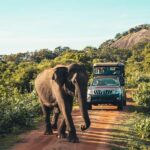
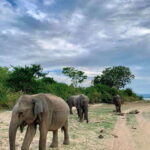
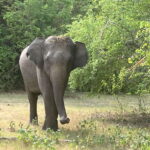
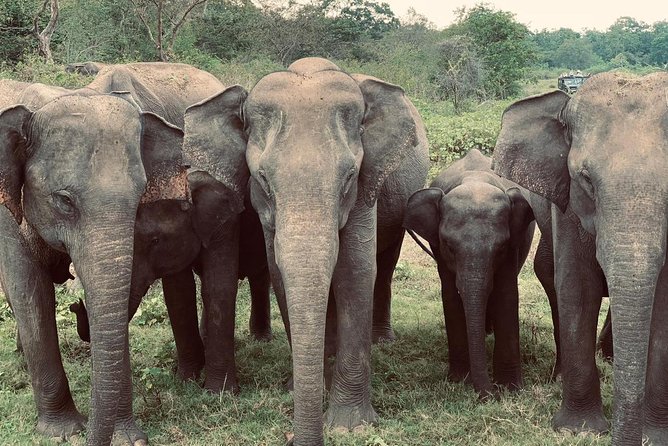
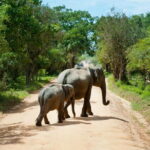
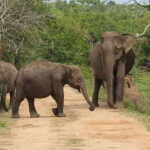
- Elephant chances in the same safari window, including moments like a male elephant crossing right in front of the jeep.
- Bundala’s bird mix: migrants and resident birds, plus mammals like the fishing cat (when conditions and luck cooperate).
- Small group size (up to 5), which usually makes it easier to hear, ask, and adjust in the moment.
Bundala Birds Safari by Jeeps: why this 3-hour safari feels efficient
Bundala National Park is one of the best places in Sri Lanka to aim your day at birds, and this safari is designed for that goal. The format is simple: you go out by jeep, you cover ground, and your guide helps you keep your eyes on what matters.
The practical win here is time. At about 3 hours 15 minutes, you’re not signing up for a half-day that turns into a whole-day plan. That’s great if you’re staying nearby in the south coast or if your itinerary is tight (like a short port day). It also helps you stay fresh. Bird safari days can be a lot of waiting; shorter time can mean fewer long stretches where you wonder if you chose the wrong spot.
The other efficiency is information. A bird safari without guidance can feel like a guessing game: you spot something moving, then you go home with a fuzzy “maybe that’s a heron?” The service here is explicitly built around guides who can speak English and help with identification in the field. That doesn’t magically make every bird easy to name, but it can turn a frustrating scan into a learning session.
You can also read our reviews of more tours and experiences in Hambantota.
Inside the jeeps: comfort, views, and how to make spotting easier
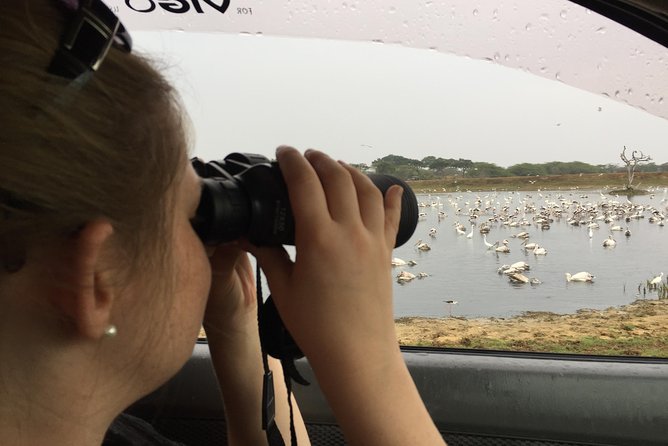
You’ll be in a jeep, and the comfort piece matters more than people expect. When you’re searching for birds, you tend to do two things: you look for movement, and you crane your neck. If the vehicle is uncomfortable, you’ll stop trying. If it’s comfortable, you keep scanning longer, and that improves your odds.
A helpful reality: birding is a skill game. You’ll often see birds first as a flash, then as a shape, then as an actual species once you get scope and angle. For that reason, the safari’s emphasis on using an experienced guide is smart. The guide isn’t just pointing. They’re also helping you interpret what you’re seeing—size, posture, behavior, and location.
Here’s the drawback to keep in mind: some birds are small or distant. The info you were given points out that having binoculars or a telescope makes a big difference for recognizing birds. If you don’t have them, you can still enjoy the safari, but you may feel like you’re watching from the outside. If you do bring gear, you can spend more time learning and less time guessing.
Bundala National Park in plain terms: birds first, mammals as a bonus
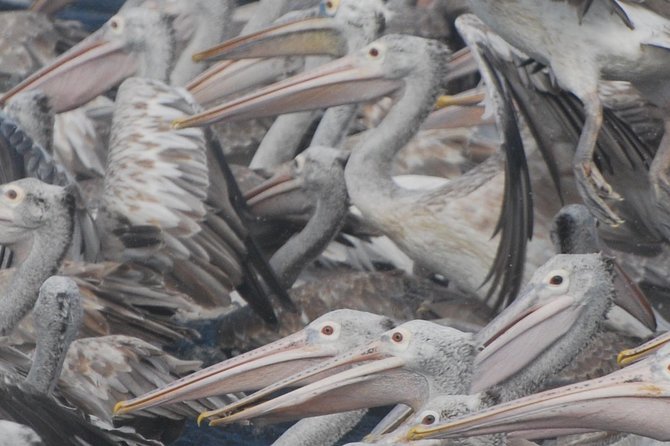
Bundala is a bird park, and it earns that reputation. It’s a place where you can see both migratory visitors and resident birds, which helps keep the variety steady rather than feeling like one show and done. That matters for a short safari because you’re more likely to find action within your limited window.
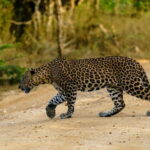
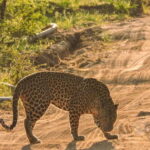
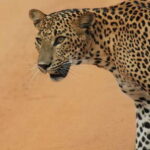
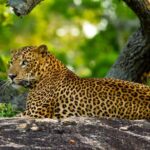
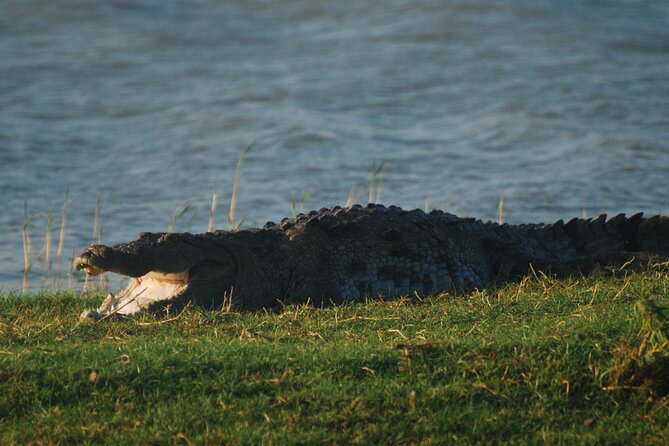
The park is also known for mammals, and the service highlights possibilities like Asian elephants and the Sri Lankan fishing cat. Now, one honest note: fishing cats are famously hard to spot. Even with the best guide, wildlife timing is wildlife timing. But the way this safari is described—covering the park with targeted guidance—gives you a reasonable shot at at least some mammal excitement.
In practice, you should expect a mix of:
- birds that are easier to see quickly,
- birds that require patience and angle,
- and the occasional wildlife moment that makes you forget you planned a strict timeline.
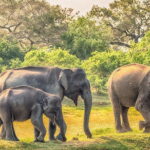
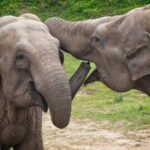
And yes, elephants can be a highlight. One of the named guides in the experience feedback is Pradeep, and his elephant-spotting moments are a big part of what people remember—like a male elephant crossing in front of the jeep and lingering long enough for everyone to enjoy the scene.
Itinerary focus: Kamal Safari Bundala Park and what the time is likely used for
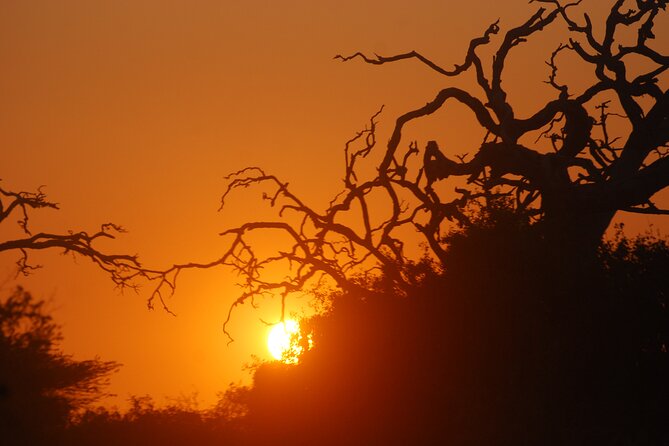
The safari is built around Kamal Safari Bundala Park, and that single-stop structure is a big clue about the pacing. You’re not moving between multiple activity bases. You’re staying in the right environment and using the 3 hours 15 minutes for active wildlife search and bird-spotting breaks.
With a single main stop, the emphasis is usually on:
- entering the best areas for bird watching,
- pausing when the guide spots something likely,
- and re-positioning as soon as birds (or mammals) start to shift.
That approach works well for first-timers. You don’t need to learn multiple logistics pieces. You just need to show up ready for spotting.
What you might consider: because it’s one main safari session, you’ll want to come prepared for field conditions—especially early in the day. The operating hours run from 6:00 AM to 5:00 PM, so you may be starting within that window depending on scheduling. If you’re booking to maximize bird activity, the morning hours are typically where most bird-focused plans land. (And since this tour operates across the full daytime range, you’ll have choices.)
Guides that speak English: why it changes everything for birding
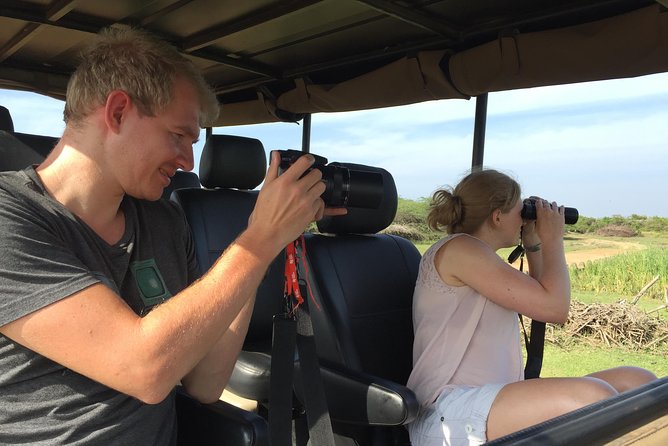
Bird safari success isn’t just about animals being present. It’s about whether you understand what you’re looking at while you’re still looking.
This experience is run by well-trained, knowledgeable guides who are specifically described as capable of speaking English. In the experience feedback, Pradeep is highlighted as speaking excellent English and taking careful care of the group. That matters because it affects the whole flow: you can ask questions, you can get quick identification help, and you don’t have to rely on your own guesswork.
A guide who can explain birds while you’re watching them also helps you spot smarter. Instead of scanning randomly for 30 minutes, you learn what cues to look for: habitat preference, feeding behavior, or how certain birds move. Over a short safari, that learning effect can be the difference between watching and understanding.
Also, the service includes pickup and a small-group feel, which helps the guide manage attention. When there are only a few people, the guide can adjust the pace without turning it into a tug-of-war for sight lines.
Price and value in Hambantota: what $55 gets you
At $55, this safari is positioned as an accessible wildlife-bird outing. It’s not a luxury private guide experience, but it also isn’t priced like a mass-market option either.
So where does the value come from?
- Time efficiency: a little more than 3 hours can fit into many itineraries without stealing an entire day.
- Guided identification: a bird safari gains value fast when someone helps you name and understand what you’re seeing.
- Comfort and setup: the jeeps are described as equipped for comfort, which keeps the experience pleasant even when you’re out searching for movement.
- Small group size: a maximum of 5 travelers helps preserve attention and reduces crowding at viewing moments.
The main value tradeoff is the same as any short safari: you’re not going to see everything in one run. Bundala is big, and wildlife can be selective. But for a focused birding safari with a real guide and comfortable jeeps, this price point makes sense—especially if you’re staying near Hambantota or you want a high-yield day without a major time commitment.
Who this safari is best for (and who should think twice)
This experience is ideal if you:
- love birds and want help spotting and identifying in real time,
- want a short safari day instead of an all-day expedition,
- appreciate English guidance for smoother explanations,
- and prefer a small group setting (max 5).
It’s also a good fit for families, based on the positive experience feedback that mentions a family outing with excellent care and good animal-spotting skills. Kids and non-bird experts usually enjoy wildlife moments like elephants more than long bird lists anyway, and this safari is built to deliver those moments within a manageable time.
You should think twice if you:
- expect a guaranteed sighting of rare species like the fishing cat. That’s not something anyone can promise from the info provided, and wildlife timing rules everything.
- plan to bird using eyesight alone without gear. If you want recognition of smaller birds, bring binoculars or a telescope as the description strongly implies.
Practical tips before you go (so the safari works in your favor)
These are the small things that turn a good safari into a better one.
Bring your viewing tools
- If you have binoculars or a scope, take them. The guidance here specifically points to the value of using binoculars/telescope for recognizing birds.
Dress for early field time
- Operating hours run from 6:00 AM to 5:00 PM, and birders often value the morning window. Wear light layers you can adjust.
Use the guide’s knowledge
- Ask questions when you get a stop. English-speaking guidance is part of the service, so use it.
Stay flexible
- Wildlife appears when it appears. The jeep format works best when you’re ready to pause, scan, and move with the guide’s calls.
Plan around the short duration
- With about 3 hours 15 minutes, treat it like a focused outing. You’ll want to enjoy the moment rather than banking on an overly long search.
Should you book Bundala Birds Safari by Jeeps?
If you’re coming to Sri Lanka for a bird-focused day and you want it to be practical—short, guided, and comfortable—this is a smart booking. The strongest reasons to choose it are the English-speaking guides and the real attention to spotting, plus the small group size that keeps the experience calmer.
Book it if your goal is a high-yield bird and wildlife session in a limited time frame. It’s also a decent value at $55 for what you get: jeep safari time, guidance, pickup support, and a mobile ticket.
Skip it only if your priority is guaranteed sightings of specific rare species, or if you’re unwilling to bring basic birding gear. Otherwise, Bundala on a jeep with a strong guide is exactly the kind of focused day that makes a trip feel well planned.
FAQ
Where is the Bundala Birds Safari by Jeeps located?
It takes place in Hambantota, Sri Lanka, at Bundala National Park.
How long is the safari?
The duration is approximately 3 hours 15 minutes.
How much does it cost?
The price is $55.
Does the tour include pickup?
Pickup is offered.
Will I get a mobile ticket?
Yes, the tour uses a mobile ticket.
What animals and birds can I expect?
You can expect bird sightings as Bundala is a bird sanctuary, and the safari may also include mammals such as Asian elephants. The service also mentions the Sri Lankan fishing cat as a possible sighting.
What time does the safari operate?
The stated opening hours are Monday to Sunday from 6:00 AM to 5:00 PM.
How big is the group?
The maximum group size is 5 travelers.
How many people does the guide team support?
This tour is described as suitable for most travelers, with a small group format.
What is the cancellation policy?
Free cancellation is offered up to 24 hours in advance for a full refund.
Will I get confirmation after booking?
Confirmation is received at the time of booking unless you book within 12 hours of travel, in which case confirmation is received as soon as possible, subject to availability.