Udawalawe makes a long drive feel like a movie scene. You get a door-to-door transfer from Ella to Tangalle or Hiriketiya, then a focused 3-hour safari in Udawalawe National Park to break up the journey with real wildlife time.
I especially like the way the day is built around viewing: you ride in an air-conditioned vehicle for the road, then switch into an open-concept safari jeep for better sightlines and photos. I also like that a live English guide helps you find and understand what you’re seeing, not just drive around and hope for the best.
One thing to watch: pickup can be at a point some distance from your hotel, and if you’re traveling solo you may find the pricing doesn’t feel as fair since the transfer isn’t private.
In This Review
- Key Things That Make This Shuttle-Safari Worth It
- From Ella To Tangalle/Hiriketiya, With Udawalawe As Your Wildlife Pause
- How The Timing Works (And Why Morning Or Afternoon Matters)
- The Transfer Side: Comfortable, But Not Always Right At Your Hotel Door
- Inside Udawalawe: The Safari Portion And What You’re Really Paying For
- What The 3 Hours Feels Like On The Ground
- Animals You Can Expect (And How To Spot Them Faster)
- Switching Back To Comfort: The Ride To Tangalle Or Hiriketiya
- Price And Value: Is $43 Per Person Fair For What You Get?
- What You’ll Want To Pack (So The Safari Is Actually Enjoyable)
- Who This Tour Suits Best (And Who Might Prefer Something Else)
- Should You Book This Shuttle With Udawalawe Safari?
- FAQ
- How long is the transfer and safari day?
- What route does this tour cover?
- Is the Udawalawe National Park entrance fee included?
- What animals can I expect to see in Udawalawe?
- Will I ride in an open vehicle during the safari?
- Is food included?
- Is there an English guide?
- What transport comfort is included?
- Is there a cancellation option?
Key Things That Make This Shuttle-Safari Worth It
- Open safari jeep for Udawalawe so you’re positioned for wildlife sightings and photos
- Air-conditioned road transfer before and after the park safari
- English live guide who calls out animals and answers questions (I’d take advantage of this time)
- Elephants are expected, with a good chance at crocodiles, monkeys, water buffaloes, and endemic birds
- Hotel pickup/drop-off from Ella area to Tangalle/Hiriketiya, with highway tolls included
From Ella To Tangalle/Hiriketiya, With Udawalawe As Your Wildlife Pause
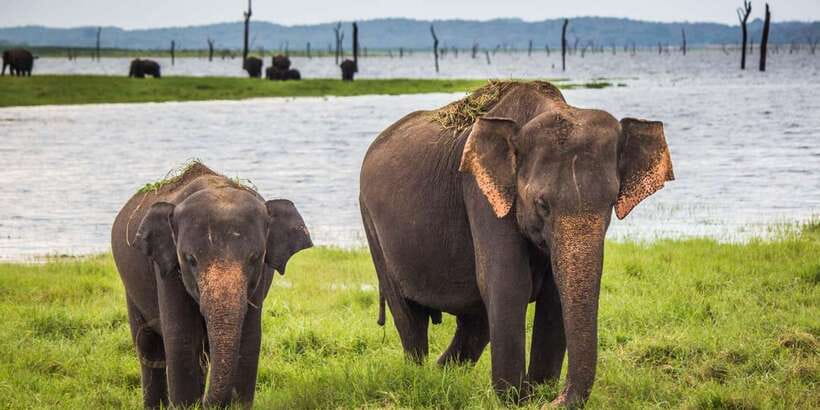
This is the kind of tour that fits a very common Sri Lanka problem: you want to go somewhere scenic, but you also don’t want to waste an entire day staring out the window. The idea here is simple. You start in the Ella area, you move on toward Tangalle/Hiriketiya, and you break up the travel with a 3-hour Udawalawe National Park safari along the way.
Udawalawe is famous for large mammals, especially elephants, and that shapes the whole experience. You’re not doing a long, exhausting park tour. Instead, you’re getting a timed window during the animals’ active periods—early morning or afternoon—so your odds feel more practical than random.
The route is also part of the value. You’re not just buying a safari ticket and figuring out logistics separately. You’re getting the transfer structure built in, including the switch from a road vehicle to a safari jeep. That switch matters. It’s the difference between comfortable travel and actual viewing angles.
You can also read our reviews of more tours and experiences in Matara.
How The Timing Works (And Why Morning Or Afternoon Matters)
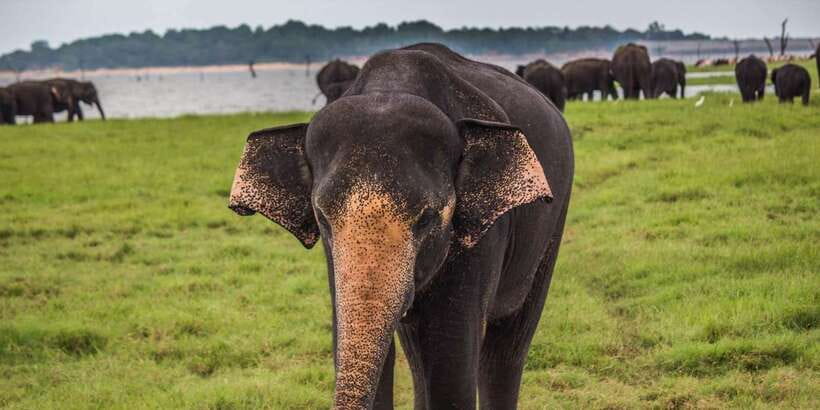
Your safari time is 3 hours, and the tour can start either early morning or in the afternoon depending on availability. That flexibility is useful because Udawalawe wildlife activity often peaks when temperatures and light are more animal-friendly. Practically, you’re more likely to see elephants feeding and moving around when the day isn’t at its hottest.
I also like that the timing is designed for a real viewing window, not just a brief drive-through. Three hours gives the guide enough time to reposition when animals are near the viewing areas and gives you time to settle in, watch behavior, and take photos without constantly changing your focus.
If you’re the type who hates waking up too early, the afternoon option can be a lifesaver. Just remember: you’ll still want to dress for the day—hot sun, then cooler moments in the shade can both happen, and you’ll be outside during the safari portion.
The Transfer Side: Comfortable, But Not Always Right At Your Hotel Door
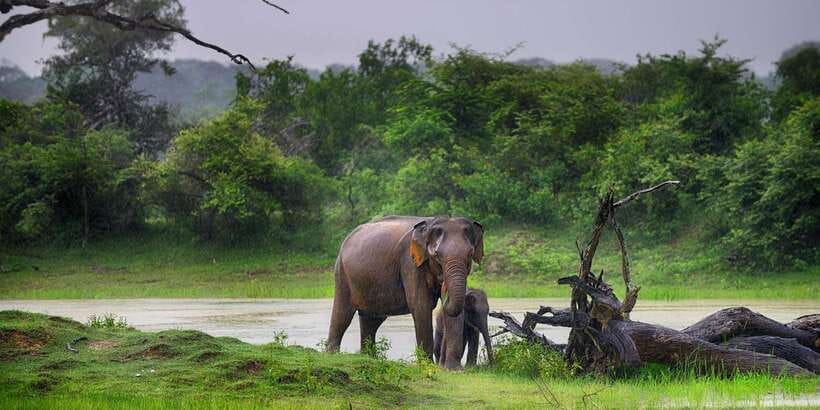
You’re picked up from the Ella area and then later dropped off in the Tangalle/Hiriketiya areas at the end of the safari. The transport is done in an air-conditioned vehicle, which is a real comfort win after a few days of buses, tuktuks, or long drives.
That said, don’t assume it’s perfectly door-to-door down to the exact corner of your hotel. One review pointed out that your pickup point might be some way from your accommodation. This is typical of shared van style transfers where the driver loops around to collect multiple stops.
So here’s my advice: if you’re staying in a quieter lane or somewhere that’s hard to access, message the provider ahead of time and ask where the pickup is likely to be. It can save you stress on the morning of your safari.
And if you’re traveling solo, read the fine print on pricing expectations. One reviewer felt solo pricing wasn’t fair since the transfer cost wasn’t treated as truly single-person.
Inside Udawalawe: The Safari Portion And What You’re Really Paying For
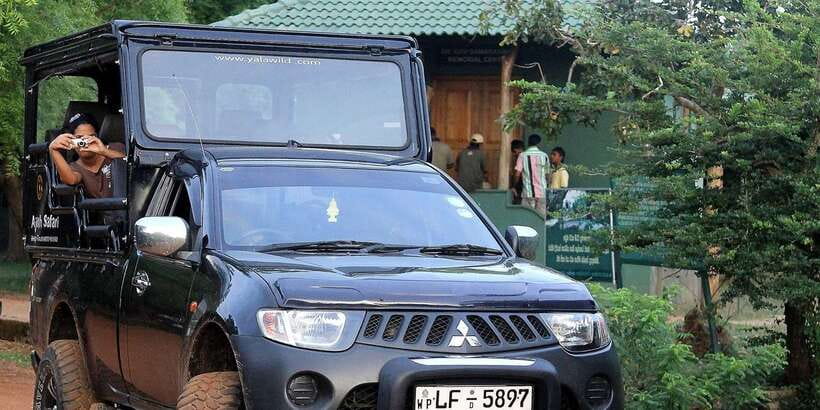
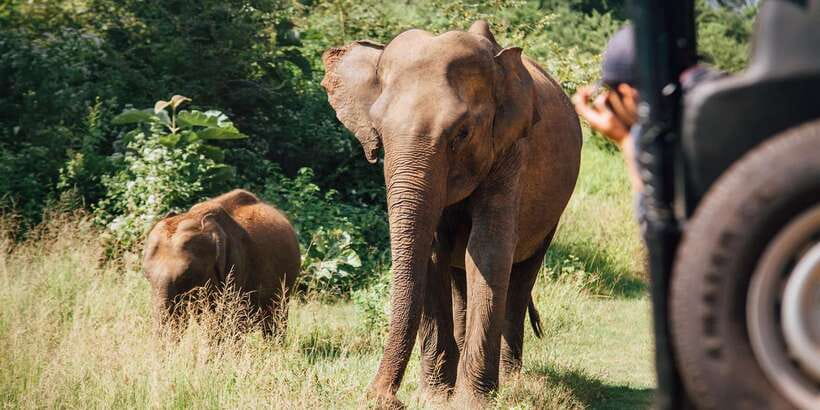
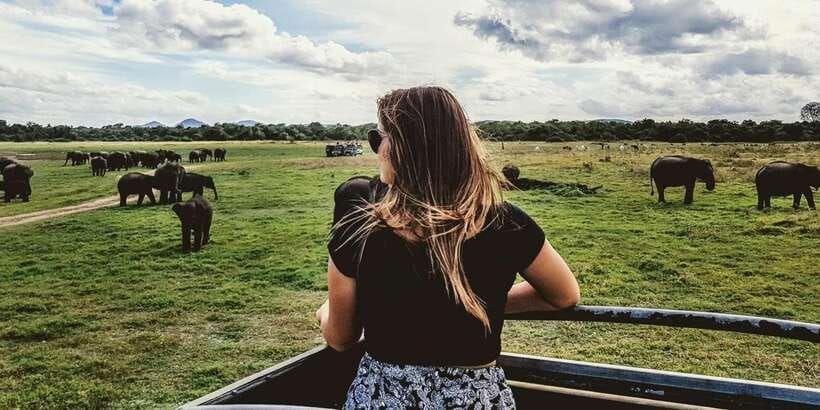
The heart of this tour is the Udawalawe National Park safari. After pickup, you switch from the air-conditioned transport into an open-concept safari jeep. That swap is more than a fun detail. Open seating improves viewing and photo angles, especially when animals come close to the viewing areas or move across the path.
During the safari, you’re guided with the goal of spotting a mix of animals. The experience is built around elephants—seeing herds is a strong expectation—and you can also look out for crocodiles, monkeys, water buffaloes, and various endemic bird species.
The guide component is what turns this from a luck-based outing into a more reliable wildlife search. In a couple of experiences, guides were praised specifically for finding animals and pointing out birds you might otherwise miss. Names that came up include Pathum and Koshala, both recognized for spotting wildlife and staying upbeat while explaining what was happening.
A big reason this safari feels like good value is that you’re not just watching animals—you’re watching them with context. Even when the animals are partially obscured by brush or distance, a skilled guide helps you connect behavior to habitat. That’s how your photos end up better too. You take fewer random shots and more intentional ones.
What The 3 Hours Feels Like On The Ground
Three hours in a safari jeep is long enough to get into a rhythm, but not so long that you start rushing the rest of your day. You’ll likely have moments of waiting, then sudden bursts of action when an elephant group appears or a bird calls out and everyone’s gaze shifts in the same direction.
If you like wildlife photography, this format is ideal: you’re positioned differently throughout the safari rather than staying static. If you’re more into just seeing animals, the open jeep and guide support still makes it feel active without being exhausting.
Animals You Can Expect (And How To Spot Them Faster)
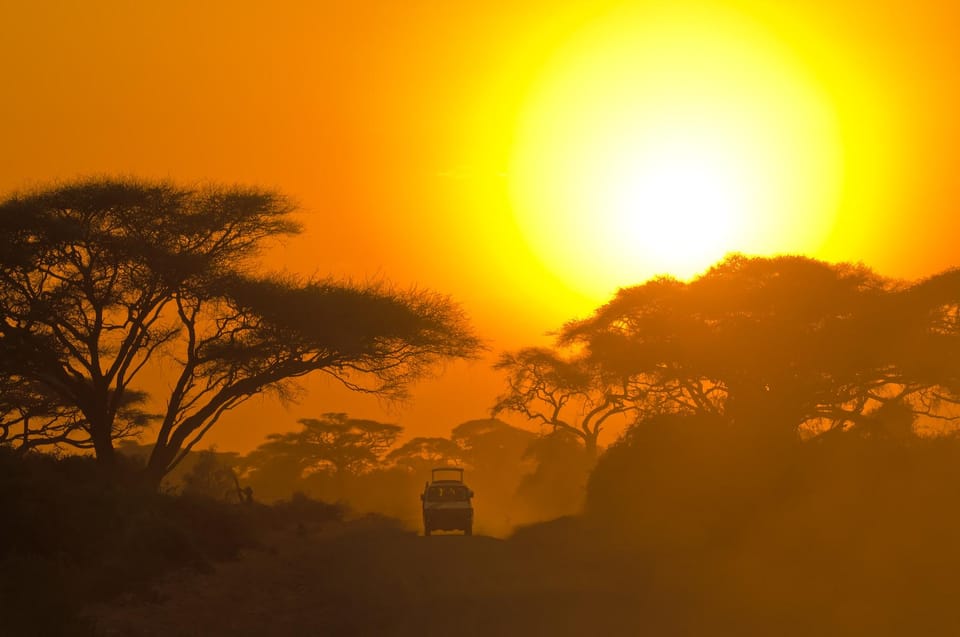
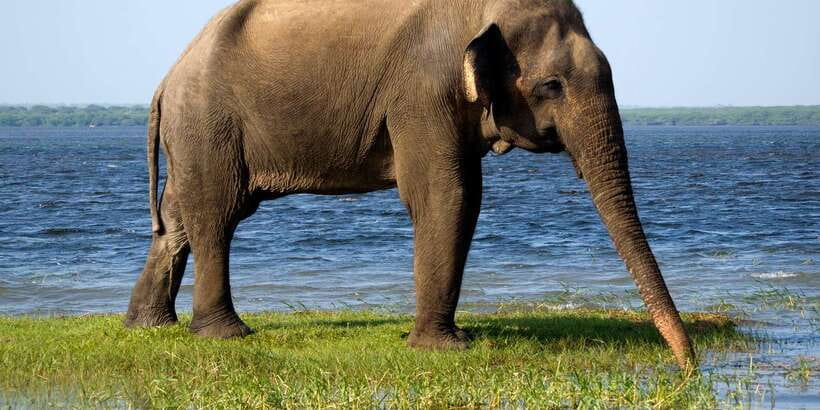
Udawalawe is often about elephants first. That’s not a guarantee you should treat as automatic, but it’s the main draw for good reason. Your guide will help you watch for movement patterns—groups feeding, social interactions, and the way elephants navigate the landscape.
Beyond elephants, you’re in the right ecosystem for other wildlife. Based on the tour description, you should keep an eye out for:
- Crocodiles, often linked to water edges and slower-moving water channels
- Monkeys, which may appear suddenly near roadside vegetation
- Water buffaloes, typically seen grazing and moving in the mid-distance
- Endemic birds, which are easy to overlook unless someone points them out
My practical tip: when the guide spots something, pause your phone fiddling and lock your attention for a few seconds. Birds are often about timing. Elephants are about patience. If you chase every moment with constant repositioning, you’ll miss the calm scenes that are usually the most photogenic.
Switching Back To Comfort: The Ride To Tangalle Or Hiriketiya
Once the 3-hour safari ends, you switch back into the air-conditioned car for the rest of the journey. Then you’re dropped off in the Tangalle/Hiriketiya areas.
This is a genuinely smart design. Safari time is physically active—hot sun, waiting, looking around. By the time the safari ends, you don’t want to add another rough transfer in non-air-conditioned comfort. The air-conditioned ride helps you reset before you continue your plans in the south coast.
Also, because this tour bundles transport with the safari, you avoid the hassle of coordinating separate rides. That’s not glamorous, but it’s one of those practical advantages that turns a good trip into a smooth one.
Price And Value: Is $43 Per Person Fair For What You Get?
At $43 per person for a roughly 7-hour day, this transfer-safari can be good value—if you understand what’s included and what’s not.
Included:
- Hotel pickup in the Ella area
- Hotel drop-off in Tangalle/Hiriketiya areas
- Air-conditioned transportation
- Udawalawe 3-hour safari in an open safari jeep
- Professional driver/guide
- Highway toll charges
Not included:
- Food and drinks
- Udawalawe National Park entrance fees
That last line matters. One review mentioned that entrance fees were an extra cost, with about €70 for two people. I can’t confirm exact current pricing from here, but I’d plan for the possibility that you’ll pay a noticeable additional fee at the park gate.
So here’s how I’d judge value:
- If you were going to travel from Ella to the south coast anyway, you’re essentially swapping part of that road time for a guided wildlife experience.
- The guide and open safari jeep upgrade the quality of the viewing.
- The main value hit is the entrance fee plus any extra cost for solo travelers (if applicable to your situation).
For many people, this becomes a strong deal because you’re buying logistics plus a safari in one package. For solo travelers or those staying far from pickup points, it’s worth checking details to make sure you’re not paying for convenience you can’t fully use.
What You’ll Want To Pack (So The Safari Is Actually Enjoyable)
Since the tour includes transportation and safari time, your comfort mostly comes down to what you bring. Keep it simple:
- Sunglasses and sunscreen for safari sun
- A light layer if you run cold in air-conditioned vehicles
- A hat that stays put in the jeep
- Cash or card readiness for park entrance fees (since they’re not included)
- Water plan: since food and drinks aren’t included, bring what you need before or during the travel window
Also, if photography matters to you, clean your lens before you go and keep a cloth handy. Open jeeps can kick up dust during movement.
Who This Tour Suits Best (And Who Might Prefer Something Else)

I’d point this tour toward you if:
- You want a wildlife break without losing the whole day to planning
- You’re moving from the central highlands (Ella) to the southern coast (Tangalle/Hiriketiya)
- You prefer a guided search over self-driving your way through Udawalawe
It may not be the best fit if:
- You’re a solo traveler trying to keep costs tight
- You’re picky about exact pickup location and hate feeling like you’ll walk to meet a van
- You want total privacy or a fully private transfer
For most people, the mix of air-conditioned comfort + open-jeep viewing + English guide support makes it a practical, satisfying way to connect two regions.
Should You Book This Shuttle With Udawalawe Safari?
If you want the safari, and you also need to get from Ella to Tangalle/Hiriketiya, I’d say yes—this is one of the smartest ways to turn transit time into an actual experience. The open safari jeep, the 3-hour wildlife window, and the fact that you have an English-speaking guide (with praised guides like Pathum and Koshala) make it more than just a ride.
Before you book, do two things:
1) confirm where pickup is likely to be in your specific Ella neighborhood or hotel area
2) budget for Udawalawe entrance fees since they’re not included
If those checks line up with your expectations, you’ll likely feel like you got a full day of value out of a journey that would otherwise be mostly driving.
FAQ
How long is the transfer and safari day?
The total duration is about 7 hours, with a 3-hour safari tour inside Udawalawe National Park.
What route does this tour cover?
It’s a shuttle from the Ella area to the Tangalle/Hiriketiya areas, with a safari stop through Udawalawe National Park along the way.
Is the Udawalawe National Park entrance fee included?
No. Entrance fees to Udawalawa National Park are not included in this package.
What animals can I expect to see in Udawalawe?
The tour description highlights elephants and also suggests you may spot crocodiles, monkeys, water buffaloes, and various endemic bird species.
Will I ride in an open vehicle during the safari?
Yes. After pickup, you switch to an open-concept safari jeep for the best viewing during the Udawalawe safari, then return to an air-conditioned vehicle afterward.
Is food included?
No. Food and drinks are not included.
Is there an English guide?
Yes. There is a live tour guide in English.
What transport comfort is included?
You travel in an air-conditioned vehicle for the road portions before and after the safari.
Is there a cancellation option?
Yes. Free cancellation is available up to 24 hours in advance for a full refund.